Donner
Support Care
Articles et News
Contes de la campagne
Glossaire
Guides de terrain
Expertise médicale humanitaire suisse | Soins sur le terrain
Swiss humanitarian expertise only matters when it changes what happens in the field. For Fair Future, it means clinical discipline, traceable decisions, financial accountability and long-term responsibility. In eastern Indonesia, those principles are tested every day where distance, limited services and delayed care can turn preventable illness into an emergency.
Swiss Humanitarian Expertise in the Field
Precision matters only when it improves care, access and accountability
Standards must survive contact with reality
A protocol written in an office is only useful if it still works in a village several hours from formal care. In our field work, medical standards have to remain practical when electricity is unreliable, transport is difficult, diagnostic resources are limited and referral may take time.
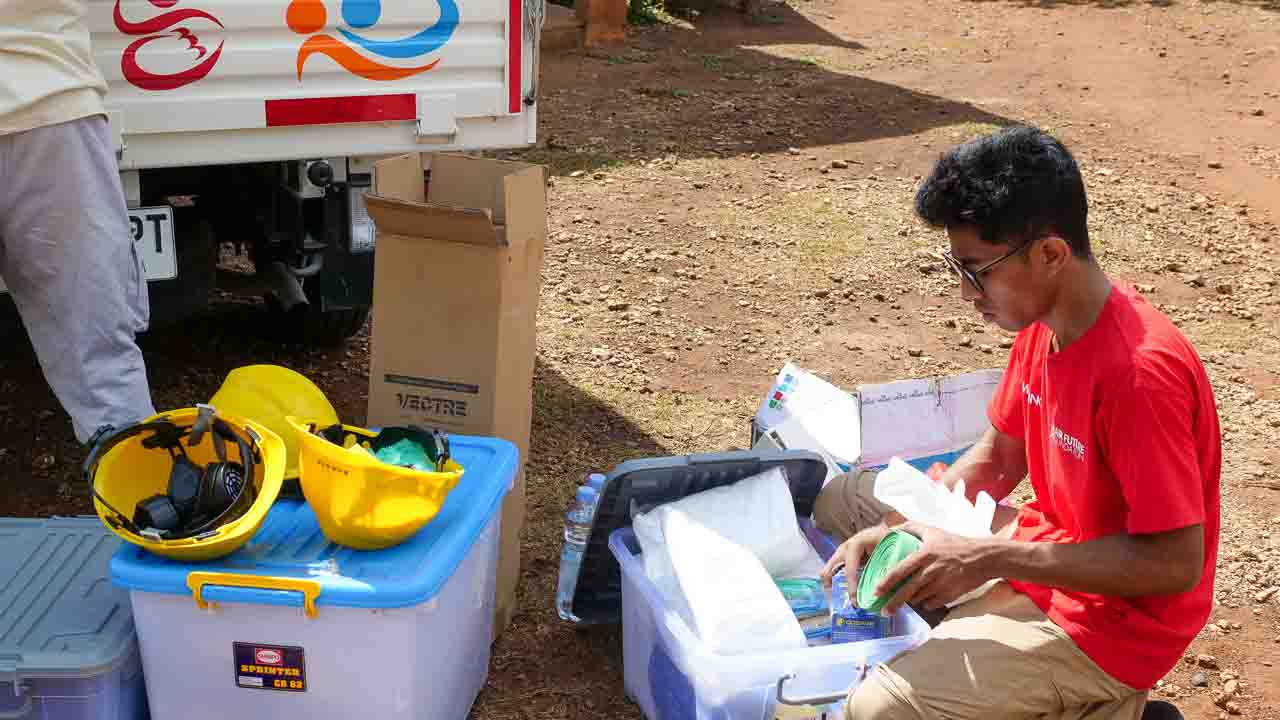
This is why our medical approach connects clinical assessment, danger signs, infection prevention, appropriate prescribing, documentation and referral. The same discipline applies to our water systems, medical supplies, solar equipment and field logistics: they must be useful, maintainable and verifiable after installation or distribution.
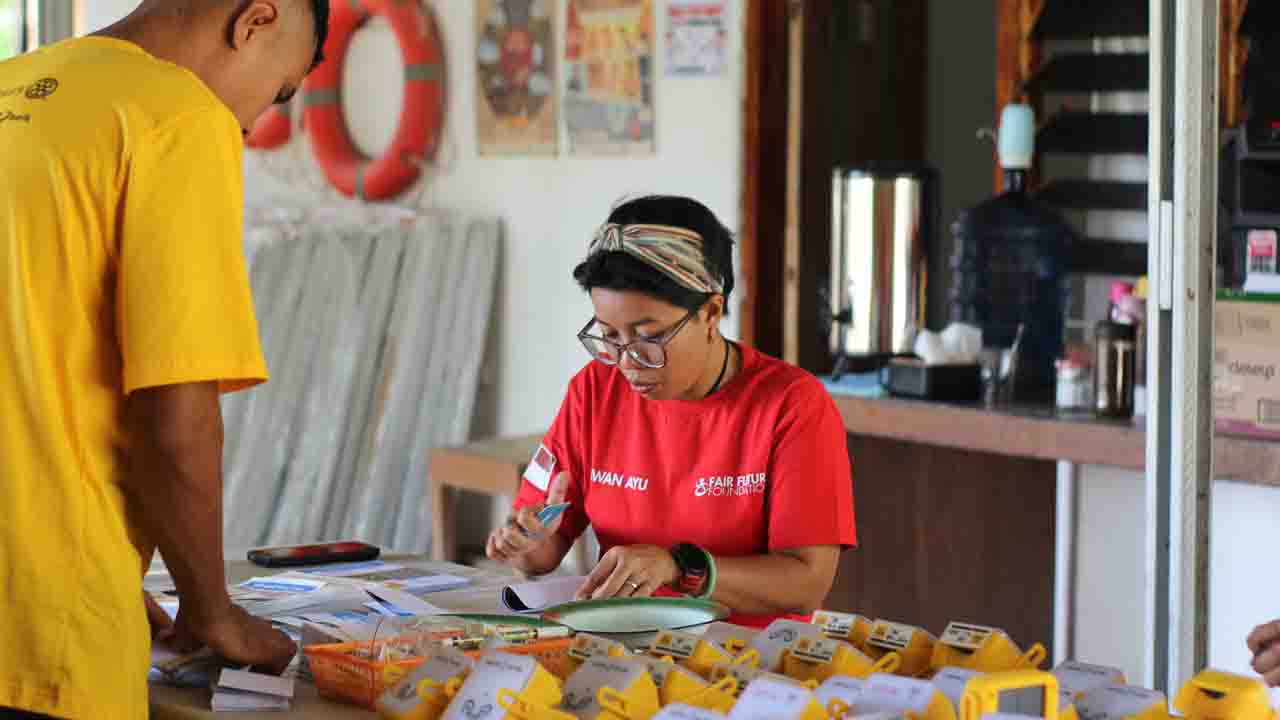
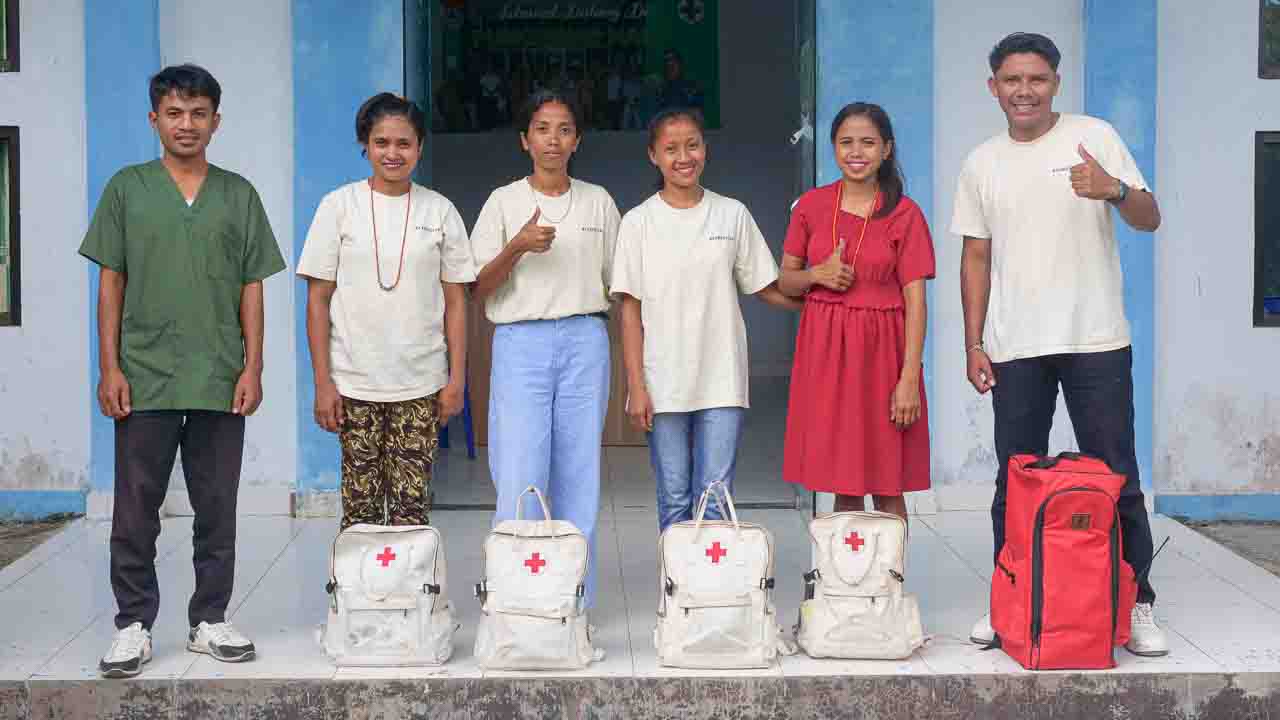
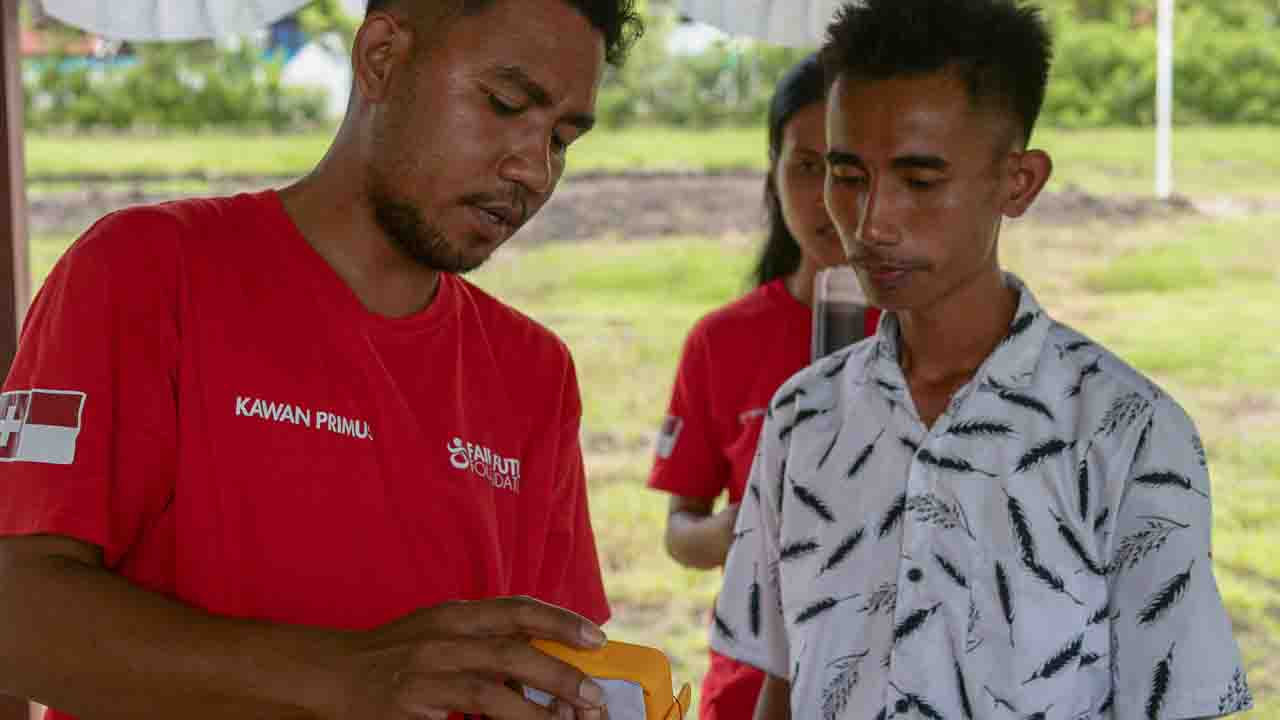
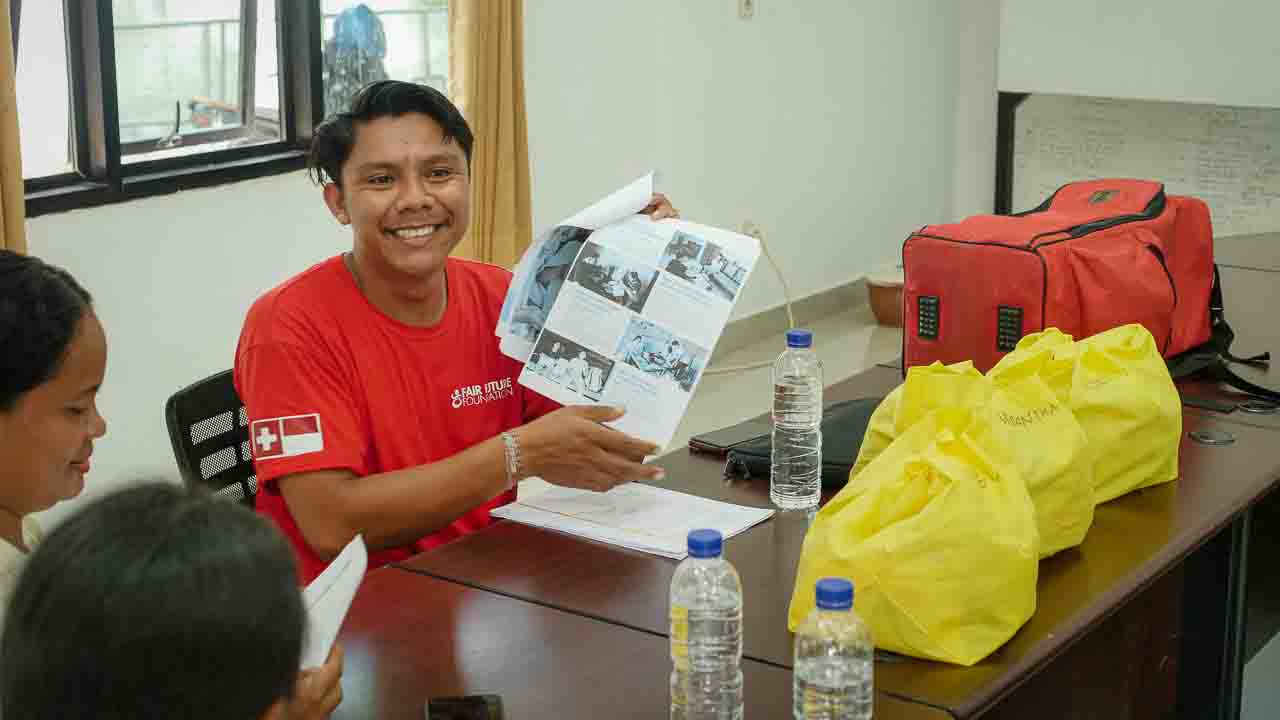
Our teams work throughout the year with local health professionals, Kawan Sehat community health agents, villages and public authorities. Decisions are adapted to local realities, but accountability is not relaxed because conditions are difficult. We still need to know what was done, why it was done, what it cost and what happened afterwards.
Swiss expertise, in our context, is therefore practical: fewer assumptions, more observation; fewer slogans, more records; fewer short interventions, more continuity. The purpose is not to reproduce Switzerland in Indonesia. It is to apply disciplined methods in a way that makes care safer and field action more reliable.
- Swiss governance
- Medical discipline
- Independent decisions
- Long-term presence
- Evidence and accountability
Governance that can be audited
Fair Future is a Swiss public-utility foundation. That status brings legal, financial and governance obligations that continue regardless of where our field work takes place.
Our accounts are audited, our ethical principles are public and expenditure is documented. Our current structure directs more than 93 per cent of donations to field operations, while administration remains deliberately limited.
For us, Swiss governance means being able to trace decisions and resources from the Foundation to the work carried out in villages. Transparency is part of operations, not simply an annual publication.
Clinical decisions before visibility
Medicine comes before communication. A consultation, treatment or referral must be based on the patient’s condition, available evidence, danger signs and the practical possibilities of the local health system.
In remote settings, discipline is especially important. Limited diagnostics and difficult referral increase the need for careful clinical assessment, appropriate use of medicines, infection prevention and clear documentation.
Our teams and community health agents work within defined responsibilities. Cases that exceed those limits must be discussed, referred or escalated rather than treated beyond available competence.
Independence protects field priorities
A lean structure helps us keep operational decisions close to medical and field realities. Priorities are set according to what communities and patients actually need, not according to what produces the most visible activity.
This matters when needs change. Medicines may have to be redirected, a water system may require repair before a new construction begins, or a planned activity may need to be postponed because another medical problem has become more urgent.
Independence does not remove accountability. It increases it. When decisions can be made quickly, they must also be documented clearly and explained afterwards.
Follow-up is part of care
Short interventions can solve an immediate problem, but many rural health risks require continuity. Malaria, tuberculosis, malnutrition, unsafe water and delayed access to care do not disappear when a mission ends.
Remaining present allows us to replenish medicines, support health agents, revisit patients, evaluate infrastructure and identify problems that were not visible during the first intervention.
Continuity also creates accountability between people. We know the communities and they know us. When something stops working, there is a relationship through which it can be reported, discussed and corrected.
Measure, document, correct
Field experience matters, but experience alone is not enough. Patient records, screening results, survey data, medicine use, infrastructure assessments and financial records help us understand whether an intervention is working.
We use those observations to adjust programmes rather than defend decisions simply because they were made earlier. A method that is ineffective, unsafe or unsuitable must change.
Credibility comes from being able to show what happened, including limits and failures. Swiss humanitarian expertise, as we understand it, is inseparable from that responsibility to measure, explain and correct.
Swiss Standards, Applied in the Field