Donner
Support Care
Articles et News
Contes de la campagne
Glossaire
Guides de terrain
Disease prevention in rural health – Swiss medical fieldwork
Disease prevention in rural health begins before anyone becomes an emergency. In East Sumba, prevention means safer water, vaccination awareness, early recognition of danger signs, mosquito control, hygiene, nutrition, health education and repeated contact with families who may live hours from formal care.
Prévention des maladies dans le domaine de la santé rurale
Preventing infection and complications before emergency care is needed
Prevention works when medical knowledge becomes a daily practice
In remote communities, the interval between the first symptom and professional care may be long. Prevention therefore starts with practical measures that reduce exposure and help families recognise problems earlier: hand hygiene, safer water, mosquito control, vaccination, nutrition, wound care, sexual health information and clear danger signs.
These measures do not replace diagnosis or treatment. They reduce avoidable risk and create an earlier connection to care. A parent who recognises dehydration, a household that reduces mosquito breeding, or a health agent who identifies a persistent cough can change the course of an illness before it becomes severe.
At Fair Future, prevention is integrated with Primary Medical Care, Kawan Sehat Agents de santé, safer water systems, infectious-disease screening and community health education. The same team that explains prevention can also identify a patient who needs assessment, treatment or referral.
Continuity matters. One campaign may transmit information, but repeated contact is what allows questions, correction of misinformation and adaptation to new risks. Prevention becomes useful when it is understood, feasible and repeated in the places where people actually live.
- Why Prevention
- Infectious Risks
- Vaccination & Early Detection
- Éducation à la santé
- Kawan Sehat
- Continuity & Surveillance
Prevention reduces risk before treatment becomes urgent
In villages where healthcare may be several hours away, waiting for severe symptoms is dangerous. Preventive measures reduce exposure, support earlier recognition of illness and help families know when professional care is needed.
Prevention is most useful when it is linked to care. Hygiene advice without safe water has limits; education without follow-up may be forgotten; recognition of danger signs matters only if a referral pathway exists.
See how these elements connect in our work on primary healthcare in East Sumba et rural healthcare access.
Different infections require different prevention pathways
Malaria, dengue, tuberculosis, diarrhoeal disease, skin infections and other communicable illnesses do not share one single prevention method. Mosquito control, safe water, respiratory hygiene, early testing and treatment adherence address different transmission routes.
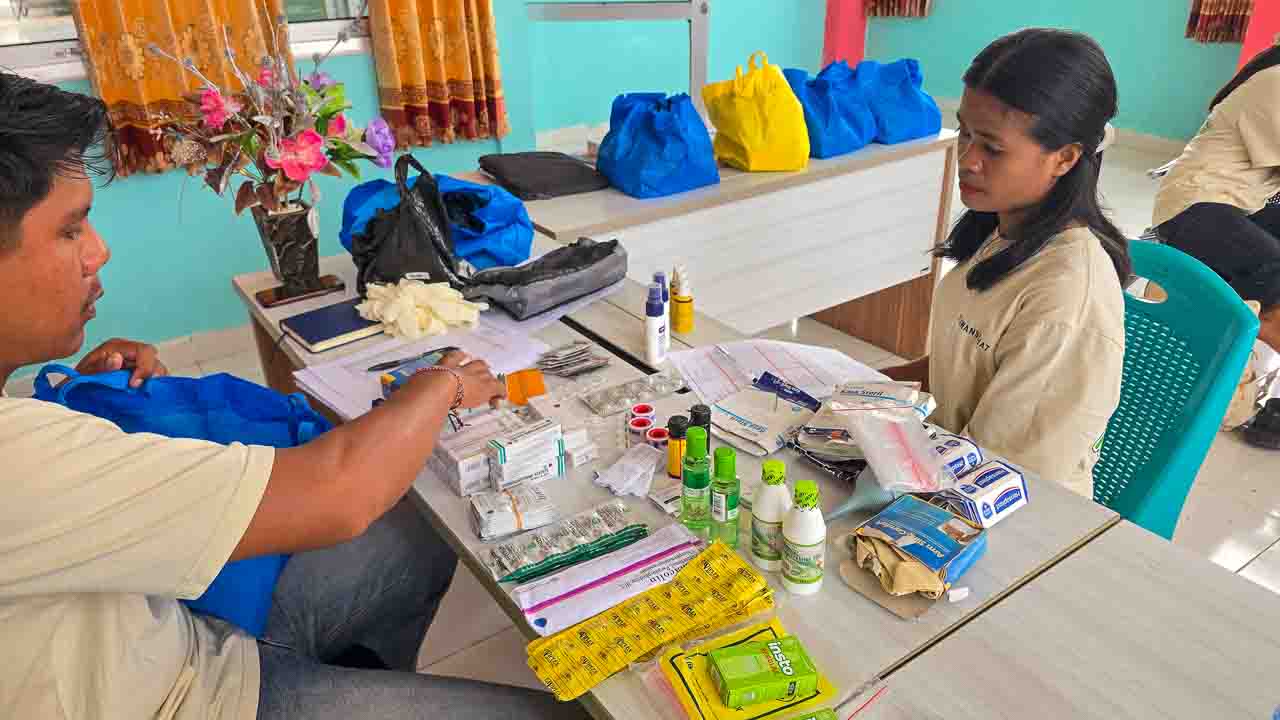
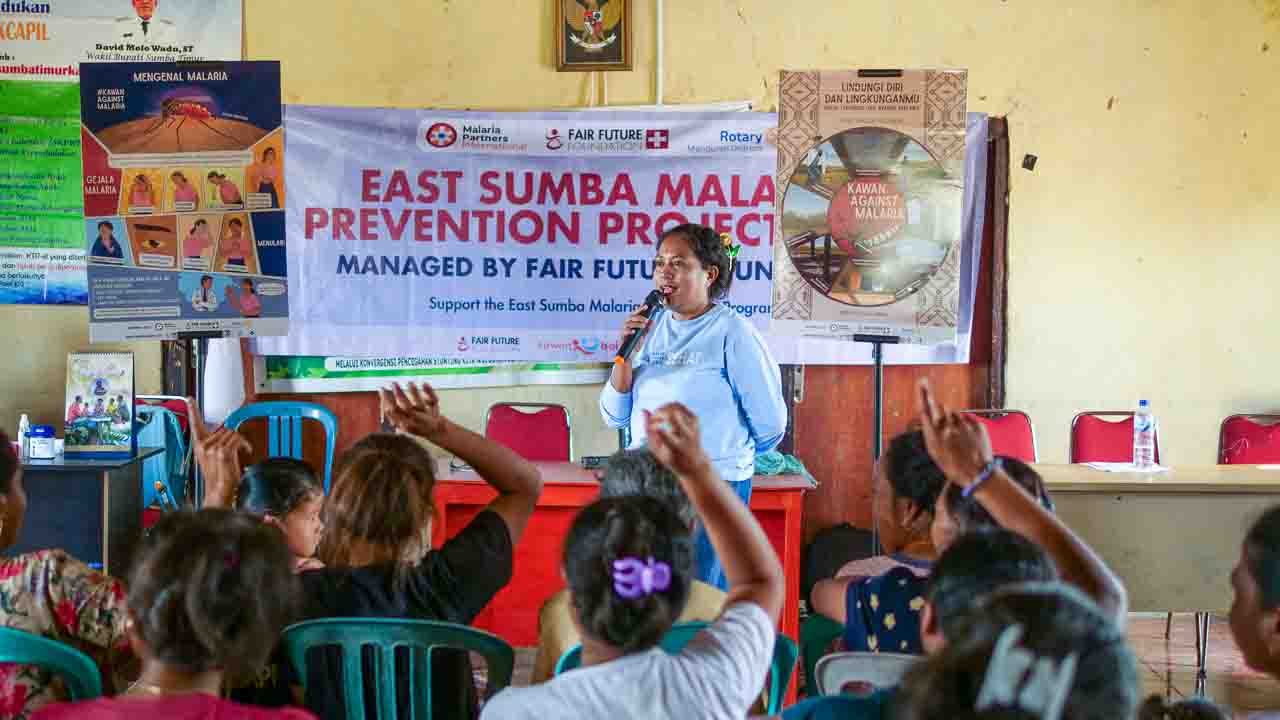
Our teams combine education with field observation and screening. In malaria work, prevention includes bed nets, vector control, testing and community awareness. For tuberculosis, persistent cough and other warning signs need early investigation rather than repeated empirical treatment.
Related work includes Kawan contre le paludisme, Prévention de la septicémie and our medical work on community health prevention in East Sumba.
Vaccination and early recognition prevent severe disease through different mechanisms
Vaccination prevents specific infections or reduces their severity before exposure occurs. Early detection acts later, by identifying disease soon enough for treatment or referral to remain effective. Both are essential in communities where delays can be long.
Vaccination awareness requires clear explanations, reliable access and respect for local questions. Early detection requires people who can recognise danger signs and know what action should follow.
Our work with children is described in Preventable Diseases in Children, while Kawan Sehat agents provide an important local link between families and formal healthcare.
Information must be clear enough to use at home
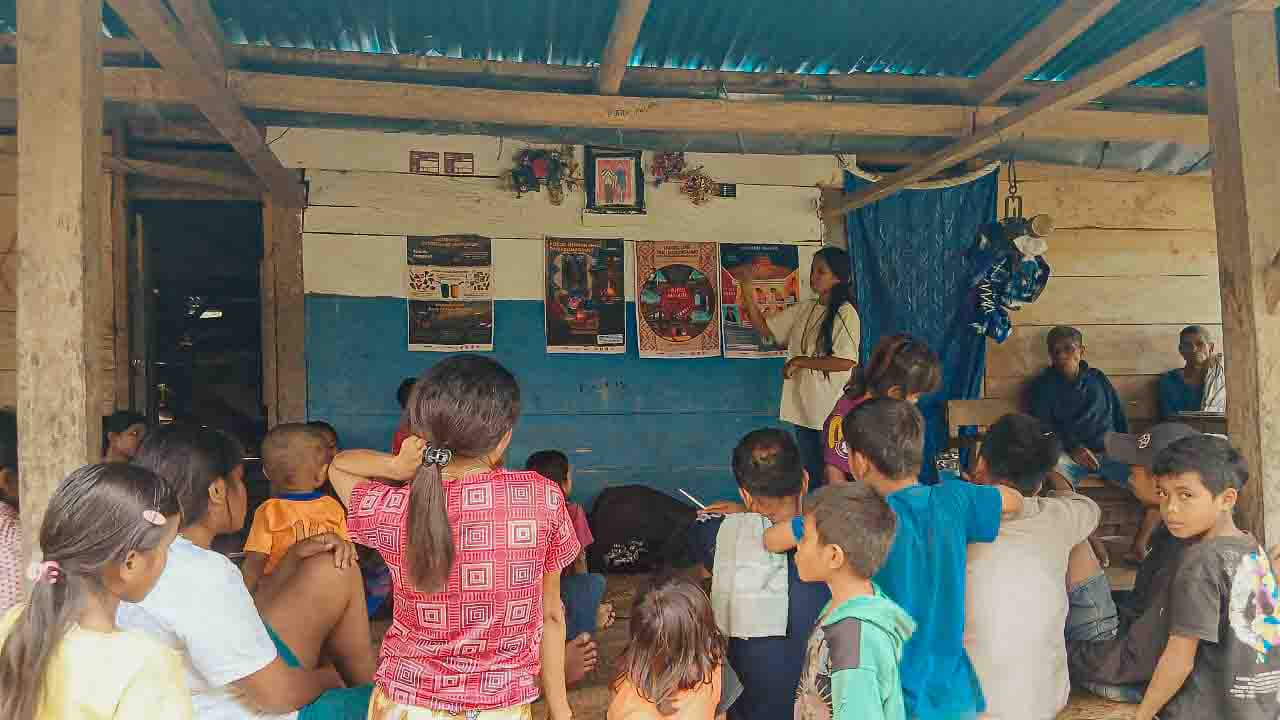
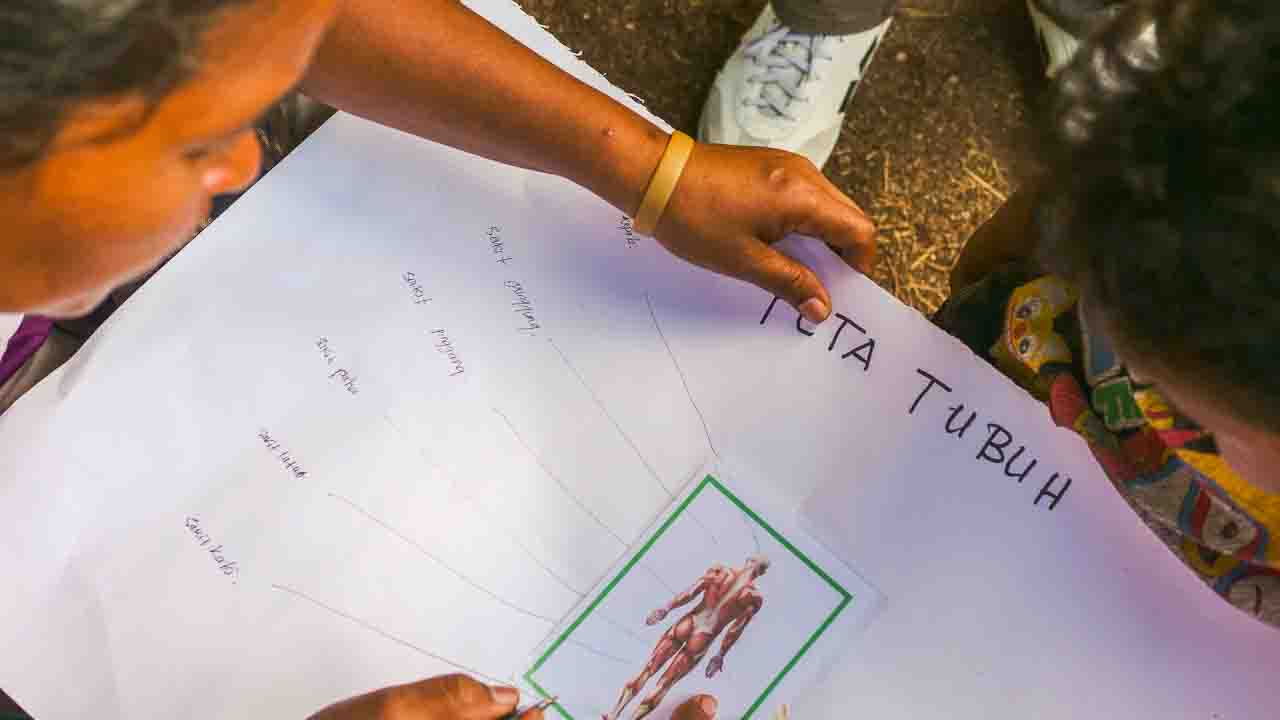
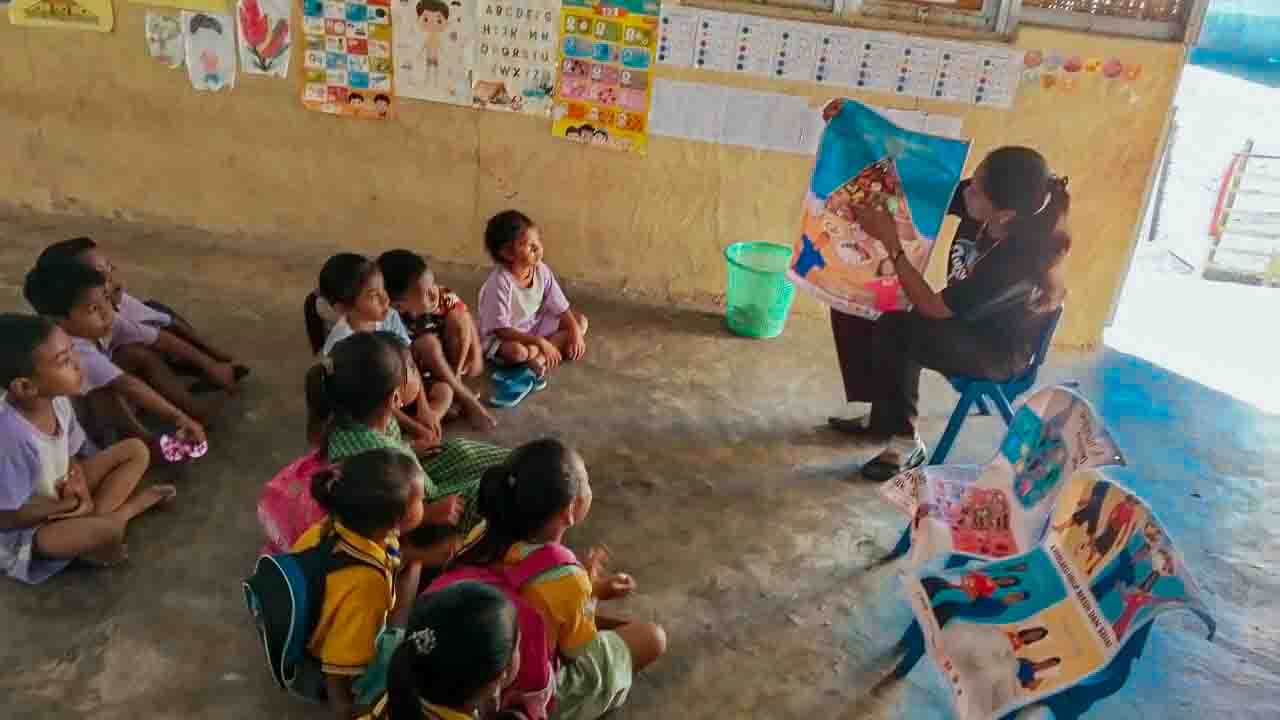
Health education is effective only when families can translate it into action. We use visual materials, demonstrations and direct discussion rather than relying on written instructions alone.
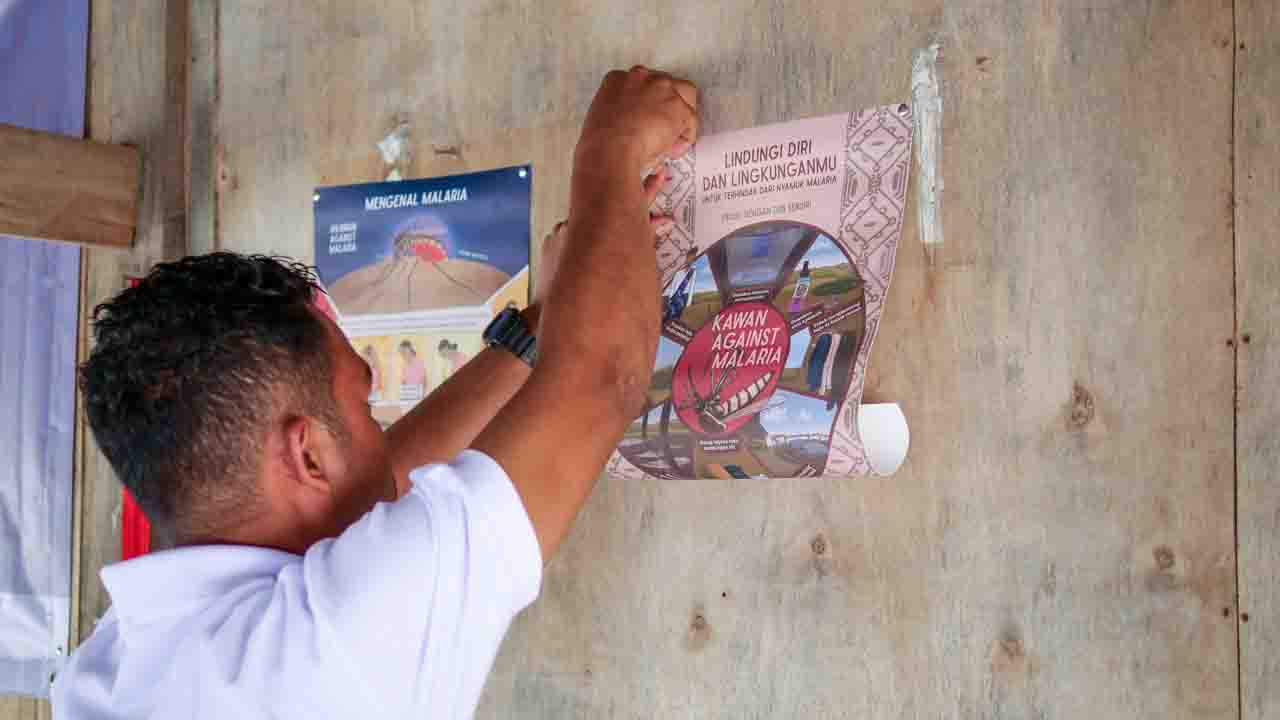
Topics include hand hygiene, nutrition, malaria, tuberculosis, tobacco, alcohol, waste, HIV and other locally relevant risks. The purpose is not to distribute posters. The posters support a conversation in which people can ask questions and relate medical information to daily life.
See our health education posters et health guides and books.
Community health agents make prevention continuous
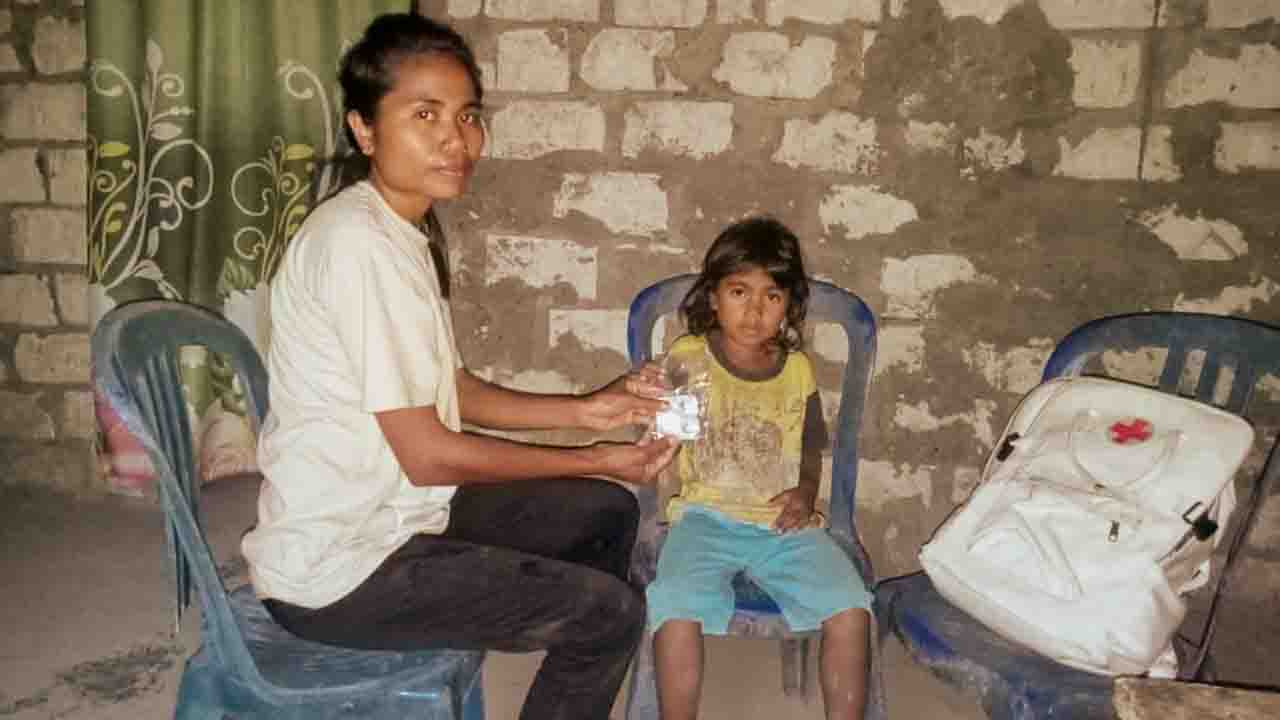
Kawan Sehat agents live close to the families they support. Their role includes prevention, basic assessment, danger-sign recognition, defined first-line care and referral identification. Their proximity allows health information to be repeated and adapted to the household rather than delivered once from outside.
Agents receive training, supplies and medical supervision. Prevention is therefore connected to clinical responsibility: when education is no longer enough, the agent can escalate a case for medical advice or referral.
Learn more about the Kawan Sehat programme and a recent example of community health worker practice in East Sumba.
Prevention requires repetition, observation and adaptation
Disease patterns change with seasons, rainfall, mobility, vaccination coverage and local living conditions. Prevention cannot remain static. What matters in one village or season may need to change several months later.
Repeated visits and case reporting help teams identify recurring problems, possible clusters and gaps in prevention. Surveillance at community level does not replace formal epidemiological systems, but it can provide early signals that deserve investigation.
This is also why prevention is linked to our work on climate change and health and to the long-term structure of Primary Medical Care.
Disease Prevention in the Field