


Spenden
Support Care
Artikel & News
Feldgeschichten
Glossar
Feldführer
Water, Health & Infrastructure
Water Connections in Laindatang & Hambarita
Since 2022, two neighbouring villages and Fair Future Foundation have built the roads, reservoirs and local systems that keep safer water closer to families.
- Working together since 2022
- 115,000-litre community reservoir
- Household ferrocement tanks
Water begins with the people who live here
Laindatang and Hambarita are not project sites on a map. After four years of work, they are part of our daily field life. Families have repaired access roads, carried materials, built ferrocement tanks and organised the care of shared water systems. The infrastructure works because responsibility remains inside the villages.
Das Programm
A water system built with the village
In this dry part of East Sumba, water access shapes infection risk, nutrition, hygiene, school attendance and the time families can give to work and food production.
Work began in 2022 with the understanding that a tank alone would not solve the problem. The programme had to connect catchment roofs, first-flush systems, filtration, storage, protected taps, access roads and local maintenance. In Laindatang, this led to a 115-cubic-metre community reservoir. In Laindatang and Hambarita together, around twenty household ferrocement reservoirs bring water closer to families.
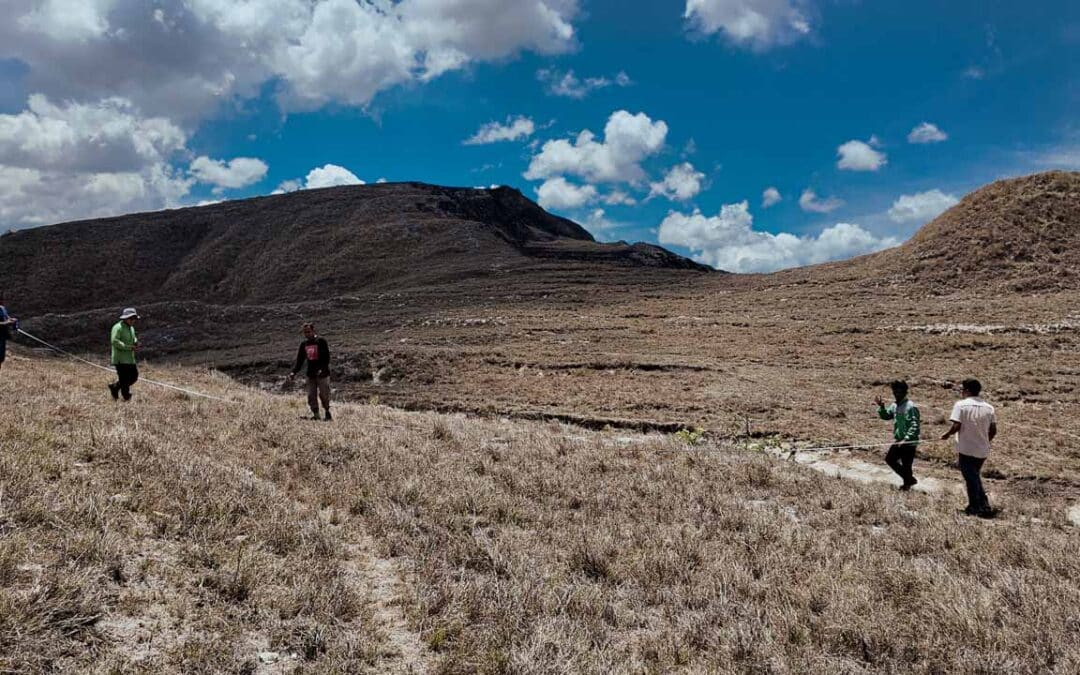
The work has required patience. Roads were rebuilt so trucks and materials could reach the villages. A groundwater attempt continued for nine months without producing a reliable supply. The failure was documented, the plan changed and the work continued. A new possible borehole location has since been identified for technical validation.
A large semi-buried reservoir in Laindatang protects filtered rainwater for the wider community.
Ferrocement tanks across the two villages bring stored water closer to daily family life.
Construction, road access, maintenance and new phases have continued with the community since 2022.
A new storage reservoir for Hambarita is being considered, subject to engineering and funding.
From a field constraint to daily water
How water reaches a family
A safe water system is a chain. Access, construction, clean catchment, protected storage, maintenance and household practice must work together.
Listen and map the need
Families identify water routes, roof surfaces, dry-season pressure, available land and the people who will care for each system.
Make access possible
Roads, slopes and delivery routes are repaired before cement, steel, pipes and filters can reach the construction site.
Capture and protect rain
Gutters, first-flush devices and filtration reduce contamination before water enters a reservoir.
Store water close to home
The community reservoir and household tanks protect useful rain for cooking, hygiene and the dry months.
Maintain and adapt
Families clean, inspect and repair the systems. Field teams document failures and change the plan when evidence requires it.
Responsibility must remain shared
Infrastructure works when ownership and safety stay together
The village brings knowledge, labour and long-term care. Fair Future brings engineering, materials, water-safety measures and the obligation to recognise technical limits.
What the community makes possible
- Choose land and agree how shared water will be used
- Repair access routes and help move materials into the villages
- Build with local masons and families throughout construction
- Name caretakers for tanks, roofs, gutters, filters and taps
- Report cracks, contamination risks, damaged pipes and empty reserves
- Use available water for hygiene, household needs and small food gardens
What requires technical responsibility
- Structural design, reinforcement and safe ferrocement construction
- Catchment sizing, first flush, filtration and protected distribution
- Water-quality testing and corrective action when contamination is found
- Engineering review before a new large reservoir is built
- Hydrogeological validation before another borehole attempt begins
- Transparent reporting of cost, failure, maintenance and work still unfinished

The 115 m³ reservoir is one part of a wider village system that includes roads, roofs, filters, household tanks, protected taps and local maintenance.
The infrastructure behind each litre
Built for repair, daily use and the dry season
Useful infrastructure must fit the land and the people who maintain it. Ferrocement can be built and repaired locally. Gravity reduces dependence on pumps. Roof catchment protects short rain events that would otherwise be lost. Every part has to remain understandable and maintainable inside the village.
Ferrocement storage
Reinforced mesh and cement create durable reservoirs that local builders can inspect and repair.
Roof catchment
Gutters and first-flush devices collect rain while diverting the most contaminated initial flow.
Filtration and taps
Filters, protected outlets and clean handling reduce contamination between the roof and the household.
Roads and logistics
Excavators, trucks, repaired tracks and manual carrying make construction possible where access is fragile.
Welche Änderungen in der Praxis
Safer water changes the whole day
Water is closer to home
Families spend less time walking and carrying water over difficult ground, especially during the dry season.
Household storage is safer
Protected catchment, filtration and closed reservoirs reduce reliance on open or visibly contaminated sources.
Children regain time
When water collection is less dominant, there is more space for school, hygiene, rest and care inside the family.
Food gardens become possible
Carefully managed water gives households a small but important margin for vegetables and daily nutrition.
Water & healthWater Connections programmeSee the wider programme linking safe water, disease prevention, nutrition and community infrastructure.
GemeinschaftEight Hambarita reservoirsSee how named household tanks were built with families and local caretakers.
FeldbereicheLaindatang filtration systemUnderstand the catchment, filtration and storage safeguards behind the reservoir.
Field archiveLaindatang and Hambarita reportsOpen the complete archive of construction, access, maintenance and water updates.
Live FeldaufzeichnungFeldbesprechung aus OstindienFollow short, dated reports from water work, health, logistics and community life.
Feldhandbuch & GlossarWater and hygiene, explainedExplore practical terms behind rainwater capture, filtration, storage and safe household use.
Medizinisches ReferenzmaterialWHO drinking-water guidanceRead the public-health evidence connecting safe water with infection prevention and health.
Live aus dem Feld
Water Field Notes, as the work happens
Two recent signals from water, construction and village life in Eastern Indonesia. These notes refresh automatically when a relevant Field Note is published.
Direkt vom Feld
Latest Laindatang and Hambarita reports
These reports document the work as it happens: road access, rainwater capture, reservoir construction, filtration, maintenance, local decisions, technical limits and the next phases.
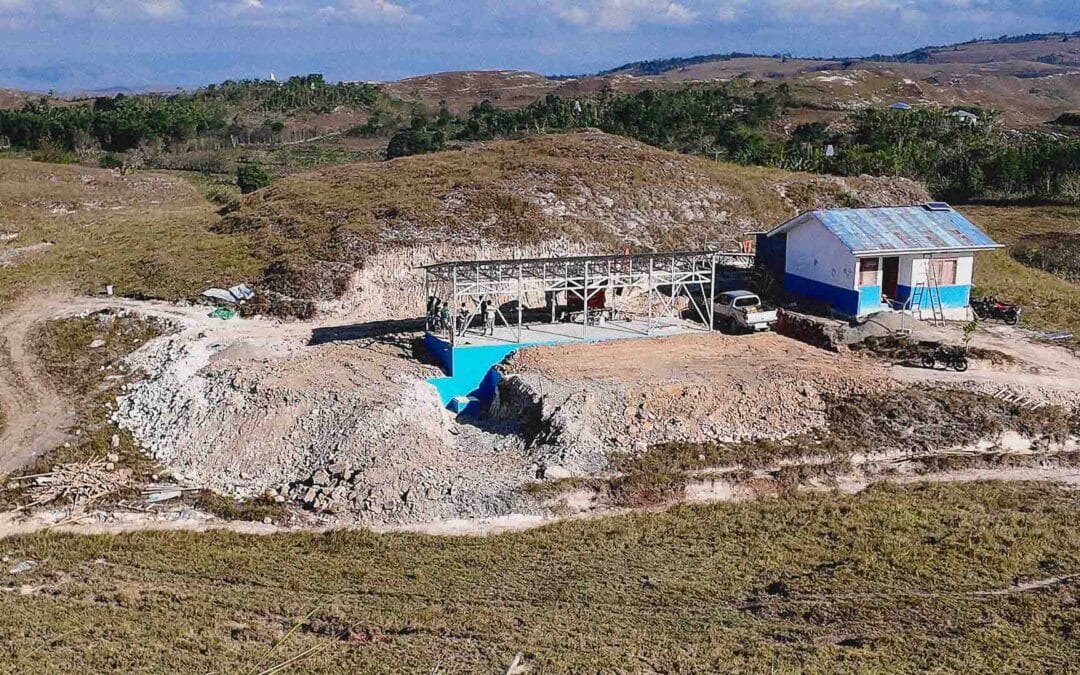
Unübertroffenes Laindatang Regenwasserreservoir
Fair Future errichtete in abgelegener Lage Laindatang im Osten von Sumba ein 115.000 Liter großes Reservoir mit dreifachem Filter für Regenwasser, um extreme Bedingungen zu überwinden und sauberes Wasser und eine gesunde Lebensweise zu gewährleisten.
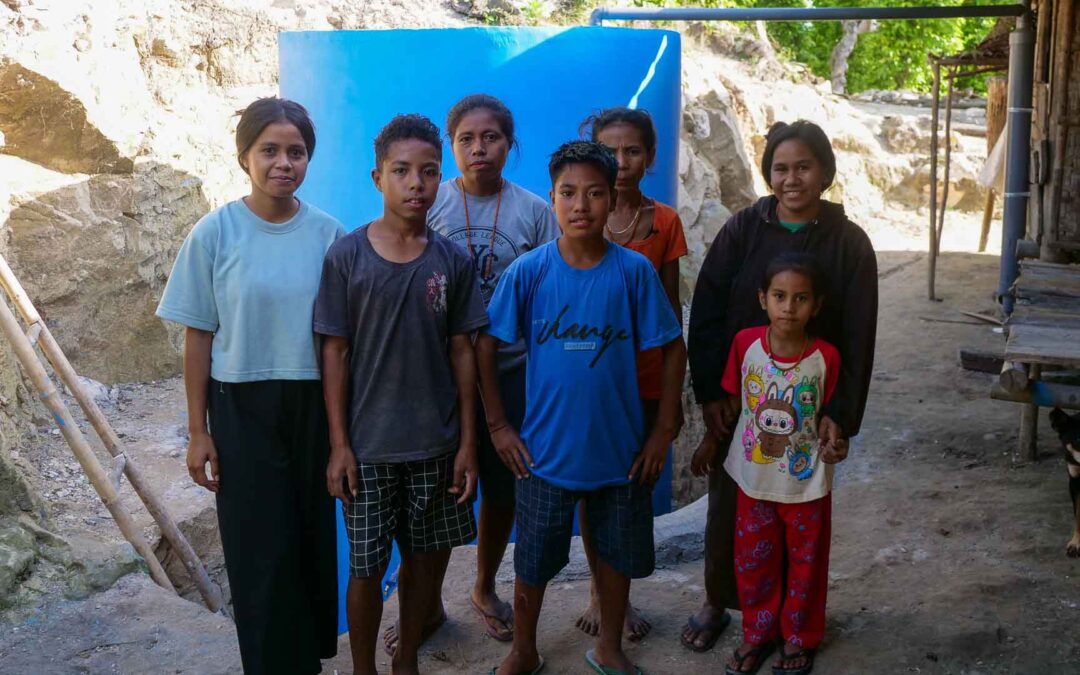
Eisenbeton-Tanker liefern sauberes Wasser Hambarita
Seit Laindatang 2010 liefern acht Ferrocement-Reservoirs sauberes Wasser und tragen so zur Verbesserung der Gesundheit und zur Verringerung von Krankheiten bei. Mit dem Bau eines Tanks mit einer Kapazität von 113 m³ wird dieses Projekt das Leben von Hunderten Menschen in einer ultra-ländlichen Gemeinde verändern.

Massive humanitäre Mission beginnt in Ostindonesien
Eine fünfmonatige humanitäre Mission beginnt in Sumba und bringt medizinische Versorgung, Zugang zu Wasser und Solarenergie in abgelegene Gemeinden. Fair Future liefert 3 Tonnen Hilfsgüter, startet eine Malaria-Studie und errichtet lebenswichtige Infrastrukturen, um Leben zu verbessern dort, wo Hilfe am dringendsten benötigt wird.
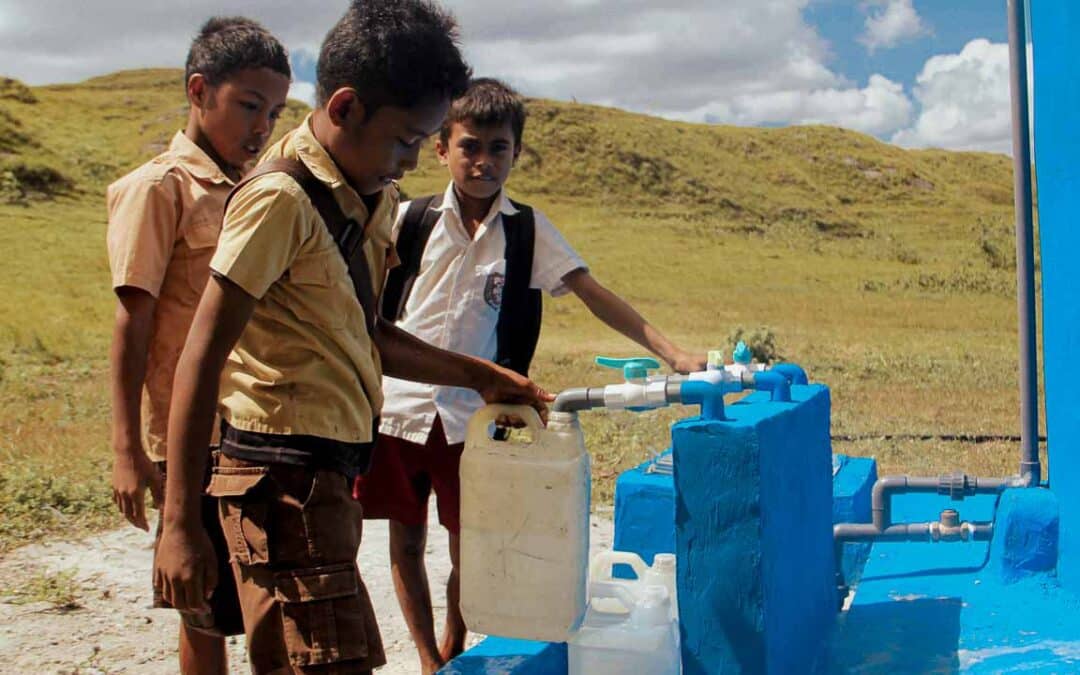
Stiftung „Clean Water for s Last Four Reservoirs Laindatang“
Seit drei Jahren baut Fair Future Wasserreservoirs, Laindatang um einen Zugang zu sauberem Wasser zu gewährleisten. Vier abgelegene Familien haben jedoch weiterhin Schwierigkeiten. Mit nur vier zusätzlichen Reservoirs könnten wir diese wichtige Arbeit abschließen.
Der Bau eines Wasserspeichers mit einer Kapazität von 110.000 Litern Laindatang
Im Mai 2025 soll Fair Future Laindatang in einem abgelegenen Dorf mit einer Einwohnerzahl von 300 Personen ein Wasserreservoir mit einer Kapazität von 110.000 Litern errichten. Ziel dieser Initiative ist es, 300 Einwohnern – darunter 100 Kinder – nachhaltig Zugang zu sauberem Wasser zu ermöglichen, indem Regenwasser gesammelt und mithilfe von Filtrationsmethoden verarbeitet wird…

Phase III: Laindatang Water Connections Bericht
Der Phase-III- Laindatang Water Connections Bericht beschreibt neun Monate intensiver Arbeit zur Bewältigung der Wasserkrise in Ost-Sumba. Trotz zahlreicher Herausforderungen sind sich die Gemeinde und Fair Future fest entschlossen, diese zu überwinden und haben innovative Pläne für einen 100 m³ großen Speicher vorgeschlagen, der bis 2025 errichtet werden soll und eine nachhaltige Wasserversorgung garantiert…

Der Bau eines Wasserspeicherwerks in der trockenen Ostsumba
Die geplante Bauvorhaben von Fair Future, nämlich die Errichtung eines 110 m³ großen Wasserspeichers in Ost-Sumba, wird dazu beitragen, die gravierende Wasserknappheit zu bewältigen. Dieses wichtige Projekt, sofern es fertiggestellt wird, wird Regenwasser für fast 300 Menschen, darunter 100 Kinder, speichern und so den Zugang zu sauberem Wasser in einer der trockensten Regionen der Welt gewährleisten.

Sanierungsanlagen für Gesundheit und Würde
Fair Future errichtet Toiletten und Waschmöglichkeiten in abgelegenen Gebieten im Osten von Sumba, um die Hygiene zu verbessern, die gesundheitlichen Risiken im Zusammenhang mit sanitären Einrichtungen zu reduzieren und die Würde wiederherzustellen, wo grundlegende Dienstleistungen knapp sind.

Laindatang Bohrungen eingestellt: neuer Plan zur Regenwassereinziehung
Nach neun Monaten Bohrarbeiten Laindatang hat Fair Future aufgrund von Sicherheitsbedenken und technischen Herausforderungen die Aktivitäten eingestellt. Der Fokus liegt nun auf der Einrichtung eines Regenwasser-Recycling-Systems, um dem Dorf sauberes Wasser zur Verfügung zu stellen.

Haarschnitte und Hygiene: Kinder in ultra-ländlichen Regionen Laindatang
In the rural area of Laindatang, children use one pair of old scissors to cut each other’s hair as part of our hygiene initiative. This teaches them self-care skills and brings joy despite the challenging conditions.

Ungesicherte Räume in gesunde Umgebungen verwandeln
Die Renovierung unsicherer Schultoiletten sowie die Verbesserung der Versorgung mit sauberem Wasser und der Hygiene in ländlichen Gebieten von East Sumba verringern die gesundheitlichen Risiken im Zusammenhang mit sanitären Einrichtungen und schaffen sichererere Lernumgebungen.

Laindatang Tiefbrunnen-Tests – Hoffnung auf sauberes Wasser
Fair Future continues its groundbreaking work in Laindatang, one of the driest regions in the world. During this crucial test phase of deep well drilling, the goal is to provide access to vital water for over 600 people, including many children. Our team is dedicated to ensuring that these remote communities can flourish through improved health…
Verantwortung
Water systems must remain measurable, maintained and transparent
We document what is built, how much water can be stored, what fails, what requires repair and what remains unfinished. The next work may include a new 80,000 to 100,000-litre reservoir in Hambarita, solar energy for the school and another groundwater attempt after technical validation. Each phase depends on evidence, local responsibility and available resources.
