


Spenden
Support Care
Artikel & News
Feldgeschichten
Glossar
Feldführer
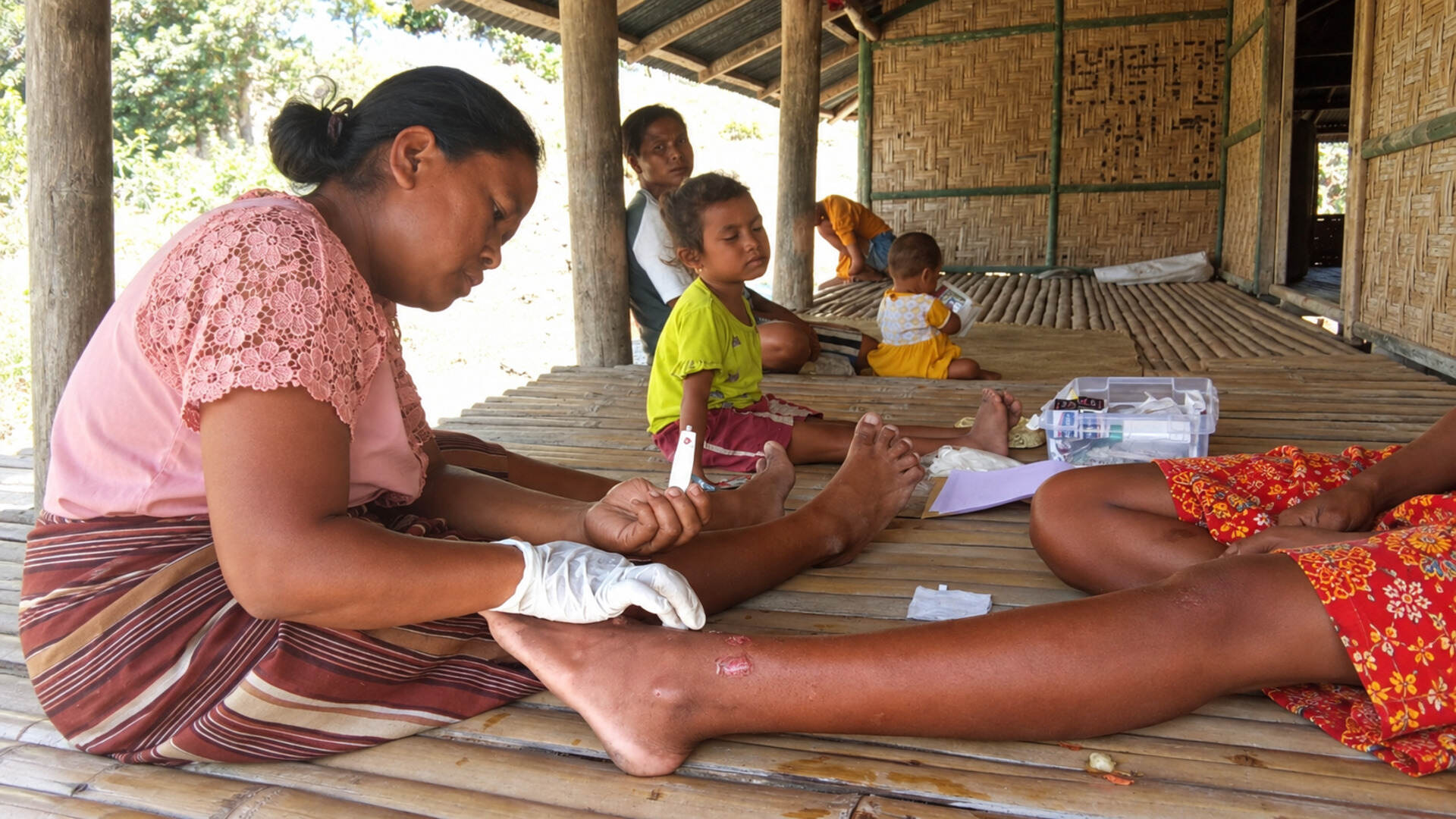
Water, Health & Infrastructure
Water Connections in Laindatang & Hambarita
Since 2022, two neighbouring villages and Fair Future Foundation have built the roads, reservoirs and local systems that keep safer water closer to families.
- Working together since 2022
- 115,000-litre community reservoir
- Household ferrocement tanks
Water begins with the people who live here
Laindatang and Hambarita are not project sites on a map. After four years of work, they are part of our daily field life. Families have repaired access roads, carried materials, built ferrocement tanks and organised the care of shared water systems. The infrastructure works because responsibility remains inside the villages.
Das Programm
A water system built with the village
In this dry part of East Sumba, water access shapes infection risk, nutrition, hygiene, school attendance and the time families can give to work and food production.
Work began in 2022 with the understanding that a tank alone would not solve the problem. The programme had to connect catchment roofs, first-flush systems, filtration, storage, protected taps, access roads and local maintenance. In Laindatang, this led to a 115-cubic-metre community reservoir. In Laindatang and Hambarita together, around twenty household ferrocement reservoirs bring water closer to families.
The work has required patience. Roads were rebuilt so trucks and materials could reach the villages. A groundwater attempt continued for nine months without producing a reliable supply. The failure was documented, the plan changed and the work continued. A new possible borehole location has since been identified for technical validation.
A large semi-buried reservoir in Laindatang protects filtered rainwater for the wider community.
Ferrocement tanks across the two villages bring stored water closer to daily family life.
Construction, road access, maintenance and new phases have continued with the community since 2022.
A new storage reservoir for Hambarita is being considered, subject to engineering and funding.
From a field constraint to daily water
How water reaches a family
A safe water system is a chain. Access, construction, clean catchment, protected storage, maintenance and household practice must work together.
Listen and map the need
Families identify water routes, roof surfaces, dry-season pressure, available land and the people who will care for each system.
Make access possible
Roads, slopes and delivery routes are repaired before cement, steel, pipes and filters can reach the construction site.
Capture and protect rain
Gutters, first-flush devices and filtration reduce contamination before water enters a reservoir.
Store water close to home
The community reservoir and household tanks protect useful rain for cooking, hygiene and the dry months.
Maintain and adapt
Families clean, inspect and repair the systems. Field teams document failures and change the plan when evidence requires it.
Responsibility must remain shared
Infrastructure works when ownership and safety stay together
The village brings knowledge, labour and long-term care. Fair Future brings engineering, materials, water-safety measures and the obligation to recognise technical limits.
What the community makes possible
- Choose land and agree how shared water will be used
- Repair access routes and help move materials into the villages
- Build with local masons and families throughout construction
- Name caretakers for tanks, roofs, gutters, filters and taps
- Report cracks, contamination risks, damaged pipes and empty reserves
- Use available water for hygiene, household needs and small food gardens
What requires technical responsibility
- Structural design, reinforcement and safe ferrocement construction
- Catchment sizing, first flush, filtration and protected distribution
- Water-quality testing and corrective action when contamination is found
- Engineering review before a new large reservoir is built
- Hydrogeological validation before another borehole attempt begins
- Transparent reporting of cost, failure, maintenance and work still unfinished

The 115 m³ reservoir is one part of a wider village system that includes roads, roofs, filters, household tanks, protected taps and local maintenance.
The infrastructure behind each litre
Built for repair, daily use and the dry season
Useful infrastructure must fit the land and the people who maintain it. Ferrocement can be built and repaired locally. Gravity reduces dependence on pumps. Roof catchment protects short rain events that would otherwise be lost. Every part has to remain understandable and maintainable inside the village.
Ferrocement storage
Reinforced mesh and cement create durable reservoirs that local builders can inspect and repair.
Roof catchment
Gutters and first-flush devices collect rain while diverting the most contaminated initial flow.
Filtration and taps
Filters, protected outlets and clean handling reduce contamination between the roof and the household.
Roads and logistics
Excavators, trucks, repaired tracks and manual carrying make construction possible where access is fragile.
Welche Änderungen in der Praxis
Safer water changes the whole day
Water is closer to home
Families spend less time walking and carrying water over difficult ground, especially during the dry season.
Household storage is safer
Protected catchment, filtration and closed reservoirs reduce reliance on open or visibly contaminated sources.
Children regain time
When water collection is less dominant, there is more space for school, hygiene, rest and care inside the family.
Food gardens become possible
Carefully managed water gives households a small but important margin for vegetables and daily nutrition.
Water & healthWater Connections programmeSee the wider programme linking safe water, disease prevention, nutrition and community infrastructure.
GemeinschaftEight Hambarita reservoirsSee how named household tanks were built with families and local caretakers.
FeldbereicheLaindatang filtration systemUnderstand the catchment, filtration and storage safeguards behind the reservoir.
Field archiveLaindatang and Hambarita reportsOpen the complete archive of construction, access, maintenance and water updates.
Live FeldaufzeichnungFeldbesprechung aus OstindienFollow short, dated reports from water work, health, logistics and community life.
Feldhandbuch & GlossarWater and hygiene, explainedExplore practical terms behind rainwater capture, filtration, storage and safe household use.
Medizinisches ReferenzmaterialWHO drinking-water guidanceRead the public-health evidence connecting safe water with infection prevention and health.
Live aus dem Feld
Water Field Notes, as the work happens
Two recent signals from water, construction and village life in Eastern Indonesia. These notes refresh automatically when a relevant Field Note is published.
Direkt vom Feld
Latest Laindatang and Hambarita reports
These reports document the work as it happens: road access, rainwater capture, reservoir construction, filtration, maintenance, local decisions, technical limits and the next phases.

Das #WaterConnections Projekt Laindatang ist begonnen!
Fair Future beginnt Water Connections in Laindatang, wo Familien mit schwerer Wasserknappheit und langen täglichen Fahrten zur Wasserbeschaffung zu kämpfen haben.

Wasser und sanitäre Einrichtungen sind entscheidend im Kampf gegen Malaria.
Sauberes Wasser, sanitäre Einrichtungen und Hygiene fördern gesündere Lebensbedingungen sowie die Prävention von Malaria, die Bekämpfung von Vektoren und den Zugang zu medizinischer Versorgung.

Kullup ist ein Loch in der Felswand, in dem Regenwasser gesammelt wird.
Kinder Laindatang wandern zu traditionellen Felsbecken, die Kullup genannt werden, um knapp vorhandenes Regenwasser von weit her zu sammeln.
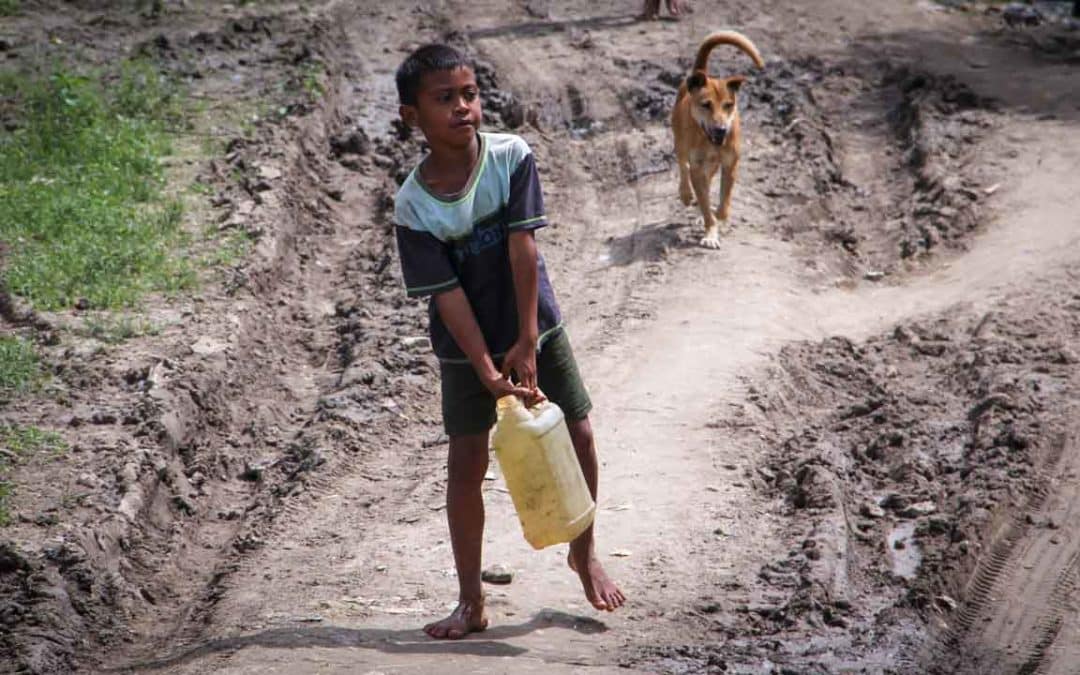
Der Zugang zu sauberem Wasser ist von entscheidender Bedeutung für die menschliche Gesundheit.
Kinder in abgelegener East Sumba müssen oft lange Strecken zurücklegen, um Wasser zu holen. Ein besserer Zugang reduziert die tägliche Belastung und trägt zur Verbesserung der Hygiene und der Gesundheit bei.

Das Leben ins Dorf bringen Laindatang
Die derzeitige Priorität in diesem Dorf ist es, ihnen sauberes und sichereres Wasser und sanitäre Einrichtungen zu bieten. Hier müssen Familien Meilen zurücklegen, manchmal sogar mehr als 10 Stunden, um ein paar Liter sauberes Wasser nach Hause zu bringen. Die Menschen hier haben weniger als 2 Liter pro Tag und nur eine Person zur Trink-, Ess- und Toilettenspende. Deshalb müssen Sie Opfer bringen.
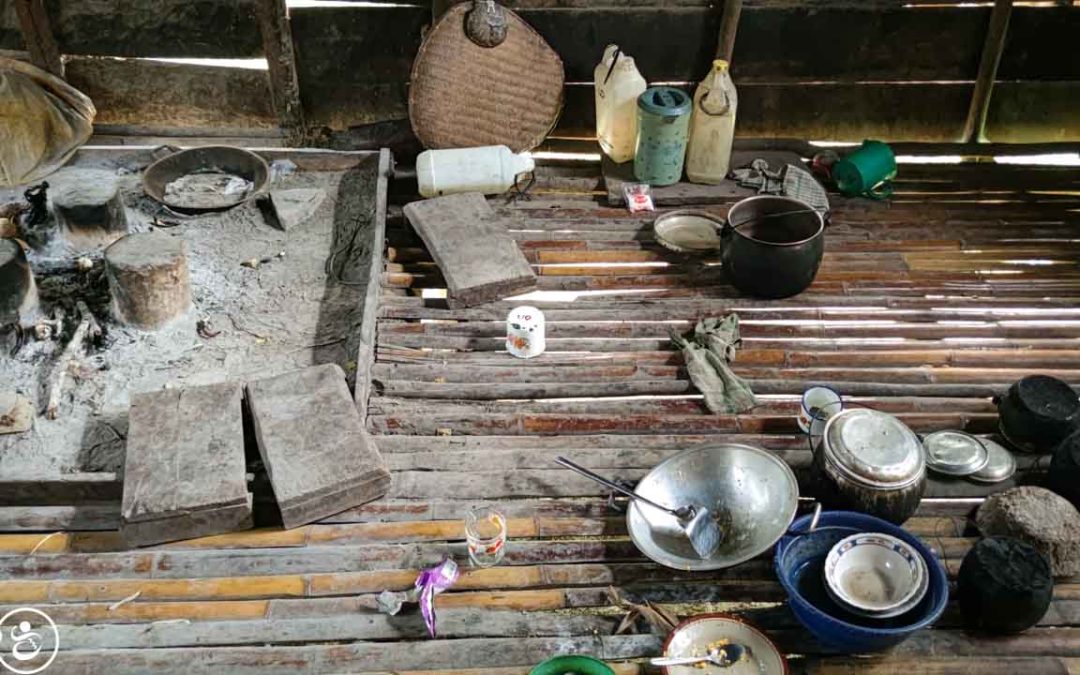
Wie sieht eine Küche ohne Essen und Wasser aus?
Ein Küchenbild aus einer Haushaltküche Laindatang zeigt die tägliche Realität von Nahrungsmittelunsicherheit und dem begrenzten Zugang zu Wasser in ländlicher Ost-Sumba.
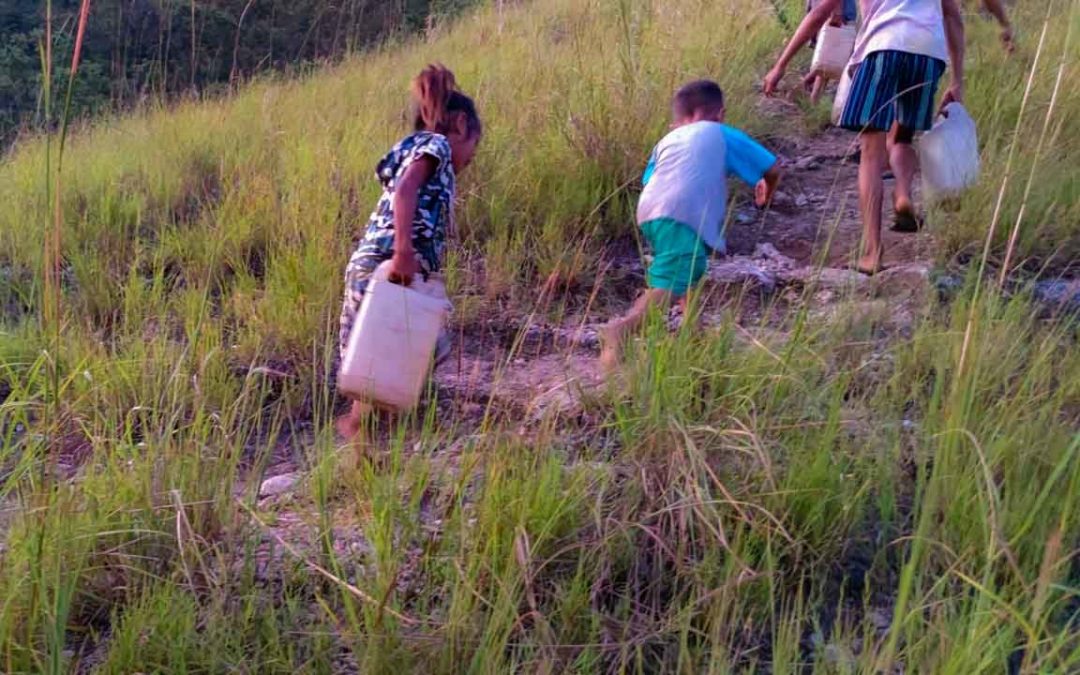
Kinder müssen hier schon ab dem Alter von fünf Jahren Wasser holen!
In abgelegenen Dörfern im Osten von Sumba wandern kleine Kinder oft lange Strecken hinunter, um Wasser für ihre Familien zu holen.
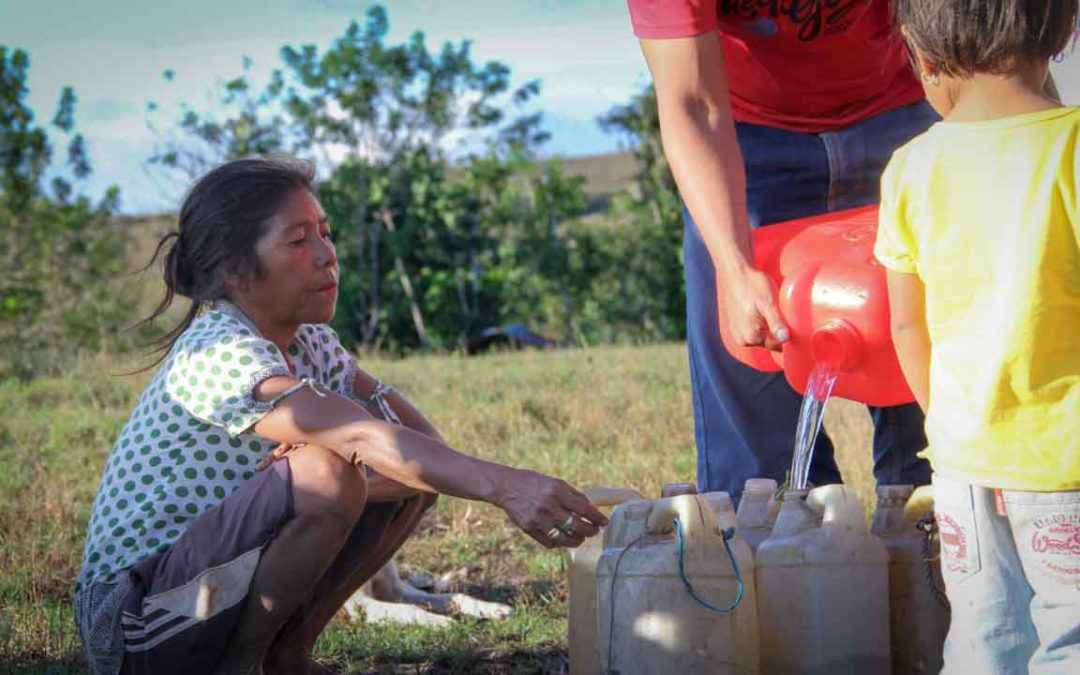
East Sumba, ein Dorf ohne sauberes Wasser!
Familien sind mit einer schweren Wasserknappheit Laindatang konfrontiert und machen daher die Bereitstellung sicherer Trinkwasser und sanitärer Einrichtungen zu einer zentralen Priorität des Water Connections Projekts.

Water Connections Projekt in Laindatang
Das Water Connections Projekt „ Laindatang Site“ hat bei uns derzeit höchste Priorität. Es Laindatang ist ein Dorf ohne Wasser. Alle sind krank und haben nicht genug zu essen und zu trinken. Die Kinder sind untergewichtig, ebenso die Erwachsenen. Wir müssen für diese Hunderte von Menschen handeln und ihnen Zugang zu sauberem Wasser verschaffen.

Projekt der Tiefbohrung in Laindatang
Im Herzen von Ost-Sumba liegt das Laindatang Dorf. 250 Menschen leben hier unter extremen Bedingungen, die vor allem auf die fehlende Wasser- und Nahrungsmittelversorgung zurückzuführen sind, aber nicht nur 😒.

Water Connections aus der Luft – 04. Oktober 2022
Die gesundheitliche Belastung durch Wasser von minderwertiger Qualität ist enorm, und die Bereitstellung sauberer Wasser für eine so große Bevölkerung ist eine erhebliche Herausforderung. Indonesien, insbesondere der Osten dieses riesigen Landes, zeichnet sich durch eine Ungleichheit in der Bewusstseinsschwelle und der sozioökonomischen Entwicklung aus. Daher leisten unsere beiden Stiftungen ihr Möglichstes.

Wir führten unsere erste Tiefbohrung mit unserer eigenen Maschine durch.
Bis letzte Woche hatten die 264 Schüler dieser Schule in East Sumba kein Wasser mehr im Schulgebäude. Wie man sich vorstellen kann, führte dies zu unerwarteten sanitären Problemen für alle Kinder, die Lehrer und die Häuser in der Umgebung. Fair Future hat daher beschlossen, eine tiefe Brunnenbohrung in der hinteren Ecke der Schule zu graben, und dank unserer Detektion konnten wir diese Aufgabe erfolgreich durchführen…
Verantwortung
Water systems must remain measurable, maintained and transparent
We document what is built, how much water can be stored, what fails, what requires repair and what remains unfinished. The next work may include a new 80,000 to 100,000-litre reservoir in Hambarita, solar energy for the school and another groundwater attempt after technical validation. Each phase depends on evidence, local responsibility and available resources.
