


Donate
Support Care
Articles & News
Field stories
Glossary
Field guides
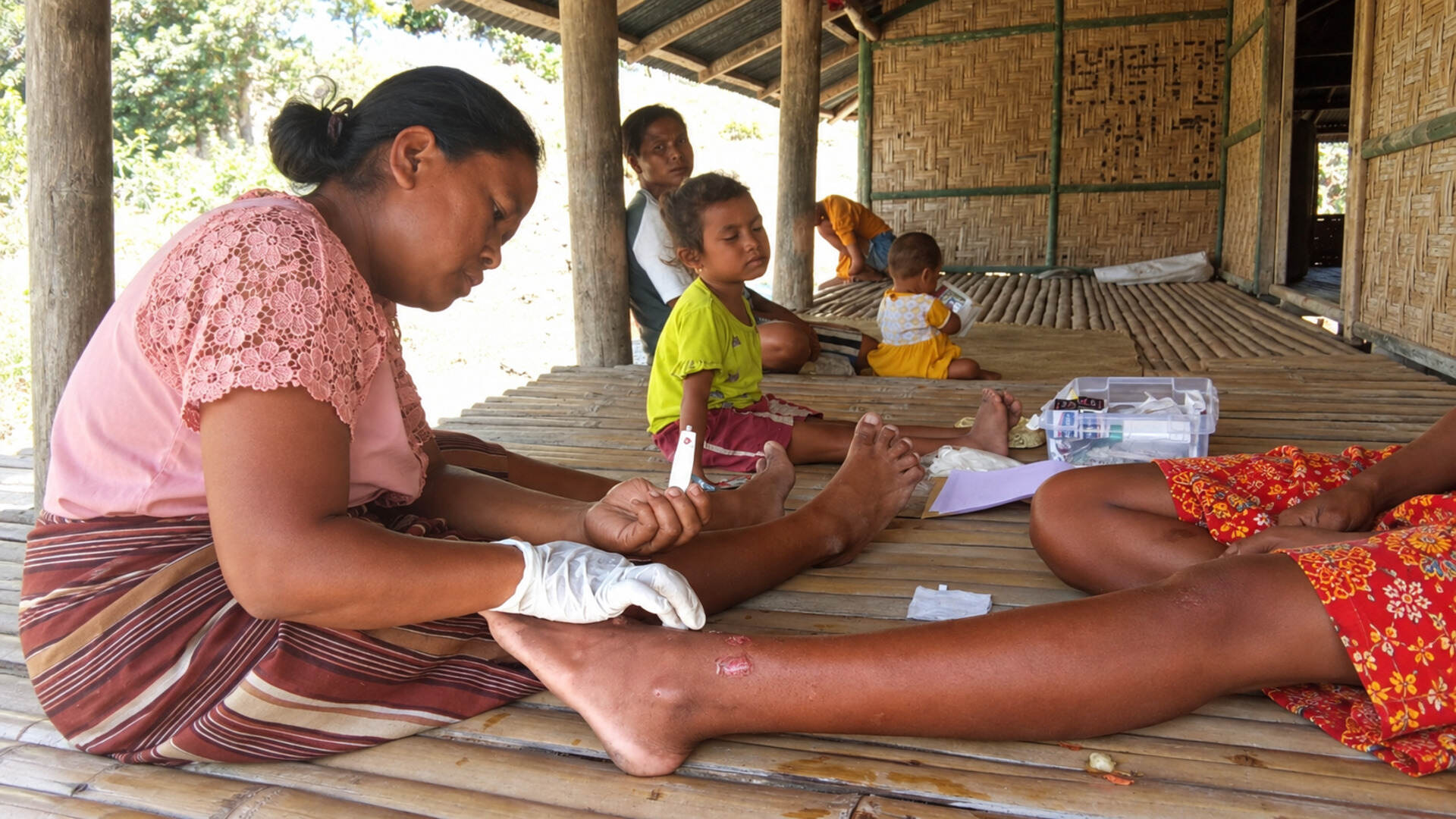
Water, Health & Infrastructure
Water Connections in Laindatang & Hambarita
Since 2022, two neighbouring villages and Fair Future Foundation have built the roads, reservoirs and local systems that keep safer water closer to families.
- Working together since 2022
- 115,000-litre community reservoir
- Household ferrocement tanks
Water begins with the people who live here
Laindatang and Hambarita are not project sites on a map. After four years of work, they are part of our daily field life. Families have repaired access roads, carried materials, built ferrocement tanks and organised the care of shared water systems. The infrastructure works because responsibility remains inside the villages.
The programme
A water system built with the village
In this dry part of East Sumba, water access shapes infection risk, nutrition, hygiene, school attendance and the time families can give to work and food production.
Work began in 2022 with the understanding that a tank alone would not solve the problem. The programme had to connect catchment roofs, first-flush systems, filtration, storage, protected taps, access roads and local maintenance. In Laindatang, this led to a 115-cubic-metre community reservoir. In Laindatang and Hambarita together, around twenty household ferrocement reservoirs bring water closer to families.
The work has required patience. Roads were rebuilt so trucks and materials could reach the villages. A groundwater attempt continued for nine months without producing a reliable supply. The failure was documented, the plan changed and the work continued. A new possible borehole location has since been identified for technical validation.
A large semi-buried reservoir in Laindatang protects filtered rainwater for the wider community.
Ferrocement tanks across the two villages bring stored water closer to daily family life.
Construction, road access, maintenance and new phases have continued with the community since 2022.
A new storage reservoir for Hambarita is being considered, subject to engineering and funding.
From a field constraint to daily water
How water reaches a family
A safe water system is a chain. Access, construction, clean catchment, protected storage, maintenance and household practice must work together.
Listen and map the need
Families identify water routes, roof surfaces, dry-season pressure, available land and the people who will care for each system.
Make access possible
Roads, slopes and delivery routes are repaired before cement, steel, pipes and filters can reach the construction site.
Capture and protect rain
Gutters, first-flush devices and filtration reduce contamination before water enters a reservoir.
Store water close to home
The community reservoir and household tanks protect useful rain for cooking, hygiene and the dry months.
Maintain and adapt
Families clean, inspect and repair the systems. Field teams document failures and change the plan when evidence requires it.
Responsibility must remain shared
Infrastructure works when ownership and safety stay together
The village brings knowledge, labour and long-term care. Fair Future brings engineering, materials, water-safety measures and the obligation to recognise technical limits.
What the community makes possible
- Choose land and agree how shared water will be used
- Repair access routes and help move materials into the villages
- Build with local masons and families throughout construction
- Name caretakers for tanks, roofs, gutters, filters and taps
- Report cracks, contamination risks, damaged pipes and empty reserves
- Use available water for hygiene, household needs and small food gardens
What requires technical responsibility
- Structural design, reinforcement and safe ferrocement construction
- Catchment sizing, first flush, filtration and protected distribution
- Water-quality testing and corrective action when contamination is found
- Engineering review before a new large reservoir is built
- Hydrogeological validation before another borehole attempt begins
- Transparent reporting of cost, failure, maintenance and work still unfinished

The 115 m³ reservoir is one part of a wider village system that includes roads, roofs, filters, household tanks, protected taps and local maintenance.
The infrastructure behind each litre
Built for repair, daily use and the dry season
Useful infrastructure must fit the land and the people who maintain it. Ferrocement can be built and repaired locally. Gravity reduces dependence on pumps. Roof catchment protects short rain events that would otherwise be lost. Every part has to remain understandable and maintainable inside the village.
Ferrocement storage
Reinforced mesh and cement create durable reservoirs that local builders can inspect and repair.
Roof catchment
Gutters and first-flush devices collect rain while diverting the most contaminated initial flow.
Filtration and taps
Filters, protected outlets and clean handling reduce contamination between the roof and the household.
Roads and logistics
Excavators, trucks, repaired tracks and manual carrying make construction possible where access is fragile.
What changes in practice
Safer water changes the whole day
Water is closer to home
Families spend less time walking and carrying water over difficult ground, especially during the dry season.
Household storage is safer
Protected catchment, filtration and closed reservoirs reduce reliance on open or visibly contaminated sources.
Children regain time
When water collection is less dominant, there is more space for school, hygiene, rest and care inside the family.
Food gardens become possible
Carefully managed water gives households a small but important margin for vegetables and daily nutrition.
Water & healthWater Connections programmeSee the wider programme linking safe water, disease prevention, nutrition and community infrastructure.
CommunityEight Hambarita reservoirsSee how named household tanks were built with families and local caretakers.
Field toolsLaindatang filtration systemUnderstand the catchment, filtration and storage safeguards behind the reservoir.
Field archiveLaindatang and Hambarita reportsOpen the complete archive of construction, access, maintenance and water updates.
Live field recordField Notes from Eastern IndonesiaFollow short, dated reports from water work, health, logistics and community life.
Field guide & glossaryWater and hygiene, explainedExplore practical terms behind rainwater capture, filtration, storage and safe household use.
Medical referenceWHO drinking-water guidanceRead the public-health evidence connecting safe water with infection prevention and health.
Live from the field
Water Field Notes, as the work happens
Two recent signals from water, construction and village life in Eastern Indonesia. These notes refresh automatically when a relevant Field Note is published.
Directly from the field
Latest Laindatang and Hambarita reports
These reports document the work as it happens: road access, rainwater capture, reservoir construction, filtration, maintenance, local decisions, technical limits and the next phases.

The #WaterConnections project in Laindatang has started!
Fair Future begins Water Connections work in Laindatang, where families face severe water scarcity and long daily journeys to collect water.

Water and sanitation are crucial in the fight against malaria
Clean water, sanitation and hygiene support healthier living conditions alongside malaria prevention, vector control and access to medical care.

Kullup is a hole in the rock to collect rainwater
Children in Laindatang walk to traditional rock basins called Kullup to collect scarce rainwater far from their homes.
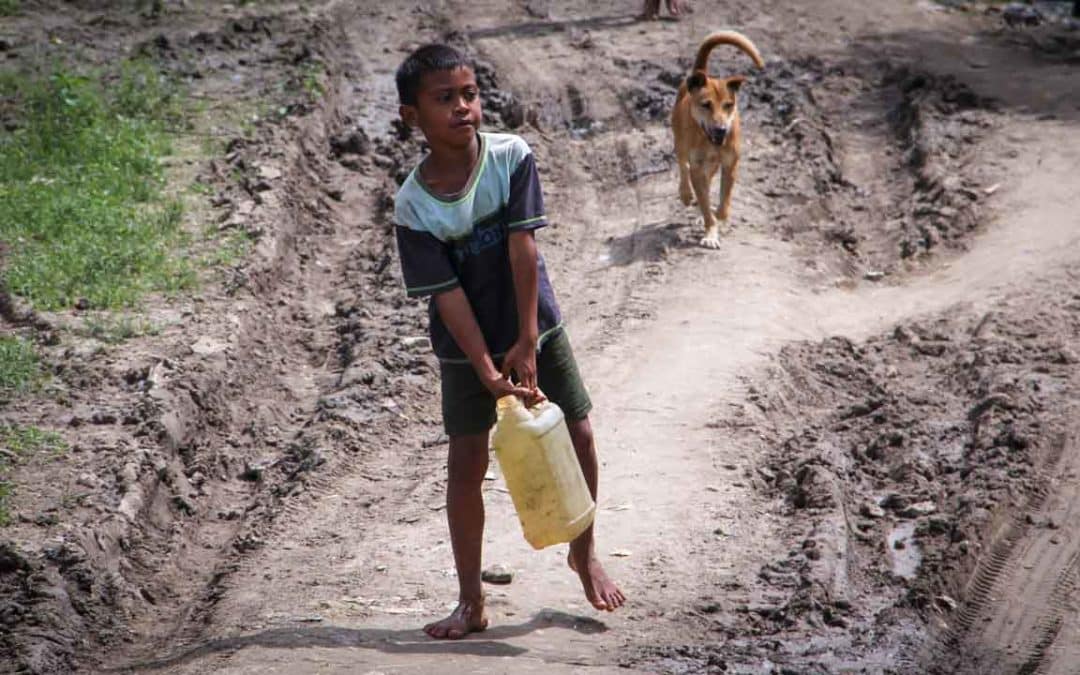
Access to clean water is vital for human health
Children in remote East Sumba often walk long distances carrying water. Better access reduces daily burden and supports safer hygiene and health.

Giving life to the village of Laindatang
The current priority in this village is to give them clean, safe water and sanitation. Here, families must walk for miles, sometimes more than 10 hours, to bring a few litres of clean water home. People here have less than 2 litres per day and a person to drink, eat, go to the toilets, and wash. So you have to make sacrifices.
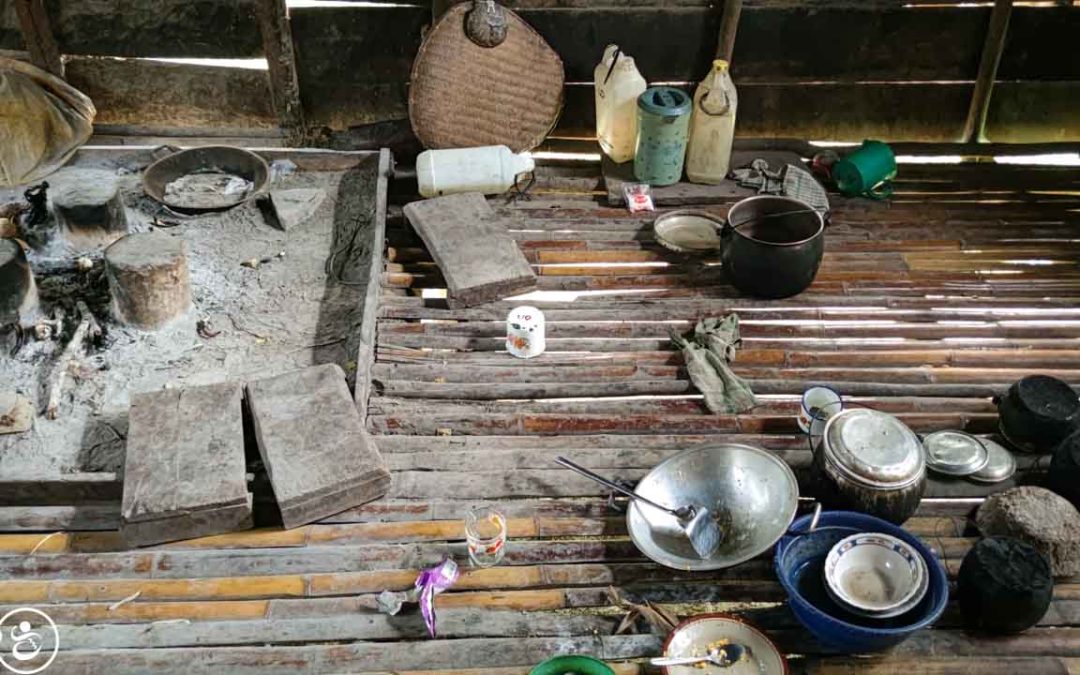
What does a kitchen look like without food or water
A household kitchen in Laindatang shows the daily reality of food insecurity and limited water access in rural East Sumba.
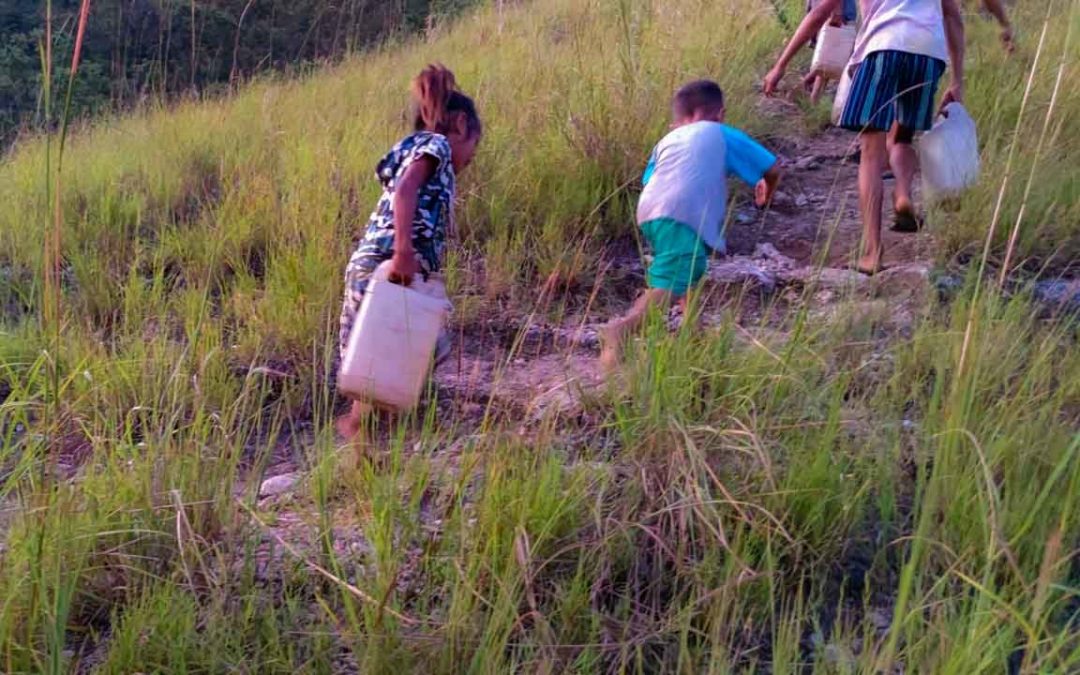
Kids here have to fetch water from the age of five!
In remote East Sumba villages, young children often walk long distances carrying water for their families.
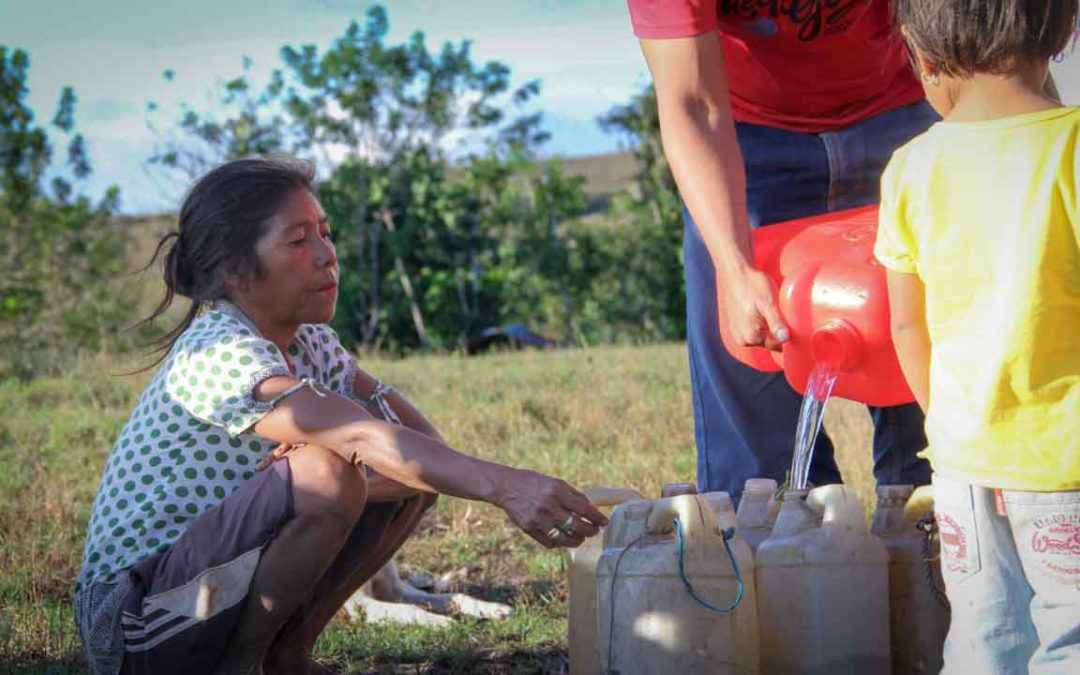
East Sumba, a village without clean water!
Families in Laindatang face severe water scarcity, making safe drinking water and sanitation a central priority for the Water Connections project.

Water Connections project in Laindatang
The Water Connections project, Laindatang Site, is our current top priority. Laindatang is a village without water. Everyone is sick and does not have enough to eat and drink. Children are underweight, and so are adults. We must act for these hundreds of people and give them access to clean water.

Deep drilling project in Laindatang
In the heart of East Sumba, Laindatang Village. 250 people live here in extreme conditions, notably linked to the lack of water and food, but not only 😒.

Water Connections from the sky – 04 October 2022
The health burden of poor-quality water is enormous, and providing clean water to such a large population is a considerable challenge. Indonesia, particularly the east of this immense country, is characterized by a non-uniformity in the level of awareness and socio-economic development. Therefore, our two foundations do what they can.

We carried out our first deep drilling with our own machine
Until last week, the 264 students of this school in East Sumba had no water in their school. As you can imagine, this posed unexpected sanitary problems for all the children, the teachers and the houses in the surrounding area. Fair Future has therefore decided to drill a deep well at the back of the school, and we have, thanks to our detection…
Accountability
Water systems must remain measurable, maintained and transparent
We document what is built, how much water can be stored, what fails, what requires repair and what remains unfinished. The next work may include a new 80,000 to 100,000-litre reservoir in Hambarita, solar energy for the school and another groundwater attempt after technical validation. Each phase depends on evidence, local responsibility and available resources.
