


Thèmes de santé
Rubella
Understanding a viral illness that may be mild for one person but serious during pregnancy, and why vaccination protects both children and future pregnancies.
La révision clinique de la traduction est en cours. L’approbation dans la langue source n’approuve pas cette traduction.
Lorsque les soins ne peuvent attendre
If you are pregnant and develop a new rash or have been exposed to suspected rubella, contact your maternity or medical service promptly. Do not wait for the rash to become severe. Call ahead where possible so the service can protect other pregnant patients.
Severe breathing difficulty, seizures, marked drowsiness or collapse requires emergency care whatever the suspected infection. Do not diagnose a rash at home.
Understanding rubella
Rubella is caused by rubella virus. It is sometimes called German measles, but it is a different infection from measles. Many people have a mild illness and some have no obvious symptoms.
The most important danger is infection during pregnancy. The virus can affect the developing baby, causing pregnancy loss or congenital rubella syndrome. A mild illness in the pregnant person does not mean the baby is protected.
Vaccination is the main preventive measure. Protecting children and adults before pregnancy helps prevent infection from reaching a developing baby.
Rubella · Pregnancy and rubella
The observation that changed understanding
In 1941, the Australian ophthalmologist Norman Gregg reported congenital cataracts in babies whose mothers had experienced rubella during pregnancy. His observations helped establish that an apparently mild infection could have serious consequences before birth.
In 1962, two independent groups isolated the virus: Paul Parkman and colleagues, and Thomas Weller with Franklin Neva. The first rubella vaccines were licensed in 1969.
The history links careful clinical observation with laboratory discovery and prevention. It explains why rubella care must consider pregnancy even when the person with the rash feels only mildly unwell.
Pink Book: rubella history and clinical features
How rubella spreads
Rubella spreads through respiratory droplets when an infected person coughs or sneezes. Transmission can occur before a person recognises a rash, and a person without obvious symptoms may still be infected.
A pregnant person can pass the virus to the developing baby. This is the route behind congenital rubella syndrome, which can affect hearing, vision, the heart and development.
If rubella is suspected, ask the health service how long to avoid school, work and close contact with others. Take particular care to avoid exposing pregnant people, and call before entering a waiting room.
Rubella · Rubella: symptoms and care · About rubella
Symptoms and their limits
- A rash that often starts on the face and spreads to the body.
- Mild fever, feeling unwell or a sore throat.
- Swollen glands, particularly behind the ears or in the neck.
- Sore joints, more commonly in adults.
Some people have no rash. Several other infections and non-infectious conditions can cause a similar appearance, and a rash may be less obvious on darker skin. Clinical assessment and appropriate testing are important, especially during pregnancy.
Rubella · Rubella: symptoms and care · About rubella
Assessment and treatment
Tell the clinician when symptoms began, any known exposure, vaccination history and whether pregnancy is possible. Laboratory testing may be needed to establish recent infection or immunity. Interpreting results during pregnancy requires appropriate clinical expertise.
There is no specific antiviral treatment for routine rubella infection. Care usually supports comfort, rest and hydration. Ask which symptom-relief medicine is suitable, particularly for a child or during pregnancy. Do not give aspirin to a child.
A pregnancy affected by possible rubella needs timely specialist advice about testing, follow-up and individual implications. Avoid drawing conclusions from a single symptom, an internet photograph or an unreviewed test result.
Pregnancy and rubella · Rubella: symptoms and care · About rubella
When a baby is affected
Congenital rubella syndrome can involve hearing impairment, eye problems, heart defects and developmental difficulties. A baby may need coordinated assessment by several services, including follow-up as development progresses.
The family needs clear explanations, practical support and a plan for continuing care. Earlier assessment can help address treatable problems and support communication, feeding and participation.
Some affected babies can continue shedding virus. The responsible team should explain infection-prevention measures and how to protect susceptible pregnant contacts.
Pregnancy and rubella · Pink Book: rubella history and clinical features
Vaccination and pregnancy planning
- Check vaccination records with the responsible service, including routine childhood and catch-up doses.
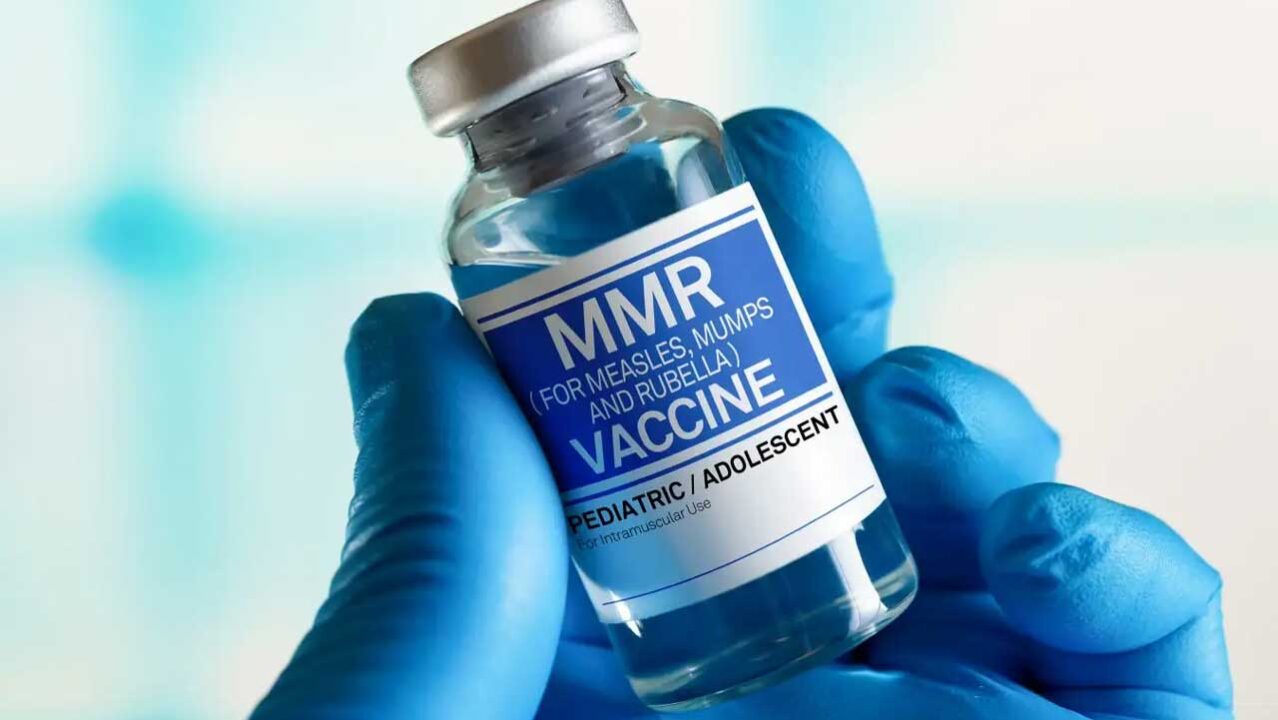
- Rubella-containing vaccines may be combined with measles alone or with measles and mumps. The appropriate programme and product depend on national guidance.
- Discuss immunity before a planned pregnancy. Rubella-containing live vaccines are not given during pregnancy.
- After vaccination, ask how long pregnancy should be avoided and follow the clinician’s advice.
- If protection is missing during pregnancy, the team can discuss precautions and vaccination after birth.
Vaccination after an exposure does not reliably prevent rubella from that exposure. A pregnant person who has been exposed still needs prompt medical advice.
Pregnancy and rubella · Rubella vaccination
Prevention across generations in East Sumba
Santé de l'enfant connects with rubella prevention through access to qualified vaccination services and clear information for caregivers. Primary Medical Care et Agents de Kawan Sehat can help families understand records, seek advice and arrange appropriate assessment.
The image illustrates an MMR vaccine. It is not a statement that one particular product or schedule is available at every local service. Families should use the vaccination programme recommended by the responsible health authority.
In the ultra-rural east of Indonesia, pregnancy care and childhood vaccination can be affected by the same barriers: distance, transport and missed follow-up. Field Mobility and Logistics et le Application médicale Kawan Sehat connect with the practical task of keeping the next appointment possible.
Health education should explain why a mild rash can matter without creating fear or blame. A person who may have been exposed deserves a clear route to advice and respectful, private care.
Santé de l'enfant · Primary Medical Care · Agents de Kawan Sehat
Questions for the health team
- Is there evidence of protection against rubella?
- Which vaccine or catch-up plan applies locally?
- What should we do after a possible exposure during pregnancy?
- Which tests and follow-up are appropriate for this situation?
Programmes connexes et ressources de terrain
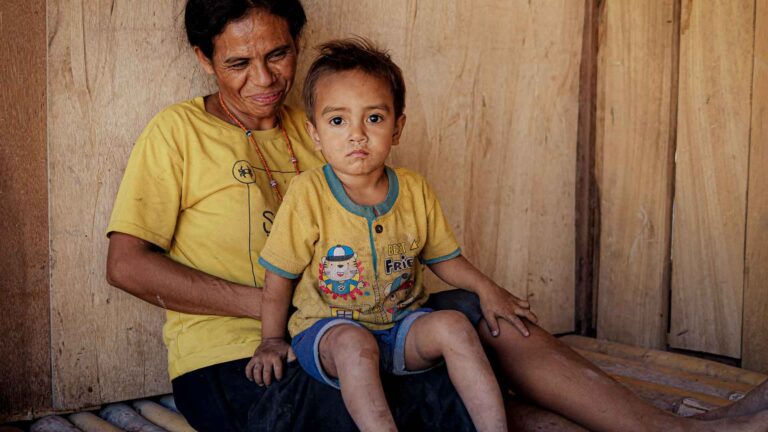
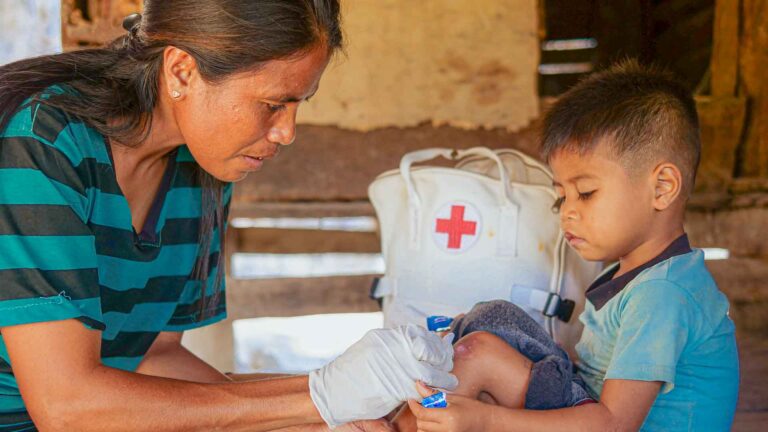
programme
Primary Medical Care Dans les zones reculées
Connect assessment and follow-up across the family.
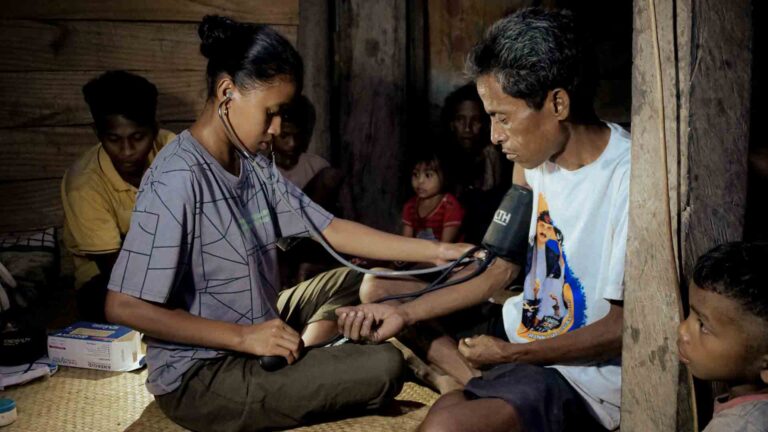
programme
Agents de santé ruraux de Kawan Sehat
Explore community health education and access to care.
Sources de référence
- RubellaOrganisation mondiale de la santéConsulté
- Pregnancy and rubellaCentres de contrôle et de prévention des maladiesConsulté
- Rubella: symptoms and careService national de santéConsulté
- Pink Book: rubella history and clinical featuresCentres de contrôle et de prévention des maladiesConsulté
- About rubellaCentres de contrôle et de prévention des maladiesConsulté
- Rubella vaccinationCentres de contrôle et de prévention des maladiesConsulté
- Santé de l'enfantFair Future FoundationConsulté
- Primary Medical CareFair Future FoundationConsulté
- Agents de Kawan SehatFair Future FoundationConsulté
Informations générales sur la santé, et non une prescription ou un diagnostic individuel.
