


What a safe toilet at home takes in East Sumba
In East Sumba, some families tell us they get by on about two litres of water a day for drinking, cooking, washing and using the toilet. That is not a district average. It is what people have told us about their own lives. On World Toilet Day, I want to ask what it takes to have a safe toilet at home. The question is not whether a toilet shows up on a list of things built. It is whether people can use it, safely and in private, on an ordinary day.
Privacy is part of a usable toilet
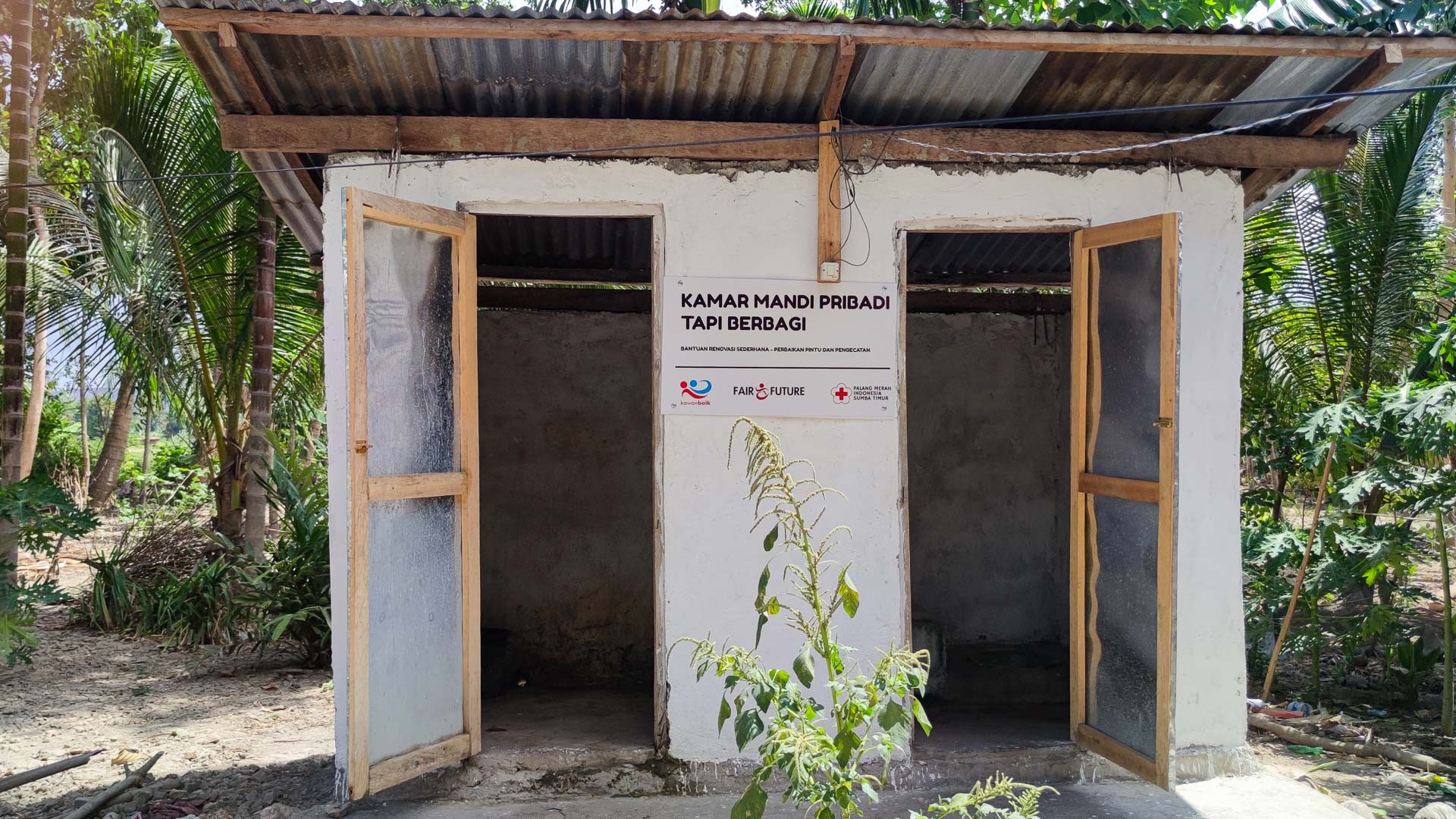
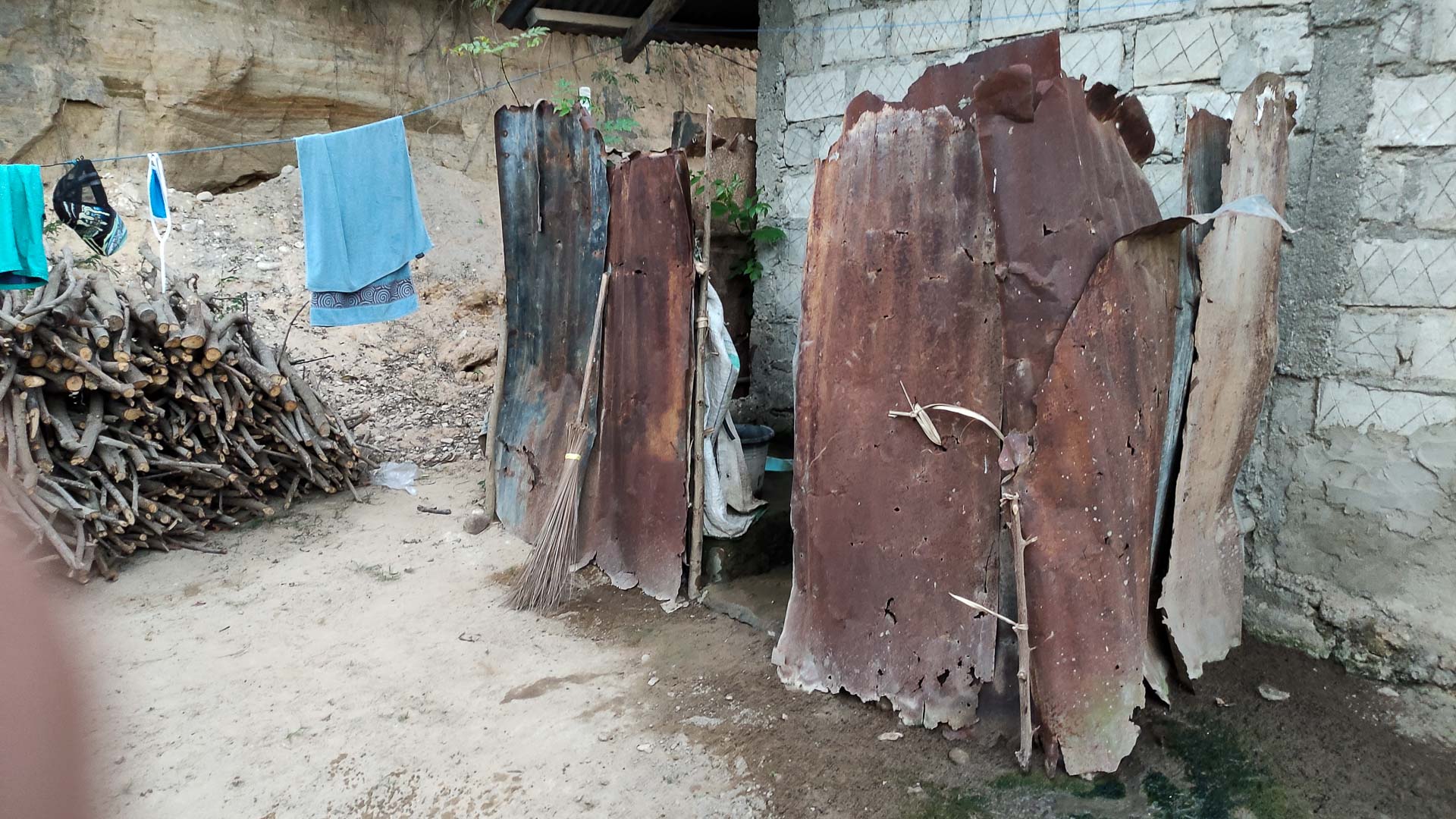
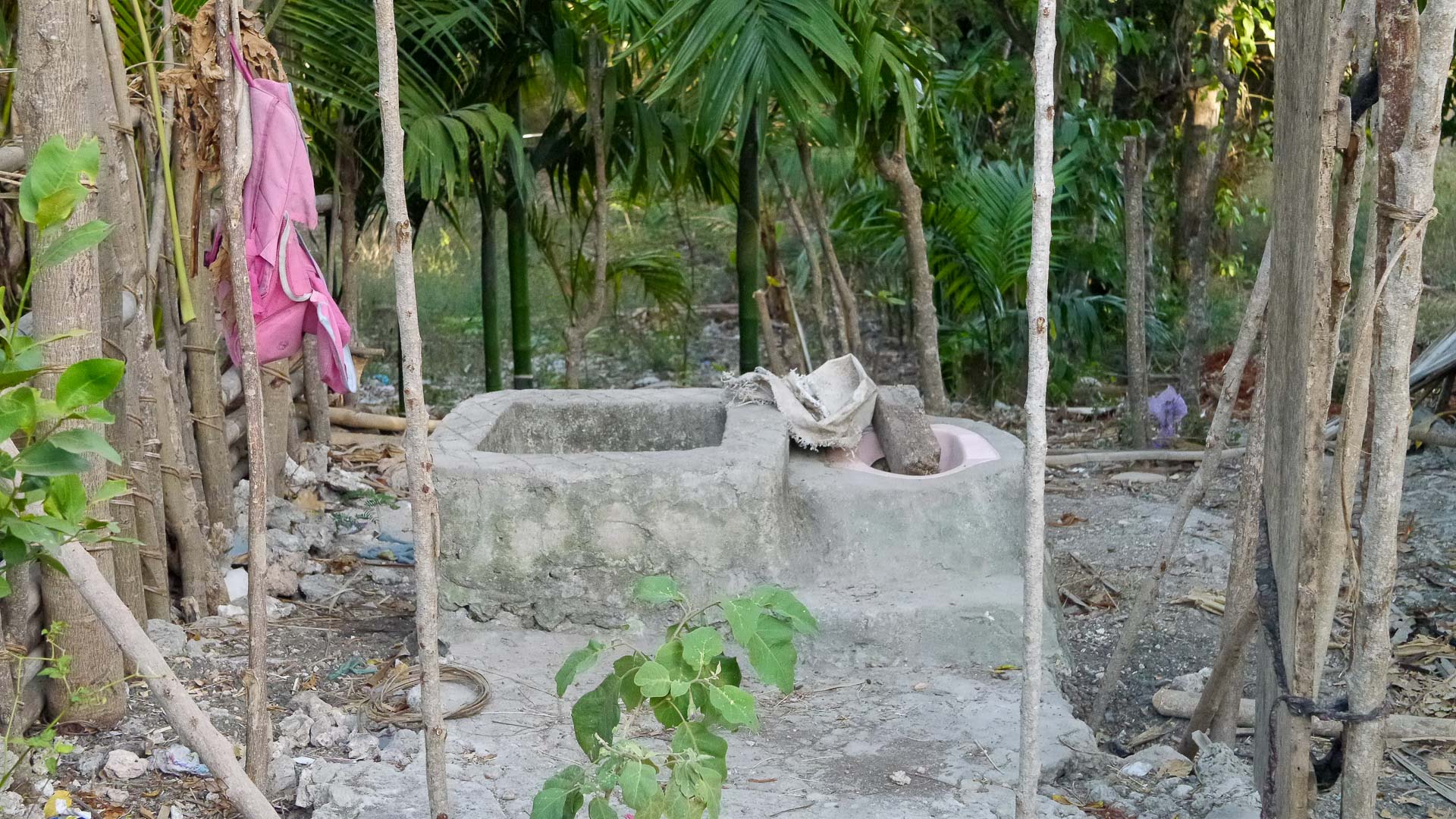
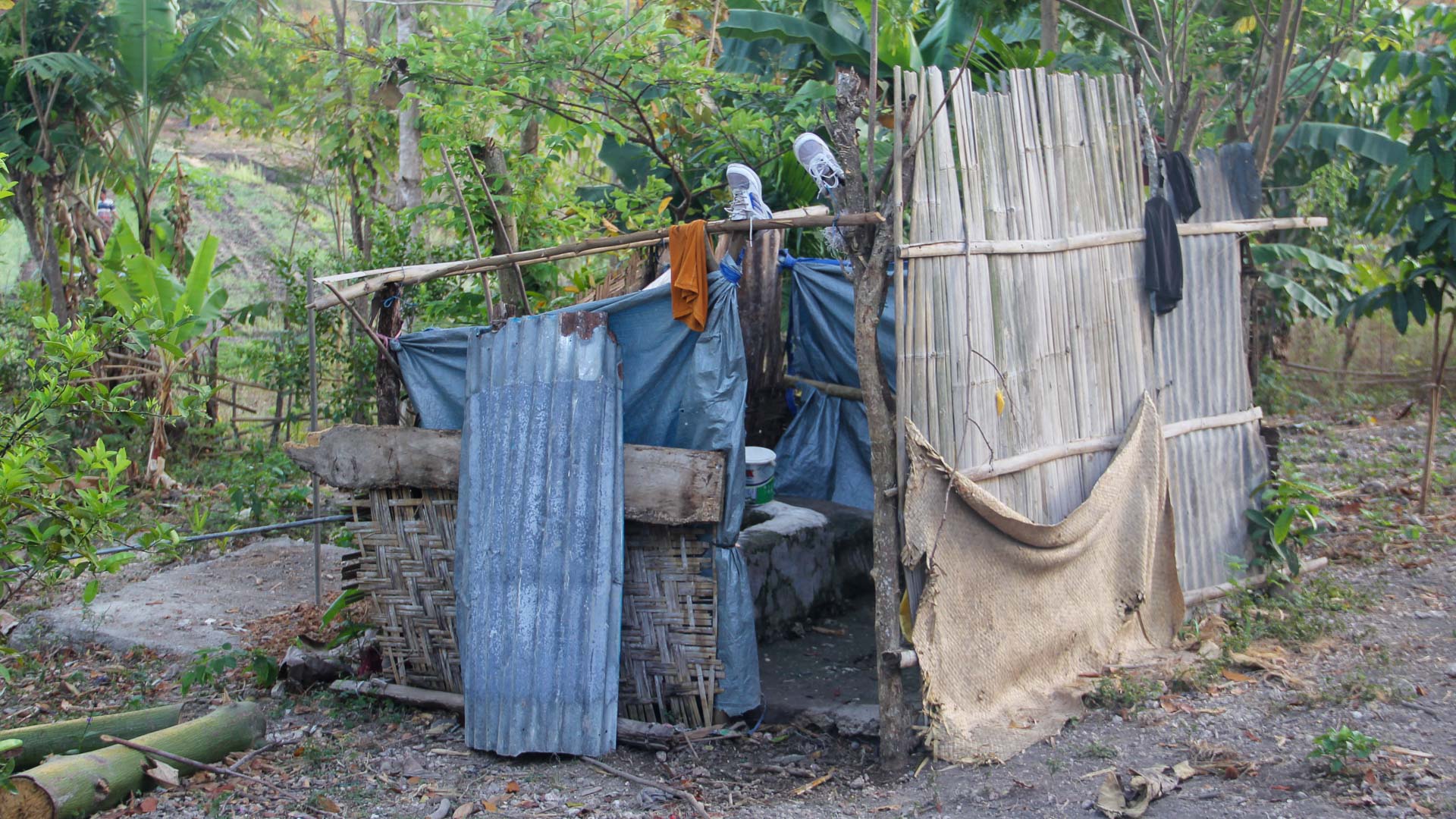
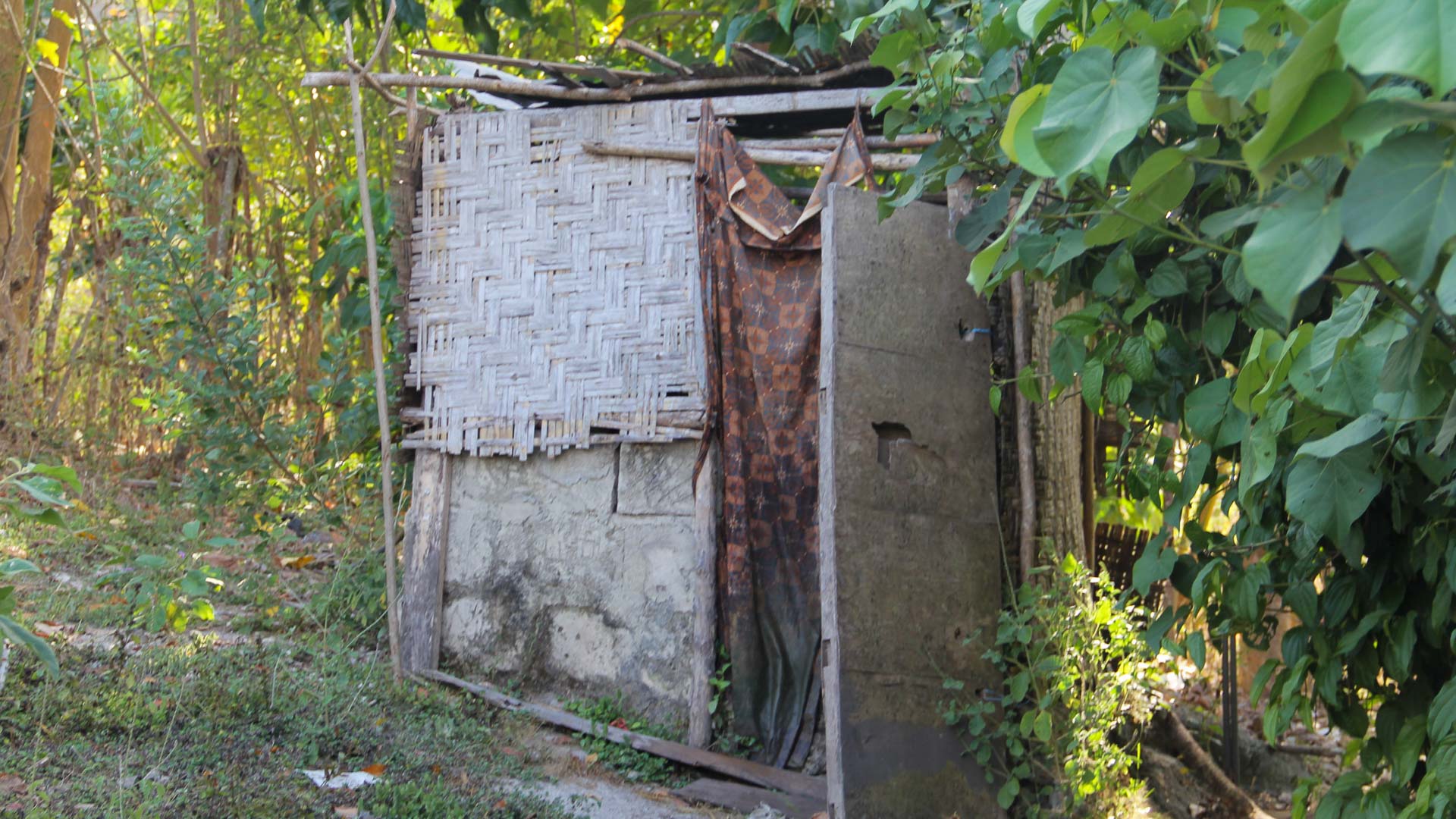
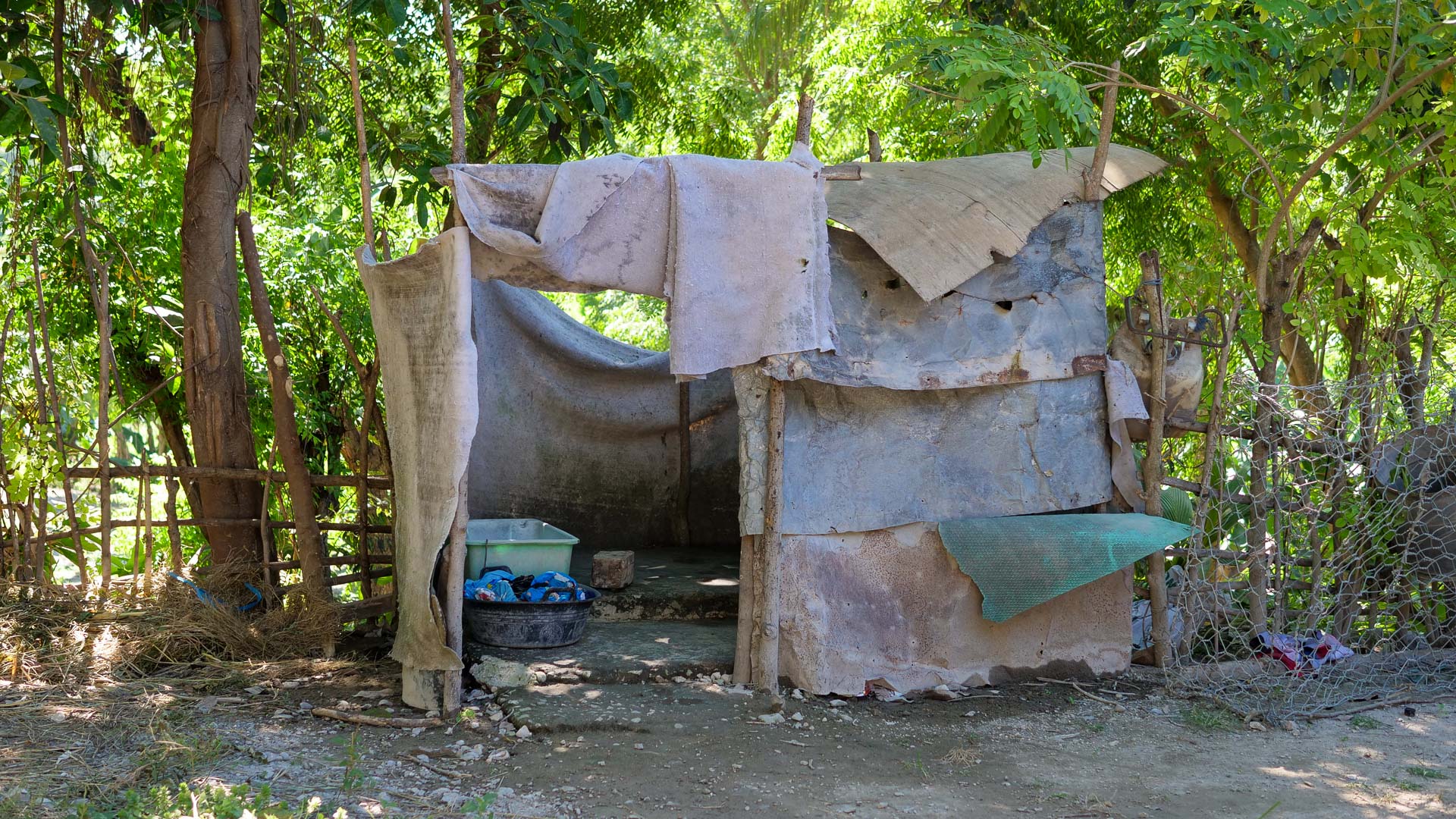
I think of a woman who needs the toilet several times a night during pregnancy, or a girl who comes home from school and still has nowhere private to wash and change. A door that locks from the inside matters. So do a safe path after dark, water to wash with, and a way to dispose of used menstrual products or wash reusable ones privately. Women and girls should have a say in where the toilet goes and how it works. This year’s campaign, “Safe toilets. Equal futures.”, asks us to take those needs seriously. We made the same point about schools in our Field Note on water, soap and privacy. Even a simple latrine can be out of reach. Without one, some families have to go outside to relieve themselves or wash.
What households told us
Earlier figures shared with us by local authorities put the share of rural families without reliable clean water at around 65%. That is a water-access estimate, not a current district-wide sanitation figure. In our Étude sur la sépsis à Sumbawā 2026, 401 of 996 responding households reported having no toilet or practising open defecation. And 950 of 998 did not report water and soap together at a handwashing place. These numbers describe the households surveyed. We did not inspect every facility, and the survey was not designed to estimate conditions across the whole district.
When faecal waste contaminates water, food or hands, infection can spread. The Organisation mondiale de la santé links poor sanitation to diarrhoeal infections, including cholera and dysentery, and to typhoid. Our Kawan Sehat agents explain practical steps through Primary Medical Care and use Affiches éducatives to start conversations. But explaining how to wash hands only goes so far when there is no water where hands need to be washed.
A toilet and a water supply have to work together
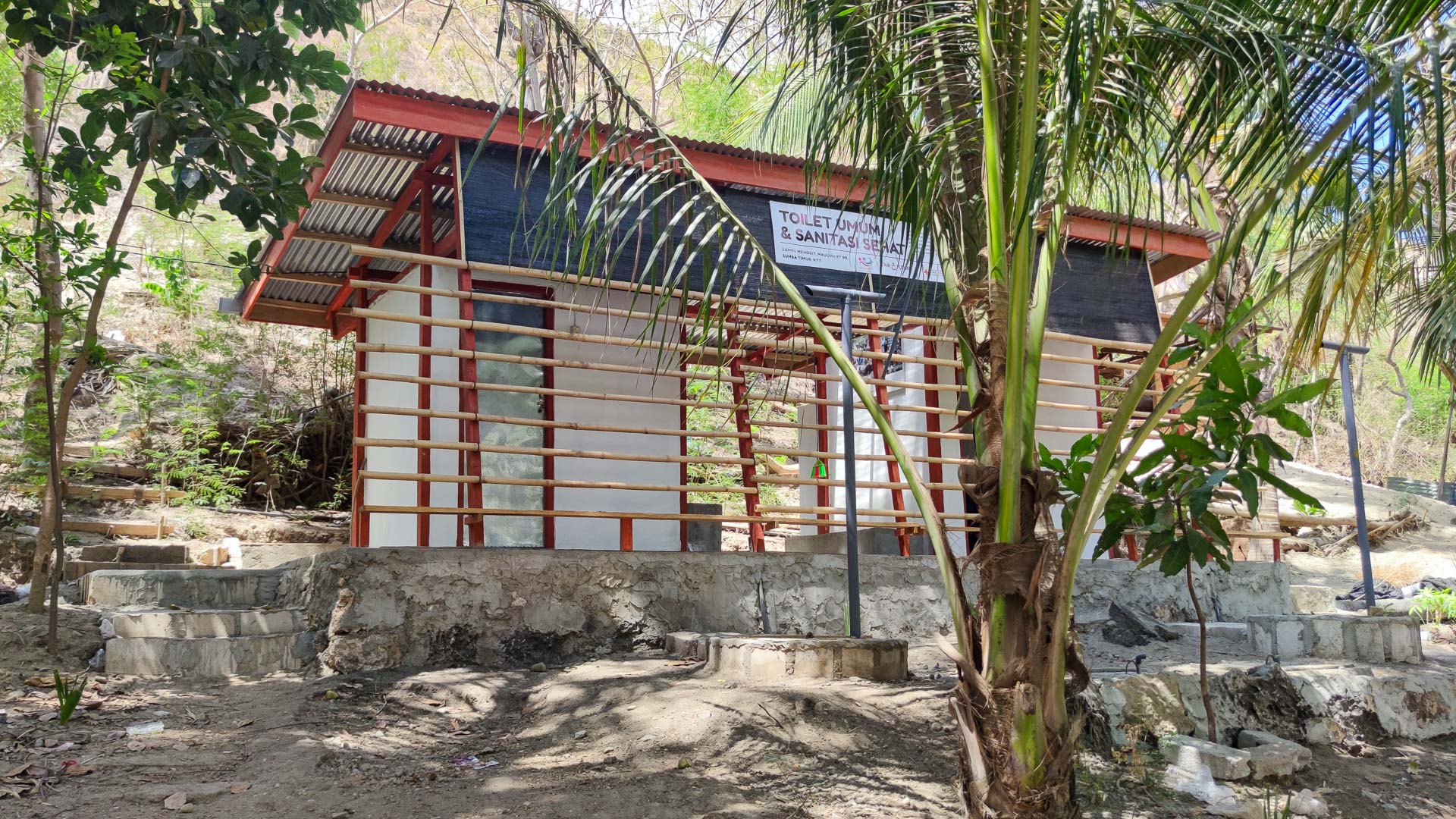
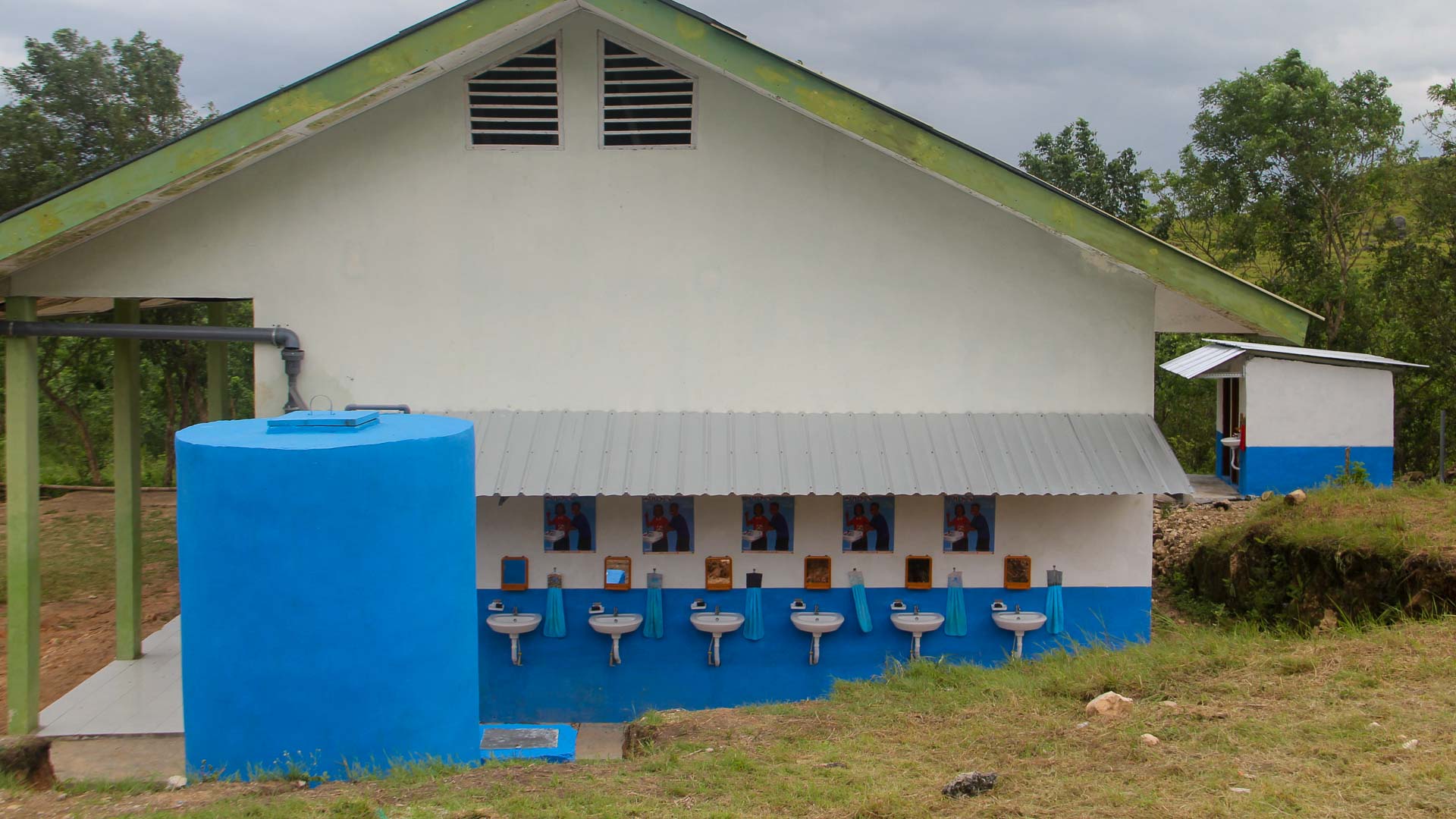
Fair Future Foundation and Kawan Baik Indonesia have spent years working with communities to bring water closer to homes and build sanitation facilities. By my estimate, our work with communities and partners has helped build nearly 100 toilets. In Mbinudita, families gained access to water alongside new sanitation facilities. Through Water Connections, we work on the supply and storage those facilities depend on. Before counting a toilet as finished, we need to know where water will come from in the dry season, how waste will be contained, who can replace a broken lock or tap, and whether people can wash their hands with soap after using it. We should go back after construction and ask the people who use it whether the water still reaches them, whether the lock still works and what they would change. The answers matter as much as the count of facilities.
When a woman can lock a door, a child can wash their hands, and a family still has water left to drink, that is a result people can feel in their own home. That is what I want our work to deliver.
Alex Wettstein, Fair Future Foundation · East Sumba, Indonesia
Water, soap and a door that locks
In East Sumba, some families tell us they make do with around two litres of water a day. On World Toilet Day, Alex Wettstein asks what makes a toilet at home usable every day. Water, soap, a lock and safe waste management protect health and privacy. Fair Future and Kawan Baik Indonesia connect practical sanitation to primary care and infection prevention.
Toilets in East Sumba: From Makeshift Latrines to New Facilities
Sources externes vérifiées
- UN-Water: UN-Water’s official 2026 campaign factsheet confirms the 19 November observance, the sanitation and gender equality theme, and its campaign slogan.
- Organisation mondiale de la santé: WHO’s sanitation fact sheet describes the diseases linked to poor sanitation and explains why the safe management of human waste protects health.
- Fair Future Foundation: Interactive study findings and methods; the sanitation and handwashing results come from the households surveyed, not a district-wide estimate.
- Organisation mondiale de la santé: WHO explains the causes of diarrhoeal disease, how unsafe water and sanitation contribute to transmission, and what practical prevention involves.
- United Nations: United Nations Goal 6 sets targets for water and sanitation, including attention to the needs of women and girls and people in vulnerable situations.
