|
What We Prevent Before It Is Too Late
 👋 Hello, this is Alex. How are you today? 👋 Hello, this is Alex. How are you today?
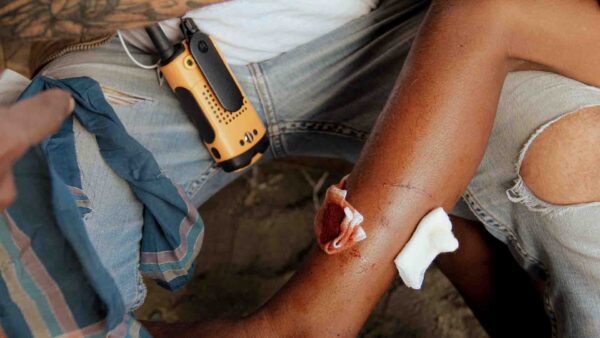
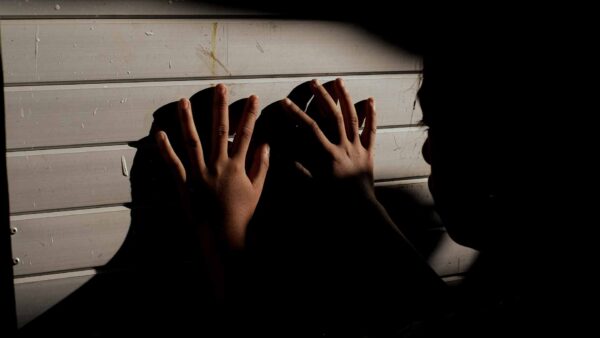
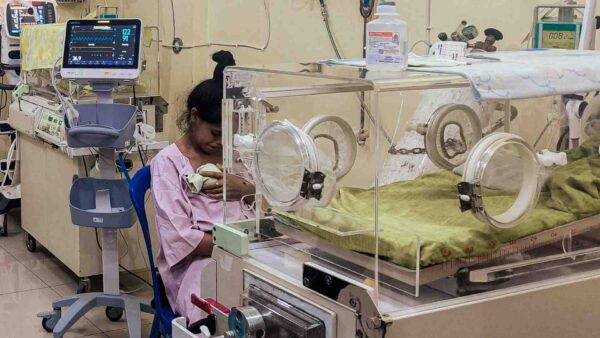
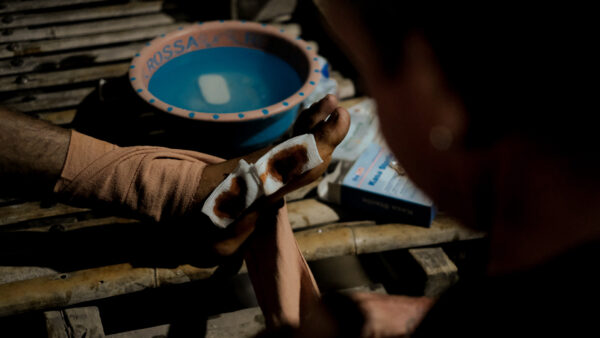
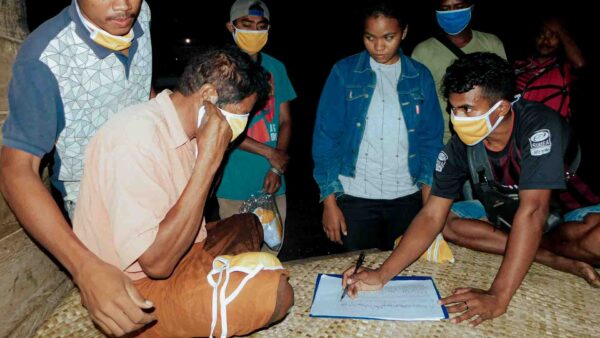
In ultra-rural regions, tragedies recur. A wound that seems minor. A fever left aside. An infection after childbirth. A baby struggling to breathe. Diarrhoea is exhausting a child who is already fragile. Here, many tragedies do not begin at the hospital. They begin long before that, in a house without water, along a road that is too long, in a village where people wait one day too many. That is also why, in recent days, we have published several articles about tuberculosis, snakebites, sexually transmitted infections, child marriage, and adolescent pregnancies. On the surface, these subjects seem different. In reality, they tell the same story: when poverty, lack of information, absence of care, and delays in treatment come together, lives can change completely.
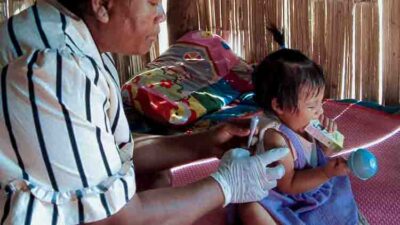
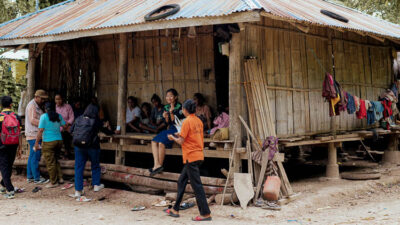 In this context, we will launch a major study on sepsis in the coming months. We want to go far, very far, and understand what is really happening in the lives of hundreds of thousands of people. Not to produce one more document, but to prevent absurd deaths, deaths that could have been avoided with earlier detection, better reflexes, stronger community support, more clean water, more prevention, and more primary care. The Primary Medical Care program continues precisely in that direction. Our ambition this year is clear: to strengthen training, gradually increase the number of health agents from 20 to 30, and treat even more patients every month. When a Kawan Sehat agent recognises a danger sign earlier, explains, disinfects, treats, and refers, that is not just a gesture. It can change the outcome of a whole story. In this context, we will launch a major study on sepsis in the coming months. We want to go far, very far, and understand what is really happening in the lives of hundreds of thousands of people. Not to produce one more document, but to prevent absurd deaths, deaths that could have been avoided with earlier detection, better reflexes, stronger community support, more clean water, more prevention, and more primary care. The Primary Medical Care program continues precisely in that direction. Our ambition this year is clear: to strengthen training, gradually increase the number of health agents from 20 to 30, and treat even more patients every month. When a Kawan Sehat agent recognises a danger sign earlier, explains, disinfects, treats, and refers, that is not just a gesture. It can change the outcome of a whole story.
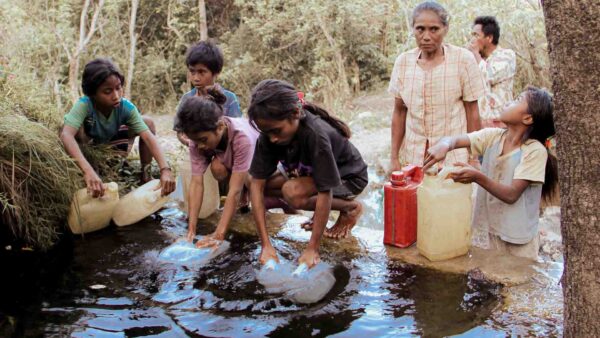
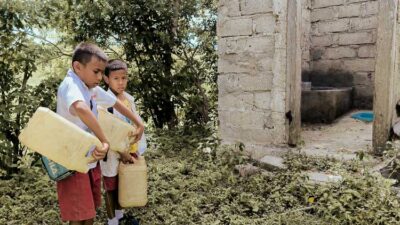 But prevention is not limited to treatment. Prevention also means building. Building reservoirs, for example. Because we cannot seriously talk about hygiene, nutrition, infections, maternal health, or child health when a family still has to walk for kilometres to collect a few litres of uncertain water, we are preparing to construct a dozen, perhaps even more, ferrocement reservoirs. At this stage, none of them is funded. And yet we know exactly what they change: less time lost looking for water, fewer infections, fewer diarrheal diseases, more dignity, more school, and more strength to live. If this project speaks to you, its full documentation is available. It shows very concretely what water means once it is no longer a daily emergency. But prevention is not limited to treatment. Prevention also means building. Building reservoirs, for example. Because we cannot seriously talk about hygiene, nutrition, infections, maternal health, or child health when a family still has to walk for kilometres to collect a few litres of uncertain water, we are preparing to construct a dozen, perhaps even more, ferrocement reservoirs. At this stage, none of them is funded. And yet we know exactly what they change: less time lost looking for water, fewer infections, fewer diarrheal diseases, more dignity, more school, and more strength to live. If this project speaks to you, its full documentation is available. It shows very concretely what water means once it is no longer a daily emergency.
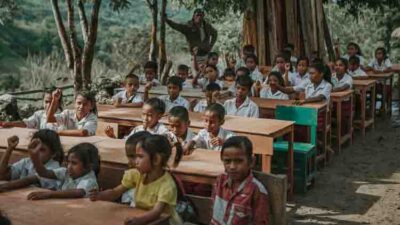 And then there is Rumah Kambera—our future socio-medical base camp. Here too, we are moving forward. The land has been secured. The project is ready. This centre must become a place for care, storage, training, coordination, a pharmacy, and a modest but useful laboratory, a solid place able to serve an entire region. We are talking here about structuring our work sustainably for more than 350,000 people. This is not an abstract dream. It is an operational necessity. Without an appropriate base, everything becomes slower, more fragile, more precarious. With it, we will be able to train, treat, and respond better. And then there is Rumah Kambera—our future socio-medical base camp. Here too, we are moving forward. The land has been secured. The project is ready. This centre must become a place for care, storage, training, coordination, a pharmacy, and a modest but useful laboratory, a solid place able to serve an entire region. We are talking here about structuring our work sustainably for more than 350,000 people. This is not an abstract dream. It is an operational necessity. Without an appropriate base, everything becomes slower, more fragile, more precarious. With it, we will be able to train, treat, and respond better.
So every week, we continue to do what we know how to do: treat, prevent, build, transport, train, and explain. Not to make noise. Not to complain. But because here, every concrete action matters. And because, deep down, our work is always about preventing an avoidable disease from becoming a tragedy.
🐰🐇🐣🌷 As Easter approaches, we wish you a few days of peace, gentleness, and time with the people who matter most to you. Here in the field, we will continue to treat, prevent, and build, as we do every day.
Thank you for being here, for reading, for understanding, and, for so many of you, for acting alongside us.
Alex, for Fair Future - Monday, March 30, 2026 |

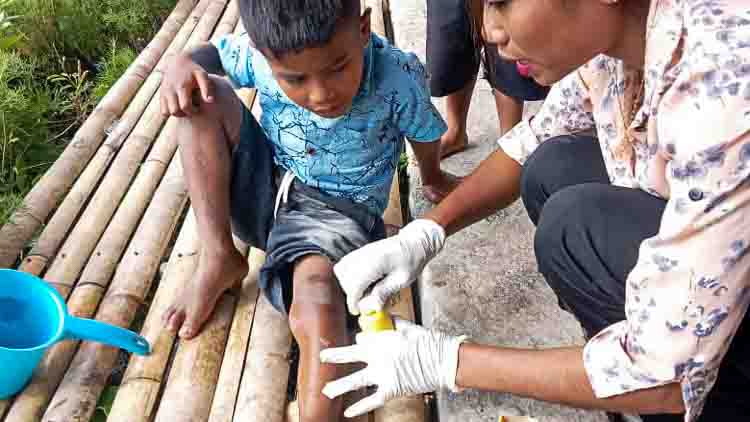
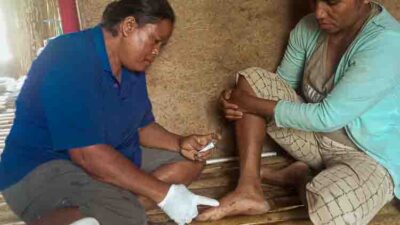 A future field project to understand, measure, and prevent severe infections in the most isolated regions.