


Thèmes de santé
Pneumonie
Understanding pneumonia, recognising breathing difficulties early, and connecting prevention, assessment and effective treatment with care in East Sumba.
La révision clinique de la traduction est en cours. L’approbation dans la langue source n’approuve pas cette traduction.
Lorsque les soins ne peuvent attendre
Seek emergency care for severe breathing difficulty, blue or grey lips, pauses in breathing, collapse or difficulty waking.
A baby who cannot feed or a child whose chest pulls inward with breathing needs urgent clinical assessment.
Pneumonia in children · Pneumonia: symptoms, treatment and recovery
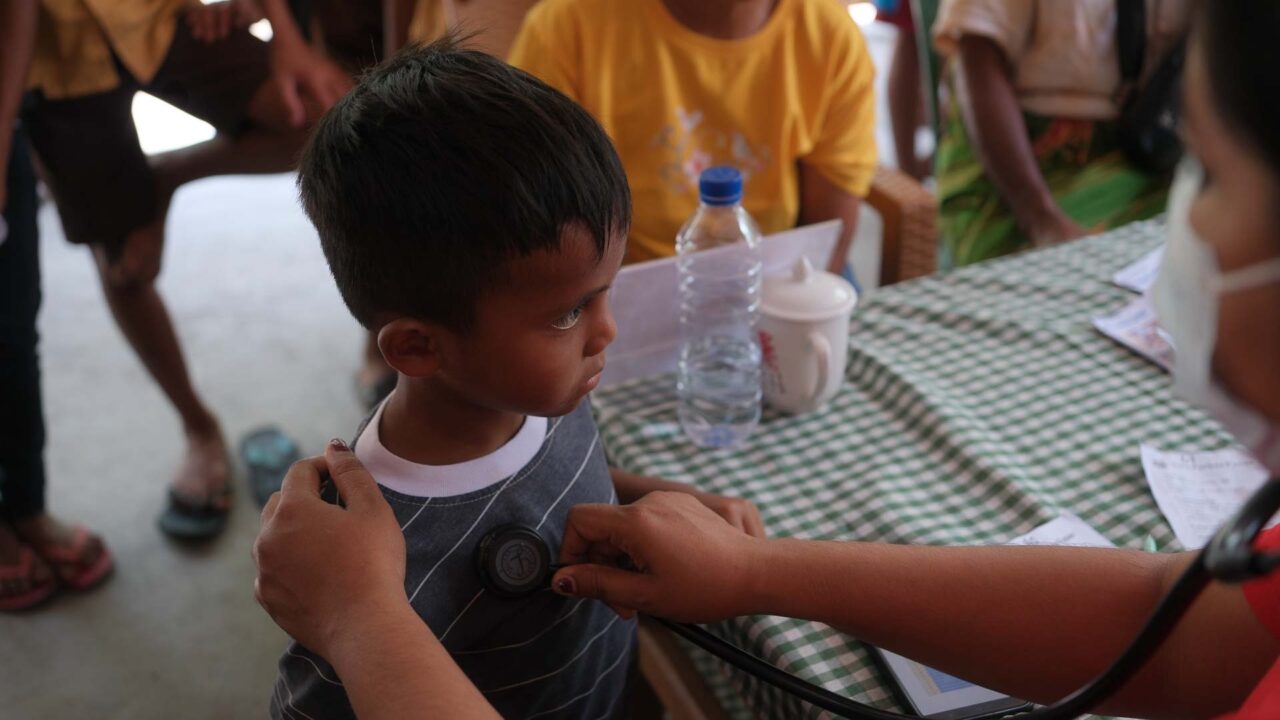
Understanding pneumonia
Pneumonia is an infection of the lungs. The small air sacs used for breathing can become inflamed and fill with fluid, making it harder for oxygen to reach the blood.
It can affect people of any age. This sheet gives particular attention to children, while also explaining the needs of older adults and people with existing illness.
The word describes a lung infection, not a single germ. A cough can have many causes; recognising breathing difficulty and arranging assessment matters more than trying to name the organism at home.
Pneumonia in children · About pneumonia
From recognising the illness to understanding its causes
Doctors recognised pneumonia long before laboratories could identify its causes. In 1881, Louis Pasteur and George Sternberg independently identified the bacterium later known as the pneumococcus.
This was one part of a wider change in understanding infectious disease. Later work showed that several bacteria and viruses can produce a similar illness.
Modern care combines appropriate antimicrobial treatment, oxygen when needed, vaccination and supportive care. Scientific progress becomes useful when these services can reach the person who is struggling to breathe.
Louis Pasteur: between myth and reality · Pneumonia in children · Pneumonia prevention and control · Pneumonia: symptoms, treatment and recovery
What causes pneumonia and how infection spreads
Bacteria and viruses are common causes. Fungi and other organisms can also cause pneumonia, especially in particular health conditions. Clinicians cannot always identify the exact organism.
Some respiratory germs spread when people cough, sneeze or have close contact. Organisms carried in the nose or throat can also enter the lungs. Infection acquired during a hospital stay may involve different germs from infection acquired at home.
Pneumonia is not caused simply by getting wet or being outdoors in cool weather. The infection and the person’s ability to withstand it need attention.
About pneumonia · Pneumonia in children
Symptoms to recognise
Symptoms may begin abruptly or worsen over several days. They can include:
- Cough, sometimes with mucus.
- Fever or chills, although fever may be absent in some people.
- Fast or difficult breathing, or chest pain with breathing or coughing.
- Marked tiredness, reduced appetite or difficulty feeding.
- Confusion or a sudden change in usual behaviour, particularly in older adults.
A young infant may feed poorly, become unusually sleepy or have a low temperature rather than an obvious fever. The appearance of the person and their breathing deserve attention together.
About pneumonia · Pneumonia: symptoms, treatment and recovery · Pneumonia in children
Watch the child’s breathing and feeding
A child who is working hard to breathe needs assessment. Look for the lower chest pulling inward with breaths, nostrils flaring, grunting, pauses in breathing or difficulty feeding.
A trained health worker may count breaths while the child is calm and compare the result with the appropriate age-based guidance. Crying and fever can change the rate; a home count alone should not decide whether a child is safe.
A baby who stops feeding or becomes less responsive can deteriorate quickly. Do not wait for a severe cough or a high fever before seeking help.
Pneumonia in children · Pneumonia: symptoms, treatment and recovery
When breathing difficulty becomes an emergency
Seek emergency care for severe breathlessness, blue or grey lips, pauses in breathing, collapse, seizures or difficulty waking the person. A child unable to feed or drink because of breathing difficulty also needs urgent help.
Arrange prompt clinical assessment for suspected pneumonia, especially in babies, older adults or anyone with weakened immunity or significant heart or lung disease.
Keep the person in a position that makes breathing easier while arranging transport. Do not force food or drinks if they are too breathless or drowsy to swallow safely.
A normal-looking number on a home oxygen meter should not overrule obvious distress. Tell the receiving service about the breathing problem and any rapid deterioration.
Pneumonia: symptoms, treatment and recovery · Pneumonia in children
What a clinical assessment can involve
The clinician asks about the illness, examines the person and listens to the chest. Temperature, breathing rate, circulation and oxygen saturation may be checked. Oxygen measurements need to be interpreted alongside the examination.
A chest X-ray or laboratory tests may be needed, particularly for severe illness, uncertain diagnosis or hospital care. Not every person requires the same tests.
Tell the team about medicines already taken, allergies, vaccination, other illnesses and recent contact with respiratory infections. Explain whether travel makes a return appointment difficult.
Pneumonia: symptoms, treatment and recovery · About pneumonia
Treatment depends on severity and the likely cause
Antibiotics treat bacterial pneumonia; clinicians also use them when bacterial infection is sufficiently suspected. A viral infection may require supportive care, and selected infections need specific antiviral or other treatment.
The choice and route of treatment depend on age, severity, other conditions and local guidance. A clinician may recommend admission, oxygen and intravenous treatment when the person is seriously ill.
Give prescribed medicines exactly as directed, including the intended duration. Do not share antibiotics, use leftovers or change a child’s dose without advice. Discuss vomiting, side effects or difficulty obtaining the medicine with the service.
Home care needs a clear return plan. If breathing worsens or the person becomes weaker, seek reassessment promptly rather than waiting for a course of medicine to finish.
Pneumonia: symptoms, treatment and recovery · Pneumonia prevention and control · Pneumonia in children
Recovery and follow-up
Rest, fluids when safe to swallow and suitable food support recovery. Follow professional advice for fever or pain relief, particularly for young children.
A cough and tiredness can take time to settle. Ask when improvement should be expected and when review is needed. Persistent symptoms, repeated infections or failure to improve may need further investigation.
Breathing symptoms can also arise from tuberculose, asthma or other conditions. A long-lasting cough or recurring illness should not simply receive repeated unassessed antibiotics.
Pneumonia: symptoms, treatment and recovery
Who may need extra protection?
Very young children and older people can become severely ill. Undernutrition, weakened immunity and existing disease can increase vulnerability.
VIH et Malnutrition may change the assessment and treatment needed. Tell the clinician about these conditions so care can be adapted.
Smoke from tobacco and polluting cooking fuels affects respiratory health. Families need practical options for reducing exposure, alongside support for feeding and vaccination.
Pneumonia in children · Household air pollution and health · Pneumonia prevention and control
Prevention at home and through health services
- Keep vaccinations up to date. Ask about pneumococcal, Hib, pertussis, measles and other vaccines recommended for the person under Indonesian guidance.
- Support infant feeding and nutrition. Seek help with breastfeeding or feeding difficulties, and review growth and recovery after illness.
- Keep homes and vehicles smoke-free. Protect children and adults from second-hand tobacco smoke.
- Reduce cooking-smoke exposure. Safer fuels and stoves, better ventilation and keeping children away from heavy smoke can help.
- Wash hands and cover coughs. Avoid close contact with vulnerable people when ill, and seek advice about respiratory infection prevention.
Pneumonia in children · Pneumonia prevention and control · Household air pollution and health
A breathing problem in an isolated village
A family may first notice that a child cannot finish a feed, or that an older relative is unusually quiet. Knowing these changes can matter is useful only if a route to assessment follows.
Par le biais Santé de l'enfant, Primary Medical Care et Kawan Sehat Agents de santé, prevention and first contact can be connected with local clinical services. Agents work within their training and supervision; oxygen, prescribing and hospital care require the appropriate service.
Referral planning should account for distance, transport and the capacity of the receiving facility. If a person needs oxygen, the team must plan a safe transfer rather than assume it will be available on the journey.
Pneumonia can lead to Sepsis. Our infection work makes early recognition and reliable referral particularly relevant, without assuming that every chest infection is sepsis.
Santé de l'enfant · Primary Medical Care · Kawan Sehat Agents de santé
Questions for the clinical team
- Does this person need oxygen or hospital treatment?
- Which medicine is prescribed, and how should it be taken?
- What improvement should we expect, and when should we return?
- Which changes mean we should leave for care immediately?
- How can we reduce smoke exposure and catch up with vaccinations?
Programmes connexes et ressources de terrain
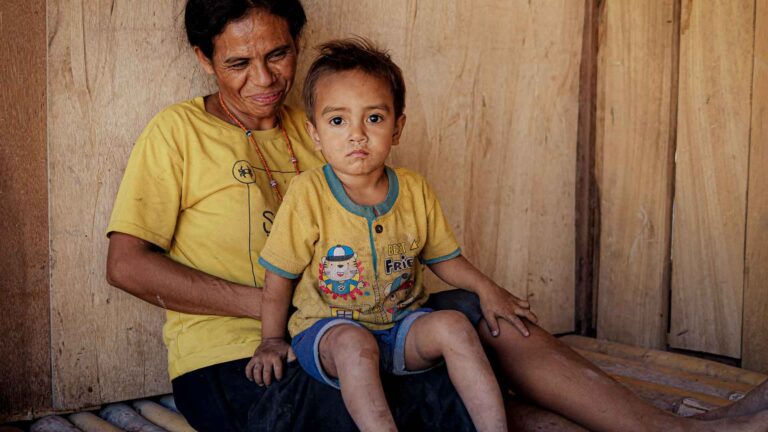
programme
Santé infantile dans l'est rural de Sumba
Explore prevention and access to care for children.
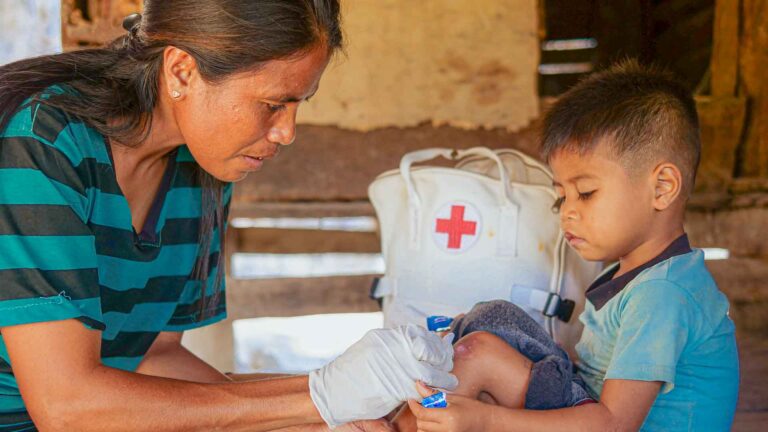
programme
Primary Medical Care Dans les zones reculées
Connect recognition with assessment, treatment and referral.
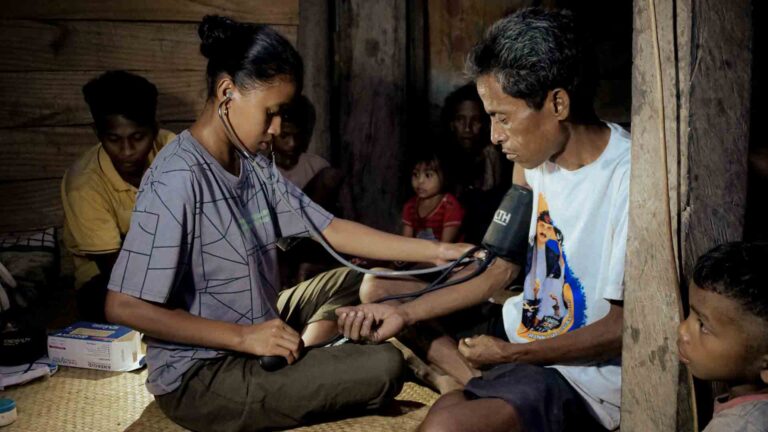
Sources de référence
- Pneumonia in childrenOrganisation mondiale de la santéConsulté
- About pneumoniaCentres de contrôle et de prévention des maladiesConsulté
- Pneumonia prevention and controlCentres de contrôle et de prévention des maladiesConsulté
- Pneumonia: symptoms, treatment and recoveryService national de santéConsulté
- Louis Pasteur: between myth and realityInstitut Pasteur researchers, VaccinesConsulté
- Household air pollution and healthOrganisation mondiale de la santéConsulté
- Santé de l'enfantFair Future FoundationConsulté
- Primary Medical CareFair Future FoundationConsulté
- Kawan Sehat Agents de santéFair Future FoundationConsulté
Informations générales sur la santé, et non une prescription ou un diagnostic individuel.
