


Health topics · Airborne infection
Tuberculose (TB)
Understanding the illness, recognising when to seek care, and keeping treatment within reach.
Lorsque les soins ne peuvent attendre
Coughing up blood needs prompt medical assessment. More than a few spots or streaks, or blood with breathing difficulty or chest pain, requires emergency care. Seek the nearest available emergency service; do not wait for a reply from this website.
Sources: NHS Coughing up blood.

Understand TB
Tuberculosis is an infection caused by bacteria. When someone has infectious TB in the lungs or throat, the bacteria can spread through shared air.
Infection is not the same as disease
TB bacteria can stay in the body without making a person ill. This is called inactive TB infection. It causes no symptoms and cannot spread to others. Most people with TB infection do not go on to develop TB disease.
Who is more likely to develop TB disease?
Babies and young children are more likely to develop TB disease after infection. Other factors also raise the risk.
- Diabetes, a condition that raises blood sugar
- A weakened immune system, for example in someone living with HIV
- Undernutrition
- Using tobacco
- Drinking alcohol at harmful levels
Sources: WHO Tuberculosis fact sheet; WHO Tuberculosis questions and answers.
An ancient disease, a turning point in 1882
Tuberculosis affected people thousands of years before its cause was understood. Evidence has been identified in ancient Egyptian remains, and the illness was later known by names such as “consumption”. On 24 March 1882, Robert Koch announced that he had identified the bacterium responsible, Mycobacterium tuberculosis. He did not discover a new disease: he established its bacterial cause. World TB Day, observed on 24 March, commemorates that scientific turning point.
Sources: CDC: TB history; WHO: World TB Day. Consulted 18 November 2026.
Symptômes
TB disease develops when the bacteria multiply. It usually affects the lungs, but it can also affect the kidneys, brain, spine or skin. The signs depend on which part of the body is affected.
Symptoms can stay mild for months. Some people with TB disease in the lungs have no symptoms and can still spread it.
Common signs
- A persistent cough, sometimes with blood
- Chest pain
- Feeling weak or unusually tired
- Unexplained weight loss
- Fièvre
- Night sweats
These signs can have other causes. A health professional can assess them and advise on testing.
Sources: WHO Tuberculosis fact sheet; CDC Signs and Symptoms of TB.
Where to seek care
In Indonesia, a Puskesmas is a public primary health centre. You can ask there for an assessment and a referral if you need care elsewhere.
Sources: WHO Tuberculosis fact sheet; Fair Future: Keeping TB treatment going in East Sumba.
Testing and treatment
WHO recommends rapid diagnostic tests when TB is suspected. The healthcare team chooses the investigations and treatment needed, including tests for drug resistance where appropriate. Treatment uses specific medicines over a prescribed course; the regimen and duration depend on the person and type of TB. Do not stop or change it without advice from the treating team.
Sources: WHO Tuberculosis fact sheet.
Questions to take to the health centre
- Which test do I need, and where will I receive my results?
- If treatment is prescribed, where and when do I collect the next supply?
- Who should I contact if I cannot reach the clinic, medicines are unavailable, or side effects occur?
- Do people living with me need assessment?
Prévention
- Get assessed early. If you have possible symptoms, contact a health centre. Early diagnosis and effective treatment help people recover and reduce the spread of TB.
- Ask about screening. This matters even if you feel well, especially if you live with HIV or have been in close contact with someone with infectious TB at home or at work.
- Complete preventive treatment if it is prescribed. Taking the full course lowers the chance that TB infection will develop into TB disease.
- Protect the people you spend time with. If you have infectious TB, follow your care team’s advice on wearing a mask and limiting close contact. Cover your mouth and nose when you cough or sneeze, and dispose of phlegm and used tissues as advised.
Good ventilation helps reduce the spread of TB indoors. In clinics and other settings where the risk is high, staff may need properly fitted respirators as part of infection control.
BCG vaccination helps protect young children from severe forms of TB. Children with possible symptoms still need assessment.
Sources: WHO Tuberculosis fact sheet; WHO Tuberculosis questions and answers.
programme Understand how community care, clinical limits and referral fit together in remote villages. programme Meet the local health agents supporting health education, early recognition and connections with professional care. Informations générales sur la santé, et non une prescription ou un diagnostic individuel.Programmes connexes et ressources de terrain
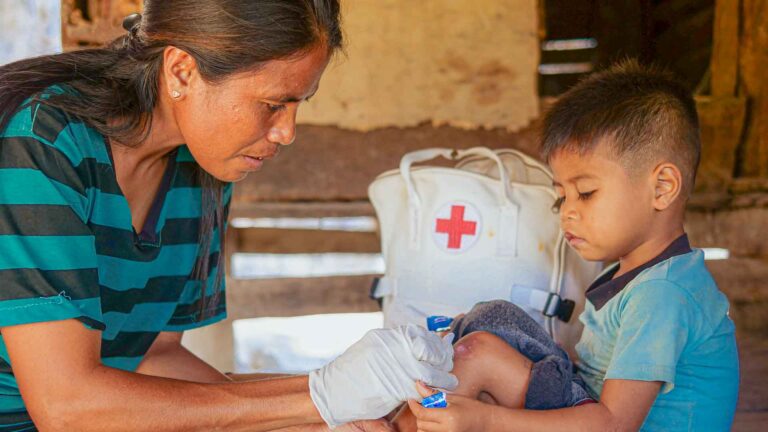
Primary Medical Care Dans les zones reculées
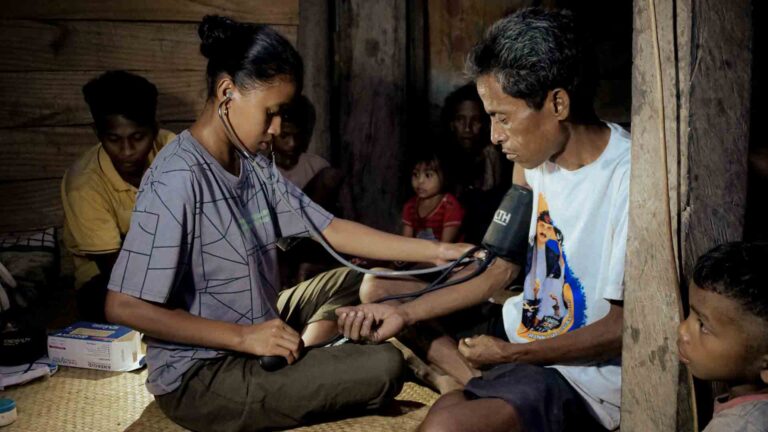
Agents de santé ruraux de Kawan Sehat
Sources de référence
