


Thèmes de santé
Alcohol and health
Understanding alcohol-related harm, recognising poisoning and dependence, and connecting prevention, safe treatment and family protection with care in rural East Sumba.
La révision clinique de la traduction est en cours. L’approbation dans la langue source n’approuve pas cette traduction.
Lorsque les soins ne peuvent attendre
Seek emergency care if someone cannot be woken, has a seizure, or has slow, irregular or difficult breathing after drinking. Do not leave them alone or assume they can sleep it off.
Severe confusion, hallucinations or seizures after reducing or stopping alcohol also need emergency care. Physical dependence requires a medically planned approach.

Understanding alcohol and its effects
Alcoholic drinks contain ethanol, a substance that affects the brain and can cause dependence. Beer, wine, spirits and locally prepared drinks can all cause harm.
Alcohol can slow reactions, affect judgement and coordination, and change behaviour. A person may feel more confident while becoming less able to recognise danger. Drinking heavily on one occasion can be dangerous even without dependence.
Alcohol use disorder is a medical condition in which controlling drinking becomes difficult despite harm. It can affect people from many backgrounds. Family history, stress, trauma, mental health and the availability of alcohol can influence risk. Difficulty stopping deserves assessment and care, not humiliation.
L'alcool · Understanding alcohol use disorder
A long history, a clearer medical understanding
People were making fermented drinks long before modern medicine. Fermentation allows microorganisms to turn sugars into alcohol. In 2004, Patrick McGovern and colleagues reported chemical evidence from pottery at Jiahu in China for a fermented mixture of rice, honey and fruit dating to around 7000 BCE.
This documents an ancient practice, not a single inventor. Modern medicine recognises alcohol use disorder as a treatable condition, alongside the substance’s wider effects on health and relationships.
Fermented beverages of pre- and proto-historic China, 2004 · Understanding alcohol use disorder
How alcohol can harm health
Harm may develop quietly before a person feels seriously unwell. Alcohol can damage the liver, pancreas, heart and nerves. It can contribute to high blood pressure, irregular heart rhythm, digestive problems, sleep disturbance and difficulties with memory or mood.
Alcohol also increases the risk of several cancers, including those of the mouth, throat, oesophagus, liver, breast and bowel. Heavy use can weaken the body’s defences against infection and make recovery from illness or injury more difficult.
Alcohol is not a treatment for anxiety, insomnia or pain. Combining it with opioids, sleeping tablets or other sedating medicines can dangerously suppress breathing. Ask a clinician or pharmacist about interactions rather than assuming a familiar medicine is safe with alcohol.
Alcohol's effects on the body · Understanding alcohol overdose
Signs that drinking needs attention
A person does not need to drink every day or develop visible illness before seeking help. What matters is the pattern and its effect on everyday life.
- Drinking more, or for longer, than intended; finding attempts to cut down difficult.
- Strong cravings, planning life around drinking, or needing more alcohol to obtain the same effect.
- Continuing despite health problems, missed responsibilities, conflict or unsafe situations.
- Memory gaps after drinking, repeated injuries, or concern expressed by someone trusted.
- Shaking, sweating, nausea, anxiety or a racing heartbeat when alcohol wears off or drinking is reduced.
These signs are reasons for a confidential clinical conversation, not a diagnosis made from a checklist. The clinician considers drinking, withdrawal, other health conditions, medicines, nutrition and the person’s safety.
Understanding alcohol use disorder
Alcohol poisoning: recognise an emergency
Someone who cannot be woken, has a seizure, breathes slowly or irregularly, or becomes severely confused after drinking needs emergency care. Vomiting while very drowsy, pale or blue-tinged skin, and being unusually cold are also concerning. Do not wait for every sign to appear.
Alcohol can continue entering the bloodstream after drinking stops. An unconscious person must not be left to sleep it off. Stay with them and arrange urgent medical help and safe transport. If unconscious but breathing normally, place them on their side in the recovery position and monitor breathing. If they are not breathing normally, start resuscitation if able and follow emergency instructions.
Do not give food or drinks to someone who is drowsy or unable to swallow safely. Do not force vomiting, give coffee, put them in a cold shower or make them walk. Tell the care team what they may have drunk or taken, when, and whether injury is possible.
Alcohol poisoning · Understanding alcohol overdose
Stopping safely when dependence is possible
Abruptly stopping or sharply reducing alcohol can be dangerous when a person is physically dependent. Seek medical advice before attempting to stop if drinking is heavy and regular, withdrawal has occurred before, or there is a history of withdrawal seizures.
Withdrawal can include tremor, sweating, nausea, anxiety and disturbed sleep. Hallucinations, marked agitation, confusion or a seizure require emergency assessment. Do not treat severe withdrawal alone at home or use someone else’s sedatives.
The care team decides whether withdrawal can be managed with close outpatient support or requires hospital care. In remote areas, unreliable transport, limited monitoring or an unsafe home may change that decision. A safe plan includes where to go if symptoms worsen.
Alcohol-use disorder and withdrawal · Treatment for alcohol problems
Treatment and continuing recovery
A first conversation can take place at a health centre. Assessment may include physical and mental health, other substance use, nutrition, pregnancy, medicines, previous withdrawal and the person’s goals. Be honest about locally prepared drinks and the size of the container; their strength may be uncertain.
Treatment can combine counselling, practical support and appropriate medicines. Talking therapies help identify triggers and prepare other ways of responding. Depending on clinical suitability and availability, medicines such as naltrexone or acamprosate can support recovery. Disulfiram is another option for selected patients under medical supervision; it must never be secretly given to someone.
A clinician checks relevant conditions and medicines before prescribing. Treatment available in another country is not automatically available in East Sumba. Kawan Sehat agents can help connect a person with a qualified service; they do not independently prescribe withdrawal treatment.
Managing withdrawal is a beginning, not the whole treatment. Follow-up should address cravings, mental health, food, work, relationships and access to care. Returning to drinking is a reason to reassess the plan and obtain help again. It does not make someone undeserving of care.
Treatment for alcohol problems · Alcohol-use disorder and withdrawal · Primary Medical Care · Kawan Sehat Agents de santé
Pregnancy, children and family safety
No safe amount or safe time for drinking during pregnancy is known. Alcohol exposure before birth can affect development and cause lifelong learning, behavioural or physical difficulties. If someone has already drunk alcohol during pregnancy, offer prompt antenatal advice without blame. If dependence is possible, stopping needs medical support.
Children and partners can also be harmed through neglect, financial insecurity, injuries and violence associated with harmful drinking. Alcohol does not excuse violence or make a victim responsible for preventing it. Someone at risk needs a safe, confidential route to medical and protection services.
Do not ask a child to manage an intoxicated adult or make a partner’s safety depend on persuading someone to stop. Our violence contre les femmes et Violences contre les enfants health sheets explain why protection and care must come first.
Alcohol exposure before birth · L'alcool · Politique de protection de l'enfance
Practical prevention and safer choices
- Not drinking avoids alcohol-related exposure. There is no risk-free level of consumption. For someone who drinks, reducing consumption reduces many risks; if dependence is possible, plan changes with medical support.
- Keep driving, motorcycling, swimming and hazardous work alcohol-free. Arrange transport with a sober driver before a gathering. Do not travel with a driver who has been drinking.
- Protect children and adolescents. Keep alcohol out of reach, avoid pressuring others to drink and offer activities and drinks without alcohol.
- Make help practical. Choose someone trusted to talk to, identify drinking triggers and agree on a clinical appointment and follow-up.
- Do not assume an unlabelled or locally prepared drink is safe. Its strength or contents may be unknown. New visual disturbance, severe illness or unusual breathing after drinking requires emergency assessment because toxic alcohol contamination is possible.
L'alcool · Alcohol-use disorder and withdrawal · Methanol: health and safety guide
Alcohol prevention in rural East Sumba
In the communities where Fair Future works, harmful drinking is a recurrent medical and social concern. Its effects reach beyond the person holding the glass: a journey becomes unsafe, money is no longer available for food or treatment, or a home becomes a place of fear. These are concerns to discuss with people, not labels to attach to every family or village.
Nos alcohol harm-prevention campaign brings those consequences into view. Its illustrated posters support conversations led by Kawan Sehat Agents de santé par le biais Primary Medical Care. The work includes explaining warning signs, listening privately to concerns and helping someone reach appropriate care.
During community health education in Bidi Hunga, alcohol, tobacco and nutrition posters were used together. These subjects meet in everyday life. Nutrition et alimentation et Santé de l'enfant help keep prevention connected with household needs and children’s well-being.
Training helps agents recognise emergencies and prepare referral and follow-up. The Application médicale Kawan Sehat can support recording concerns within care. These tools complement clinical assessment and safe treatment.
Our alcohol harm-prevention campaign · Primary Medical Care · Kawan Sehat Agents de santé · Community health education in Bidi Hunga
Our campaign posters
Use the Educational Posters collection to introduce a conversation, then use this health sheet to explain the condition and when care is needed. A person should be able to ask for help privately after a group discussion.
Our alcohol harm-prevention campaign · Educational posters
Questions to take to the health centre
- Could I be physically dependent, and how can I change my drinking safely?
- Which symptoms need emergency care, and where can we get help from our village?
- What treatment is appropriate and actually available to me?
- How will we protect children, support nutrition and review progress?
- Who can I speak to privately if drinking is connected with violence or fear at home?
Programmes connexes et ressources de terrain
programme
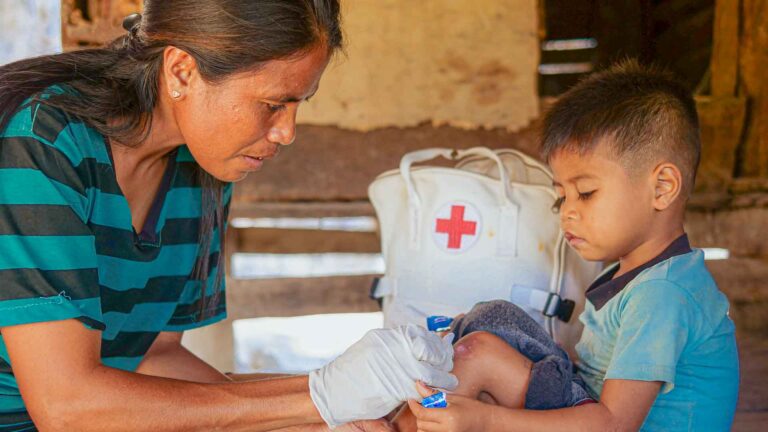
Primary Medical Care Dans les zones reculées
Connect prevention with clinical assessment and referral.
programme
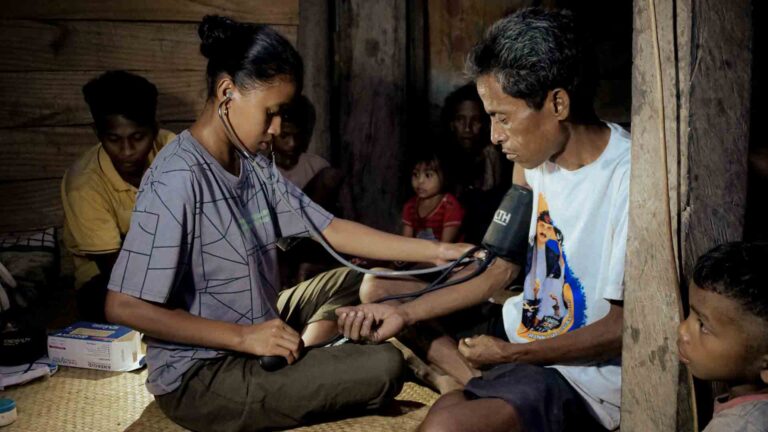
Agents de santé ruraux de Kawan Sehat
Explore health education and continuing community support.

programme
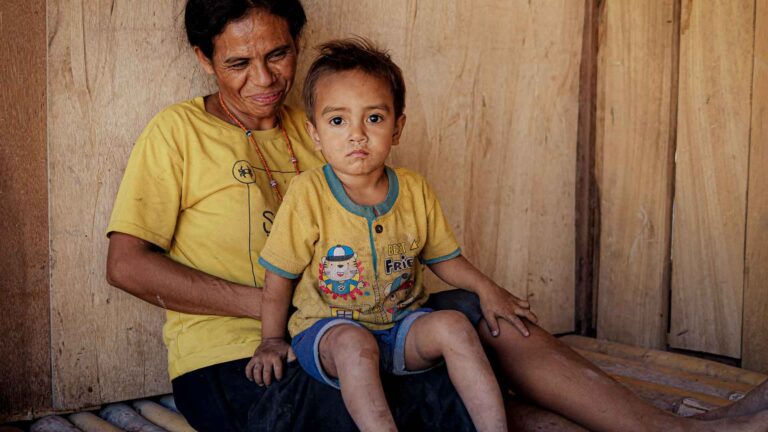
Nutrition et alimentation dans les villages reculés
Connect recovery and household needs with nutrition.
article
Les dangers d'une consommation excessive d'alcool
Read about our alcohol harm-prevention campaign.
Sources de référence
- L'alcoolOrganisation mondiale de la santéConsulté
- Understanding alcohol use disorderNational Institute on Alcohol Abuse and AlcoholismConsulté
- Alcohol-use disorder and withdrawalService national de santéConsulté
- Alcohol poisoningService national de santéConsulté
- Understanding alcohol overdoseNational Institute on Alcohol Abuse and AlcoholismConsulté
- Alcohol's effects on the bodyNational Institute on Alcohol Abuse and AlcoholismConsulté
- Treatment for alcohol problemsNational Institute on Alcohol Abuse and AlcoholismConsulté
- Alcohol exposure before birthCentres de contrôle et de prévention des maladiesConsulté
- Fermented beverages of pre- and proto-historic China, 2004McGovern and colleagues, Proceedings of the National Academy of SciencesConsulté
- Our alcohol harm-prevention campaignFair Future FoundationConsulté
- Educational postersFair Future FoundationConsulté
- Primary Medical CareFair Future FoundationConsulté
- Kawan Sehat Agents de santéFair Future FoundationConsulté
- Community health education in Bidi HungaFair Future FoundationConsulté
- Politique de protection de l'enfanceFair Future FoundationConsulté
- Methanol: health and safety guideWorld Health Organization / International Programme on Chemical SafetyConsulté
Informations générales sur la santé, et non une prescription ou un diagnostic individuel.
