


Thèmes de santé
Changements climatiques et santé
Understanding how a changing climate affects health, and how water, nutrition, prevention and access to care can protect rural families.
La révision clinique de la traduction est en cours. L’approbation dans la langue source n’approuve pas cette traduction.
Lorsque les soins ne peuvent attendre
Urgent illness still needs urgent care. Confusion, collapse, seizures, severe breathing difficulty or inability to drink requires immediate medical help. Move someone affected by heat to a cooler place and begin cooling while help is arranged. Do not give drinks to a person who cannot swallow safely.
A weather event must not become a reason to postpone treatment. If the usual road or clinic is inaccessible, seek advice from the available health team about the safest alternative.
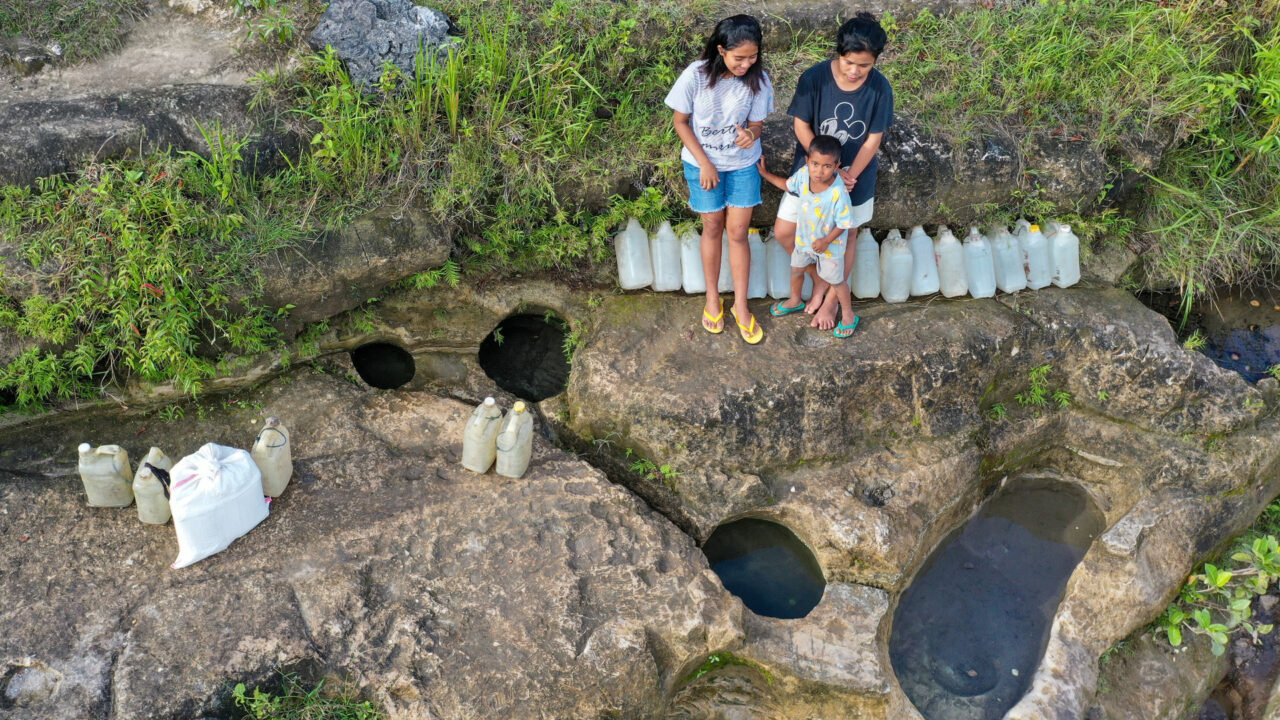
Understanding climate change and health
Climate change alters the conditions in which people live and stay well. It can increase exposure to extreme heat, disrupt water and food systems, damage homes and make healthcare harder to reach. Existing illness, poverty and weak infrastructure can increase vulnerability.
This is a health issue with many pathways, not a single disease. A hotter period can worsen heat stress; disrupted supplies can interrupt treatment; changing environmental conditions can affect some infectious diseases. These effects depend on the place, the season and the protection already in place.
A person with fever, diarrhoea or breathlessness still needs clinical assessment. Climate information helps us understand risk and prepare services. It does not replace a diagnosis or prove what caused an individual illness.
Changements climatiques et santé · Effects of climate change on health
How the connection became better understood
People have long observed connections between weather and illness. Modern climate research brought measurements, physical science and population health evidence together, helping distinguish daily weather from long-term changes in the climate.
In 1988, the World Meteorological Organization and the United Nations Environment Programme established the IPCC. Its first assessment followed in 1990. The panel assesses research from many scientific disciplines; it is not the discovery of one physician or one disease.
The health response has developed alongside this evidence. It asks a practical question: can water, food and healthcare systems continue protecting people when environmental conditions change?
How environmental changes reach the body
- Heat: prolonged exposure can cause heat illness and place additional strain on people with existing health conditions.
- Water and food: drought, floods and damaged infrastructure can compromise supplies and increase exposure to contaminated water or unsafe food.
- Infections : some vectors and pathogens respond to temperature and rainfall, but local conditions and prevention measures remain important.
- Air and stress: smoke and poor air quality can aggravate respiratory illness. Loss, disruption and uncertainty can affect mental well-being.
- Interrupted care: transport, staff, medicines, power and communication can all be affected when services are under pressure.
Changements climatiques et santé · Effects of climate change on health · Operational framework for climate resilient and low carbon health systems
Health problems to recognise
Do not dismiss unusual weakness, dizziness, reduced urine, worsening breathing or persistent fever as simply part of a difficult season. Children, older people, pregnant women, outdoor workers and people with chronic illness may need particular support.
For a child, reduced feeding, unusual sleepiness, breathing difficulty or a marked change in behaviour needs attention. For an adult, new confusion, collapse or severe breathlessness is an emergency. Illness can also become serious when a regular medicine runs out or follow-up is missed.
Ask about sleep, distress and daily functioning after disruption. A family may need practical assistance and supportive care as well as treatment of physical symptoms.
Effects of climate change on health · Heat and health · Heat exhaustion and heatstroke
Assessment and treatment
There is no single treatment for the health effects of climate change. Care addresses the actual problem: cooling and emergency treatment for heatstroke, rehydration for fluid loss, testing for suspected infection, or appropriate management of an existing condition.
Tell the health team about recent heat exposure, changes in drinking water, food access, travel and missed medicines. This information can guide assessment without making the environment the automatic explanation for every symptom.
Agree on a follow-up plan that can survive a disrupted road or unreliable signal. Which service should be contacted? Where can medicines be collected? What changes mean the person should return urgently?
Heat and health · Heat exhaustion and heatstroke · Operational framework for climate resilient and low carbon health systems
Prevention starts before a crisis
- Plan for heat. Organise shade, safe drinking water, rest and work schedules appropriate to conditions.
- Protect water systems. Inspect storage, drainage and treatment arrangements before and after disruption.
- Keep prevention working. Maintain mosquito protection, food hygiene, vaccination access and routine care.
- Plan continuity. Discuss medicine supplies, referral transport and communication with the responsible health service.
- Include people with fewer options. A plan must work for a person who cannot easily walk, pay for transport or read a message on a phone.
Heat and health · Operational framework for climate resilient and low carbon health systems
Connected protection in eastern Indonesia
In the ultra-rural east of Indonesia, health protection often depends on things outside the consultation room: a functioning tank, food at home, a road that can be used and a trained person nearby. Our work connects Water Connections, Nutrition et alimentation et Primary Medical Care because a weakness in one can affect the others.
Kawan contre le paludisme connects prevention and early assessment of malaria with the conditions in which families live. Mosquito risks need local observation and appropriate testing; a change in rainfall alone does not tell us which infection a person has.
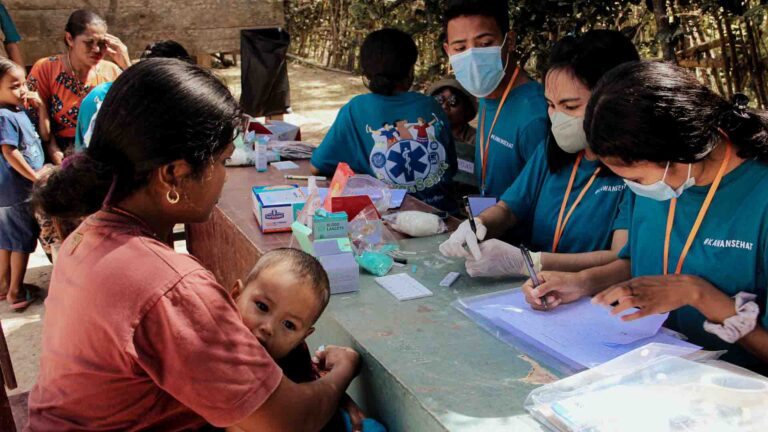
Agents de Kawan Sehat help families recognise changes, discuss prevention and seek appropriate care. The Application médicale Kawan Sehat supports records and follow-up where connectivity is difficult. Its value depends on training, supervision and the ability to refer; a record on a screen cannot replace treatment.
Le Étude sur la sépsis à Sumbawā examines household conditions and barriers to reaching care. These observations help connect prevention with service planning. They do not establish that each reported illness was caused by climate change.
Water Connections · Primary Medical Care · Climate change and health in eastern Indonesia
Questions to prepare with the local health team
- Which household members need extra help during heat or supply disruption?
- What is our safe alternative if the water supply fails?
- Where will we obtain regular medicines and follow-up?
- Who can help arrange referral if the usual route is blocked?
Programmes connexes et ressources de terrain
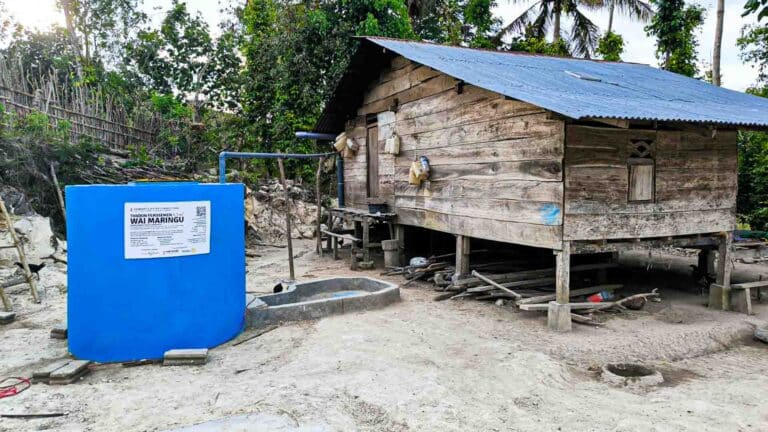
programme
Water Connections Pour les villages ruraux
Connect water infrastructure with everyday health protection.
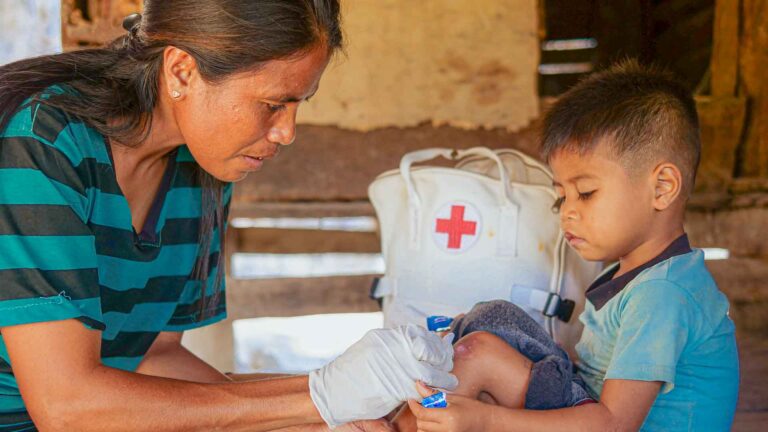

programme
Nutrition et alimentation dans les villages reculés
See how nutrition supports health and resilience.
Sources de référence
- Changements climatiques et santéOrganisation mondiale de la santéConsulté
- Effects of climate change on healthCentres de contrôle et de prévention des maladiesConsulté
- History of the IPCCIntergovernmental Panel on Climate ChangeConsulté
- Heat and healthOrganisation mondiale de la santéConsulté
- Heat exhaustion and heatstrokeService national de santéConsulté
- Operational framework for climate resilient and low carbon health systemsOrganisation mondiale de la santéConsulté
- Water ConnectionsFair Future FoundationConsulté
- Primary Medical CareFair Future FoundationConsulté
- Climate change and health in eastern IndonesiaFair Future FoundationConsulté
Informations générales sur la santé, et non une prescription ou un diagnostic individuel.
