


Thèmes de santé
Santé primaires
Understanding care close to everyday life: prevention, early assessment, treatment, follow-up and a reliable route to more specialised services.
La révision clinique de la traduction est en cours. L’approbation dans la langue source n’approuve pas cette traduction.
Lorsque les soins ne peuvent attendre
Seek emergency help for severe breathing difficulty, collapse, seizures, new confusion, major bleeding or symptoms of stroke. A baby or child who cannot feed or drink, is unusually drowsy or is rapidly worsening also needs urgent assessment.
A nearby health worker can help recognise danger and arrange referral. Community care does not replace hospital treatment when a person needs more advanced assessment or support.
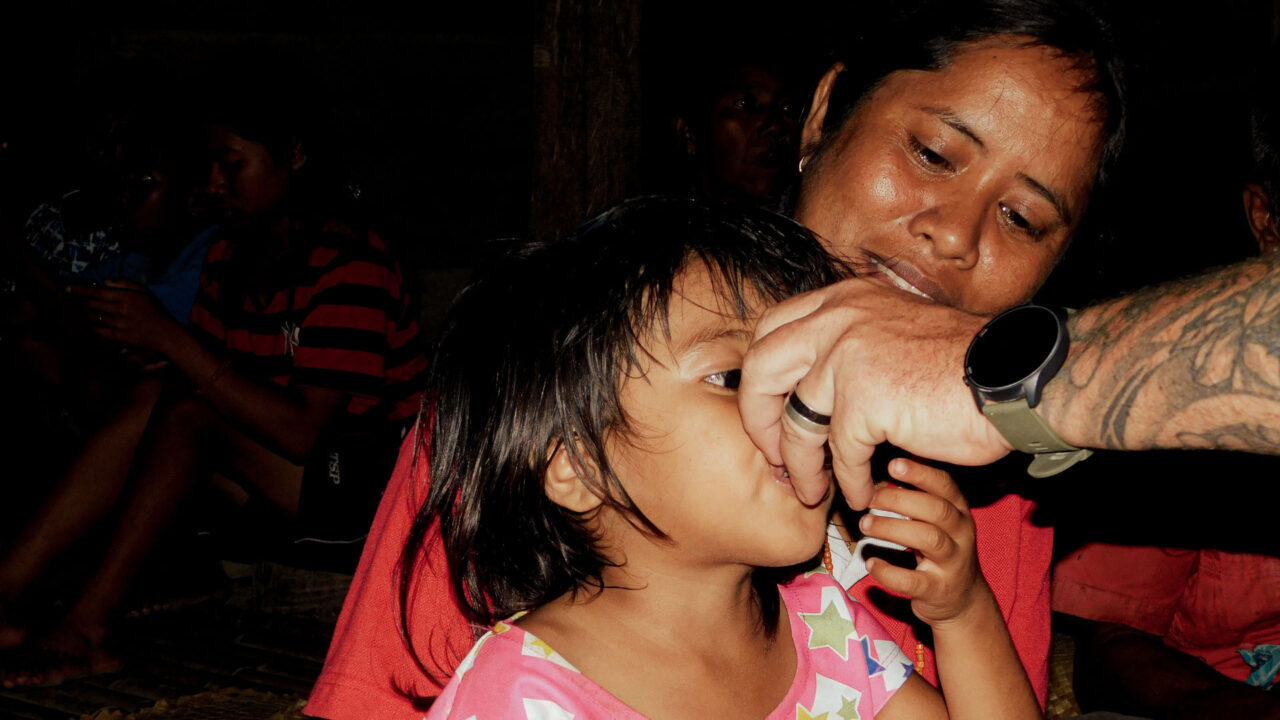
Understanding primary health care
Primary health care is an approach to health built around people and their daily lives. It connects health promotion, prevention, treatment, rehabilitation and palliative care with participation by families and communities.
Primary care is the clinical first-contact part of this wider approach. A consultation matters, but so do safe water, nutrition, education, accessible services and the ability to act on advice. These conditions influence whether a treatment plan can work.
Care close to home should be coordinated with the wider health system. A person may need a laboratory, maternity service, specialist or hospital. The purpose of a local service includes recognising those needs and making the next step possible.
Santé primaires · Primary health care: questions and answers
From Alma-Ata to care close to home
In 1978, WHO and UNICEF jointly convened the Alma-Ata conference on primary health care. Its declaration placed health as a right, community participation and action across society at the centre of the approach.
The Declaration of Astana in 2018 renewed that commitment. This is the history of a way of organising health services and social action, rather than the discovery of a disease by one researcher.
The practical challenge remains: a service must be understandable, reachable and able to continue care over time. A clinic building alone cannot guarantee that a family can use it.
Declaration of Alma-Ata · Primary health care, Astana and COVID-19
What good everyday care includes
- Prévention : vaccination through the appropriate service, health education, safer environments and support for healthier habits.
- Early assessment: listening to concerns, examining the person and recognising when testing or referral is needed.
- Treatment: an agreed plan, appropriate medicines and clear instructions.
- Continuité : checking progress, reviewing long-term illness and avoiding gaps between visits.
- Coordination : useful records and communication when care moves between health workers or services.
Santé primaires · Primary Care Checklist
When a person should seek assessment
A persistent or worsening symptom, a new concern in pregnancy, poor feeding or growth, a wound that is not healing, or difficulty taking regular medicines deserves attention. A person does not need to wait until they are seriously ill to ask for care.
Some conditions, including high blood pressure, may cause no obvious symptoms. Appropriate checks and follow-up therefore remain useful even when the person feels well. Screening should follow local guidance and the person’s needs.
Urgent danger signs require immediate action. Tell the health worker what has changed, when it started and whether the person can drink, breathe comfortably and stay alert.
Sepsis · Integrated management of childhood illness · Hypertension
What to expect from a consultation
The health worker should explain their role, listen, assess within their competence and discuss the next step. Questions about medicines, allergies, pregnancy, previous illness and daily circumstances help make care safer.
A plan should answer ordinary questions: what is the likely problem, what treatment or test is needed, how should medicines be taken, when should improvement occur and which changes require urgent return? Ask for an explanation in language you understand.
A referral is part of care. It should include relevant findings and treatment already given. Where possible, confirm the destination, transport, handover and who will review the person afterwards.
Keeping care continuous and safe
- Keep a list of medicines, allergies and important previous care, and bring it to appointments.
- Discuss missed doses, costs, transport and side effects openly so the plan can be adjusted safely.
- Use prescribed medicines as directed; do not share another person’s treatment.
- Arrange the next review and know how to seek help sooner if the condition worsens.
- Ask how personal information is recorded and shared for care. Involve family members according to the person’s wishes and needs.
Primary Care Checklist · Patient safety
Primary Medical Care in ultra-rural eastern Indonesia
Fair Future Primary Medical Care programme contributes to this wider approach. In East Sumba, distance, difficult roads, limited connectivity and household resources can shape what happens after a consultation. Care needs to take those constraints seriously.
Agents de Kawan Sehat support prevention, recognition of concerns and follow-up within their training and supervision. The programme connects with public health services, including Puskesmas and referral facilities; it does not replace specialist or hospital care.
Le Application médicale Kawan Sehat supports clinical records and continuity where connectivity is unreliable. Training and review remain essential. An application can help organise information, but it cannot make an unsafe medicine decision safe by itself.
Water Connections, Nutrition et alimentation, Santé de l'enfant et Kawan contre le paludisme address connected needs around the same families. A child recovering from infection needs more than a prescription if drinking water is unsafe or food is insufficient.
Le Étude sur la sépsis à Sumbawā examines prevention conditions and delays in access. Its role is to help us ask better questions about the route to care, not to turn household reports into unconfirmed clinical diagnoses.
Primary Medical Care · Application médicale Kawan Sehat · Étude sur la sépsis à Sumbawā
Questions worth asking before going home
- What should we do today?
- Which changes mean we should seek urgent care?
- Where do we go if this service is closed or cannot provide the next test?
- When and with whom is the follow-up?
- What can be changed if the plan is difficult to follow at home?
Programmes connexes et ressources de terrain
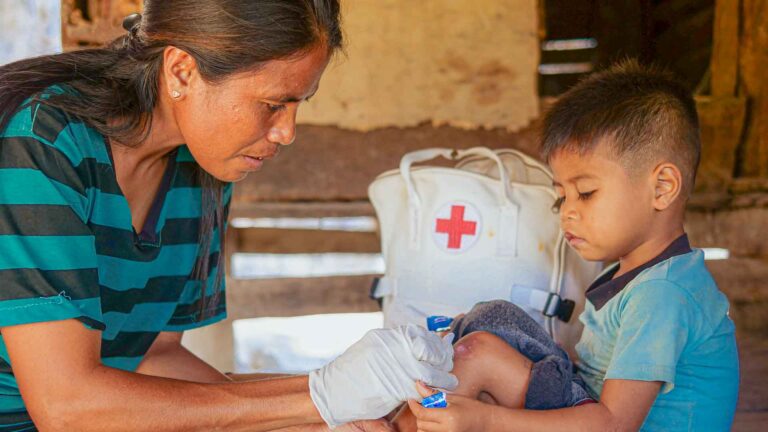
programme
Primary Medical Care Dans les zones reculées
Explore Fair Future’s Primary Medical Care programme.
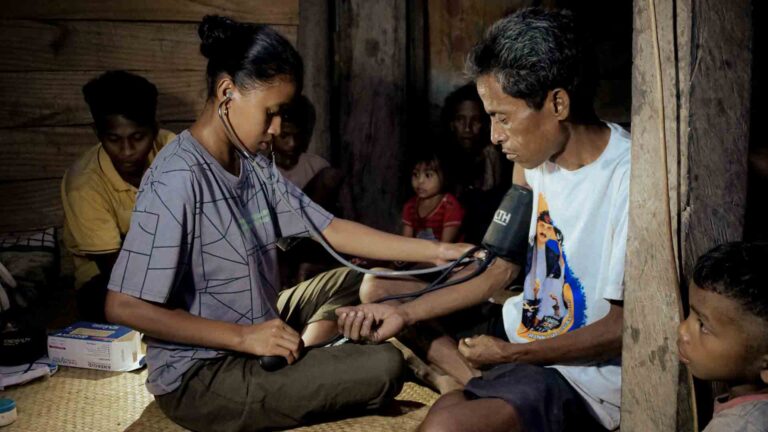
article
Kawan Sehat App médicale – Soins hors ligne dans les régions rurales
See how medical records support rural continuity of care.

programme
Mobilité des troupes et logistique dans l’est de Sumba
Understand why transport is part of access to healthcare.
Sources de référence
- Santé primairesOrganisation mondiale de la santéConsulté
- Primary health care: questions and answersOrganisation mondiale de la santéConsulté
- Declaration of Alma-AtaOrganisation mondiale de la santéConsulté
- Primary health care, Astana and COVID-19Organisation mondiale de la santéConsulté
- SepsisOrganisation mondiale de la santéConsulté
- Integrated management of childhood illnessOrganisation mondiale de la santéConsulté
- Primary Care ChecklistOrganisation mondiale de la santéConsulté
- HypertensionOrganisation mondiale de la santéConsulté
- Patient safetyOrganisation mondiale de la santéConsulté
- Primary Medical CareFair Future FoundationConsulté
- Application médicale Kawan SehatFair Future FoundationConsulté
- Étude sur la sépsis à SumbawāFair Future FoundationConsulté
Informations générales sur la santé, et non une prescription ou un diagnostic individuel.
