

One Health starts at the water source
A river sample near Kawangu contained E. coli. Protecting people’s health means caring for animals and keeping the water and land around them safe.
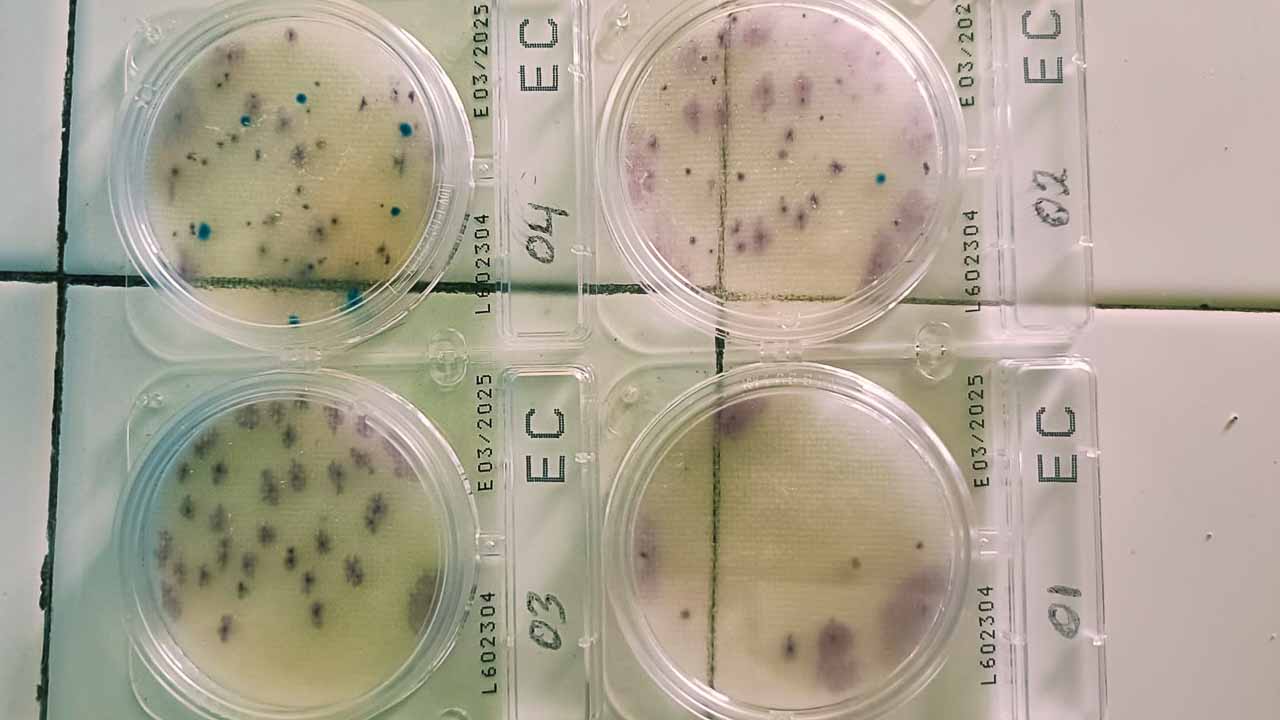
One Health in East Sumba starts with a question: what reaches the water before we do? Near Kawangu, we found E. coli in a river sample. The test pointed to faecal contamination. It couldn’t tell us whether it came from people, animals or both. A river can look clear and still carry what has washed into it.
What One Health looks like in East Sumba
Human health cannot last if we neglect the health of animals and the places we share. That is the idea behind the World Health Organization’s One Health approach. At a water source, it means looking upstream, understanding how people and animals use the land, and asking what families can realistically do when they have no safer water within reach.
Par le biais Water Connections, we work with communities to bring safer water closer to homes and schools. But a tank is only part of the job. Water needs to be protected at the source, stored safely and tested when contamination is suspected. Families need toilets they can use. Animal health teams and health workers need to be able to share what they’re seeing.
We can treat someone who comes to us sick. We also have to ask what they’ll be going back to. If the only water they can reach is still unsafe, that is where our work has to continue.
