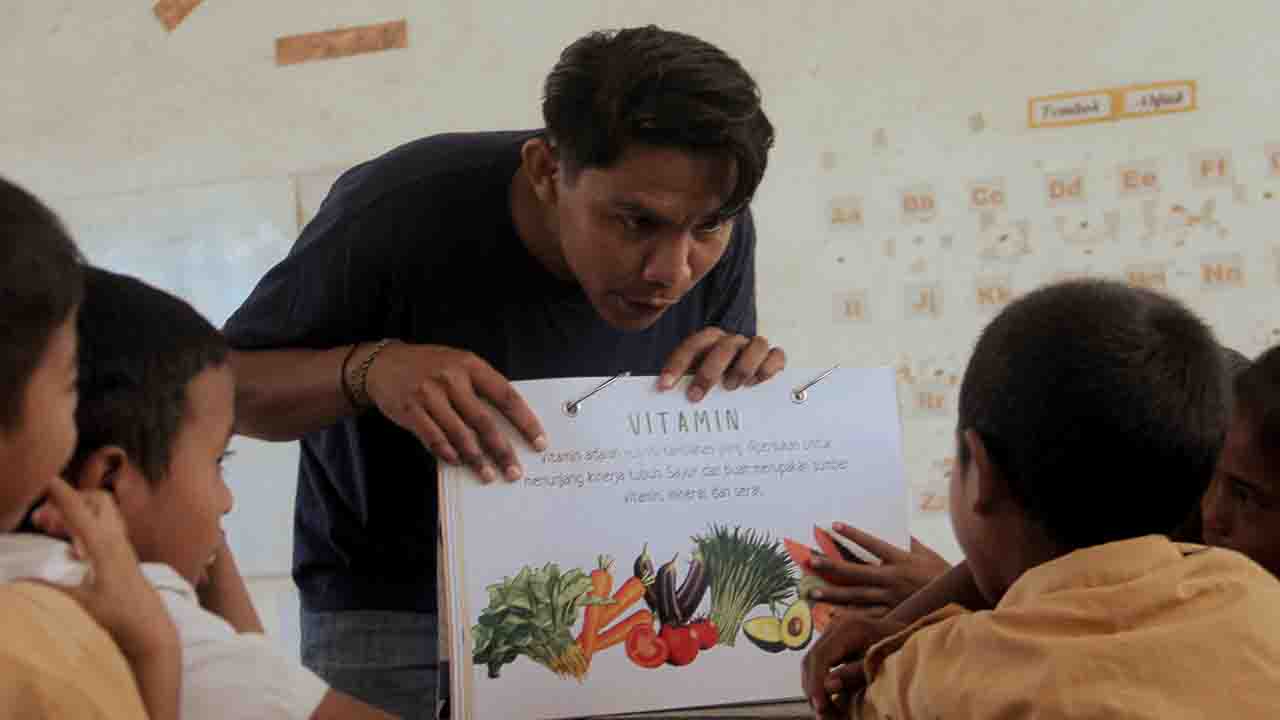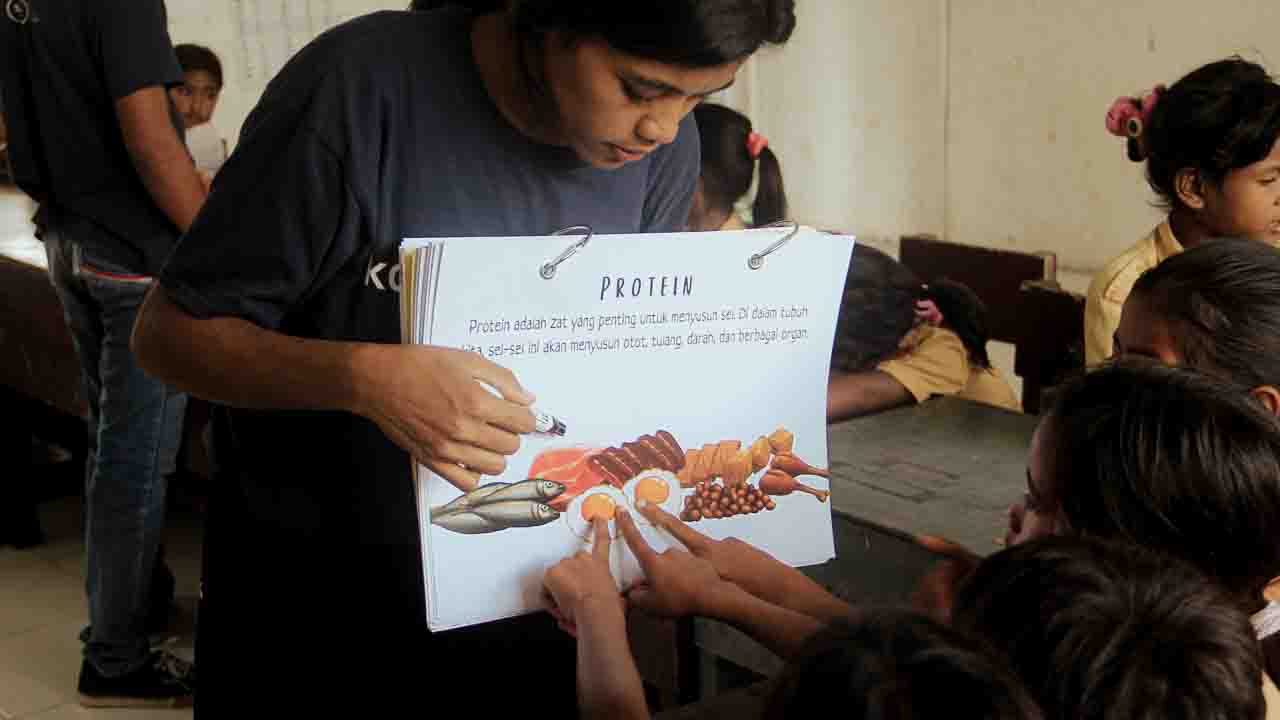
Clinical growth monitoring, nutrition education, and primary care consultations in East Sumba, where malnutrition increases infection severity and weakens child immunity.
MBG Food Safety | When School Meals Make Children Sick
A nutrition programme cannot make children sick.
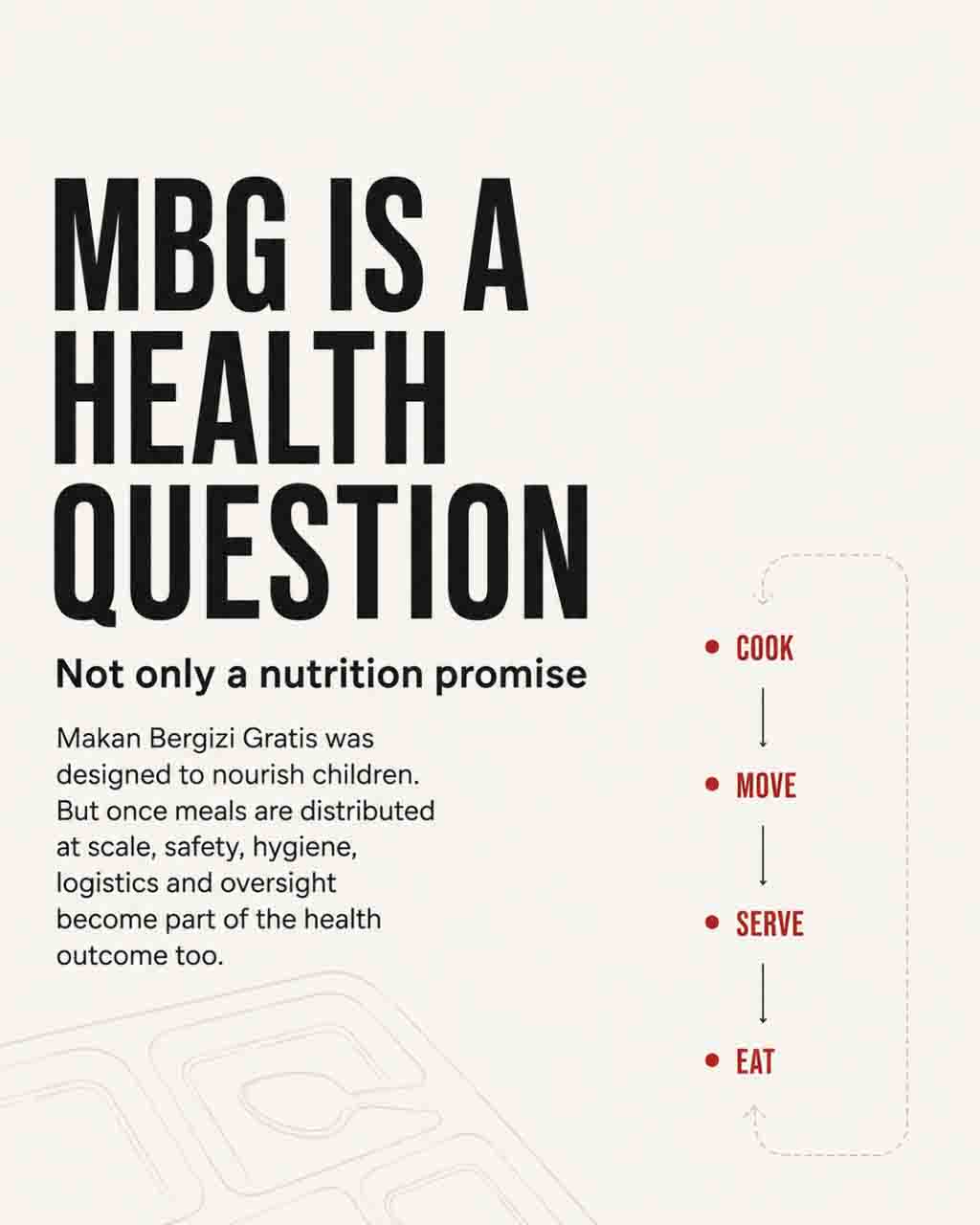
Indonesia’s Makan Bergizi Gratis programme was created to fight malnutrition. Yet a programme designed to protect children is now linked to repeated food-poisoning outbreaks across the country. More than 50,000 people have reportedly fallen ill since MBG began.
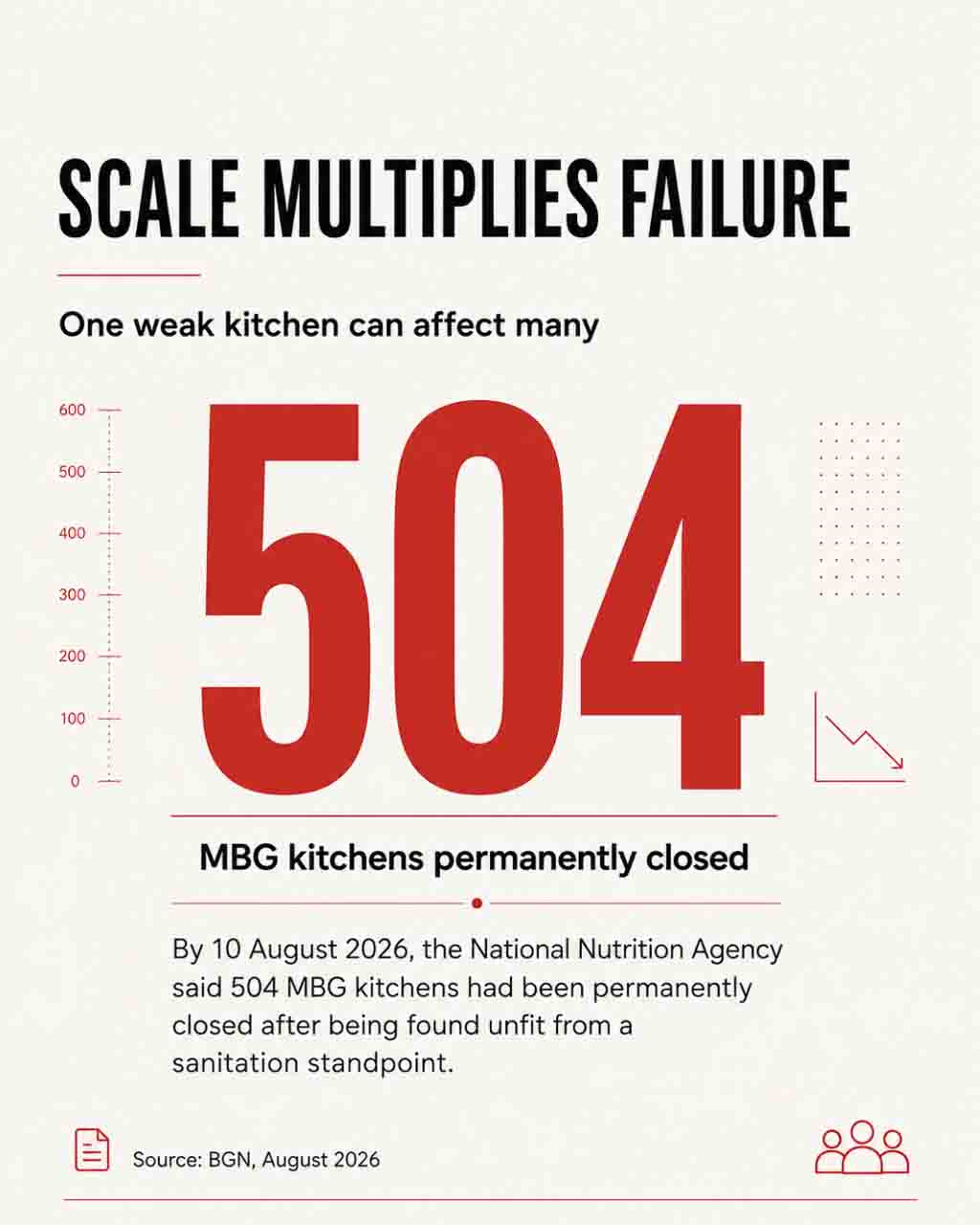
On 7 September 2026, the National Nutrition Agency temporarily closed 1,999 MBG kitchens that had not registered for the mandatory hygiene and sanitation certificate. Parents of affected children have now filed a police complaint demanding accountability. This is not a minor operational problem. It is a food safety failure with direct medical consequences.
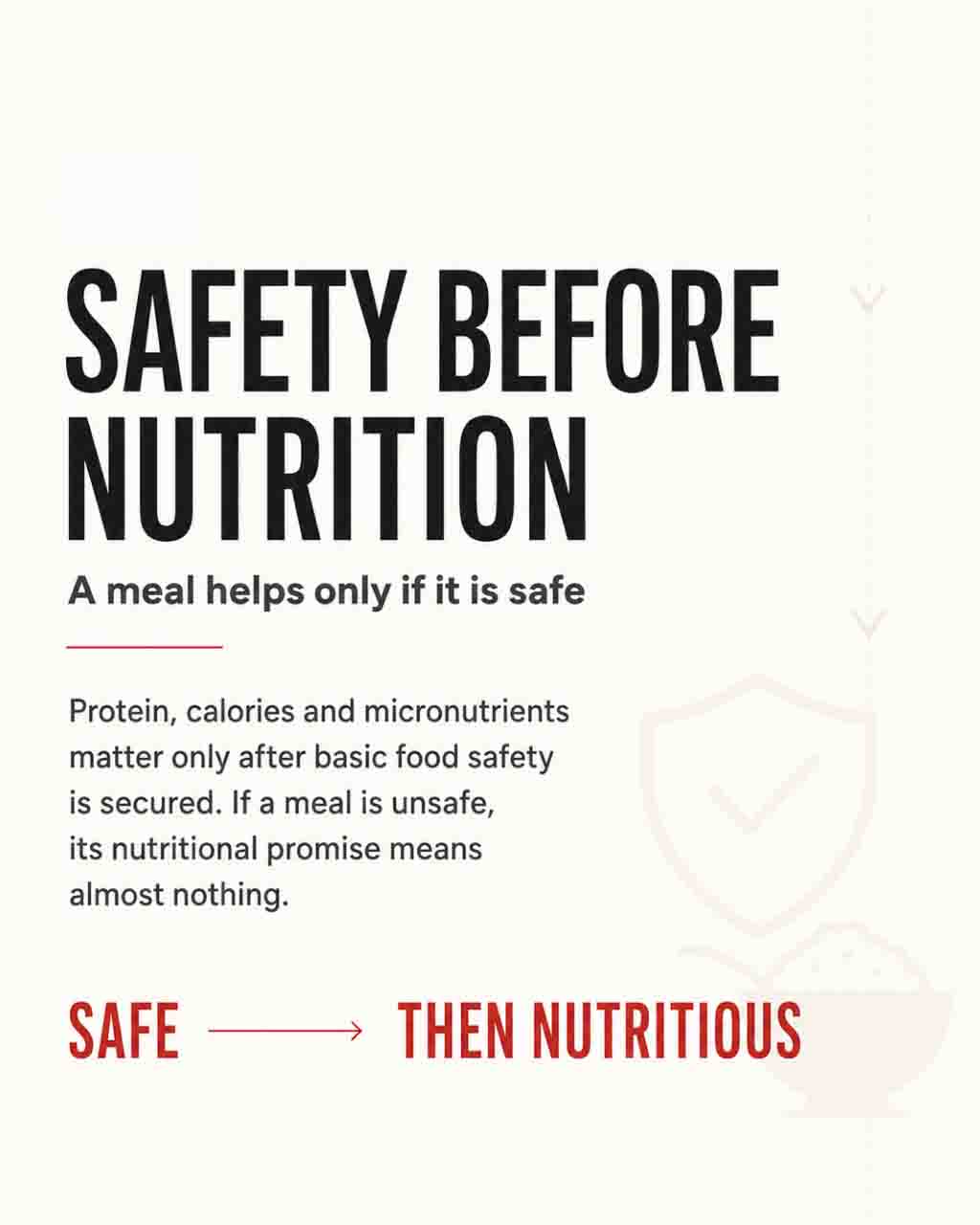
MBG food safety is the first obligation
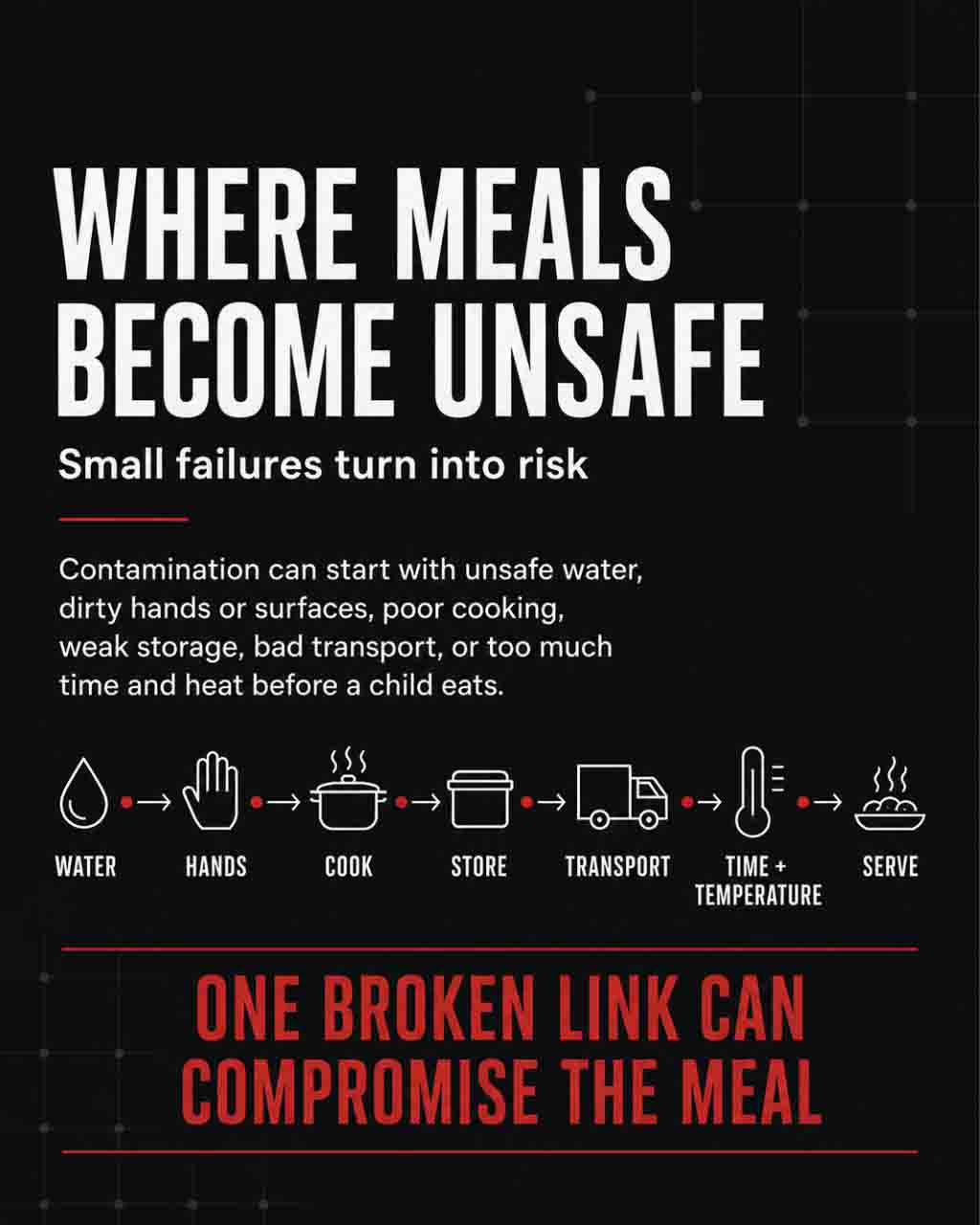
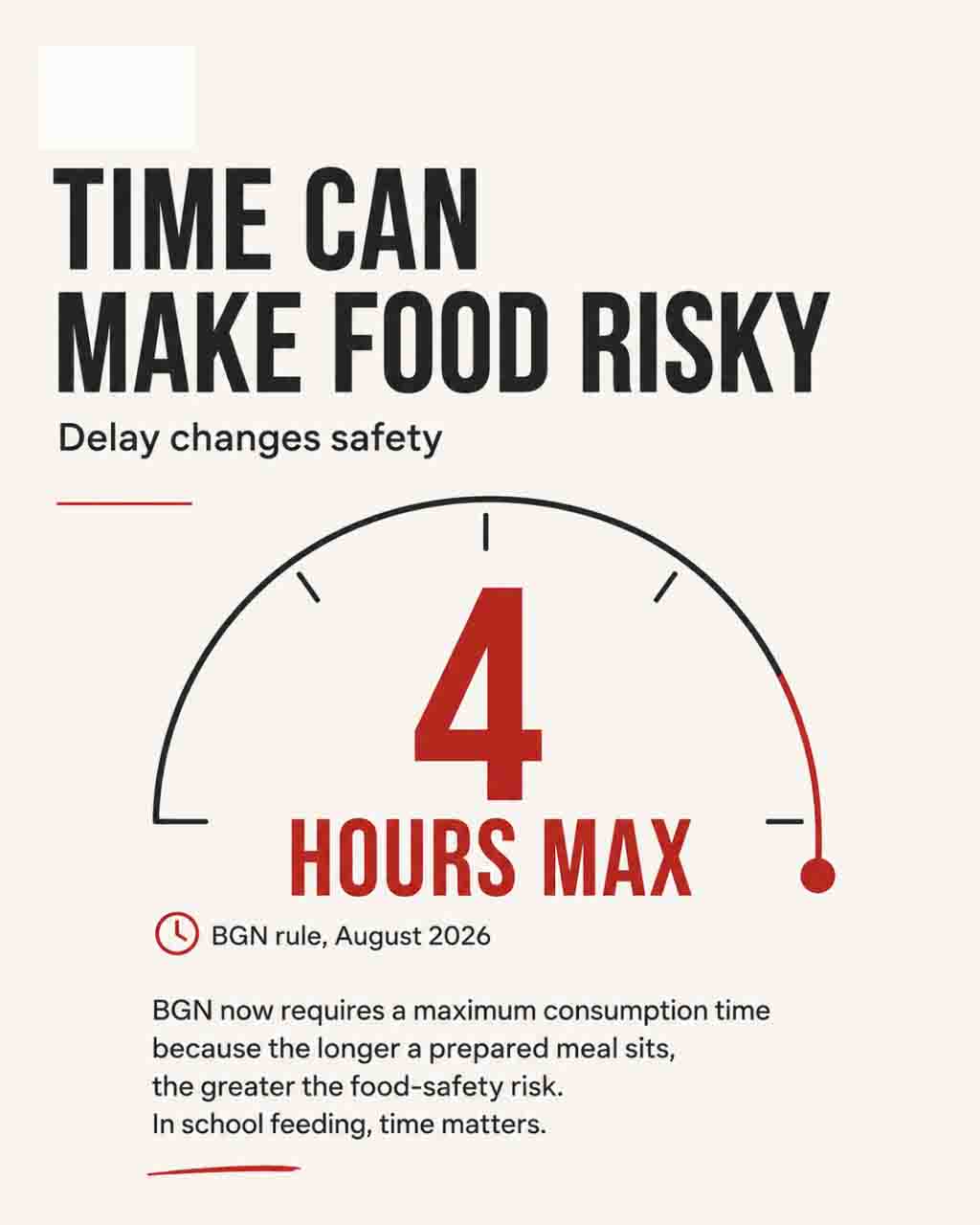
Mass catering requires safe water, clean kitchens, trained food handlers, separation of raw and cooked food, adequate cooking, temperature control, rapid distribution and traceability when something goes wrong. WHO advises that cooked food should not remain at room temperature for more than two hours, that cold food should preferably stay below 5°C and hot food above 60°C. These are basic rules. Bacteria do not care about budgets or political promises.
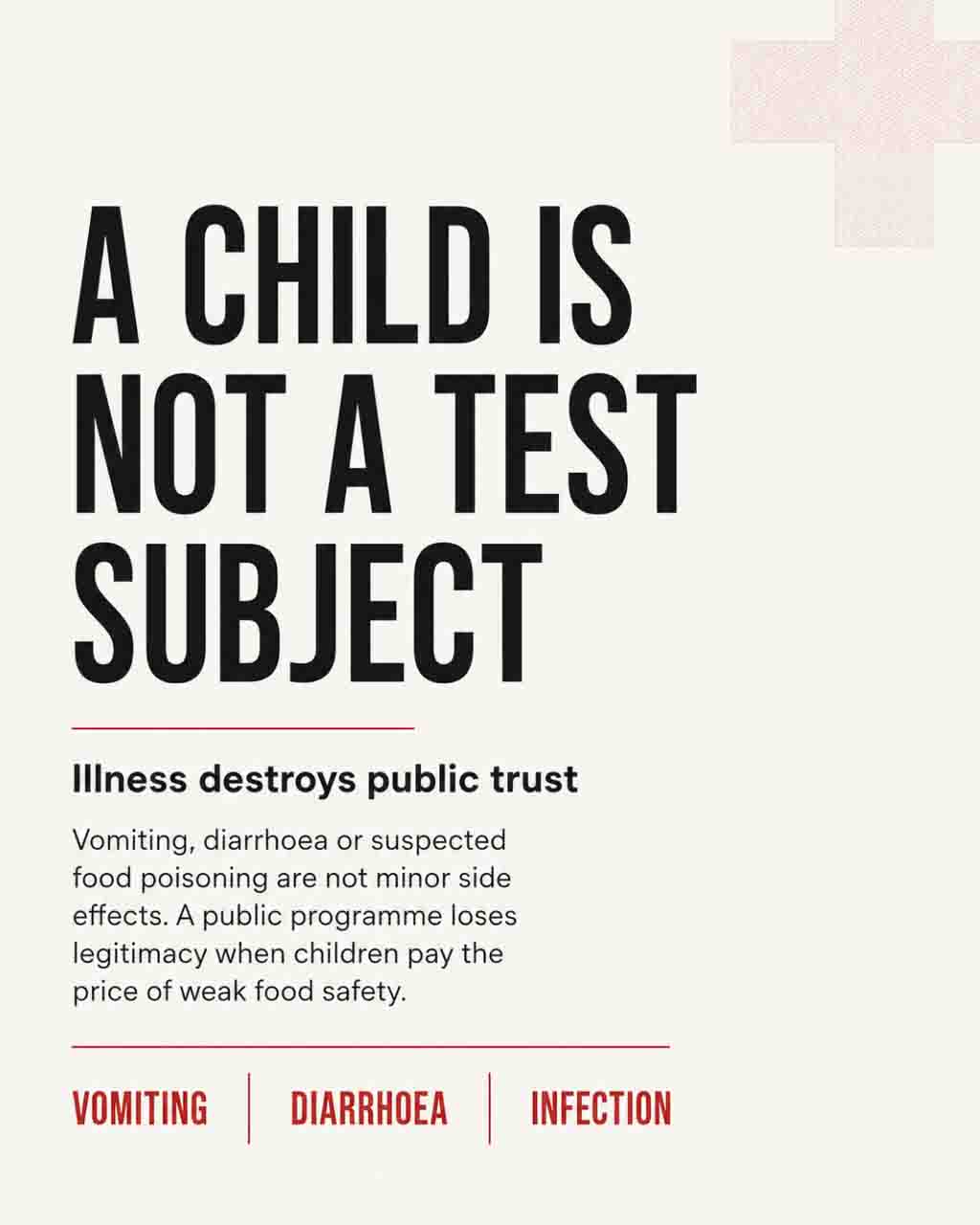
When thousands of meals are prepared and transported every day, every weak point is multiplied. One contaminated water source, one dirty hand, one poorly cleaned utensil, one interrupted cold chain, or one delayed delivery can expose hundreds of children at once. The consequences are familiar to us in medicine. Vomiting, diarrhoea, abdominal pain, fever and dehydration. In a child already affected by malnutrition, an acute gastrointestinal infection can rapidly worsen an already fragile condition.
More meals do not mean better nutrition
Here in East Sumba, we treat children and adults affected by poor diets, dehydration, recurrent infections and nutritional deficiencies every week. We know that food matters. We also know that distributing food is not enough.
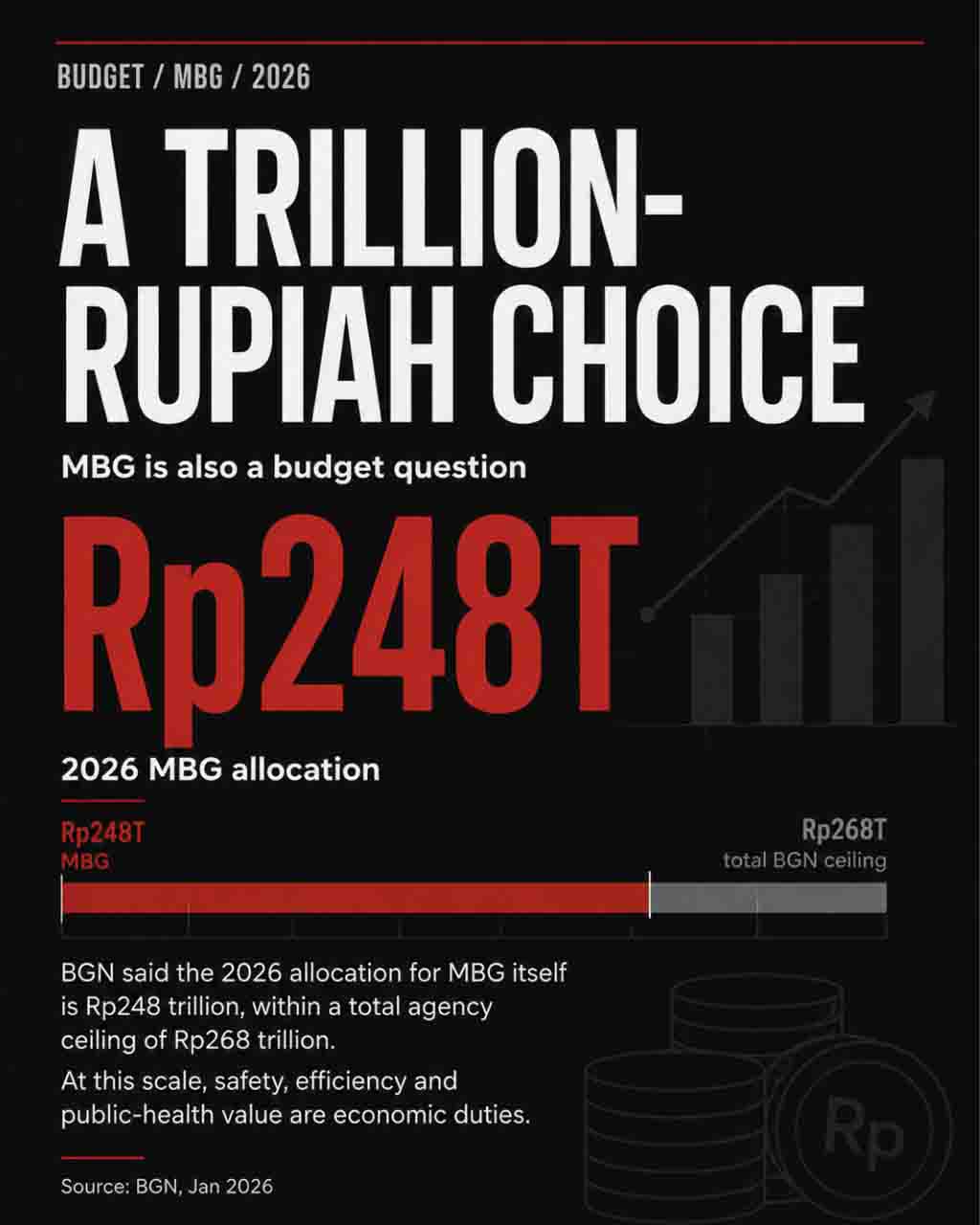
Nutrition also means clean water, hygiene, knowledge, local food production, vegetable gardens, diversified diets, adequate protein and giving families the means to feed themselves safely tomorrow, not simply handing them a box today. A programme financed with vast public resources cannot treat food safety as a secondary administrative requirement.
The failure of MBG is not that Indonesia wants to feed children. Feeding children matters. The failure is doing it at massive scale without consistently guaranteeing the conditions that make food safe. When more than 50,000 people become sick, and nearly 2,000 kitchens must be suspended for sanitation compliance, the warning is impossible to ignore.
Food is not safe because it is free. Food is safe because every step, from water to kitchen to plate, is controlled. Feeding millions of children is not a gesture. It is a medical, logistical and ethical responsibility.
Thank you very much for reading this article. Today, August 28th, 2026 | Alex Wettstein
Learn, share and use our nutrition posters
Over the years, Fair Future Foundation and Kawan Baik Indonesia have developed around ten public health education campaigns, including three focused specifically on nutrition, balanced diets and healthier food choices. We use these posters directly in schools and villages during our field activities in East Sumba. They are designed to be understood, discussed and reused. You can view and download them here for free and use them for education, prevention, or community health activities.
View and download our nutrition and health posters here →
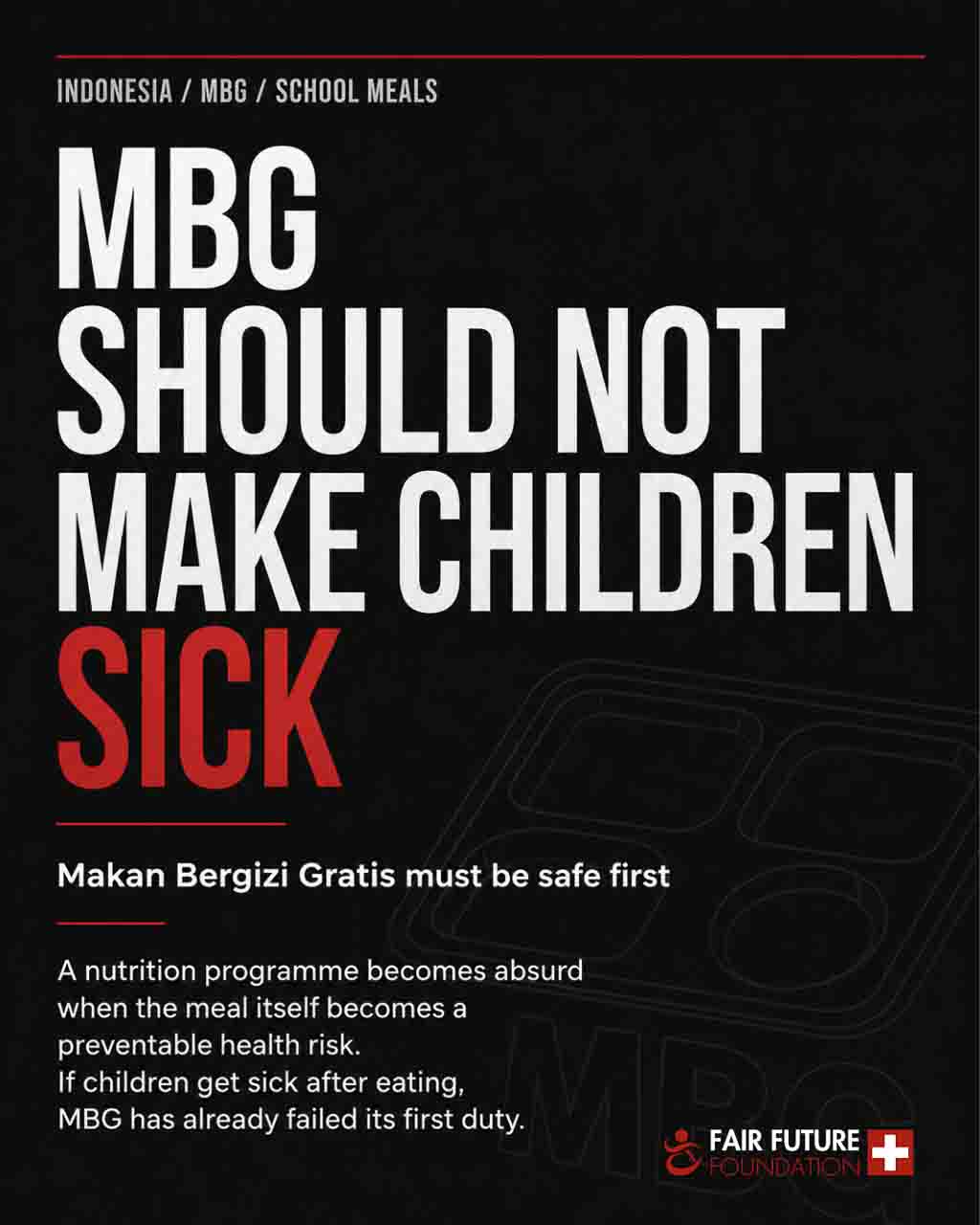
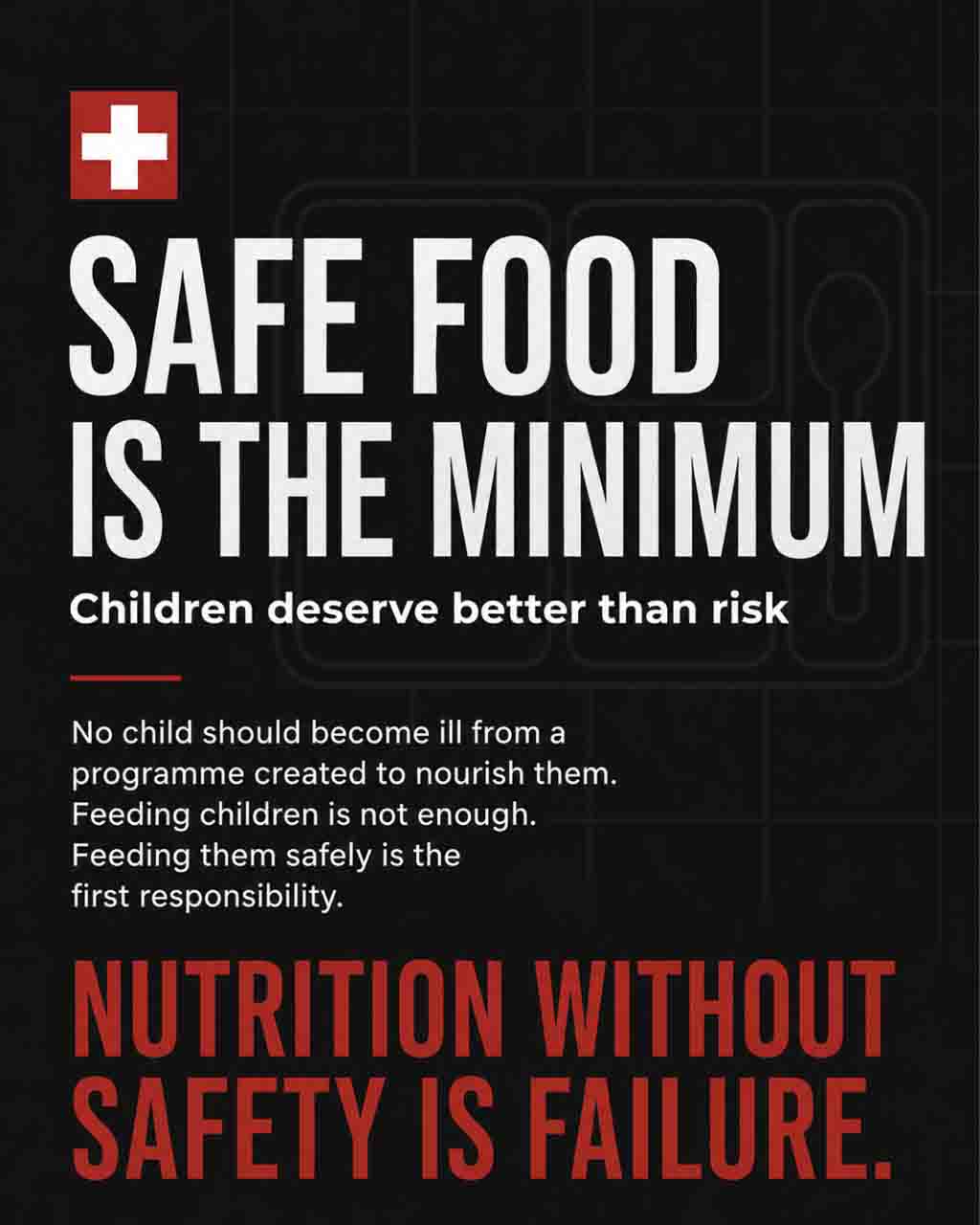
MBG Should not make them sick
Liste des organisations liées avec des liens hypertexte
- Badan Gizi Nasional: Indonesia’s National Nutrition Agency oversees MBG and confirmed the suspension of 1,999 kitchens that had not registered for mandatory hygiene certification.
- Ministry of Health Indonesia: Indonesia’s Ministry of Health describes the sanitary controls, food safety requirements and health oversight needed for large-scale MBG meal distribution.
- BPOM Indonesia: BPOM regulates food safety in Indonesia and strengthens science-based controls designed to prevent contamination and foodborne disease across the national food system.
- Food and Agriculture Organisation: FAO promotes school meal systems that combine nutrition, food safety, local food production, education, and sustainable access to healthy diets.
- Centres for Disease Control and Prevention: CDC explains why young children are especially vulnerable to foodborne illness, dehydration and severe complications caused by contaminated food.