La #ZeroMalaria mission : tester la population de l'est de Sumba dans des conditions extrêmes
Navigating Extreme Conditions to Conduct Tens of Thousands of Tests: The Logistical and Medical Challenges Overcome
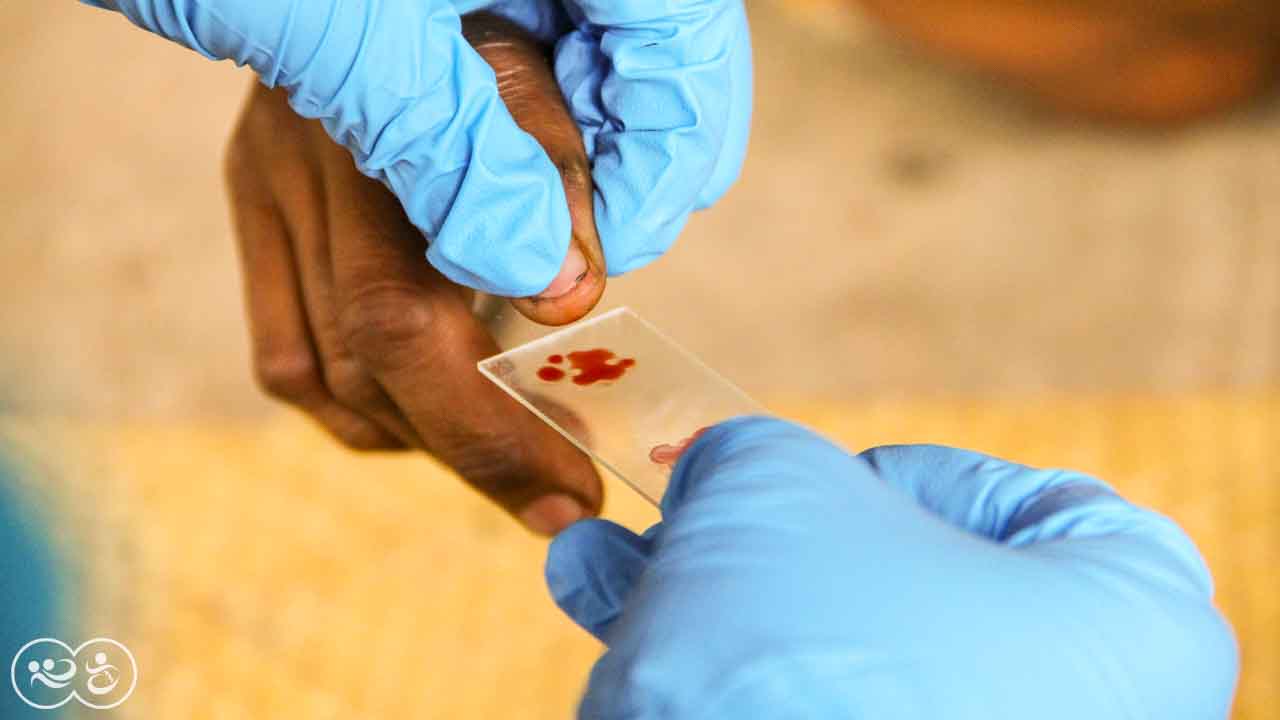
Diagnostic and Screening: A Science and an Art – Conducting Tens of Thousands of Tests
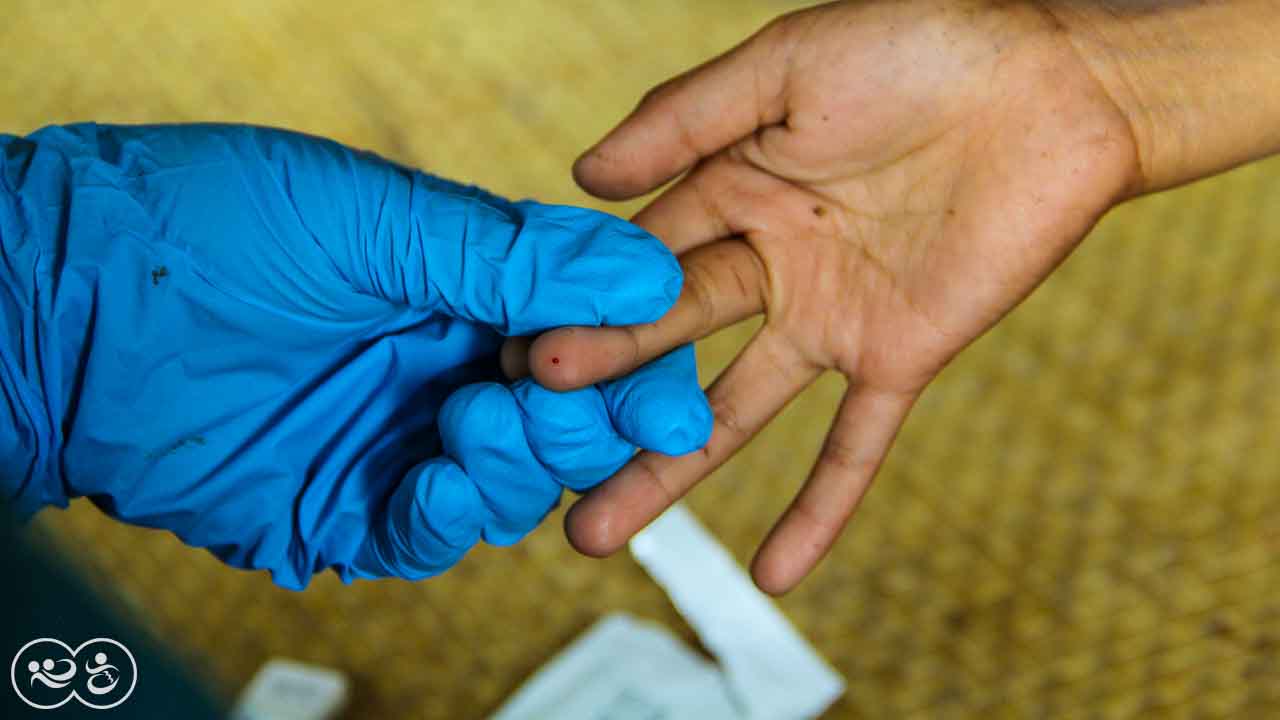
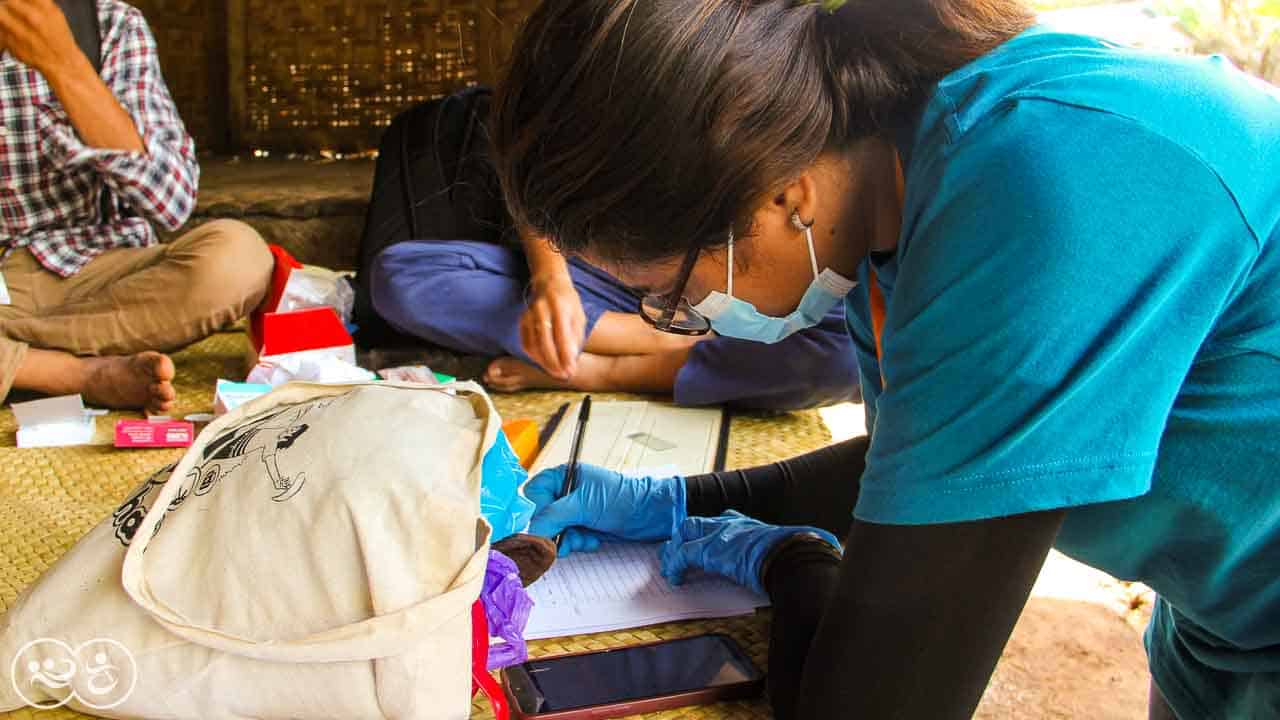
Our socio-medical teams, composed of highly qualified professionals, are deployed to conduct screening tests on tens of thousands of people. We focus on detecting six specific varieties of maladie de malaria parasites, each having its own implications in terms of symptoms, severity, and treatment. Accurate diagnosis is crucial and highly complex, requiring cutting-edge medical and technological expertise.
Logistical Challenges: A Race Against Time – Reaching Ultra-Rural Areas
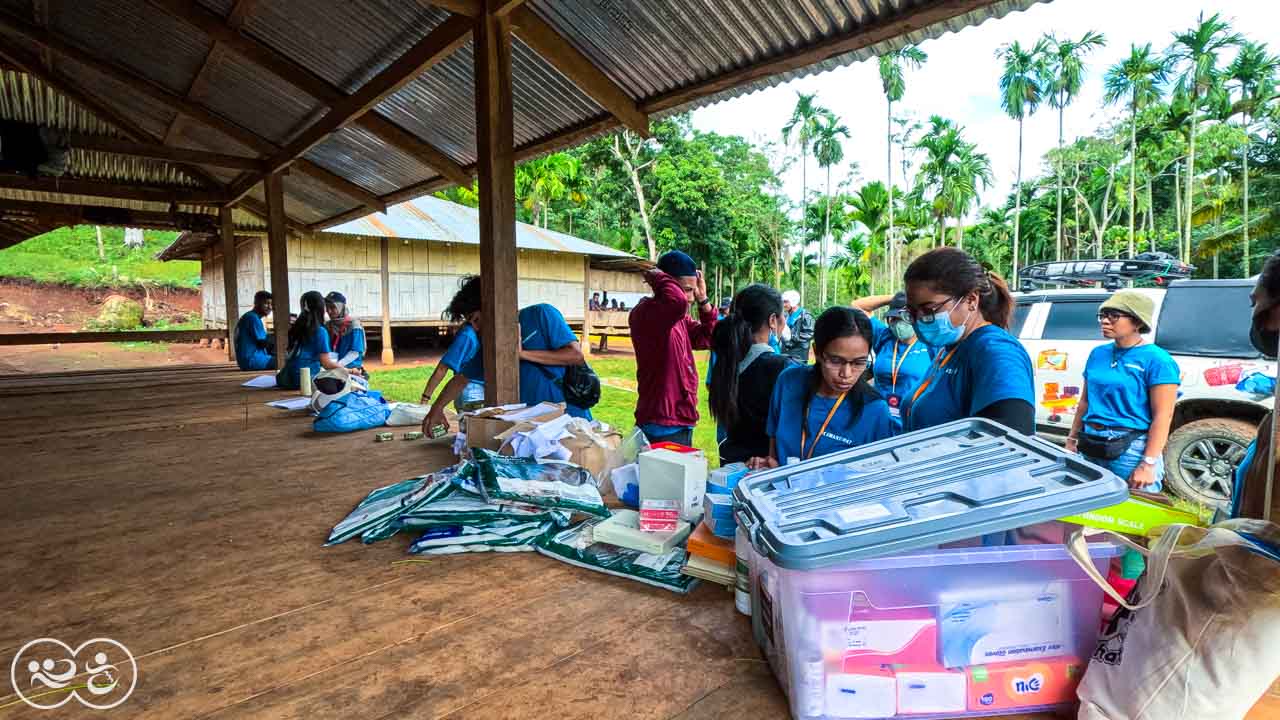
Deploying these tests in ultra-rural regions is a Herculean logistical task. The absence of stable electricity complicates using microscopes and other essential medical equipment. To overcome these challenges, we have set up robust all-terrain vehicles, like the Truck of Life, equipped with generators. These vehicles are designed to navigate complex and often dangerous terrains, allowing our teams to reach isolated, inaccessible populations.
Test Reliability: The Quest for Accuracy – Overcoming Temperature Constraints
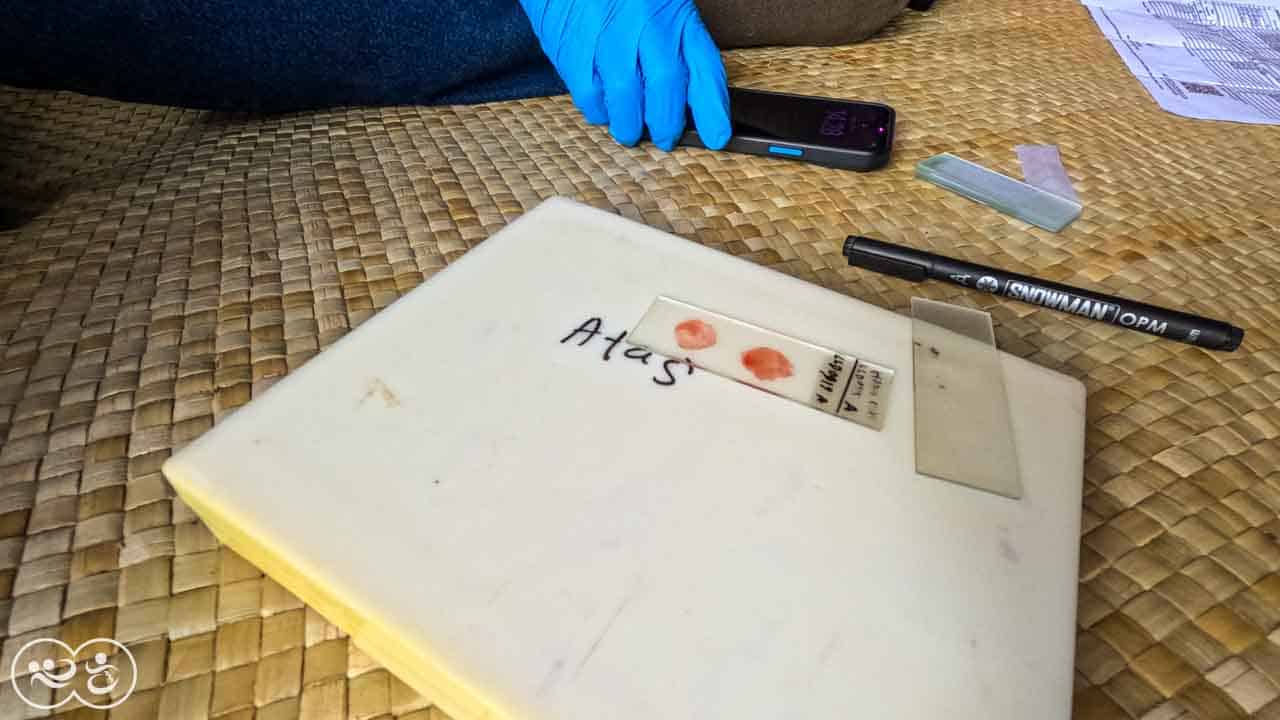
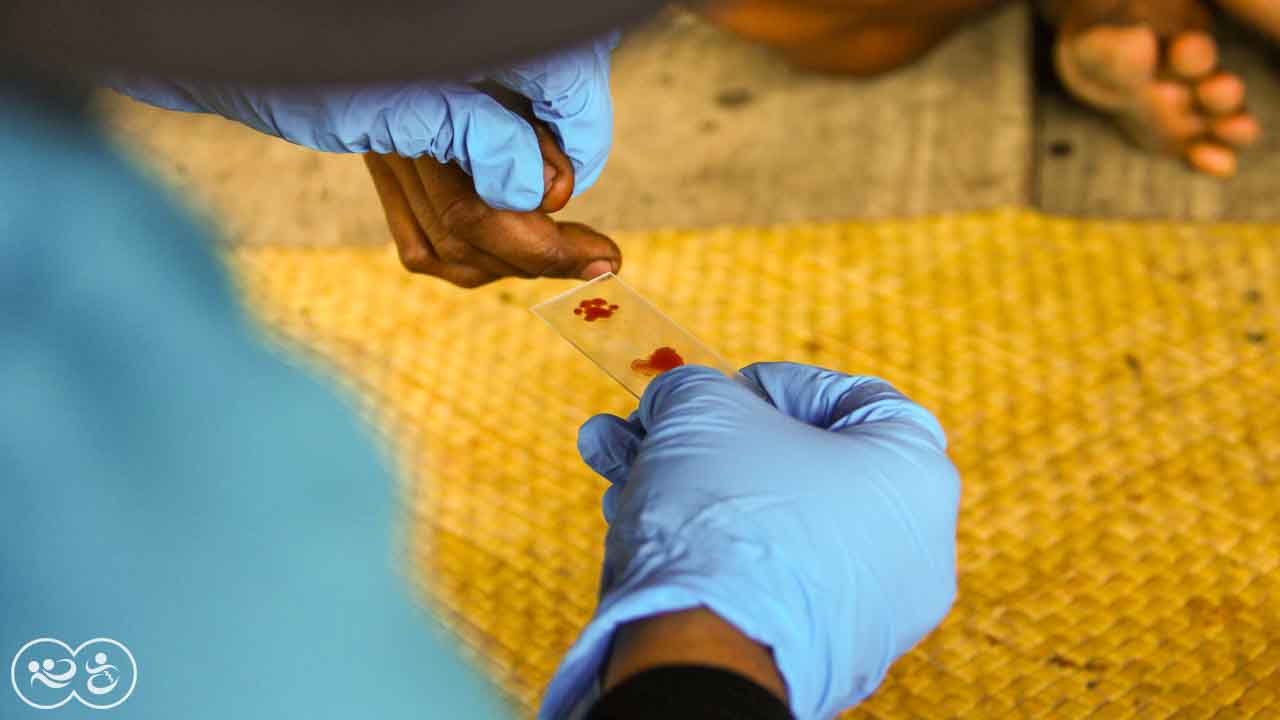
While rapid diagnostic tests for malaria (RDTs) are convenient for mass screening, their reliability can be compromised by inadequate storage conditions, including temperatures above 30 degrees Celsius. We have adopted a mixed approach to address this limitation, supplementing RDTs with more reliable microscopic examinations. This hybrid method significantly increases the accuracy of our diagnoses, even though it is more time-consuming and requires additional resources.
” The #ZeroMalaria programme is not just a mission; it’s a race against time to save lives in one of the hardest-hit regions of the world. Eradicating maladie de malaria from East Sumba is our ambitious goal, and we will not stop until we achieve it.” – Alex Wettstein, founder, president and chief medical officer of the Fair Future Foundation
Resistance and Adaptation: An Evolving Battle – Adapting to Insecticide Resistance
We are also faced with the growing resistance of mosquitoes to pyrethroids, the only class of insecticides used in the insecticide-treated nets we distribute. Additionally, we observe behavioural changes in mosquitoes, who seem to bite earlier in the day and spend more time outside, thus reducing their insecticide exposure. These factors add a layer of complexity to our mission and require constant adaptation of our intervention strategies.
Primary Healthcare: The Bedrock of Resilience – Launched in 2022
Launched in 2022, our Primary Medical Care program serves as a solid foundation for strengthening the resilience of local healthcare systems. This program is essential for combating maladie de malaria and bolstering overall healthcare capacities in the regions we serve, particularly in the context of limited financial resources.
Financial Challenges: An Urgent Call to Action – Funding Needed for #ZeroMalaria and Primary Medical Care
Sur September 21, we issued an urgent call to draw attention to our financial difficulties. Despite the vital importance of our programs, including #ZeroMalaria et Primary Medical Care, the reality is that these initiatives require considerable financial resources to be effective and sustainable. This appel à l'action is not just an alarm bell; it’s an invitation to the global community to invest in the health and well-being of some of the world’s most vulnerable populations. Without adequate funding, there is a significant risk that these programs will halt, undoing the progress made and jeopardizing the lives of thousands of people. We, therefore, urge individuals, corporations, and institutions to contribute generously to allow us to continue this crucial mission.
Conclusion: A Testament to Resilience – Every Photo Tells a Story
Each photo we share in this article is more than just an image. It’s a poignant testament to resilience, courage, and dedication to eradicating maladie de malaria in one of the world’s hardest-hit regions. Each snapshot tells a story of life, struggle, and hope, reinforcing our commitment to continue this vital mission.
Si notre mission vous oblige, votre Le soutien est inestimable. Les dons monétaires sont plus que juste des fonds ; ils contribuent à un avenir où Santé C’est un droit, pas un privilège. Par ailleurs, Kawan, n’hésitez pas à faire un voyage visuel à travers notre travail en consultant notre Galerie photo et Actualités Instagram.
Alex Wettstein – Fair Future Foundation Camp médico-social Dans l’Est de Sumbawa – La maison de Kambera, Lambanapu, October 1, 2023.
#ZeroMalaria Sumba Est
The Six Faces of Malaria: Understanding the Different Types of Plasmodium and Their Impact on Ultra-Rural Regions
- Plasmodium falciparum
Specifics: The most lethal, particularly dangerous in isolated regions with limited access to healthcare. - Plasmodium vivax
Specifics: Less lethal but causes relapses, making long-term treatment challenging in remote areas. - Plasmodium ovale
Specifics: Similar to P. vivax, it can also cause relapses, posing similar challenges in terms of managing relapses. - Plasmodium malariae
Specifics: Less severe but can lead to long-term kidney complications, posing challenges in regions where medical follow-up is difficult. - Plasmodium knowlesi
Specifics: A zoonotic parasite, difficult to eradicate in regions where humans and monkeys cohabit. - Plasmodium cynomolgi
Specifics: Rare in humans but can cause relapses, which is concerning in regions where medical care is limited.
Each type of Plasmodium presents unique challenges in terms of diagnosis, treatment, and prevention, especially in ultra-rural regions where resources are limited. Understanding these specifics is crucial for the development of more effective and targeted malaria control strategies.
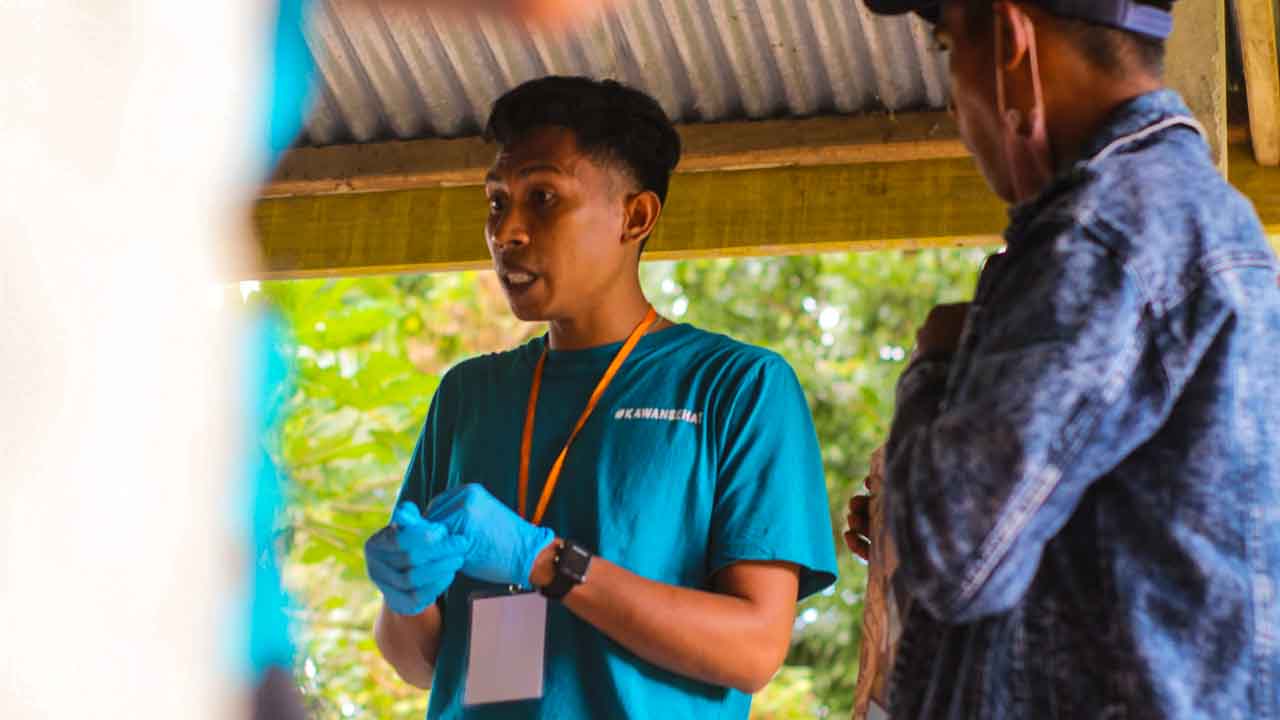
A Drop of Hope: Blood Testing for Malaria in East Sumba by Fair Future – Images taken by the Fair Future team
La lutte contre le paludisme dans l’est de Sumba : un voyage visuel à travers le #ZeroMalaria programme
Chaque photo présente dans cette galerie est bien plus qu’une simple image. Elle témoigne de la résilience et de la dévouement nécessaires pour éliminer le paludisme dans l’une des régions les plus touchées du monde. Nous ne faisons pas que prendre des photos ; nous capturons l’espoir, une image à la fois.
Maladie de la malaria Il reste une préoccupation sanitaire importante dans de nombreuses régions du monde, notamment en Asie du Sud-Est. En East Sumba, en Indonésie, une des régions les plus touchées par cette maladie, le gouvernement s’ Fair Future Foundation est activement impliqué dans la lutte contre cette menace grâce à ses #ZeroMalaria programme.
Cet article présente un récit captivant galerie de plus de 100 photos originales qui fournissent une narration visuelle de notre incessante Des efforts. Ces images reflètent l’essence de ce qui est nécessaire pour lutter. maladie de malaria dans des conditions difficiles. Ils illustrent le processus minutieux de la conduite des dizaines de milliers des tests sanguins, des tests rapides et des analyses microscopiques pour détecter et traiter maladie de malaria cas.
Les photos dans ce galerie Ils sont un rappel puissant des réalités difficiles de ceux qui vivent dans touché par le paludisme des régions. Mais elles représentent aussi l'espoir et l'esprit humain indomptable qui refuse de se plier à l’adversité.
Nous vous invitons à découvrir cela galerie et de constater le pouvoir transformateur de un effort dévoués dans la lutte contre maladie de malaria. Nous espérons inspirer et impliquer davantage de personnes dans cette bataille cruciale pour un meilleur état de santé., Sans paludisme Le monde à travers ces images.
Un avenir juste reste engagé dans cette quête, et ensemble, Avec votre soutien, Avec , nous pouvons créer un Plus équitable et Plus sain Un avenir pour tous. Merci Croire en nous, Et surtout, merci pour croire en eux.
Alex Wettstein – Fair Future Foundation Camp médico-social Dans l’Est de Sumbawa – La maison de Kambera, Lambanapu – Le 1er octobre 2023.