


Community care days with practical health actions
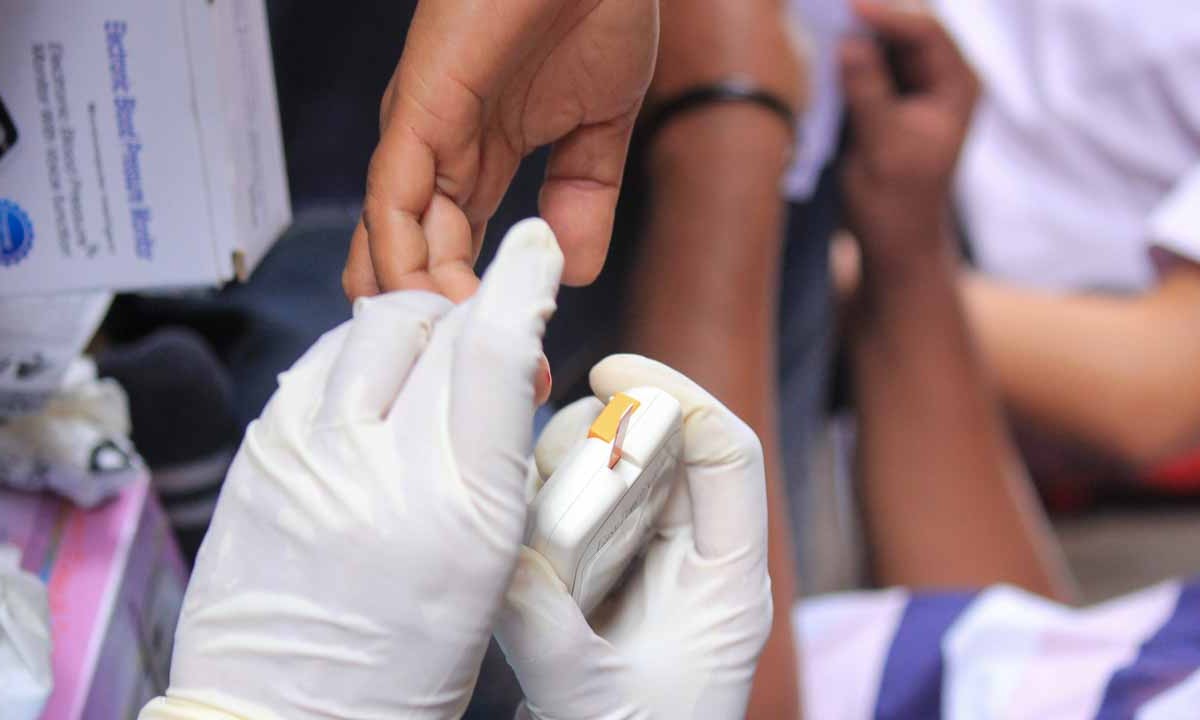
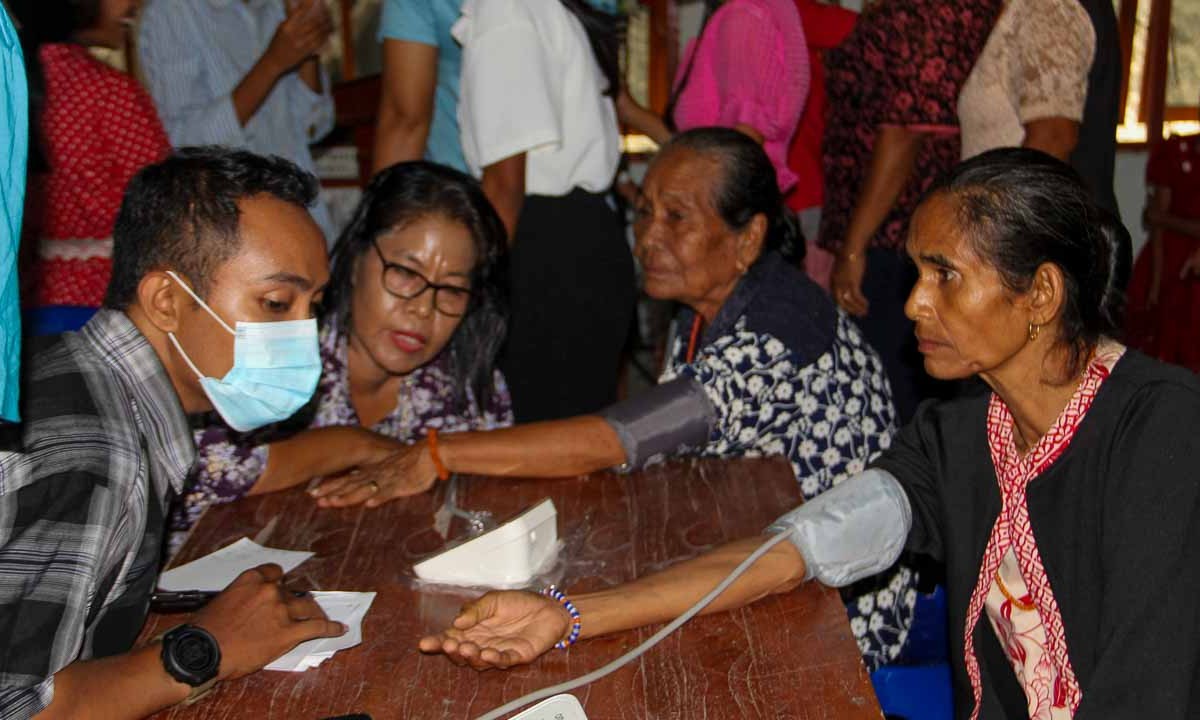
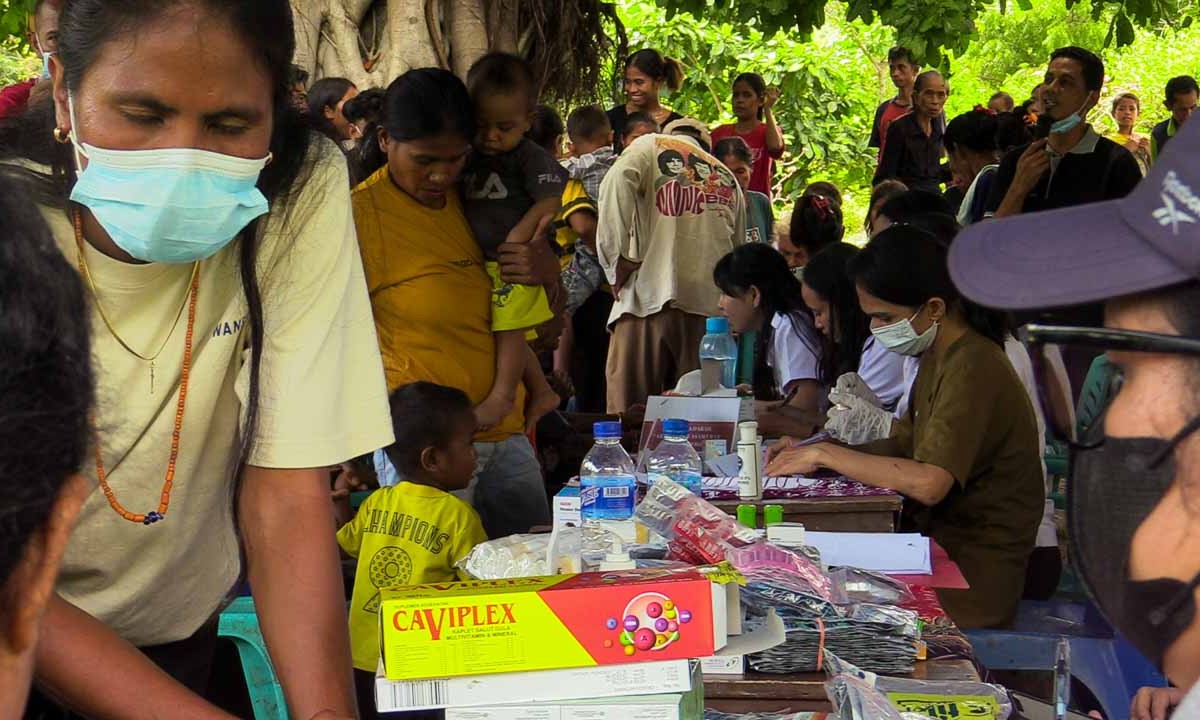
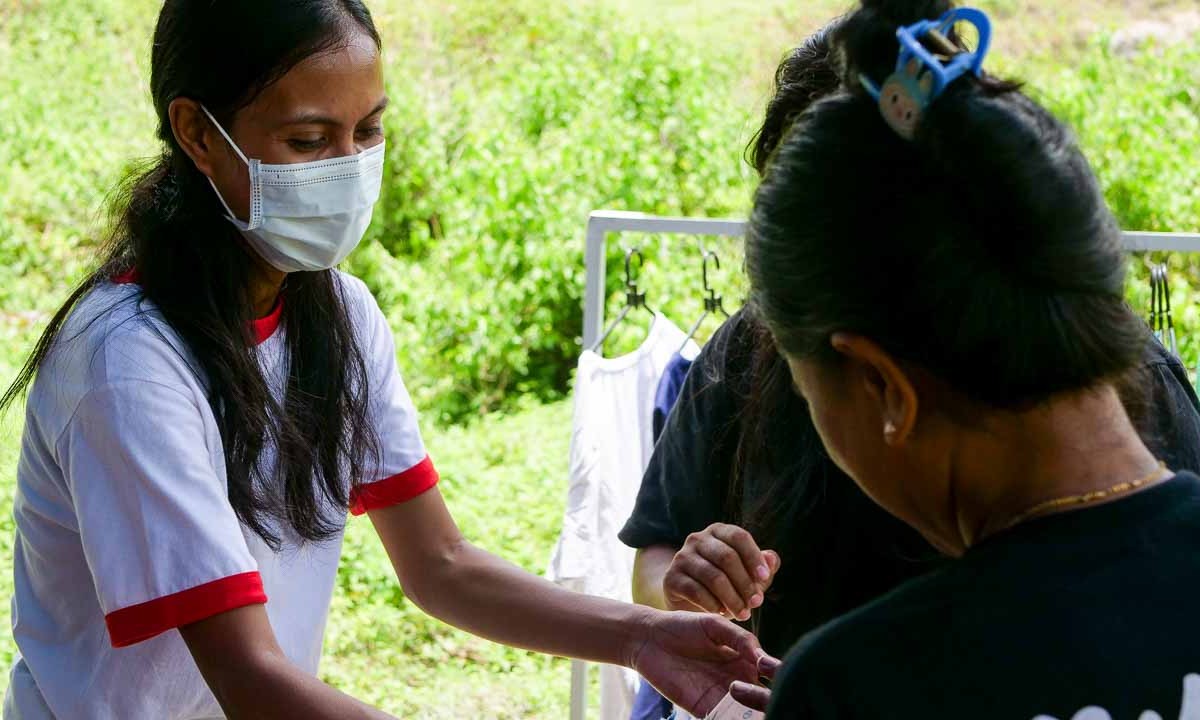
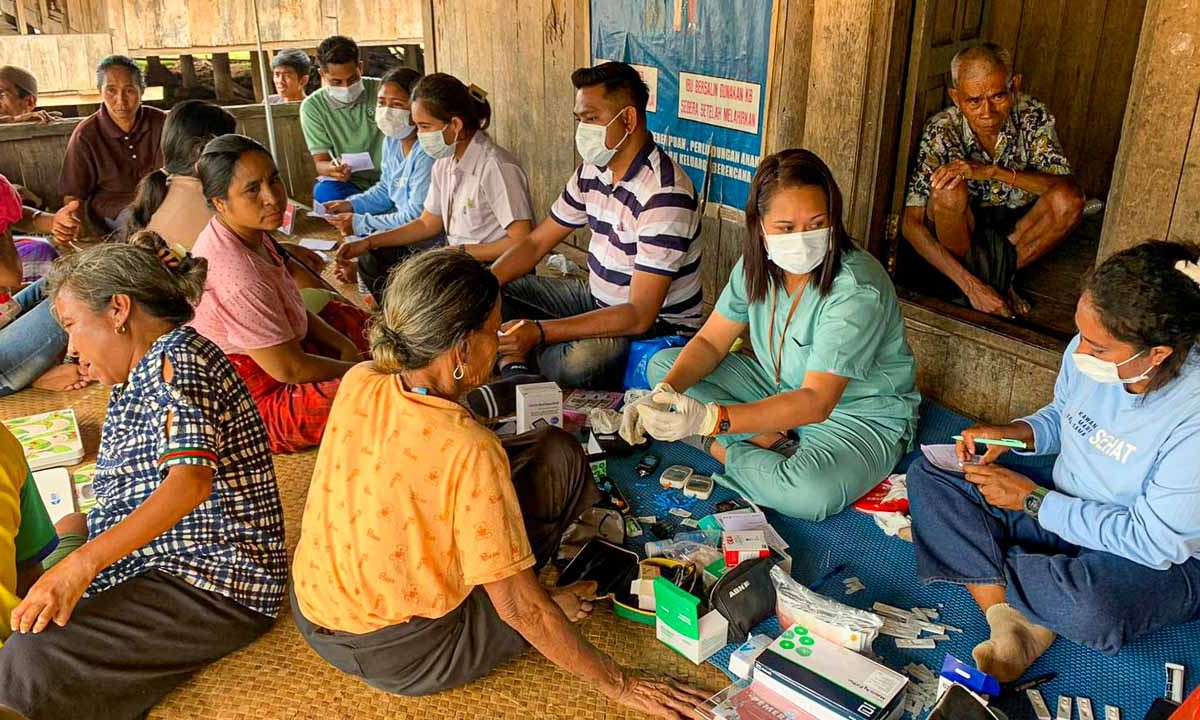
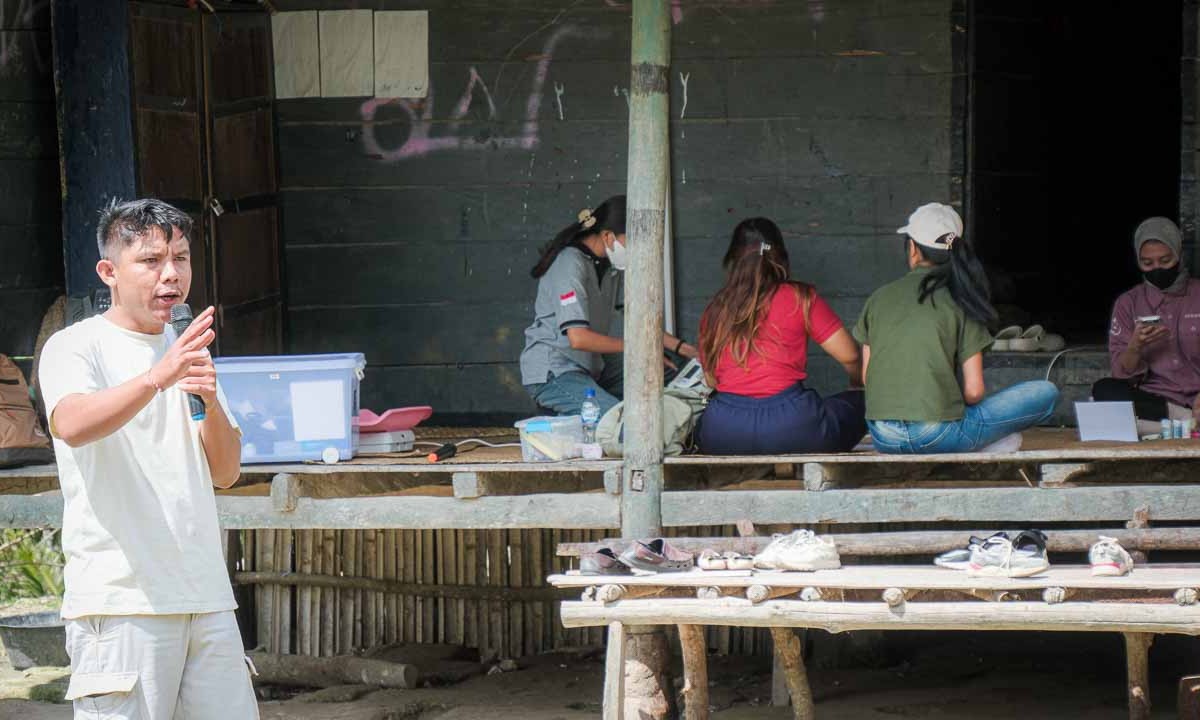
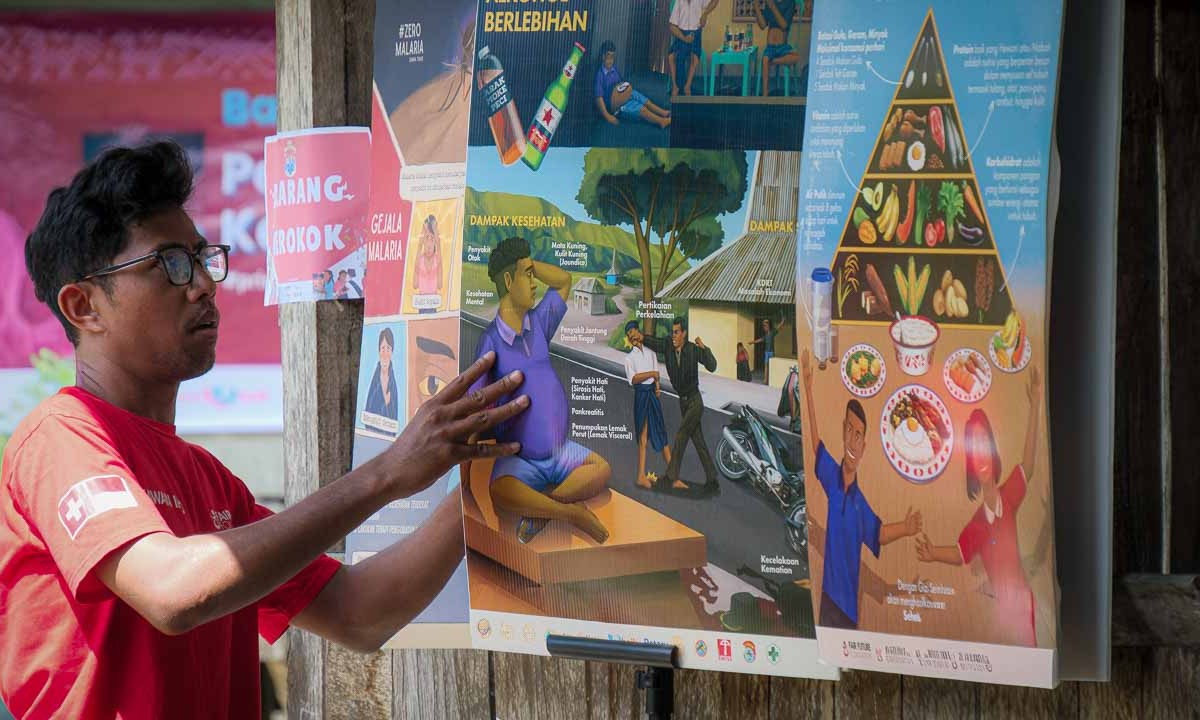
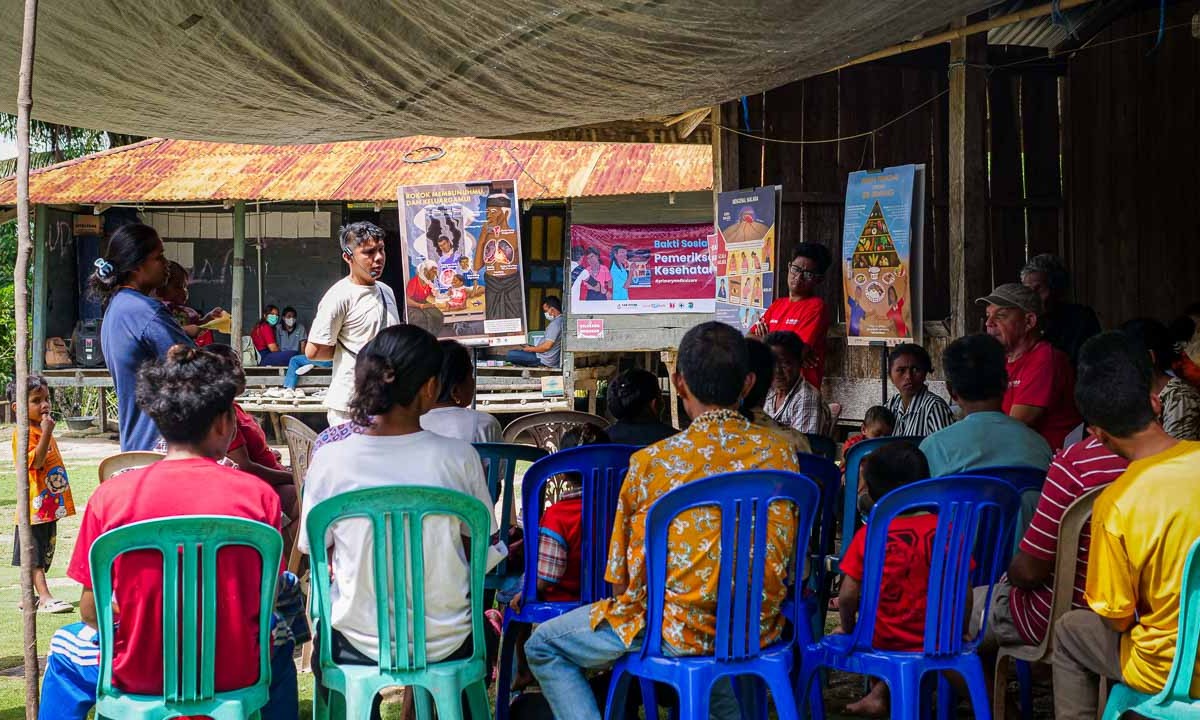
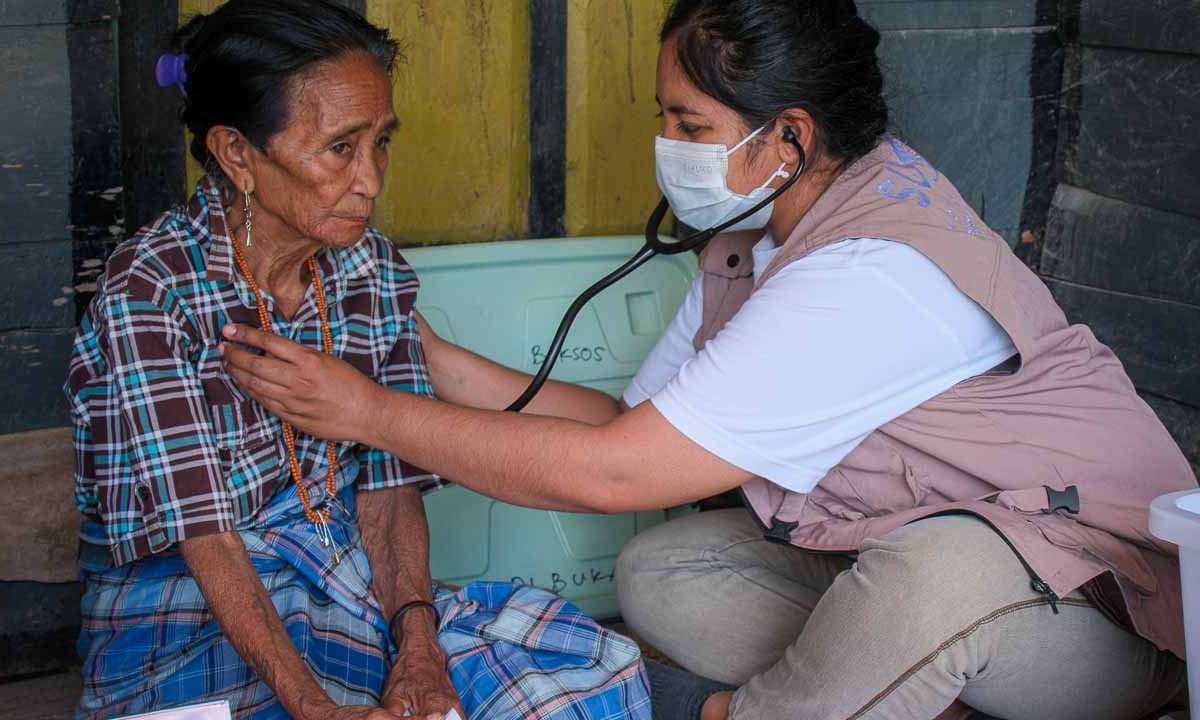
Our community care days in East Sumba bring doctors, nurses, tests and medicines to villages far from healthcare. We also teach prevention. Yet we keep meeting the same health problems. After years of consultations, we want to strengthen what happens between treatment and the life a patient returns to. Our teams already check vital signs, examine patients, perform tests when indicated and dispense the medicines we bring. Our poster workshops engage adults and children. We are preparing a step that connects these two parts of the day through one or two practical health actions agreed with each patient.
Medicines can treat infection, relieve symptoms and prevent serious complications. Some treatments are needed for years, sometimes for life. But dispensing a medicine cannot, by itself, change repeated exposure to unsafe water, tobacco smoke or a diet high in salt. Prevention acts on these daily exposures. Less salt can help lower blood pressure; handwashing with soap can reduce the spread of infections. When achievable and sustained, such practices can protect health long after a consultation. We want patients to understand both what their treatment does and what they can do alongside it. Clinical care, prevention and continued access to medicines belong together.
A prescription that fits the person
My daughter Flavie, an emergency nurse at the CHUV in Lausanne, asked why we could not prescribe something besides medicines. Her question gave shape to this reflection. After consultation and medicine dispensing, we would agree on a specific action linked to the person’s needs. For someone with hypertension, it might mean reducing salt in cooking while continuing prescribed treatment and arranging a blood-pressure recheck. For a household concerned about hygiene, it could mean practising handwashing with soap or protecting drinking water from contamination during storage. For a smoker, it could begin with a conversation about stopping tobacco and keeping children away from smoke. Each action needs a medical purpose, a clear explanation and a realistic way to repeat it.
This requires listening. A person who walks long distances for work and water does not automatically need more walking. A family cannot eat a fruit every day if fruit is unavailable or unaffordable. We need to ask what food, water, soap and support they can access, then choose an achievable starting point. We are considering sharing fruit or vegetables during a simple food demonstration, allowing people to taste something healthy and take a little home. That could make advice tangible and the day more enjoyable. One distribution cannot resolve food insecurity. Poverty and missing services must never be mistaken for a patient’s unwillingness to change.
From an explanation to a daily practice
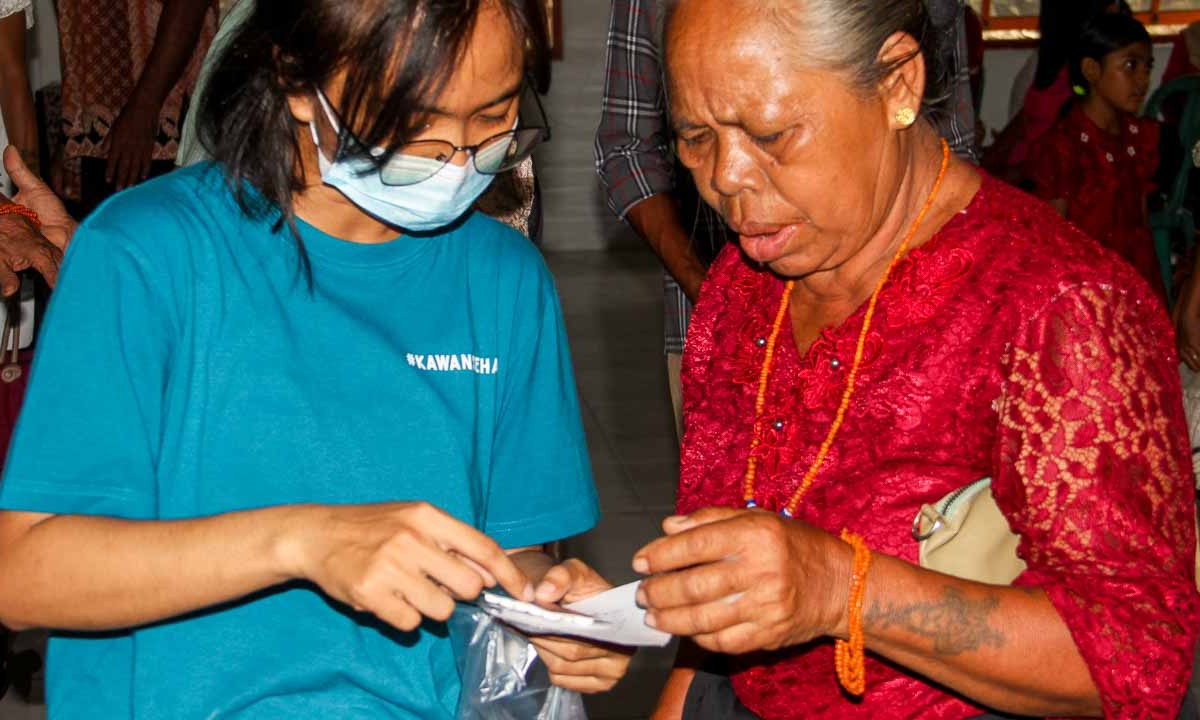
A small paper card with pictures would record the agreed actions. We would demonstrate them, then ask patients to explain or show them back. This checks the clarity of our explanation and lets us correct misunderstandings before someone leaves. With Fair Future Foundation, Kawan Baik Indonesia and Kawan Sehat, we want to test this step within Primary Medical Care. Follow-up, when needed, would assess understanding, feasibility and relevant clinical findings, such as a repeat blood-pressure measurement. We have no results yet. The question is whether an action can become part of daily life, with the resources and support to sustain it.
Today, 1 October 2026 | Alex Wettstein
En bref
In remote East Sumba, medical care and health education already share the same day. Our proposed next step connects them through one or two personalised actions, a practical demonstration and follow-up when needed. Advice must fit the water, food and resources a household can access. This is a model to test with patients and Kawan Sehat, with no outcomes claimed yet.
Background reports cover preparations for five community care days et Rotary support for medical outreach.
Community healthcare in East Sumba through consultations and education
Sources externes vérifiées
- Organisation mondiale de la santé: Explains how varied diets and reduced salt intake support health, while recognising that income, food prices and availability shape choices.
- UNICEF: Connects handwashing education with access to soap, water and usable facilities, conditions that practical household advice must take into account.
- Agency for Healthcare Research and Quality: Describes asking patients to explain or demonstrate advice in their own words, helping clinicians check the clarity of their explanations.
- Food and Agriculture Organization: Links nutrition education with local food systems and access to healthy diets, providing context for realistic food advice in rural communities.
- Centres de contrôle et de prévention des maladies: Describes mosquito-bite prevention, including treated bed nets, supporting practical demonstrations while recognising the need for medical care.
