


Programme Santé et Médecine
Santé de l'enfant
Care, prevention and early referral for children growing up far from clinics, safe water and reliable transport.
- Care close to homes and schools
- Assessment, prevention and early referral
- Connected to a 27-agent rural health network
A childhood illness should not become dangerous because the road is long
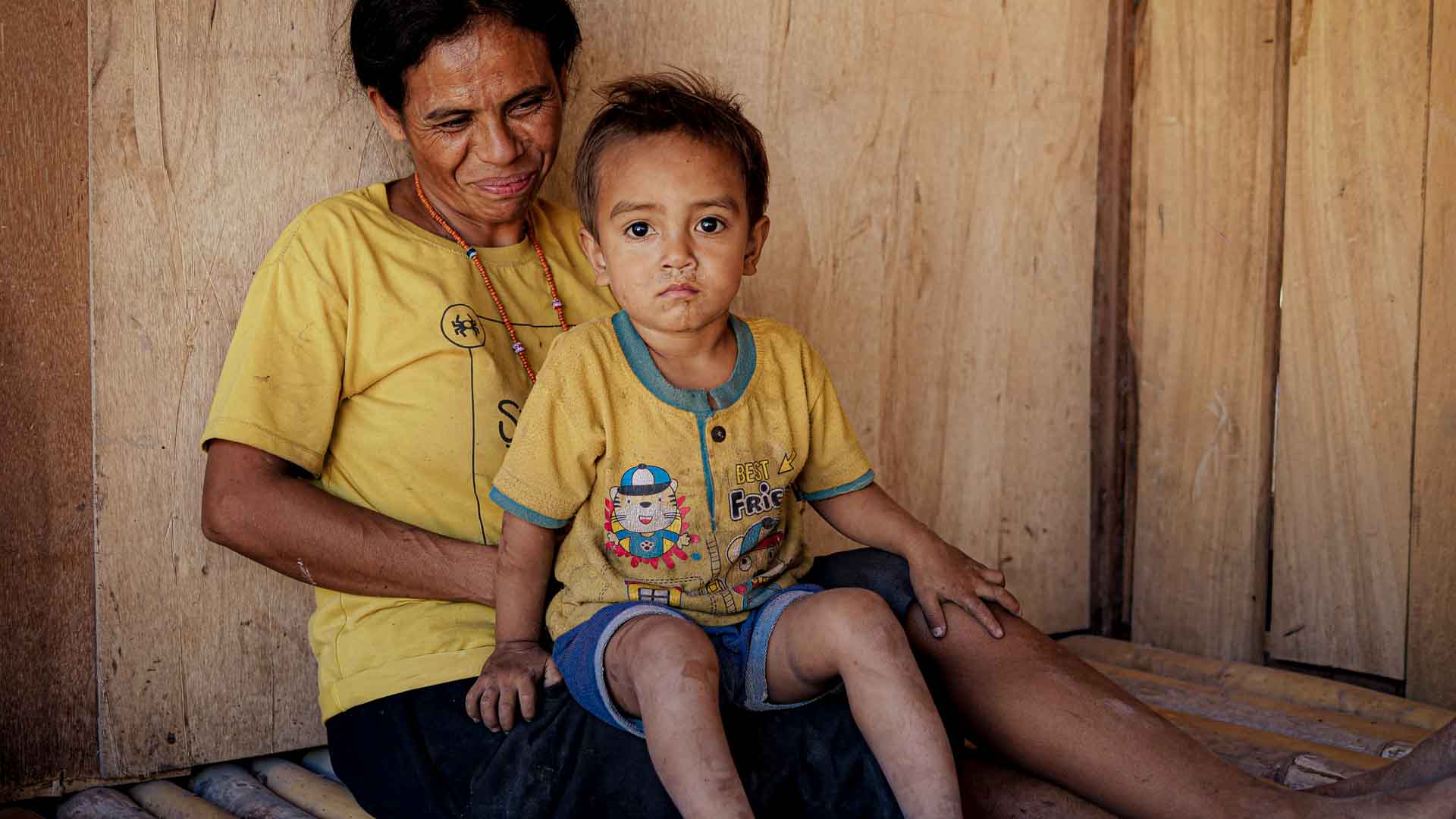
In East Sumba, fever, diarrhoea, a wound or breathing difficulty can worsen while a family is still deciding how to reach care. Child Health brings observation, prevention, practical first-line support and a safer referral pathway closer to the child.
Le programme
Care begins before a child reaches an emergency
A child’s condition can change quickly. The earlier a family recognises danger, receives safe advice and reaches appropriate care, the greater the chance of preventing severe illness.
Child Health works through the same village network that supports Primary Medical Care. Kawan Sehat agents meet children in homes, schools and community activities. They listen to caregivers, assess common symptoms within their training, support prevention and connect families to medical supervision or formal services when risk rises.
The programme does not replace paediatric care, vaccination services or public health centres. It helps close the dangerous interval between the first sign of illness and the moment a child receives the level of care they need. Clean water, nutrition, immunisation, malaria prevention and family knowledge are treated as part of the same health system.
A rural network able to recognise risk, support families and connect children to supervised care.
Observation and practical advice happen where children live, before transport becomes possible.
Hygiene, nutrition, infection, waste, malaria and health risks are explained in language children understand.
Danger signs are recognised sooner so referral can begin before a child becomes critically ill.
From a caregiver’s concern to safer care
How the programme supports a child
Child health is not one isolated consultation. It is a sequence that begins with listening and continues through assessment, prevention, referral and follow-up.
Listen to the caregiver
The agent asks what changed, when it began, whether the child can drink, eat, breathe, sleep and respond normally.
Look for danger
Hydration, fever, breathing, consciousness, pain, wounds and visible signs of infection are checked within the agent’s training.
Act within limits
Safe first-line measures and approved medicines are used only when appropriate. Uncertain or severe cases move to referral.
Protect the next day
Caregivers receive practical guidance on fluids, hygiene, nutrition, medicine use, warning signs and when to seek help again.
Return and review
Follow-up checks whether the child is recovering and gives the medical team a clearer record if care must escalate.
Small bodies can deteriorate quickly
Common illness, serious risk when care is distant
The programme helps families recognise what can be supported locally and what requires urgent professional care. The threshold for referral remains deliberately cautious.
Care and prevention close to home
- Assess common symptoms and available vital signs within protocol
- Support oral rehydration and safe feeding advice during uncomplicated diarrhoea
- Nettoyer et soigner les plaies superficielles et non compliquées
- Teach hand hygiene, safe water, food safety and infection prevention
- Identify missed vaccination and help families reconnect with public services
- Monitor recovery, nutrition concerns and recurring illness through follow-up
When a child needs referral
- Breathing difficulty, chest indrawing, blue colour or severe weakness
- Altered consciousness, convulsions, shock or a child who cannot drink
- Severe dehydration, persistent vomiting or blood in stool
- Possible sepsis, spreading infection or a rapidly worsening wound
- Severe malnutrition, oedema or repeated illness affecting growth
- Any newborn danger sign or condition beyond local skills and supplies

Protecting a child takes more than treating symptoms. It requires trusted information, vaccination access, clean water, adequate nutrition, follow-up and a route to formal care.
Care around the whole child
Clinical care and daily conditions belong together
A child’s recovery is shaped by the water they drink, the food available at home, indoor smoke, mosquito exposure, vaccination access and how quickly an adult recognises that something is wrong. Child Health connects these conditions instead of treating each one as a separate problem.
Family knowledge
Caregivers learn practical danger signs, safe medicine use, hydration and when waiting is no longer safe.
School prevention
Children learn about hygiene, infection, nutrition, malaria, waste and risks they can recognise in daily life.
Village follow-up
Local agents can return, observe recovery and identify children who repeatedly become ill or fail to improve.
Programmes connectés
Clean water, malaria prevention, nutrition, Primary Medical Care and referral reinforce the same protective system.
Quels changements dans la pratique
Earlier care protects more than the present illness
Less dangerous waiting
A caregiver has a known first contact before money, transport or uncertainty postpones a necessary decision.
Safer recognition of dehydration
Drinking, urine, alertness and other warning signs can be checked before fluid loss becomes critical.
Infection is taken seriously
A small wound, fever or skin infection is followed for change rather than dismissed until severe illness appears.
Prevention enters family life
Water, food, vaccination, smoke, mosquitoes and hygiene become part of one practical conversation about health.
PréventionPreventable childhood diseaseUnderstand vaccination gaps, trust, logistics and the work required to reconnect remote children with services.
Water and healthUnsafe water and childhood diarrhoeaSee how dehydration, infection and malnutrition reinforce each other when safe water is absent.
NutritionMalnutrition and infectionExplore how inadequate nutrition weakens immunity and makes ordinary infections harder for a child to survive.
Système de soinsPrimary Medical CareSee the agents, medicines, supervision, records and referral system supporting children and their families.
Récord en direct du terrainNotes de terrain de l’Indonésie orientaleFollow recent medical visits, prevention sessions and the daily conditions affecting children in remote villages.
Guide de terrain & glossaireChild health terms explainedOpen practical explanations of infection, nutrition, prevention, referral and community-based care.
Références médicalesChild health and integrated careRead the international framework linking survival, development, nutrition, prevention and access to quality care.
En direct du terrain
Child Health Field Notes, as the work happens
Two recent signals involving children, caregivers, school prevention, nutrition or medical care. These notes refresh when a relevant Field Note is published.
Directement du terrain
Latest Child Health reports
These reports document illness, prevention, vaccination access, nutrition, unsafe water, school health and the decisions families face when formal care remains far away.

Les bienfaits de l’eau propre dans la vie
Les avantages de l’eau propre influencent la vie quotidienne des enfants et des adultes et impactent la qualité de vie d’une communauté pour les générations à venir. Fair Future voit un changement dans les habitudes des familles qui bénéficient du Water Connections programme. Sans creuser de puits ici, les familles n’auront pas accès à de l’eau potable et devront…
Rapports de responsabilisation
Children need continuity, not a single intervention
We document visits, referrals, medicines, prevention activities and the limits teams meet in the field. Child Health remains connected to public services and to the water, nutrition and infection risks that shape whether a child recovers and continues to grow.
