


Community care in Bidi Hunga beyond one consultation
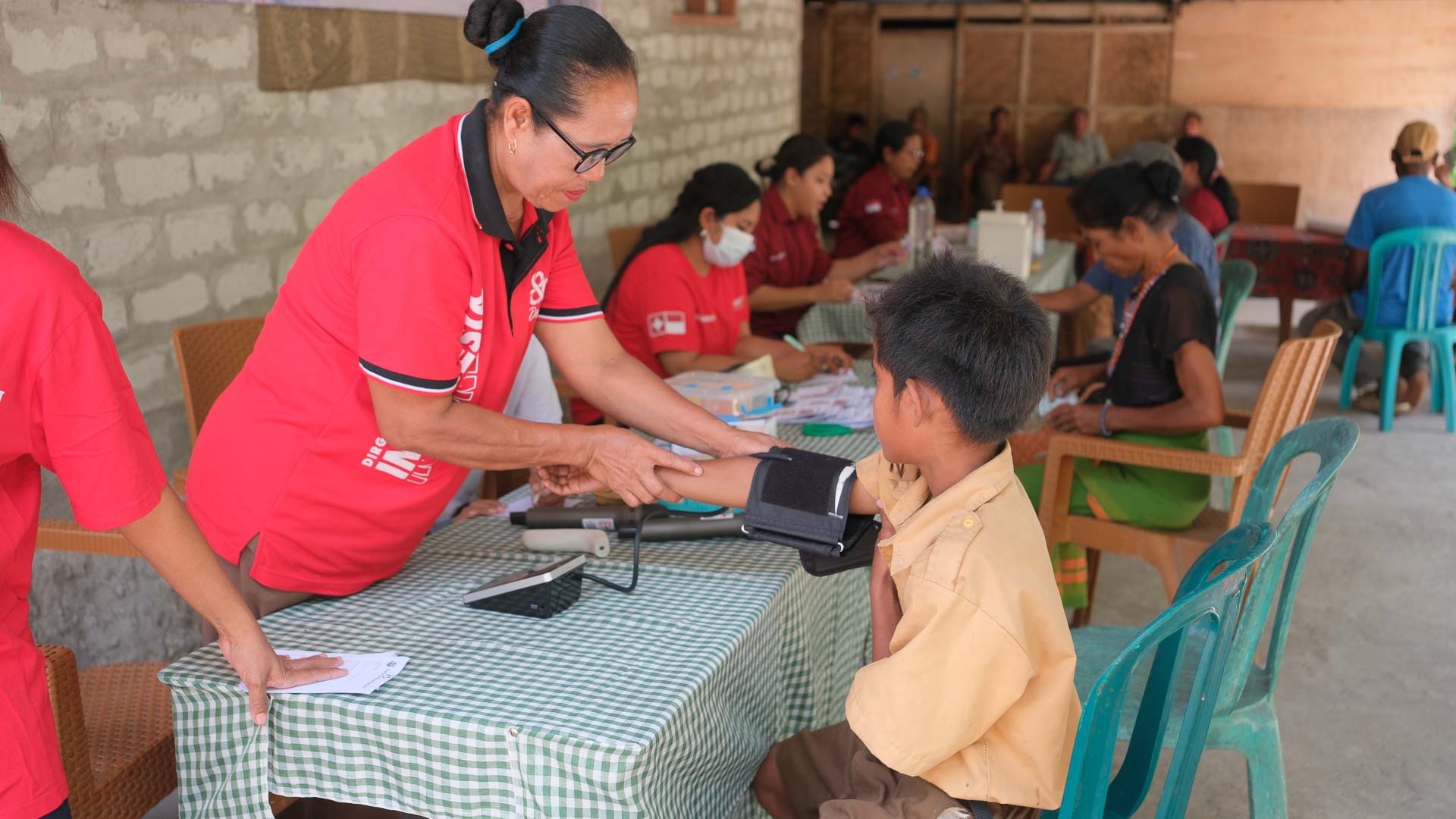
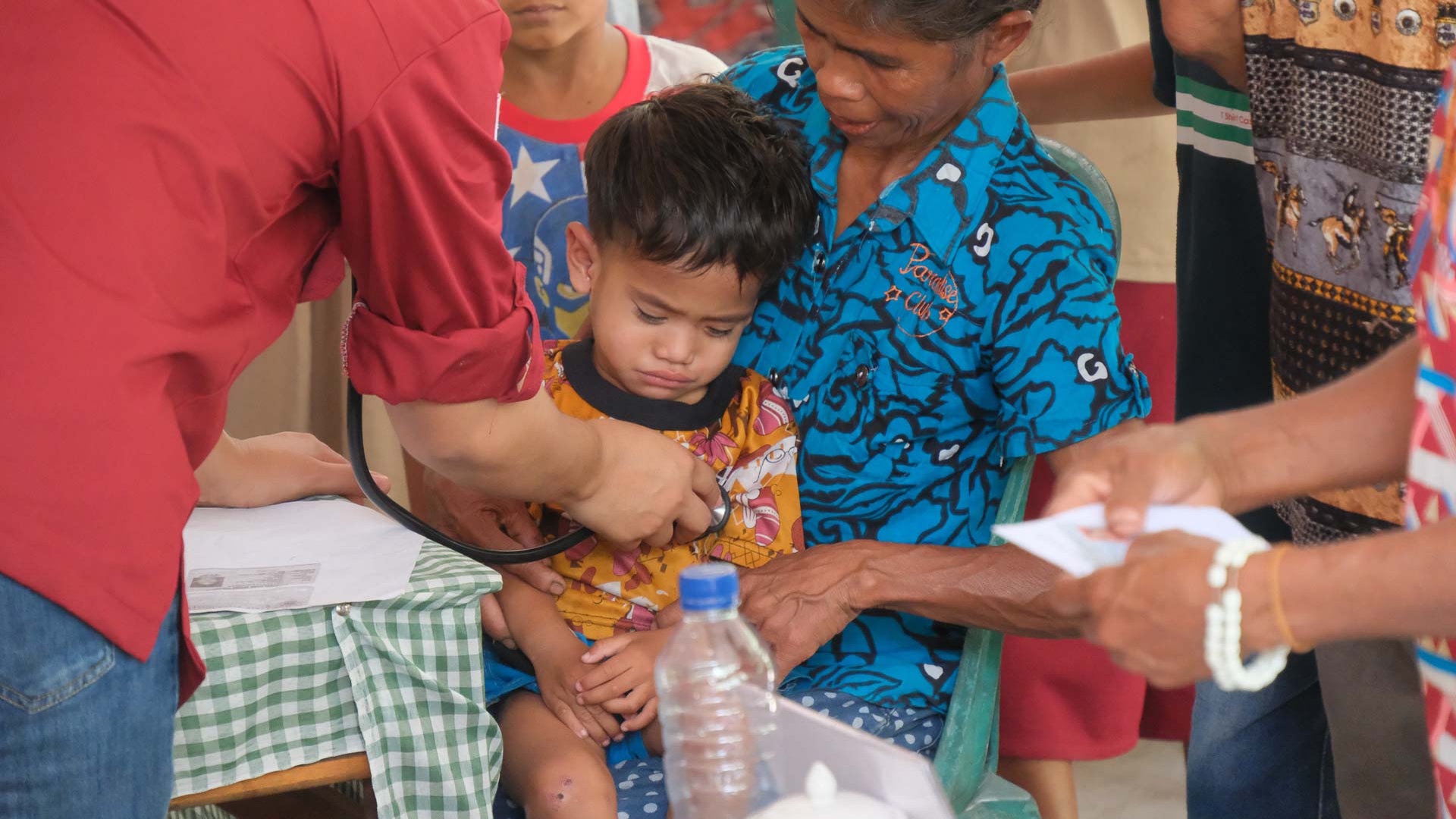
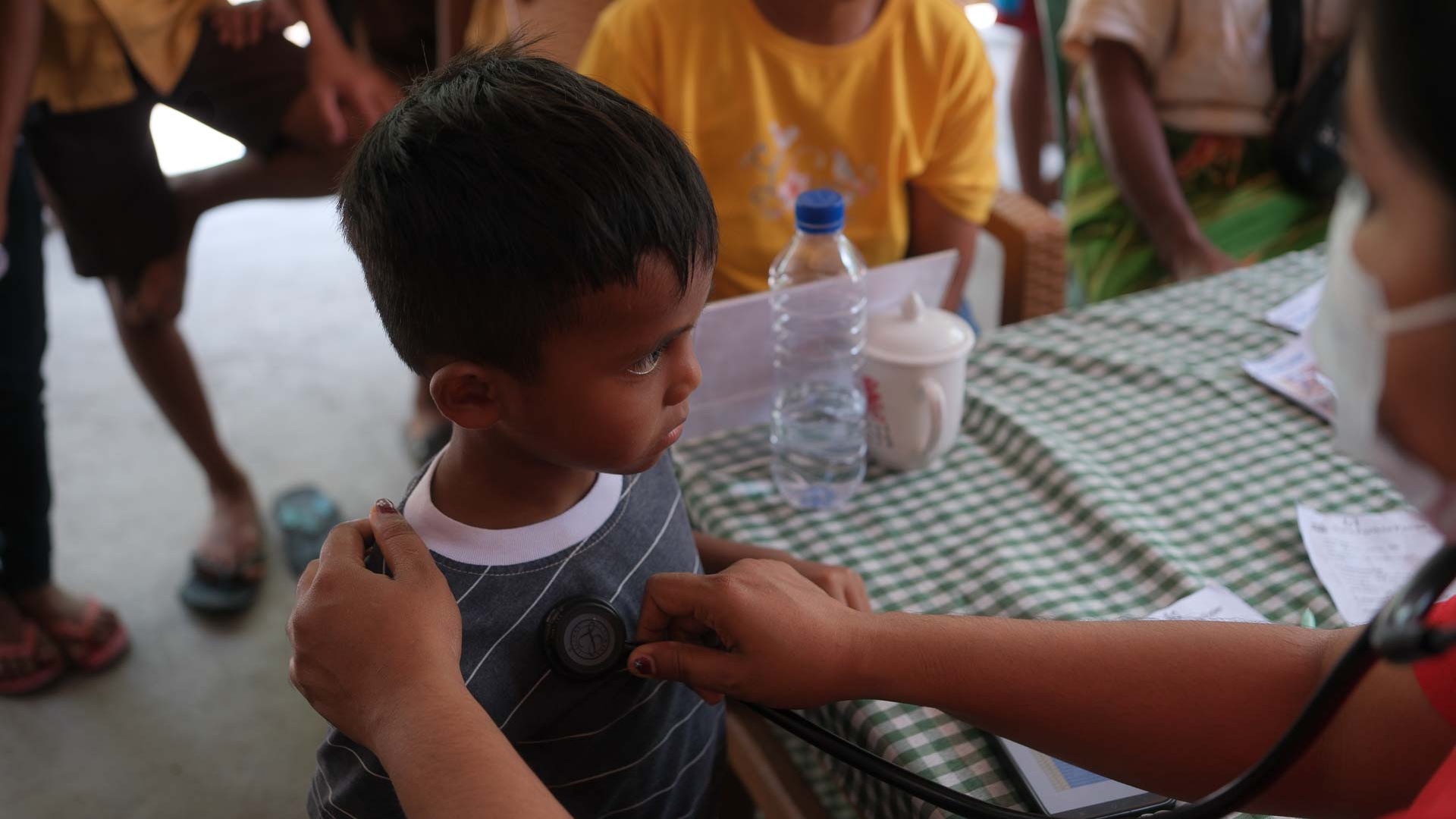
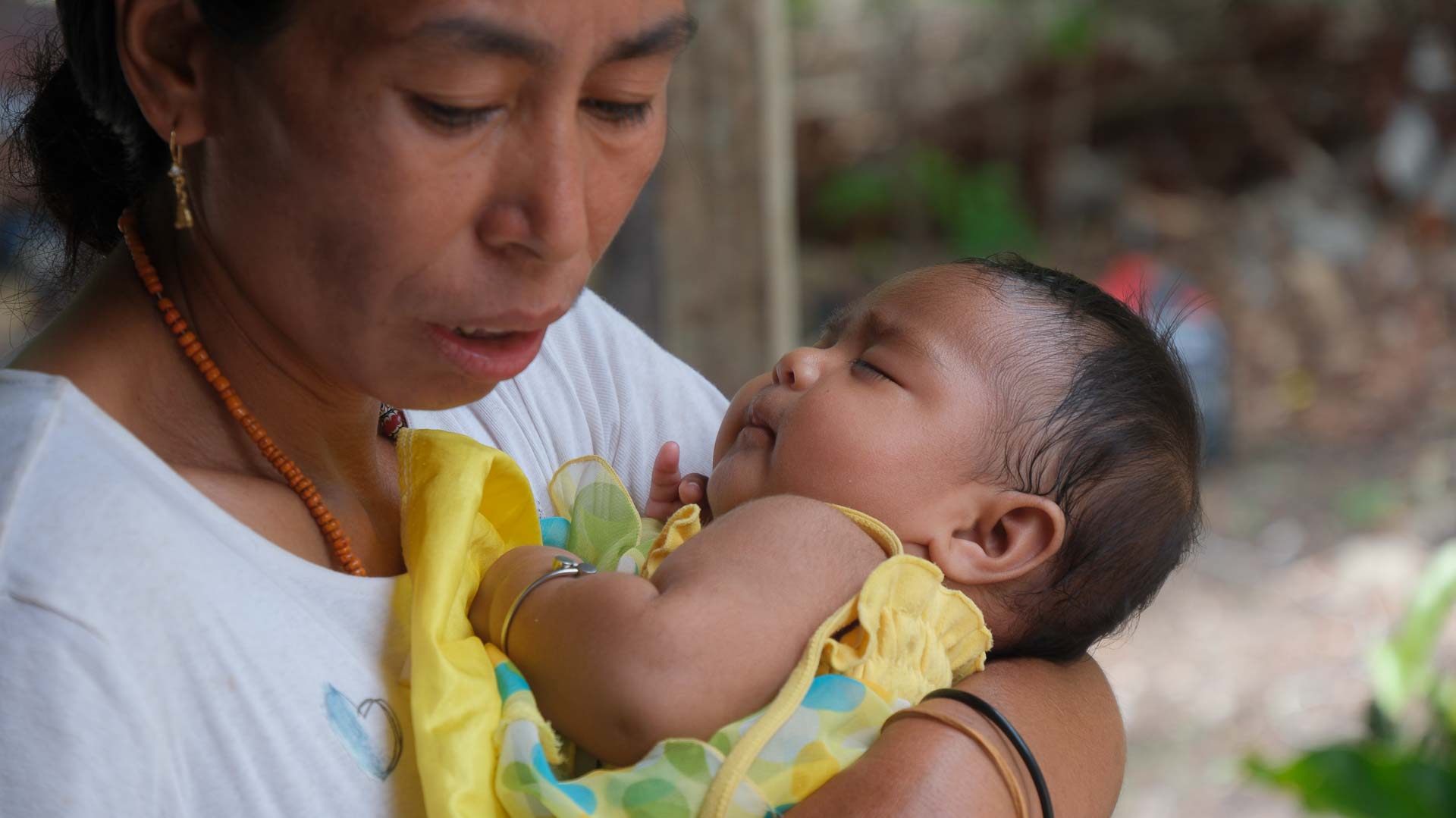
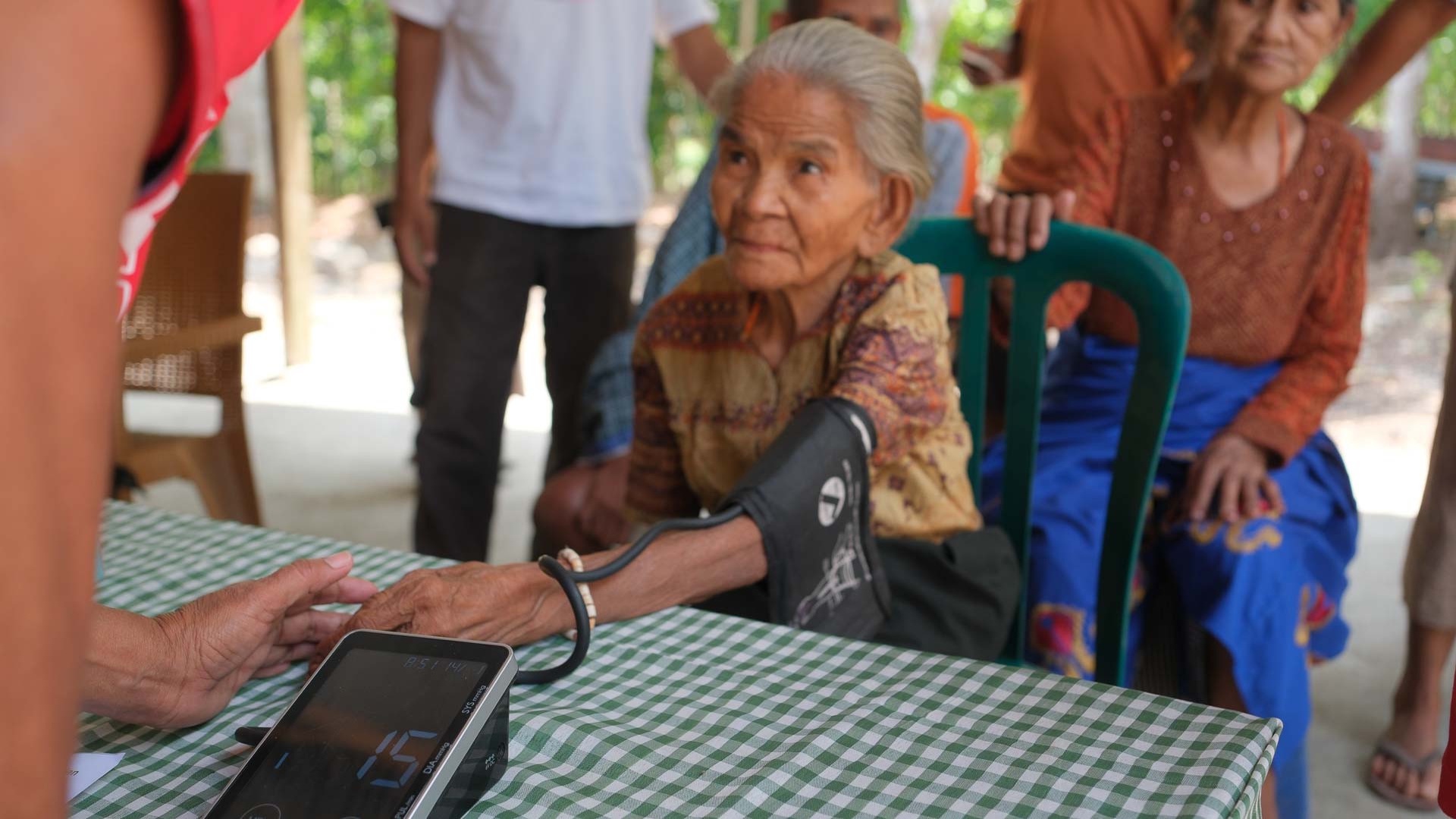
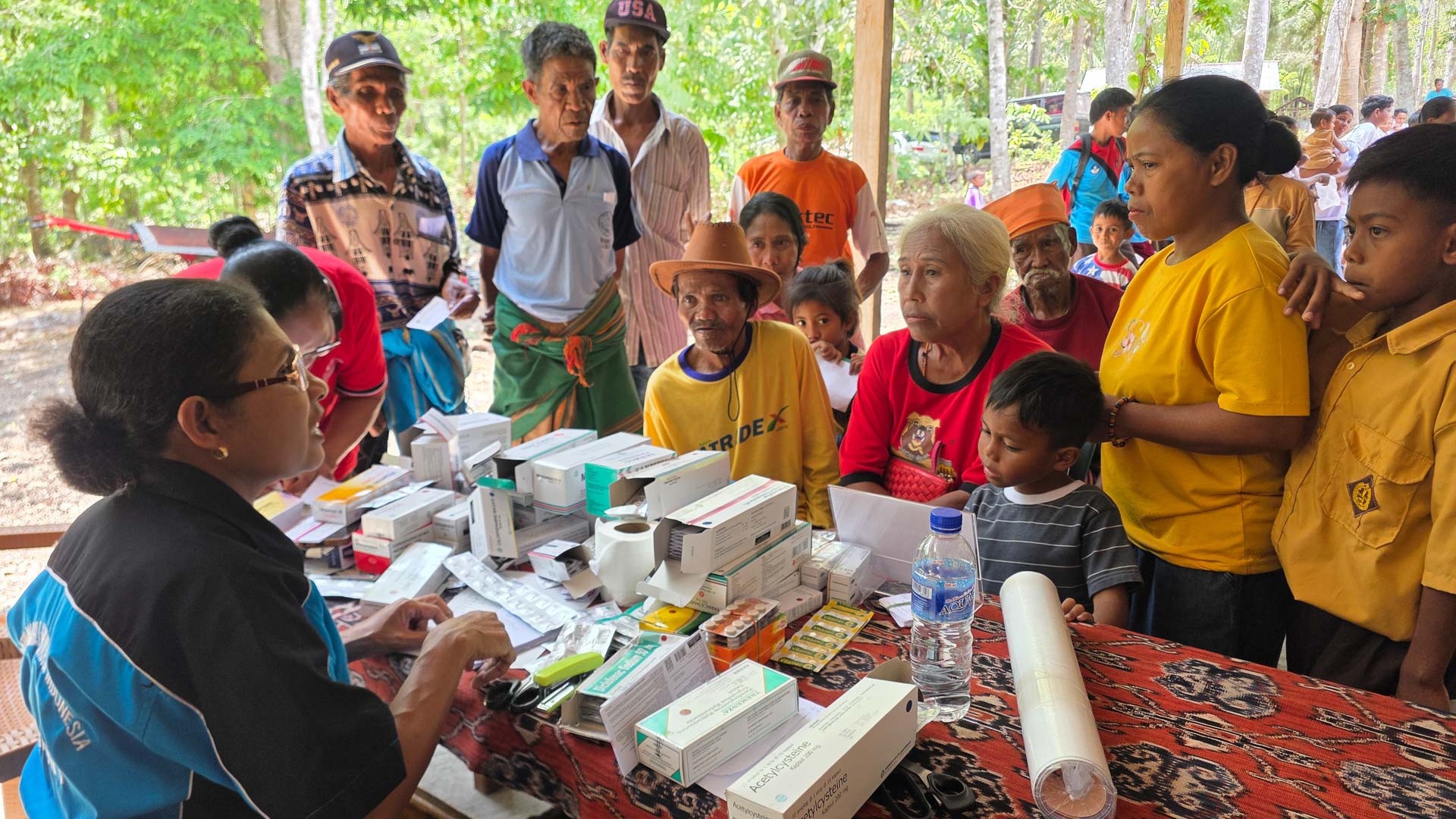
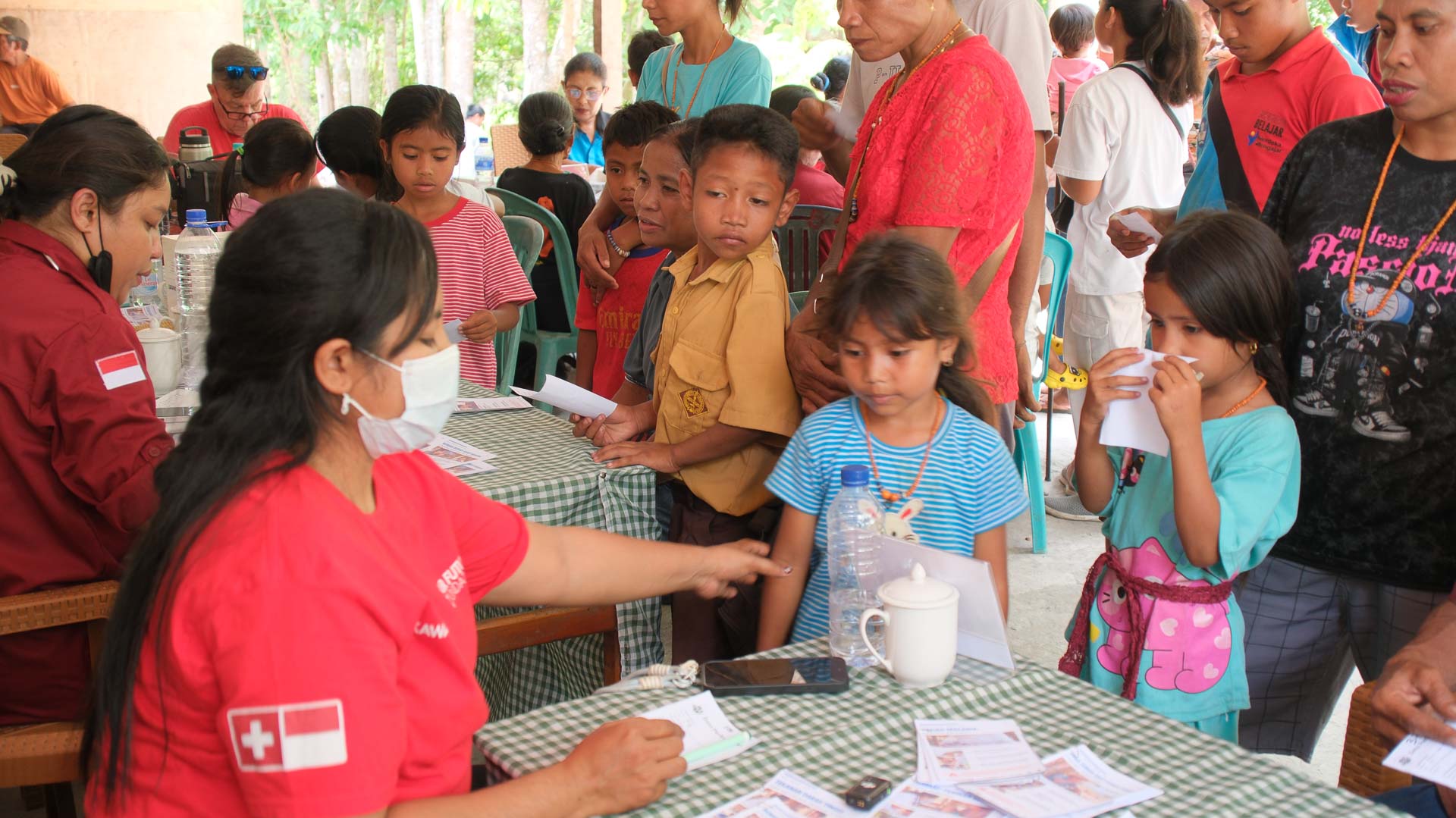
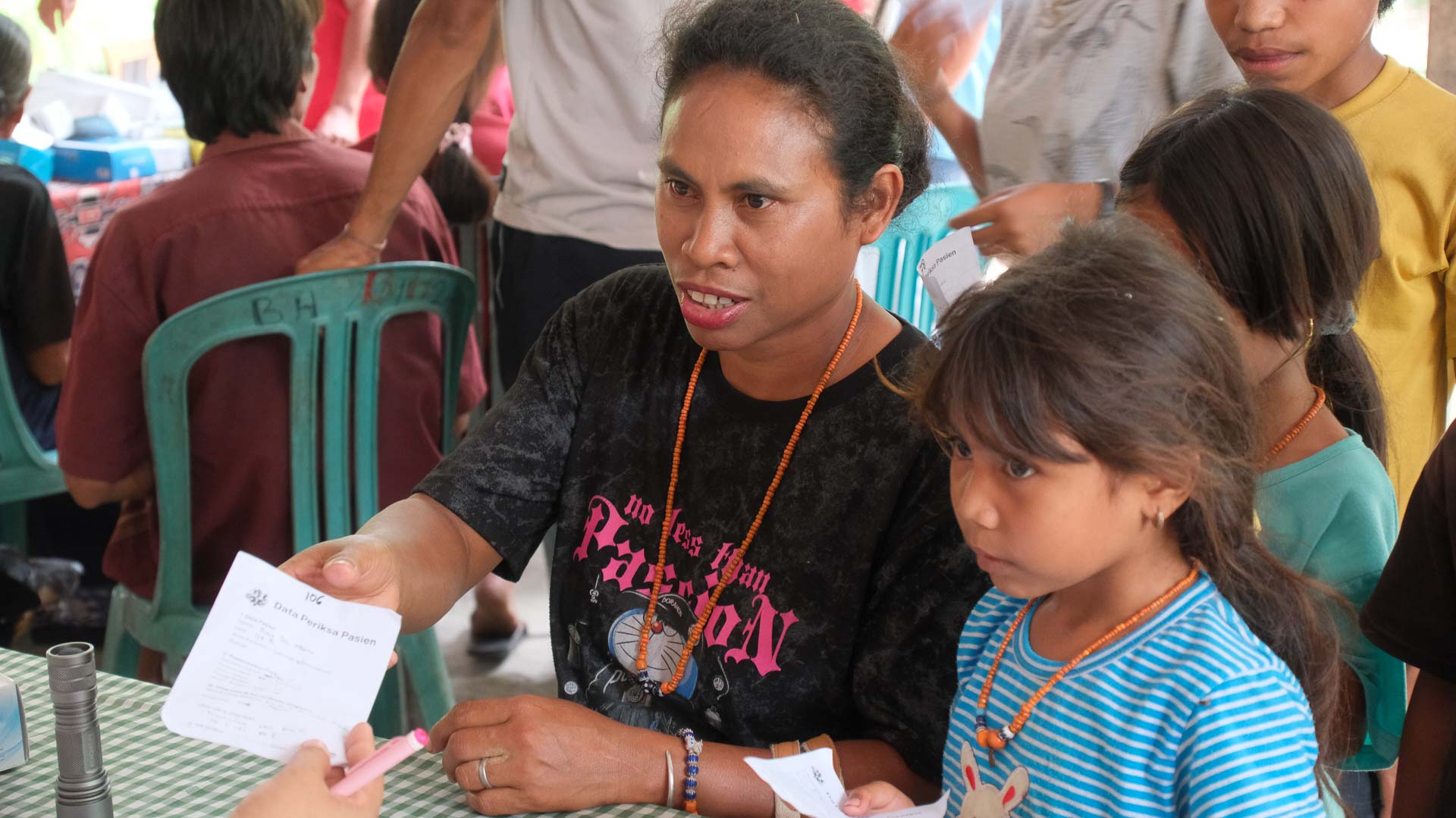
Community care in Bidi Hunga began with a six o’clock departure from Rumah Kambera on 24 October 2026. Our three off-road vehicles included the Truck of Life. The journey took about three hours. By our return at six that evening, we had seen around one hundred patients of all ages. What could each person realistically put into practice once home, far from care?
What our consultations tell us, and what they do not
Nutritional deficiencies, diarrhoea, skin problems, urinary infections and respiratory infections were among the problems most frequently encountered by our team. These are observations from people who attended, not a survey of the whole village. They cannot establish population prevalence or tell us how many people elsewhere remain untreated.
These conditions make prevention clinically relevant. WHO describes how diarrhoea and undernutrition can reinforce one another, while safe water, sanitation and handwashing help reduce infection risk. That relationship guides questions about food, drinking water and daily living. It does not establish the cause of any individual patient’s illness.
A raised result needs clinical interpretation
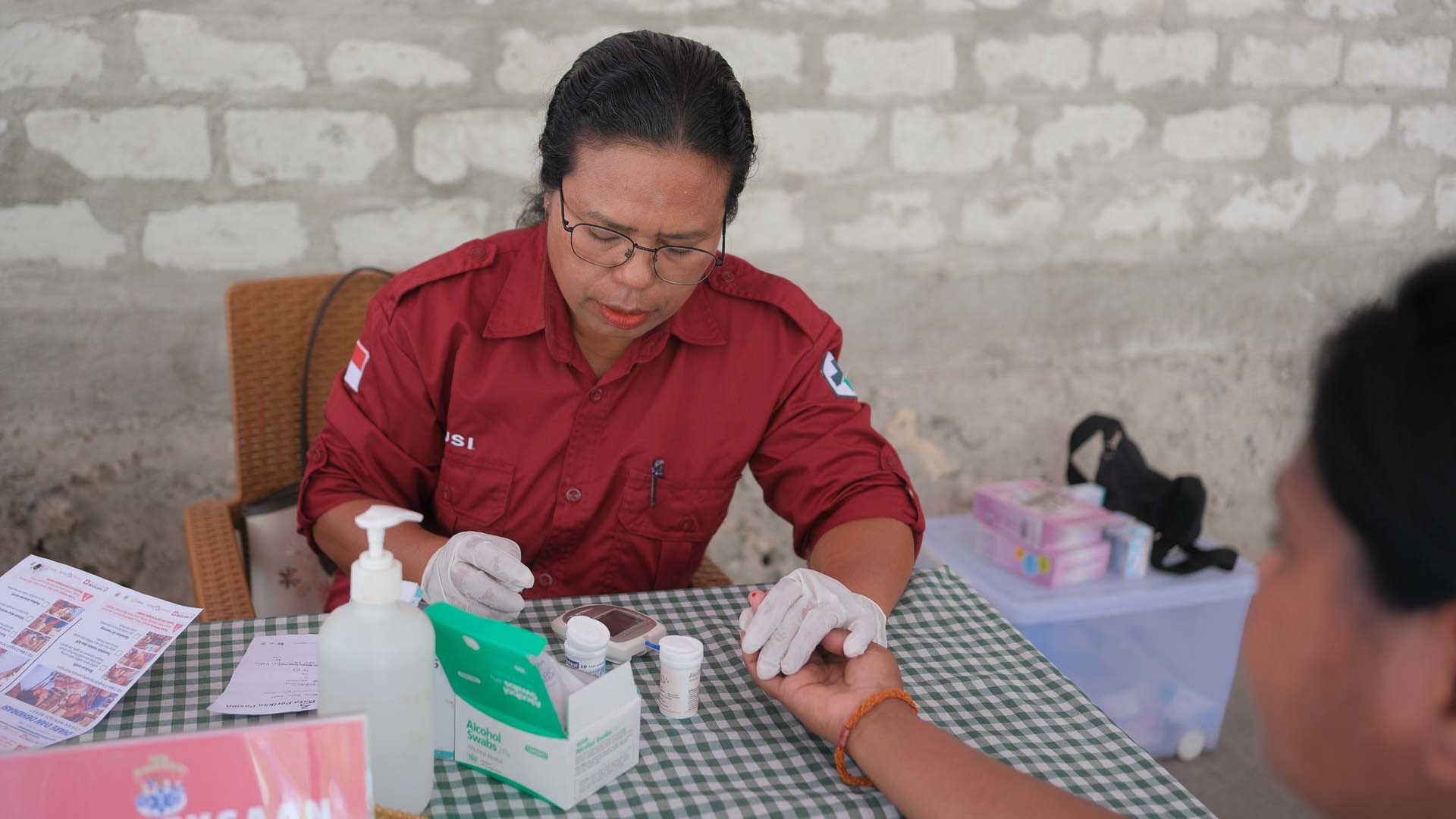
Many attendees had elevated uric acid, according to our field observations. A raised value alone is not a diagnosis of gout, nor an automatic reason to prescribe urate-lowering medicine. Symptoms, clinical history and the wider assessment matter. The American College of Rheumatology guideline distinguishes gout from asymptomatic hyperuricaemia and advises against routinely starting urate-lowering drugs for the latter.
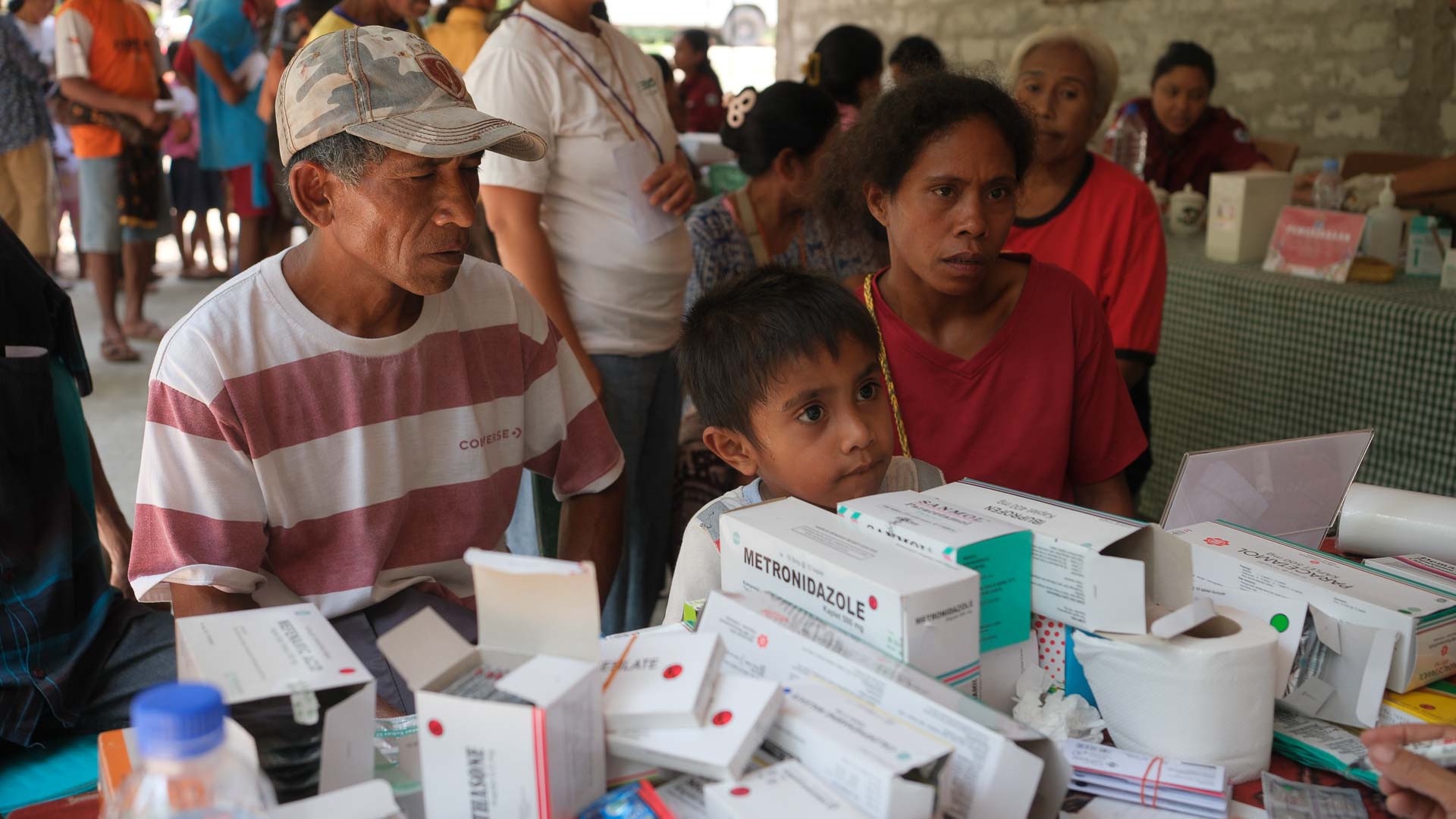
The same care in interpretation applies to prescribing more broadly. Patients need reliable access to medicines when treatment is indicated, with explanations they understand. Unnecessary prescriptions bring no benefit simply because the next consultation may be difficult to reach.
Sixteen cards, used within the consultation
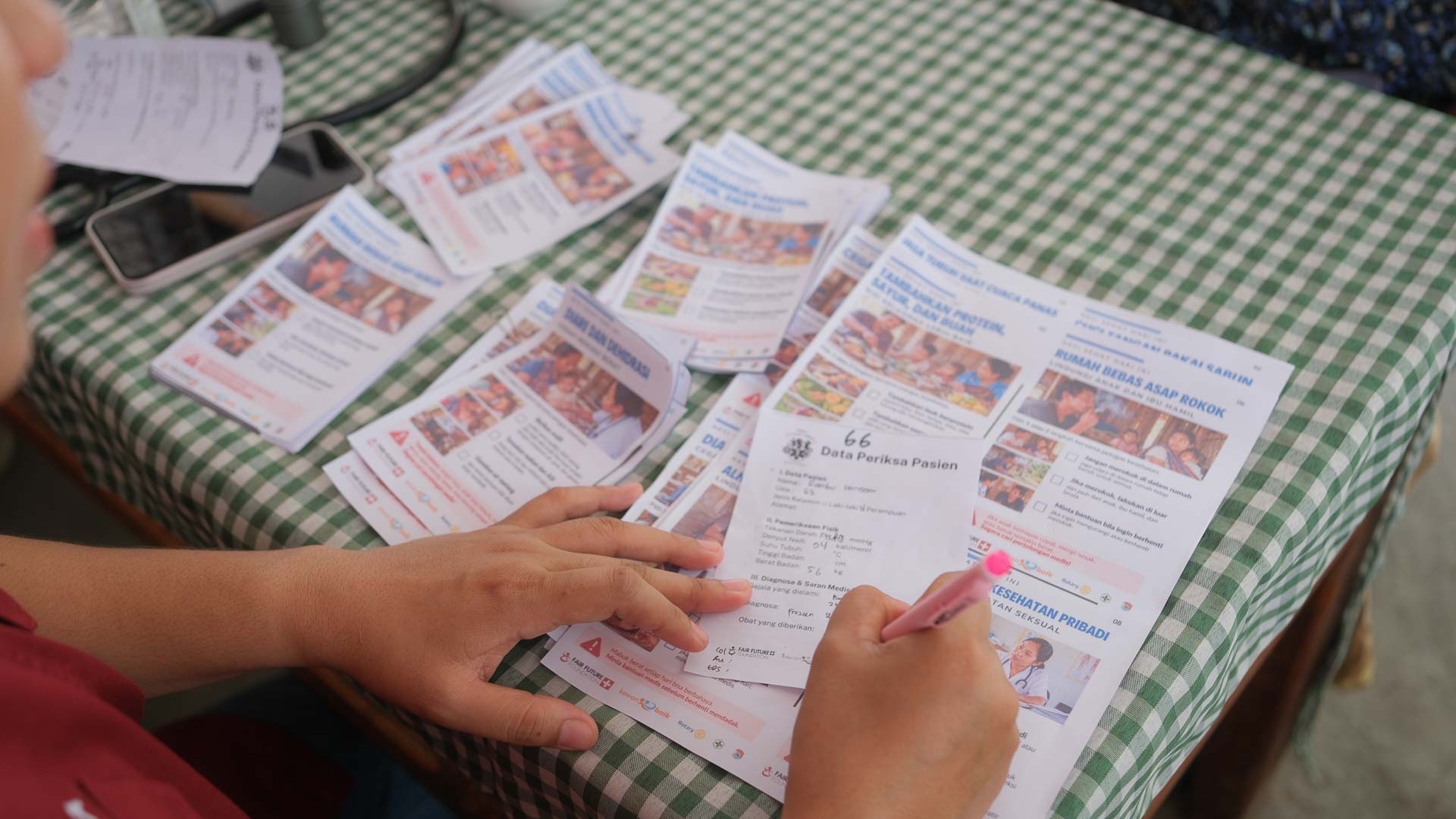
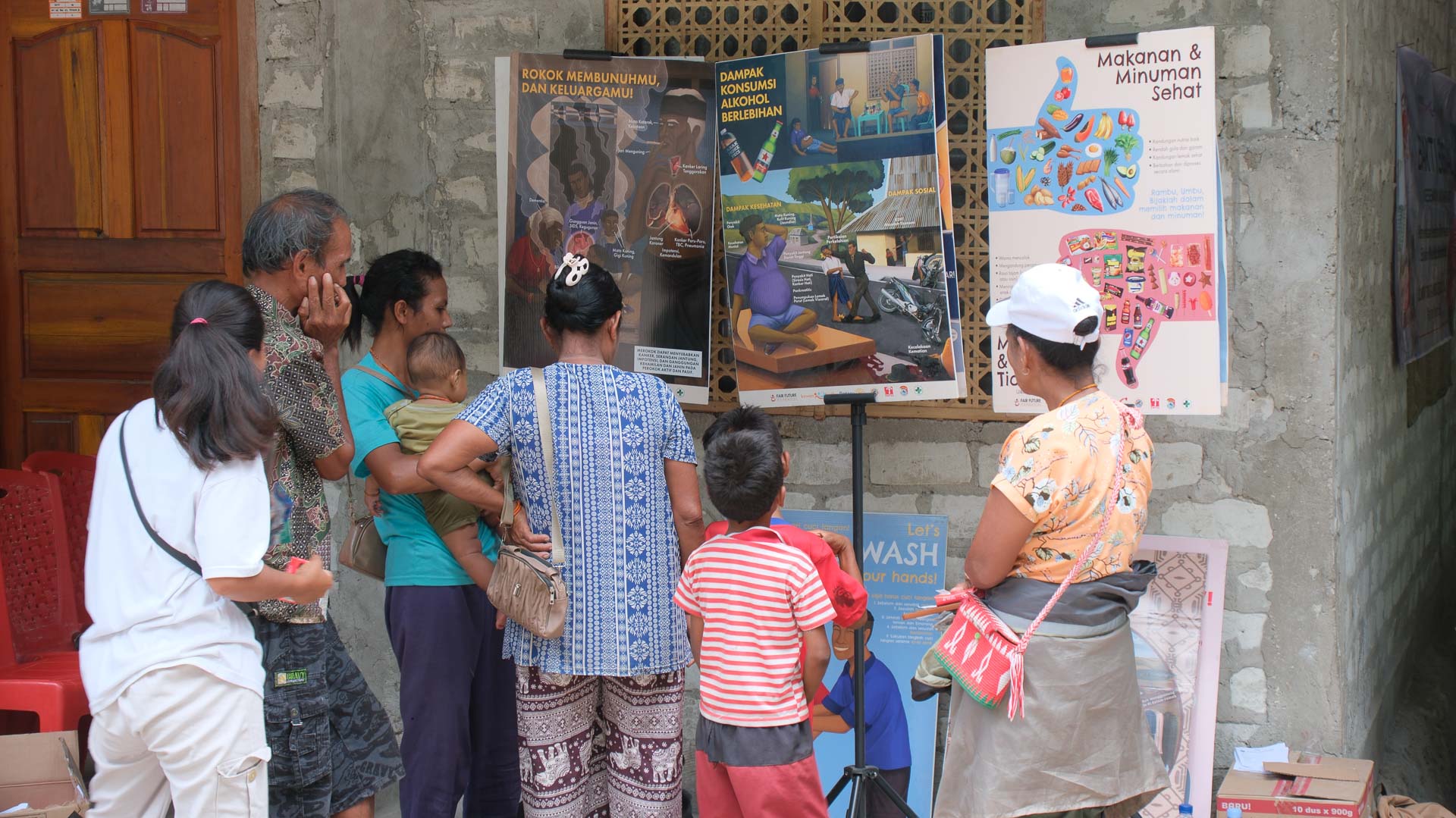
This day introduced our 16 illustrated health cards in Bahasa Indonesia. They offer a practical way to choose one or two actions with a health worker: safer drinking water, handwashing, reducing smoke exposure, wound care or another relevant step. The complete card set also includes warning signs and directions to seek help.
The original idea came from Flavie Wettstein, a nurse specialising in emergency care at CHUV in Lausanne, and our medical team is now putting it into practice. Introducing it also means preparing clinicians to explain a card, discuss what is feasible at home and check understanding. A recommendation about water or food must account for what a family can actually obtain.
These “prescriptions without medicines” concern appropriate everyday actions. They do not replace necessary treatment. One card explicitly reminds people to continue prescribed medicines; another warns against waiting for the next outreach visit when help is needed. As WHO explains about supported self-care, such practices complement health services. We have begun using this approach; we do not yet have evidence that these cards reduce illness or medicine use.
The work needed to carry care further
Three doctors, two nurses, a pharmacist and a midwife worked alongside Alex, Ino, Elthon, Susanti, Primus and Erwin, who organised the day. Our preparation for community medical care days brings together staff, supplies and teaching materials. The Bidi Hunga funding update records IDR 18 million allocated for medicines, supplies, logistics and practical costs, with support from Fair Future and Rotary Mandurah. This is a funding allocation, not a final expenditure statement.
For community care in Bidi Hunga, our community care model links consultations with practical actions and support from Kawan Sehat agents. The next questions are concrete: was the advice understood, was the needed medicine obtainable, and could the chosen action be carried out? Those questions should guide follow-up. A day of care can open access. Continuité requires the people, supplies and means of seeking help to remain within reach.
Alex Wettstein – Fair Future Foundation, 26 October 2026
Clinical care and practical actions in Bidi Hunga
On 24 October 2026, around one hundred patients attended community care in Bidi Hunga, three hours from Rumah Kambera. Our team combined assessment and appropriate medicines with 16 health cards in Bahasa Indonesia. The cards help patients choose realistic daily actions and recognise warning signs, alongside the treatment and professional care they need.
Community medical care in Bidi Hunga through consultations and medicines
Sources externes vérifiées
- WHO | Primary care: WHO describes accessible, continuous and people-centred primary care, helping frame the support patients need beyond a single outreach visit.
- WHO | Supported self-care: WHO explains how supported self-care complements health services through reliable information, practical skills and professional guidance.
- OMS | Maladies diarrhéiques: WHO explains dehydration, links between diarrhoea and undernutrition, and prevention through safe drinking water, sanitation and handwashing.
- American College of Rheumatology: The ACR gout guideline distinguishes asymptomatic hyperuricaemia from gout and explains when urate-lowering treatment should be considered.
- WHO | Malnutrition: WHO distinguishes nutritional deficiencies and forms of undernutrition, helping keep field descriptions precise without inventing diagnoses.
