


Health topics
Tobacco and nicotine
Understanding tobacco harm and nicotine dependence, protecting others from smoke, and finding practical support to stop using tobacco.
Source-language clinical review recorded: Alex · 2026-11-19
When care cannot wait
Seek emergency care for chest pain, severe breathing difficulty, collapse or sudden weakness, facial droop or speech difficulty. Do not assume these symptoms are simply part of smoking or withdrawal.
A persistent cough, coughing blood, unexplained weight loss or a worsening change in breathing needs medical assessment. Smoking does not exclude infections such as tuberculosis or other serious causes.
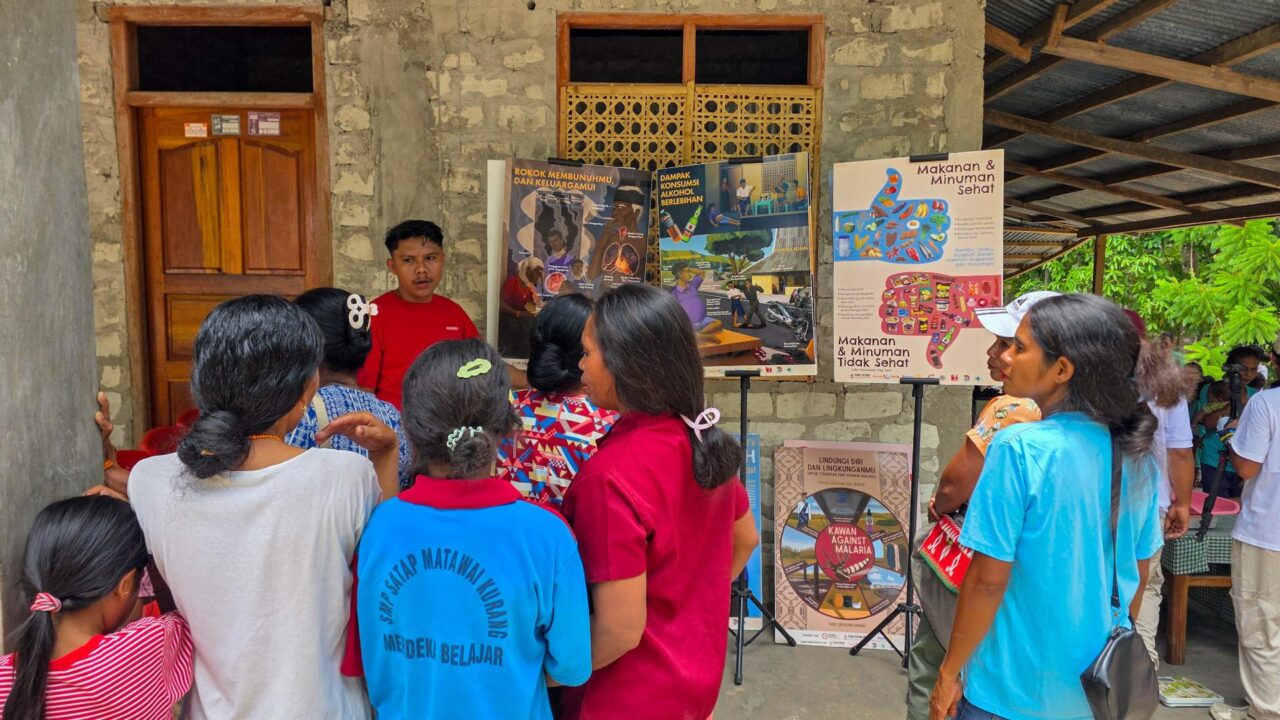
Understanding tobacco and nicotine
Tobacco use can damage the lungs, heart, blood vessels and many other organs. It increases the risk of cancer and long-term disease. Cigarettes, including kreteks, are not made safe by flavour, filters or a familiar place in daily life.
Nicotine can create strong dependence. A person may know the risks and still find stopping difficult. That is a reason to offer effective help, not a reason to shame them.
Other people can be harmed by second-hand smoke. Children, pregnant women and people with respiratory or heart conditions need protection, but everyone benefits from smoke-free environments.
Tobacco and nicotine · Benefits of quitting smoking
How researchers established the health risks
In 1950, Richard Doll and Austin Bradford Hill published a study comparing smoking histories among hospital patients with and without lung cancer. Their work helped build the evidence linking cigarette smoking with the disease.
Further studies followed people over time and examined biological mechanisms. The conclusion did not depend on one photograph of a damaged lung or one person becoming ill; it grew from converging lines of evidence.
Modern care also recognises nicotine dependence as something that can be treated. Public health prevention and practical help for the individual belong together.
Smoking and carcinoma of the lung, 1950 · Clinical treatment guideline for tobacco cessation in adults
Health concerns and dependence
Tobacco-related harm can develop before obvious symptoms. A cough or shortness of breath is not a reliable measure of how much damage has occurred. Regular health care should include discussion of tobacco use without blame.
Dependence may show as strong cravings, difficulty delaying use, repeated unsuccessful attempts to stop, or continued use despite illness. When nicotine is reduced or stopped, irritability, restlessness, difficulty concentrating, sleep changes or increased appetite can occur.
Withdrawal symptoms commonly improve over time. Tell the care team if mood or sleep problems are severe, persistent or difficult to manage. A plan can be adjusted rather than abandoned.
How to quit smoking · Common nicotine withdrawal symptoms
Treatment and support for stopping
Counselling and appropriate medicines can help. Support may include identifying triggers, planning alternatives, arranging follow-up and preparing for cravings. A previous attempt is useful information about what support may be needed next.
WHO recommends options including nicotine replacement therapy, varenicline, bupropion and cytisine for eligible adults. Availability and suitability vary. A clinician or pharmacist should check relevant health conditions, other medicines, pregnancy or breastfeeding before treatment is chosen.
Medicinal nicotine replacement is different from smoking tobacco. Use an approved product as directed and keep it away from children. Do not treat vaping or other commercial nicotine products as harmless, particularly for children and adolescents.
If tobacco use returns, seek support again. Discuss what happened and revise the plan. Respectful follow-up is more useful than blame.
Clinical treatment guideline for tobacco cessation in adults · How to quit smoking · Tobacco and nicotine
Protecting yourself and the people around you
- Choose a smoke-free home and vehicle. Smoking in another room or opening a window does not provide reliable protection.
- Plan a quit attempt with support. Identify triggers, remove tobacco supplies and discuss an appropriate treatment plan.
- Prepare for cravings. Use agreed strategies, supportive people and follow-up rather than relying only on willpower.
- Protect children from access and exposure. Keep tobacco, nicotine liquids and medicines securely out of reach.
- Make care and community activities smoke-free. Protection works better when it is a shared expectation.
Tobacco and nicotine · How to quit smoking · About second-hand smoke
Prevention and care in eastern Indonesia
In rural East Sumba, a useful conversation about tobacco must fit the person’s daily routine, household and resources. Primary Medical Care and Kawan Sehat agents connect health education with assessment and follow-up. A person who wants to stop should be helped to find the appropriate clinical service.
Tobacco prevention also connects with Child Health, nutrition and household well-being. Smoke exposure affects other people, and spending on tobacco can compete with essential needs. These links should be discussed with respect, not used to humiliate a family.
Fair Future’s Child Protection Policy includes protecting children from smoke in its activities. Training and community education can make that commitment practical: clear smoke-free spaces, understandable explanations and consistent adult behaviour.
The Kawan Sehat medical application can support recording a person’s concerns and follow-up within care. It should not promise a quit-smoking treatment that has not been assessed or a specialist service that is not actually available.
A persistent cough also needs its own assessment. Our tuberculosis health sheet explains why testing and access to treatment matter. Tobacco use must not become an explanation that delays investigation.
Primary Medical Care · Kawan Sehat agents · Child Protection Policy
Our second-hand smoke prevention campaign supports Kawan Sehat agents’ discussions with families. Find the posters in our Educational Posters collection: English PDF and Bahasa Indonesia PDF. Use them during community care and home visits.
In our Sumba Sepsis Study 2026, smoking inside the home was frequently reported by the surveyed households. This describes a household condition. It is not the proportion of people who smoke, a measurement of children’s smoke exposure, or proof that tobacco caused a recorded illness or sepsis. The finding helps explain why protecting shared air is a priority in our community work.
For Kawan Sehat agents, a practical discussion can begin with who shares the home and whether anyone smokes indoors. Families can agree on smoke-free homes, vehicles and gatherings, while the person using tobacco receives support to stop. Children should not have to negotiate protection alone. Health education works best when adults make that protection a shared responsibility.
Our second-hand smoke prevention campaign · Sumba Sepsis Study 2026: household findings · Educational posters
Questions for a quit plan
- What situations make me most likely to use tobacco?
- Which treatment and support are appropriate for me?
- What can I do when cravings occur?
- How will we review progress and side effects?
- How can our home stay smoke-free while I work on stopping?
Related programmes and field resources
Reference sources
- Tobacco and nicotineWorld Health OrganizationConsulted
- Benefits of quitting smokingCenters for Disease Control and PreventionConsulted
- Smoking and carcinoma of the lung, 1950Doll and Hill, British Medical JournalConsulted
- Clinical treatment guideline for tobacco cessation in adultsWorld Health OrganizationConsulted
- How to quit smokingCenters for Disease Control and PreventionConsulted
- Heart attackNational Health ServiceConsulted
- TuberculosisWorld Health OrganizationConsulted
- Common nicotine withdrawal symptomsCenters for Disease Control and PreventionConsulted
- About second-hand smokeCenters for Disease Control and PreventionConsulted
- Primary Medical CareFair Future FoundationConsulted
- Kawan Sehat agentsFair Future FoundationConsulted
- Child Protection PolicyFair Future FoundationConsulted
- Our second-hand smoke prevention campaignFair Future FoundationConsulted
- Sumba Sepsis Study 2026: household findingsFair Future FoundationConsulted
- Educational postersFair Future FoundationConsulted
General health information, not an individual diagnosis or prescription.
