

Health topics
Violence against women
Understanding violence as a health and rights concern, recognising harm and control, and supporting access to safe, respectful and confidential care.
Source-language clinical review recorded: Alex · 2026-11-19
When care cannot wait
Immediate danger, severe injury, breathing or swallowing difficulty, collapse or significant bleeding requires urgent help. Pressure to the neck can cause serious internal injury without visible marks; seek medical assessment even if the person initially appears well.
After sexual assault, seek qualified care promptly. Injury assessment, HIV prevention, emergency contraception and other care may be time sensitive. If possible, use a safe way to contact services and avoid steps that could alert a person causing harm.
Health care for women subjected to intimate partner or sexual violence · Non-fatal strangulation: medical risks · Preventing HIV with PEP
Understanding violence against women
Violence against women can harm physical, sexual, reproductive and mental health. It may be committed by a partner, former partner or another person. It is a violation of rights, not a normal part of a relationship.
Abuse can involve physical or sexual assault, threats, humiliation, intimidation, isolation, control of money or movement, or interference with healthcare. A pattern of coercive control can restrict a person’s choices even without a visible injury.
Responsibility belongs to the person using violence. A survivor may face serious practical and safety barriers to leaving or disclosing what is happening. Care should support her choices and safety without blame.
Violence against women · Health care for women subjected to intimate partner or sexual violence
Recognising violence as a health issue
There is no single discoverer or medical origin for violence against women. Recognition developed through survivors’ experiences, women’s rights movements, clinical work and research on its health consequences.
WHO published its first World report on violence and health in 2002. It brought intimate partner and sexual violence into a wider public health account of harm, prevention and response.
The WHO clinical handbook published in 2014 translated evidence into practical care. Its importance is the shift from asking why a woman has not left to asking what she needs and how care can support her safely.
Health care for women subjected to intimate partner or sexual violence · World report on violence and health
Possible health effects and signs of control
- Injuries, repeated pain, headaches or other physical concerns.
- Sleep problems, anxiety, persistent distress, fear or changes in daily functioning.
- Sexual pain, unwanted pregnancy, infection risk or interference with contraception.
- A partner controlling conversations, appointments, medicines, money, transport or access to a phone.
- Threats, stalking, forced sex or pressure that makes it unsafe to make ordinary choices.
These concerns deserve private, respectful assessment. No single symptom proves violence, and a survivor does not need a particular injury or emotional reaction to deserve support.
Violence against women · Health care for women subjected to intimate partner or sexual violence
A helpful first response
Listen without pressuring the person to give details. Acknowledge what she says, ask what she needs and respect her decisions. Do not demand an immediate separation or a police report as a condition for healthcare.
WHO’s LIVES approach brings together listening, asking about needs, validating the experience, enhancing safety and supporting access to services. It is first-line support, not an investigation or a substitute for specialised care.
Avoid confronting the person causing harm or proposing a joint discussion that could increase risk. Ask how and when contact is safe before sending a message, calling a shared phone or giving materials to take home.
Health care for women subjected to intimate partner or sexual violence · Caring for women subjected to violence: training curriculum
Clinical assessment and treatment
Care should address injuries, pain, pregnancy-related concerns, sexual health and emotional well-being. Examinations and tests need explanation and informed consent. A private conversation should be offered when it can be done safely.
After sexual assault, the clinician considers injury treatment, pregnancy prevention where relevant, HIV post-exposure prophylaxis, other infection care and follow-up. The options depend on timing and individual needs. Seek care promptly even if some time has already passed.
Pressure to the neck needs particular attention. Breathing or swallowing changes, voice changes, fainting, confusion or persistent headache may reflect serious injury. The absence of bruising does not establish that the person is safe medically.
Continuing support may include appropriate mental health care and referral to qualified social, protection or legal services. The team should explain confidentiality and any limits that apply, without promising that information can never be shared.
Health care for women subjected to intimate partner or sexual violence · Non-fatal strangulation: medical risks · Preventing HIV with PEP
A safety plan must fit the person’s circumstances
A trained service can help consider immediate danger, safe contacts, children’s needs, transport and a place to seek help. A plan should be developed with the survivor, not imposed by someone who does not know the risks.
Privacy matters in ordinary details. A shared device, visible appointment reminder or printed document may expose a request for help. Ask which communication method is safe and avoid assuming that deleting information or suddenly changing a routine is risk free.
No plan guarantees safety, and responsibility for preventing violence does not belong to the survivor. Services and communities need to provide real options, rather than advice that cannot be followed.
Health care for women subjected to intimate partner or sexual violence · Caring for women subjected to violence: training curriculum
Prevention beyond the individual
- Challenge acceptance of violence, coercion and gender inequality.
- Support respectful relationships, consent and shared decision-making.
- Make schools, workplaces, community activities and health services safer.
- Improve access to health, social and protection services without discrimination.
- Support women’s participation and practical resources while monitoring whether an intervention could increase danger.
RESPECT: preventing violence against women
Respectful access in the rural east of Indonesia
In East Sumba, the person who controls transport or money may also control access to care. Primary Medical Care and Kawan Sehat agents need training to recognise concerns, speak privately when safe and connect a person with the appropriate qualified services.
Community Empowerment connects with participation and the practical ability to seek help. These links should not be presented as a promise that Fair Future operates an emergency shelter, specialist forensic service or confidential crisis line.
Fair Future’s Child Protection Policy is also relevant when children may be exposed to violence. Their safety needs coordinated assessment without automatically involving a person who may be causing harm.
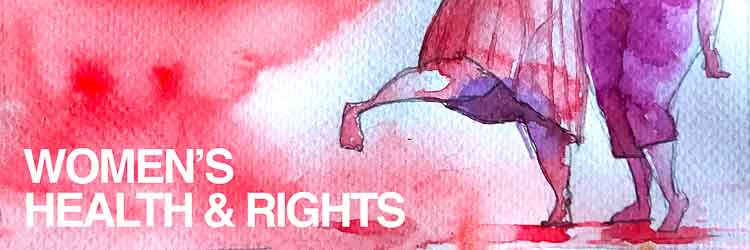
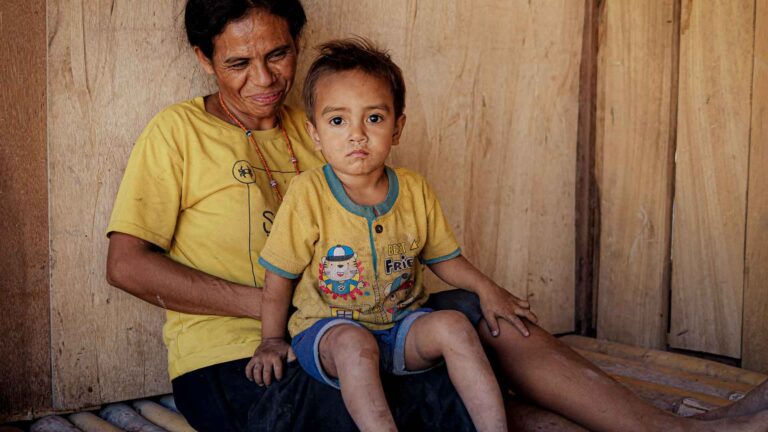
The Kawan Sehat medical application can support continuity, but sensitive disclosures need careful access and safe communication. The illustration by Andri addresses women’s health and rights; it does not depict or identify an individual survivor.
Primary Medical Care · Kawan Sehat agents · Child Protection Policy
Questions for a safe consultation
- Can we speak privately and safely?
- Which medical needs cannot wait?
- What information will be recorded or shared?
- Which services are actually available locally?
- How can follow-up happen without increasing risk?
Related programmes and field resources
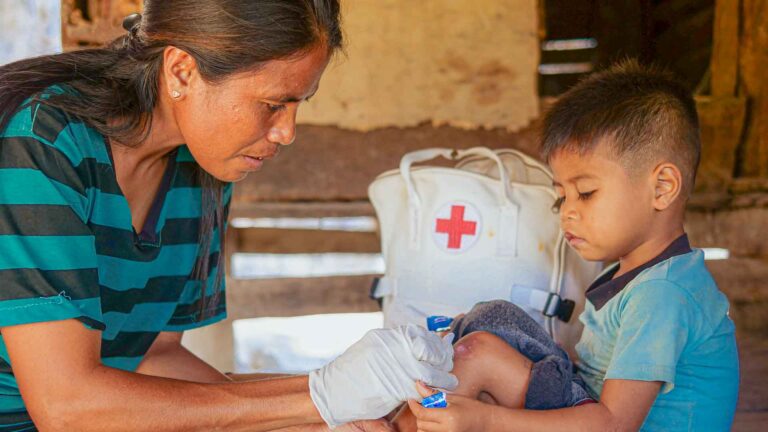
programme
Primary Medical Care in Remote Areas
Connect health concerns with private assessment and referral.
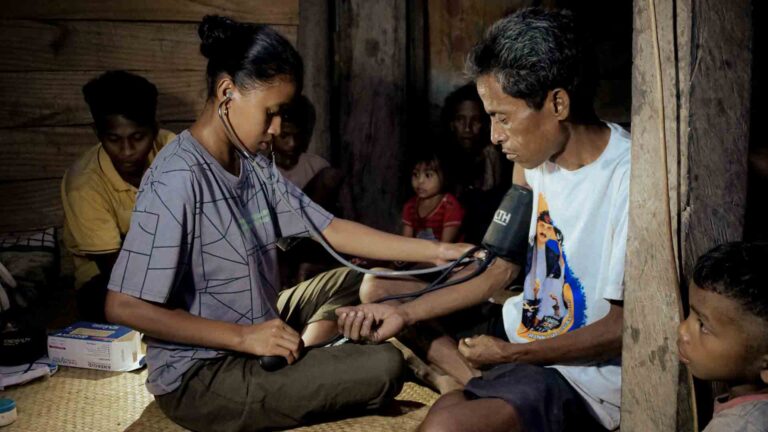
programme
Kawan Sehat Rural Health Agents
Explore community health training and responsible follow-up.
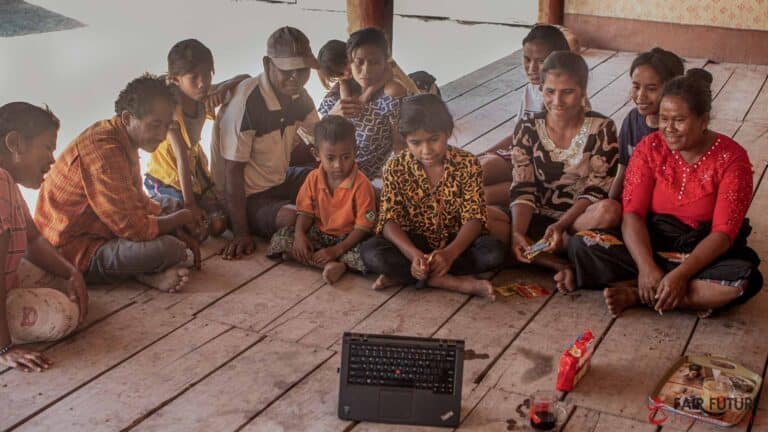
programme
Community Empowerment in Rural East Sumba
Connect participation with practical access to support.
Reference sources
- Violence against womenWorld Health OrganizationConsulted
- Health care for women subjected to intimate partner or sexual violenceWorld Health OrganizationConsulted
- Non-fatal strangulation: medical risksGloucestershire Hospitals NHS Foundation TrustConsulted
- Preventing HIV with PEPCenters for Disease Control and PreventionConsulted
- World report on violence and healthWorld Health OrganizationConsulted
- Caring for women subjected to violence: training curriculumWorld Health OrganizationConsulted
- RESPECT: preventing violence against womenWorld Health OrganizationConsulted
- Primary Medical CareFair Future FoundationConsulted
- Kawan Sehat agentsFair Future FoundationConsulted
- Child Protection PolicyFair Future FoundationConsulted
General health information, not an individual diagnosis or prescription.