


Donate
Support Care
Articles & News
Field stories
Glossary
Field guides

Health & Medical Program
Kawan Sehat Agents
Trained women and men providing first-line care, prevention, follow-up and early referral inside their own remote communities.
- 27 active health agents
- 700 to 1,000 patients supported each month
- Medicines and supplies restocked every two months
Care begins with someone the village already knows
When a child develops a fever or a wound begins to worsen, the first safe decision often happens at home. Kawan Sehat agents bring trained observation, basic care and a clear referral pathway into communities where formal services remain hours away.
The programme
Local knowledge, structured clinical responsibility
In an isolated village, proximity matters. So do training, clinical limits and the ability to recognise when a patient needs more than community care.
In Lahiru, Desiana brings practical health education into Posyandu care, discussing prevention with children and adults.
Kawan Sehat agents live in or close to the communities they serve. They know the paths, families, languages and practical barriers that shape a patient’s decision to seek care. This trust makes earlier contact possible, but trust alone is not enough. Their work is organised through defined protocols, medical supervision and documented follow-up.
They are not doctors and they do not replace public health centres. They provide approved first-line care, health education and practical support while recognising danger signs and connecting patients to a higher level of care.
Women and men trained to serve communities where routine care remains difficult to reach.
Assessment, approved treatment, prevention, follow-up and referral delivered through the programme.
A 150-page field manual structures knowledge, clinical limits, prevention and safe decisions.
Medicines, dressings and basic diagnostic supplies are reviewed and replenished in the field.
From first contact to follow-up
How an agent supports a patient
The agent’s role is not simply to hand out medicine. Each contact must lead from careful listening to a proportionate decision, a written record and a plan for what happens next.
Listen
The agent hears what has changed, how long it has lasted and what the family has already tried.
Assess
Symptoms, temperature, available vital signs and visible danger signs are checked within the agent’s training.
Decide safely
Approved first-line care is given when appropriate. Severe, uncertain or worsening cases are referred.
Document
Findings, care and referral information are recorded so the next clinical decision begins with evidence.
Return
The agent checks progress, reinforces prevention and contacts the medical team when recovery is not following the expected course.
Clinical boundaries matter
Close enough to act, trained to know the limit
Proximity becomes useful only when it is safe. Kawan Sehat agents work within defined protocols and refer whenever severity, uncertainty or missing resources make local care inappropriate.
What agents can do
- Listen, observe and assess common symptoms and available vital signs
- Clean and dress superficial, uncomplicated wounds
- Provide protocol-approved first-line medicines and oral rehydration
- Support uncomplicated fever, respiratory, skin and digestive complaints
- Monitor children, older people and patients living with chronic conditions
- Teach hygiene, nutrition, malaria, tuberculosis, HIV and infection prevention
When agents refer
- Breathing difficulty, altered consciousness, shock or severe dehydration
- Suspected sepsis, severe infection or rapidly worsening illness
- Major trauma, deep wounds, burns or suspected fracture
- Pregnancy complications or danger signs in a mother or newborn
- Possible tuberculosis, leprosy, HIV or another condition requiring testing
- Any situation beyond available skills, protocols, medicines or diagnostic capacity
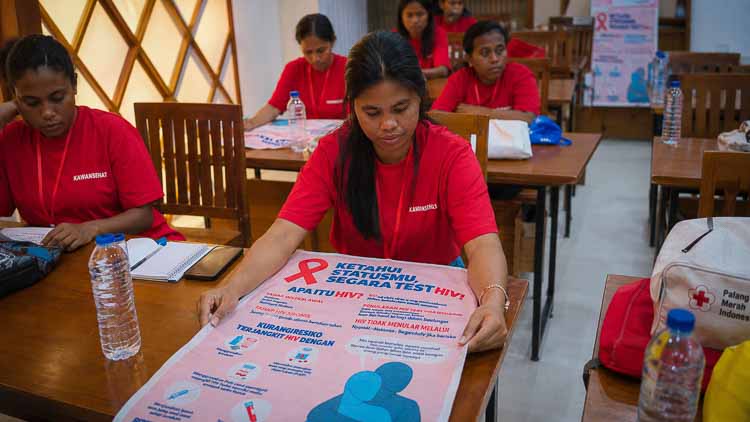
Mira studies a reusable HIV prevention and testing poster during Kawan Sehat training in East Sumba. The material is designed to be carried back into villages and used in local health education.
The system behind each agent
Training turns proximity into safe action
Community knowledge makes contact possible. Structured training makes that contact clinically useful. Agents learn through practical modules, supervised exercises, case review and repeated field support. Their tools are designed for places where connectivity, transport and formal services are limited.
Field manual
Fourteen modules across 150 pages cover first-line care, prevention, danger signs and responsible limits.
Supervised practice
Training, case discussion and field visits help translate written protocols into safer decisions.
Medical backpack
Approved medicines, dressings, basic diagnostics and education materials are organised for home visits.
Kawan Sehat app
Offline and online records support follow-up, review and a clearer picture of health needs across villages.
What changes in practice
A trained neighbour can shorten a dangerous delay
A recognisable first contact
Families can speak with someone they know before distance, cost or uncertainty turns a treatable problem into an emergency.
Earlier clinical warning
Changes in consciousness, breathing, hydration, infection or pregnancy can be recognised and referred sooner.
Prevention in local language
Health education happens during visits, in schools and inside homes, connected to the risks people meet each day.
Records connect visits
Documented findings and follow-up allow the medical team to review decisions and identify recurring problems.
Programme reportPrimary Medical Care: 2024 reportRead the activities, field results and lessons from the programme that supports the agents.
Care systemPrimary Medical CareSee how agents, medical supervision, medicines, referral and prevention work as one field system.
Field toolsDigital tools for rural careUnderstand how offline records support case documentation, follow-up and programme evidence.
PeopleWho are the Kawan Sehat?Meet the women and men who carry care, prevention and practical knowledge into their villages.
Live field recordField Notes from Eastern IndonesiaFollow short, dated updates from training, home visits, medical outreach and prevention work.
Field guide & glossaryHealth and care, explainedExplore clinical terms and practical guides grounded in work inside remote communities.
Medical referencePrimary health careRead the international framework connecting accessible care, prevention and community participation.
Live from the field
Kawan Sehat Field Notes, as the work happens
Two recent signals involving community agents, home care, prevention or training. These notes refresh when a relevant Field Note is published.
Directly from the field
Latest Kawan Sehat reports
These reports document home visits, clinical training, prevention, medicine supply, patient follow-up and the limits agents meet inside remote villages.
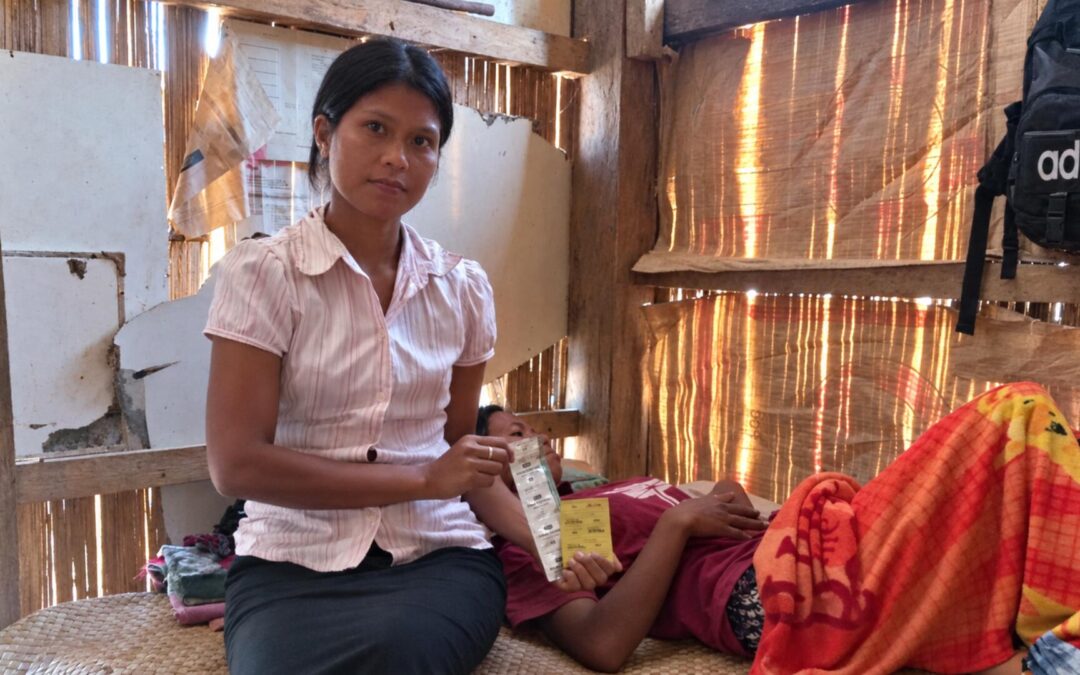
Community Healthcare in East Sumba Begins with a Visit Inside a Home
In Nggaha Ori Angu, Rambu Esther provides community healthcare East Sumba inside a woman’s home. As a Kawan Sehat health agent, she brings essential medicines, clinical advice and early assessment, then links families safely to our medical team when referral or further care is needed.

Preparing Five Community Care Days
Fair Future Foundation and Kawan Sehat teams are preparing five community care days in East Sumba. Doctors, nurses, health agents and educators will combine consultations, medicines and practical prevention advice. The next day is scheduled for 3 October. The teams are also preparing health posters.
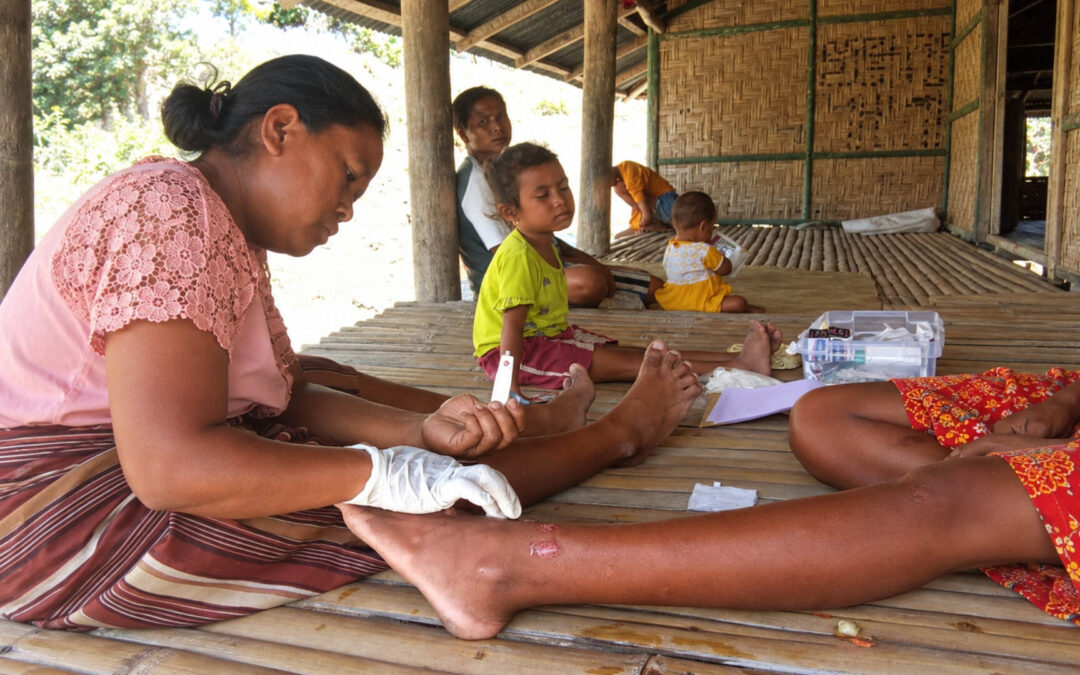
Kawan Sehat Wound Care Brings Timely Care to East Sumba
Inside a rural East Sumba home, a Kawan Sehat health agent assesses and treats a wound. For patients far from hospital care, timely first-contact care, clear advice and early referral can reduce the risk of delayed infection and severe illness.
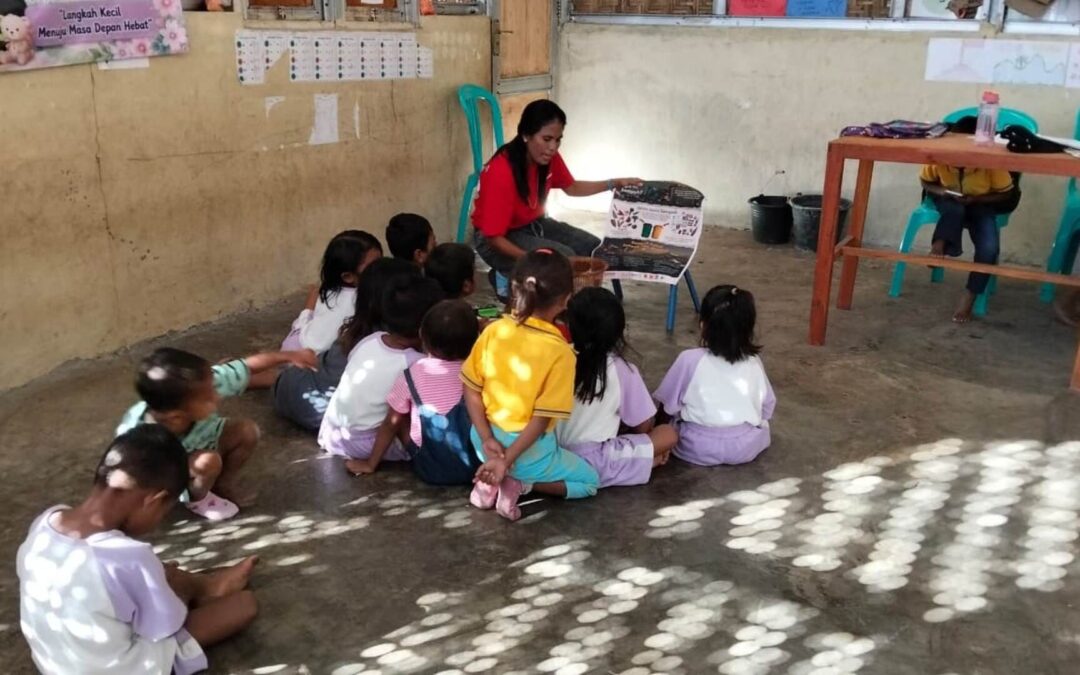
Plastic Waste Education Reaches Young Children in East Sumba
A Kawan Sehat health agent teaches young children how to reduce, sort and safely manage plastic waste in a rural East Sumba classroom. The school now has clean water from a new 5,300-litre reservoir, but still has no electricity. Prevention begins with words children can use at home.
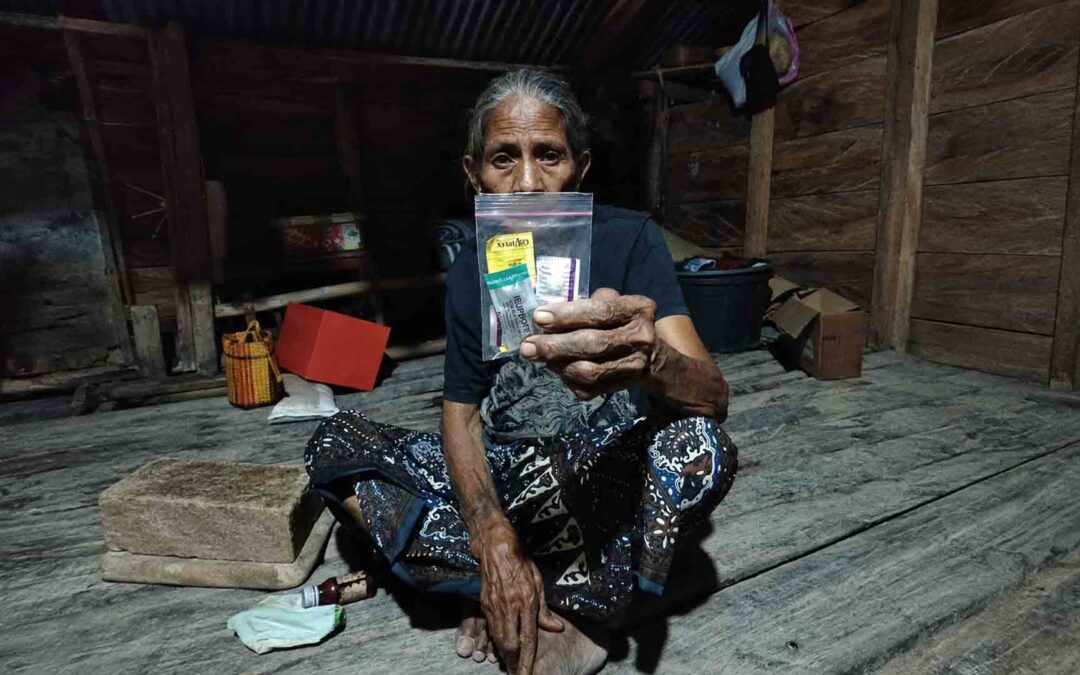
Elderly Healthcare in East Sumba | Care That Reaches Home
An older woman holds a small packet of medicines inside her home. Elderly healthcare in East Sumba often means bringing care closer. Kawan Sehat agents provide assessment, basic treatment, advice, follow-up and referral when illness, frailty or limited mobility makes access difficult.
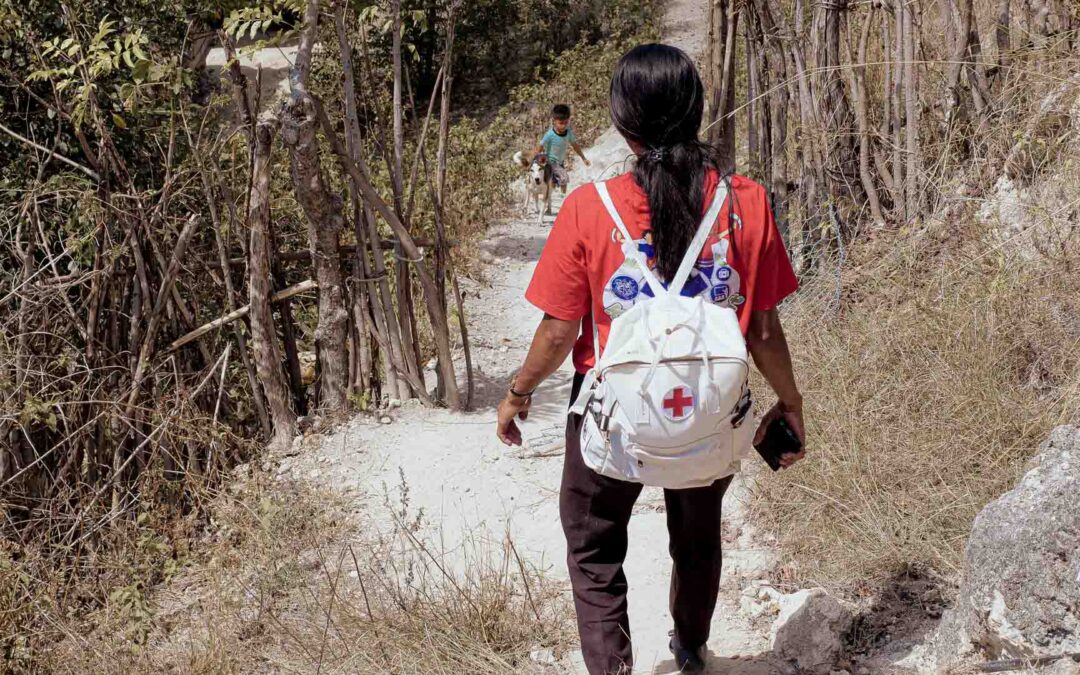
Community Health Worker | Primary Care in East Sumba
A Kawan Sehat community health worker walks through a remote East Sumba village carrying nearly one hundred medical and educational items. The backpack supports basic care, prevention, health education and referral where distance can delay access to formal healthcare and early assessment.
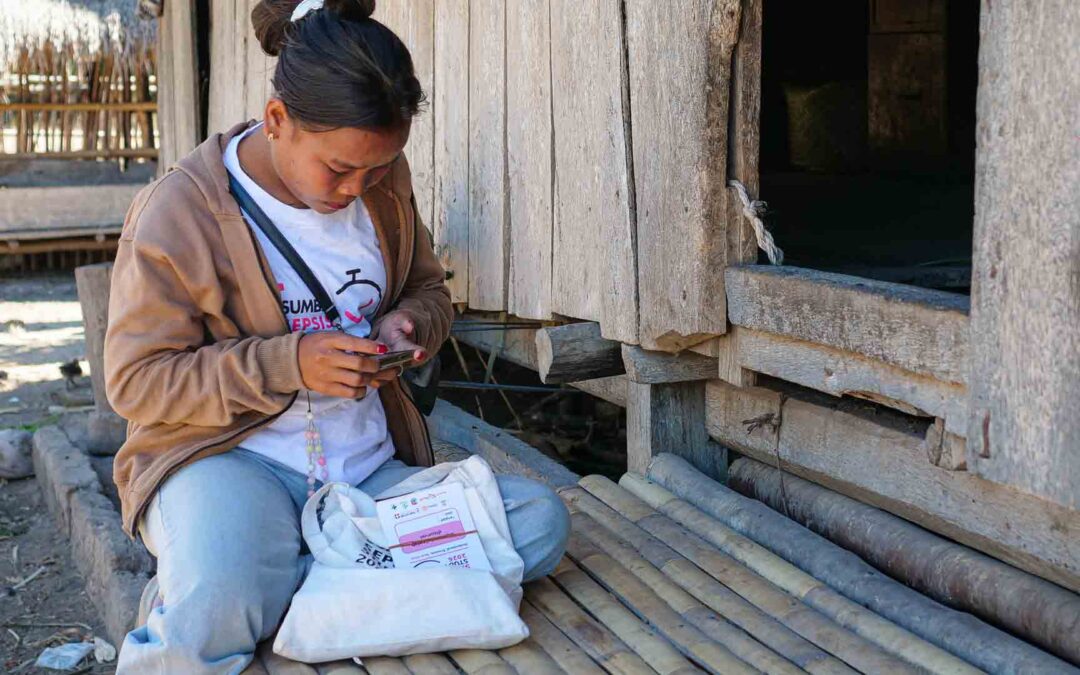
Sepsis Prevention in Sumba | Rambu Fratika in the Field
At 19, Rambu Fratika works as both a Kawan Sehat health agent and an enumerator for the Sumba Sepsis Study 2026. In remote East Sumba, she uses field applications to collect health data, strengthen prevention and report worrying situations earlier, before delays in access to care become dangerous.
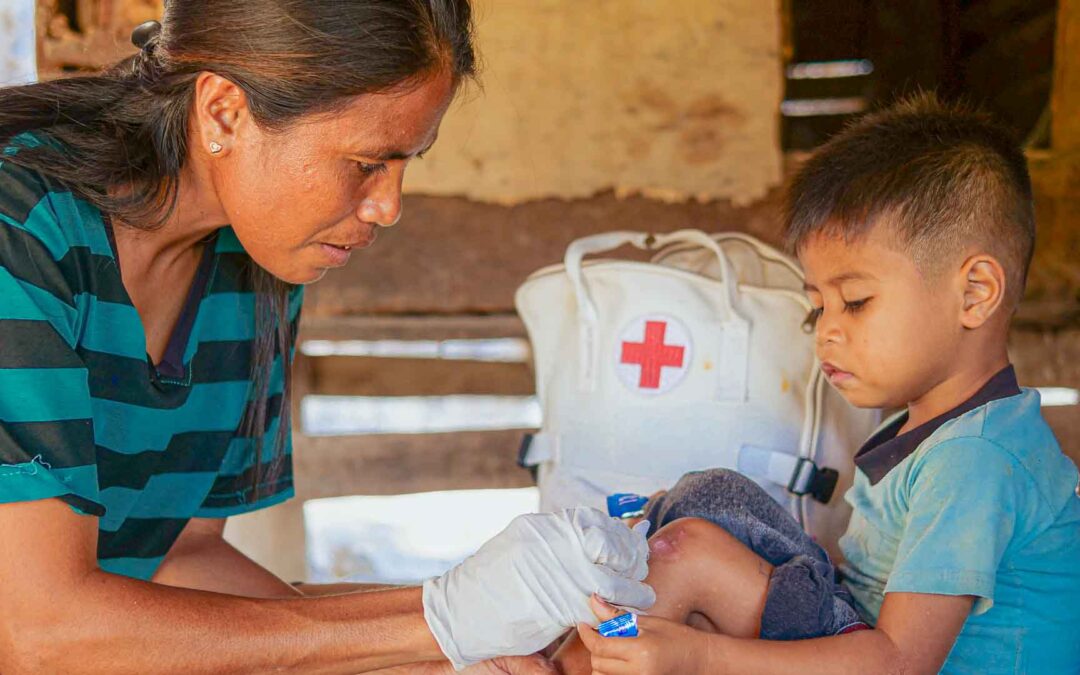
Primary Healthcare in East Sumba | Wound Care at Home
In Hudumburung, Kawan Sehat agent Veronika treats a child’s wound with the medicines, supplies and training tools carried in her medical backpack. Her work shows why early primary care, infection recognition, health education and timely referral matter in isolated East Sumba villages.
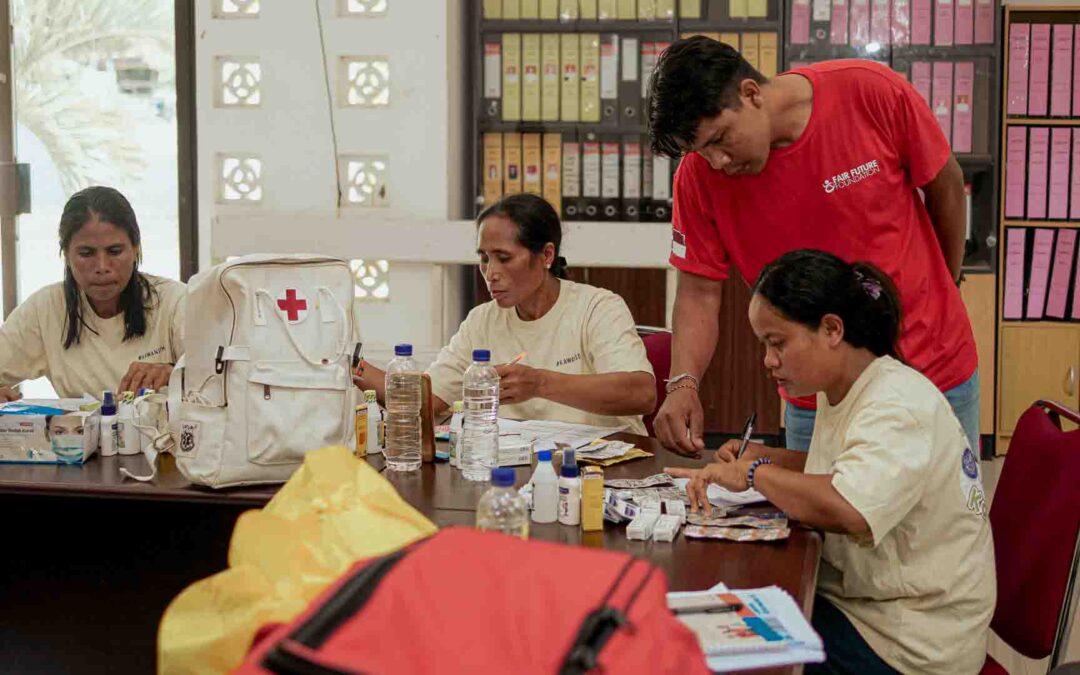
Primary Medical Care in East Sumba Field Supervision
Primary Medical Care East Sumba is not theoretical. It is a structured system that keeps medicines available, records accurate, and rural agents clinically supported. At Puskesmas Kawangu, supervision ensures that distance does not become danger.
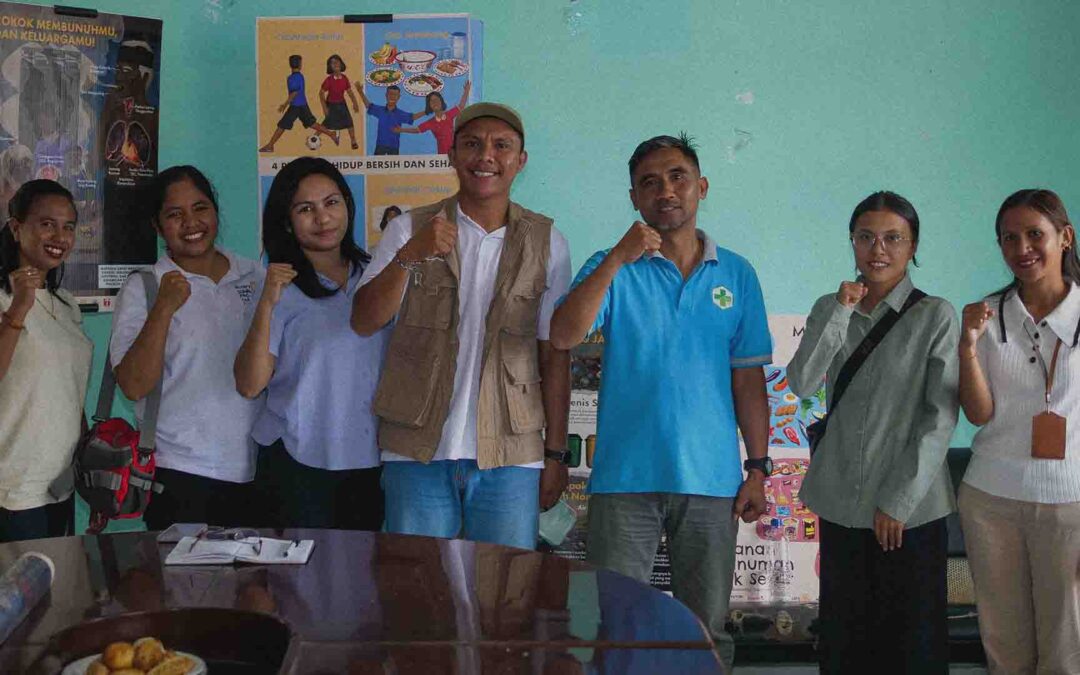
Kawan Sehat medical evaluation in remote East Sumba
A clinical assessment of how primary healthcare quality is maintained in remote villages of East Sumba. This article documents a structured medical evaluation of a community health agent, highlighting training, supervision, and data accuracy as key elements of safe rural healthcare.
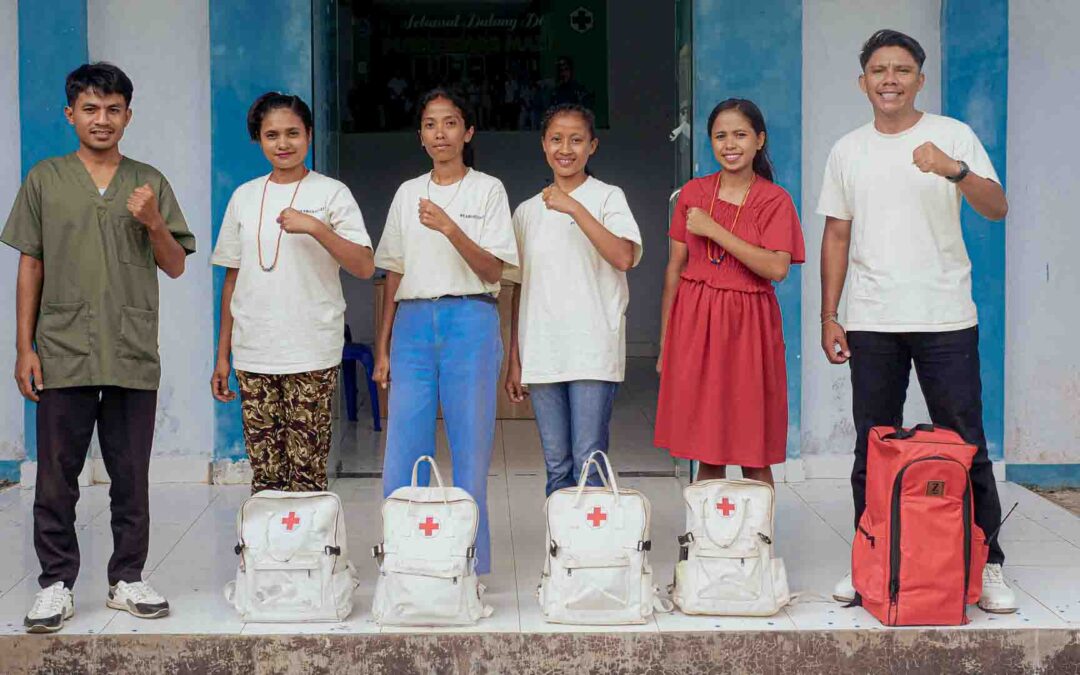
Kawan Sehat Ultra-Rural Medical Care in Eastern Indonesia
In eastern Indonesia, ultra-rural medical care depends on people who walk where vehicles cannot go. In regions cut off from roads, electricity, and doctors, Kawan Sehat health agents provide first-line treatment, prevention, and education. Their work fills the growing gaps left by under-equipped Puskesmas and overstretched hospitals.
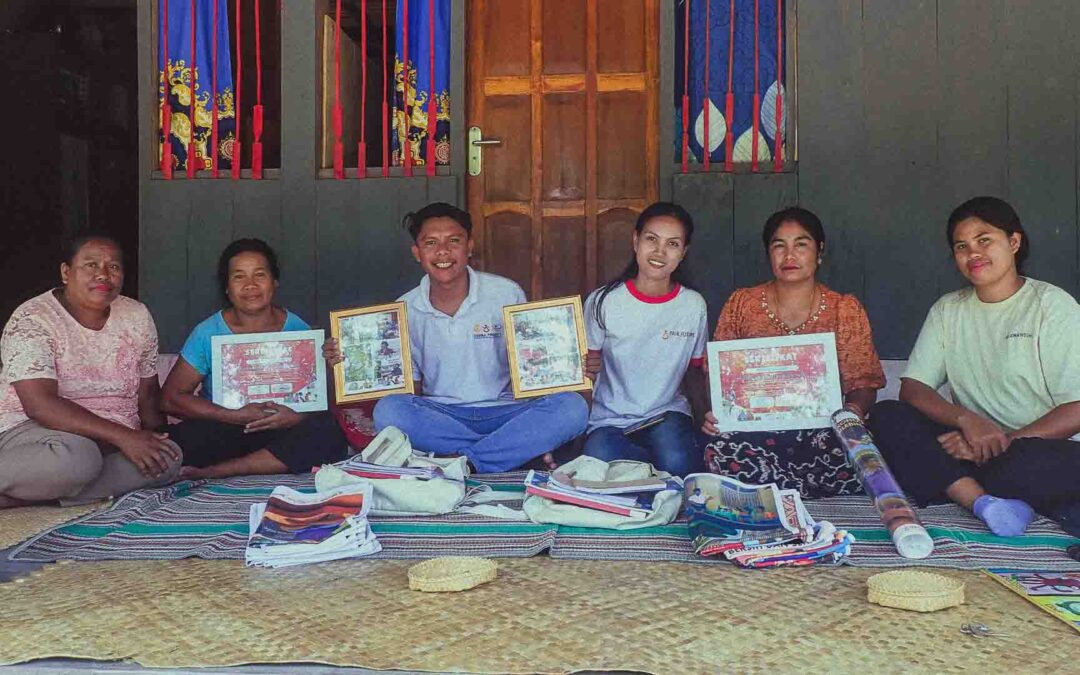
Kawan Sehat MbinuDita health agents farewell East Sumba
In MbinuDita, Kawan Sehat health work began with two women and a backpack. After more than three years as the first call for fevers, wounds and malaria, Agustina and Ferias end their mission, return their equipment and help prepare new agents so village care grows from twenty to thirty trained workers.
Accountability
Community care must remain trained, supervised and reviewable
Trust is essential, but it cannot replace evidence. We document care, referrals, medicines, training, follow-up and field limitations. Cases can be reviewed, supplies can be traced and unsafe practices must be corrected.
