


Health topics
One Health
Understanding the connections between people, animals and the environment, and turning shared risks into practical prevention and appropriate care.
Source-language clinical review recorded: Alex · 2026-11-19
When care cannot wait
Seek urgent medical care for confusion, seizures, severe breathing difficulty, collapse or rapidly worsening illness. Mention animal bites, contact with sick animals, contaminated water or other relevant exposures.
Wash an animal bite or scratch promptly with soap and running water and seek medical assessment for wound care and possible rabies or tetanus prevention. Do not wait for symptoms or attempt to handle a sick or unfamiliar animal.
Understanding One Health
One Health brings human, animal, plant and environmental health into the same conversation. It recognises that shared conditions can create shared risks, and that health, veterinary, environmental and community services may need to work together.
It is broader than infections passed from animals to people. Water quality, food safety, antimicrobial resistance, waste management and changes in land use also matter. The aim is to understand a problem across its connections and choose measures that improve health without shifting harm elsewhere.
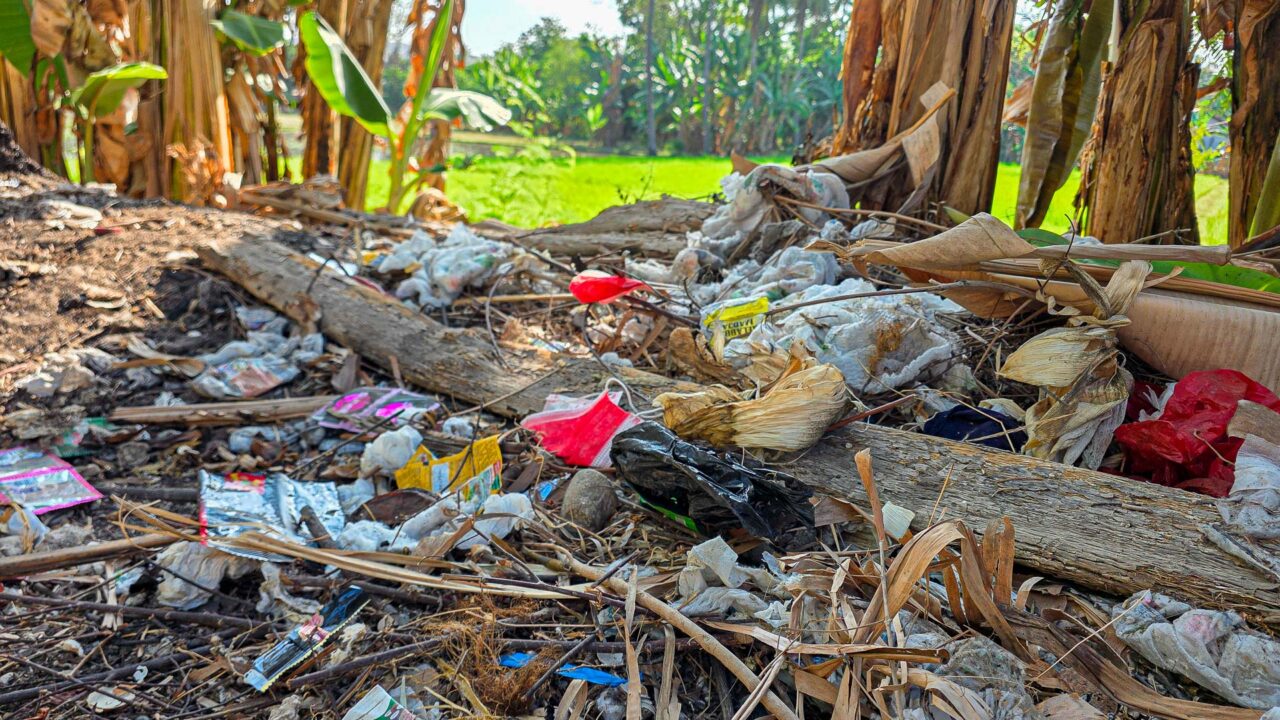
For a family, this can be very concrete: where animals drink, where waste drains, how food is prepared, which medicines are used and whether household water remains protected.
One Health · Support for the OHHLEP definition of One Health
A shared idea, developed across disciplines
There is no single disease or single discoverer behind One Health. Its development reflects work across medicine, veterinary science, public health and ecology, as researchers and communities examined connections that separate services could miss.
In 2021, the One Health High-Level Expert Panel proposed a shared definition supported by FAO, the World Organisation for Animal Health, UNEP and WHO. It provided a common basis for cooperation across these fields.
The four organisations developed a joint plan of action for 2022–2026. This history matters because cooperation needs more than an appealing phrase: responsibilities, information and practical action must connect.
Support for the OHHLEP definition of One Health · One Health Joint Plan of Action 2022–2026
How shared risks develop
Some infections can pass between animals and people through direct contact, bites, contaminated environments, food, water or vectors. An animal can carry a germ without looking ill. A healthy appearance is therefore not a complete safety check.
Other problems develop through the systems people share. Waste can contaminate water; poorly protected food can transmit germs; inappropriate antimicrobial use can favour resistant organisms. The useful question is not who to blame, but where the chain of risk can be interrupted.
Animals also provide food, livelihoods and other benefits. Prevention should protect those relationships through safer practices and appropriate veterinary advice, rather than encouraging fear or indiscriminate harm to animals.
About zoonotic diseases · Hygiene practices around animals
What deserves attention
One Health has no single set of symptoms. Fever, diarrhoea, skin problems or breathing symptoms need assessment according to the person and the situation. Their presence does not prove an animal source.
Tell the healthcare professional about relevant exposures and whether other people are ill. Veterinary services should assess sick animals. Unusual animal illness or deaths, concerning water changes or a cluster of human illness may need coordinated investigation.
Do not wait for an investigation before treating a seriously ill person. Care and prevention can proceed together while the cause is clarified.
About zoonotic diseases · Rabies
Assessment, treatment and responsible medicines
Clinical care addresses the diagnosed or suspected illness. A clinician may request tests, treat the person and arrange referral. Environmental or veterinary assessment can help clarify exposure and prevent further cases; it does not replace patient care.
Use human and veterinary medicines only through the appropriate qualified service. Do not share leftover antibiotics between people or use animal products to treat a person. The right drug, dose, duration and follow-up depend on the diagnosis.
When care is divided between services, ask who will coordinate the next step. A useful handover records the symptoms, exposures, tests, treatment and outstanding concerns without exposing unnecessary personal information.
One Health · Antimicrobial resistance
Practical prevention across the connections
- Wash hands after animal contact and before preparing food or eating. Help children learn the same habit.
- Protect household water and food. Keep animal waste and food preparation areas separate, and use safe storage and cooking practices.
- Avoid bites and unsafe handling. Seek trained help for sick or unfamiliar animals and veterinary advice for animal health.
- Reduce avoidable contamination. Manage waste, drainage and sanitation according to local services and conditions.
- Use antimicrobials responsibly. Human and veterinary treatment decisions need the appropriate professional assessment.
About zoonotic diseases · Rabies · Hygiene practices around animals · Antimicrobial resistance
Why this approach fits rural East Sumba
In eastern Indonesia, families, livestock, crops, water sources and household waste often occupy a closely connected space. A health conversation that stops at the symptom can miss a recurring exposure. Water Connections, Nutrition and Food and Primary Medical Care address different parts of that daily environment.
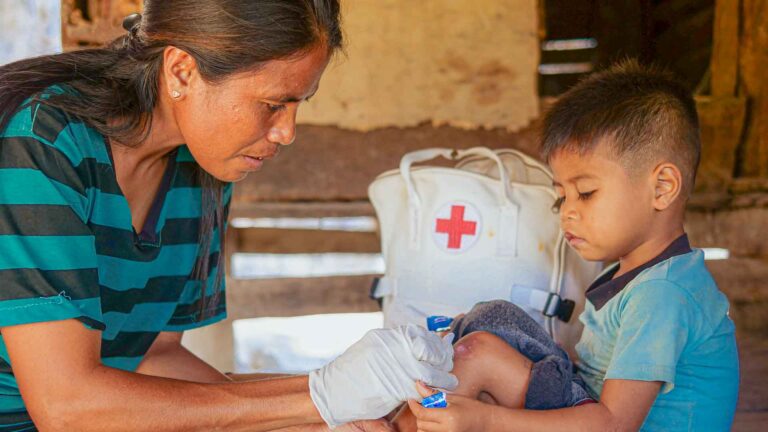
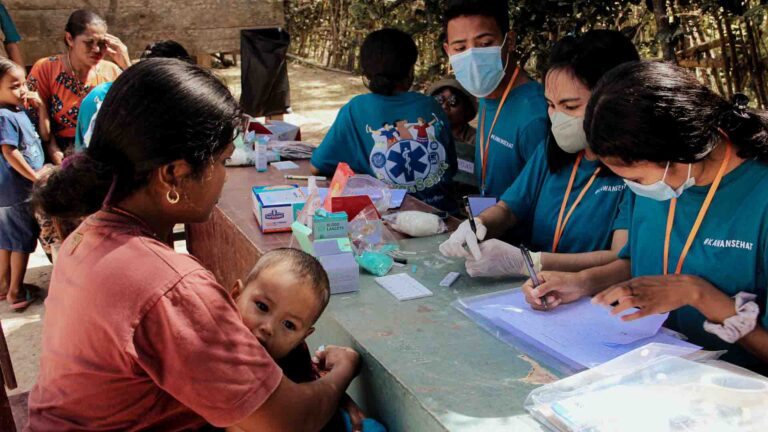
Kawan Sehat agents can help identify practical concerns during household conversations and encourage assessment within the appropriate service. Their role depends on training and supervision; it does not make them veterinarians or environmental laboratories.
Our Sumba Sepsis Study places prevention conditions beside the difficulties of reaching care. The Kawan Sehat medical application supports consistent clinical records and follow-up. Better records can support coordination, while each suspected illness still needs appropriate clinical judgement.
The connection with Kawan Against Malaria is also practical: understanding local mosquito exposure, maintaining protection and arranging testing belong alongside the wider environment. Different mosquitoes and diseases require their own evidence-based measures.
Water Connections · Primary Medical Care · Sumba Sepsis Study
Questions that connect the right services
- Which exposures are relevant to this illness?
- Does another household member or an animal also need assessment?
- Who is responsible for checking the water, food or environmental concern?
- What can the family change safely now, and what needs professional help?
Related programmes and field resources
programme
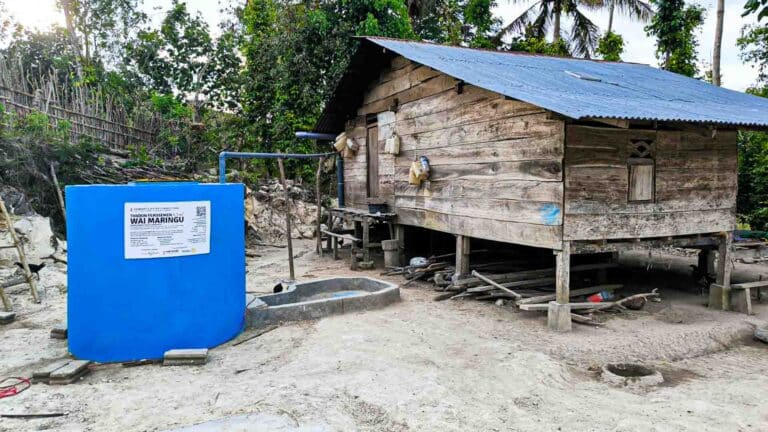
Water Connections for Rural Villages
Explore source protection, water systems and maintenance.

Reference sources
- One HealthWorld Health OrganizationConsulted
- Support for the OHHLEP definition of One HealthWorld Health OrganizationConsulted
- About zoonotic diseasesCenters for Disease Control and PreventionConsulted
- RabiesWorld Health OrganizationConsulted
- One Health Joint Plan of Action 2022–2026World Health OrganizationConsulted
- Hygiene practices around animalsCenters for Disease Control and PreventionConsulted
- Antimicrobial resistanceWorld Health OrganizationConsulted
- Water ConnectionsFair Future FoundationConsulted
- Primary Medical CareFair Future FoundationConsulted
- Sumba Sepsis StudyFair Future FoundationConsulted
General health information, not an individual diagnosis or prescription.
