

WHO warns of gaps in infection testing
WHO reports major gaps in infection testing. In remote East Sumba, a diagnosis must connect patients to effective treatment and follow-up.
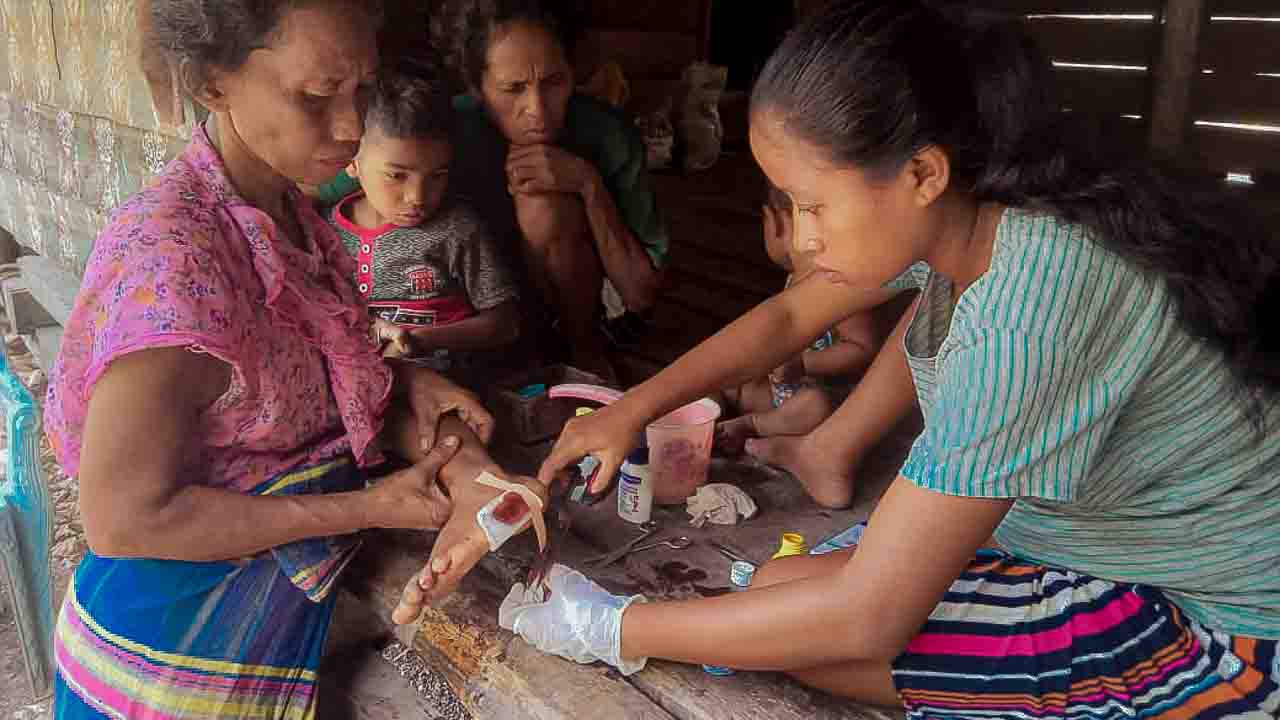
Infection testing can change which treatment a patient receives. Yet WHO’s update of 16 November 2026 warns that major gaps in diagnosis and treatment persist, even as more countries adopt plans against antimicrobial resistance.
Only 36% of countries report a national reference laboratory equipped to test the selected bacteria and fungi. This is a global, country-reported measure of reference-laboratory capacity. It does not mean that 36% of patients can get tested, and it tells us nothing specific about laboratory access in East Sumba.
Infection testing must lead to care
Here in rural East Sumba, we work in places where reaching a health facility can take hours. A test is useful only if a sample can reach the laboratory, the result comes back to the clinician and the patient can receive the treatment they need. Transport, trained staff, reliable supplies and follow-up are part of that chain.
In our work on antibiotic decisions without laboratories, we explain the difficult choices that limited testing leaves with rural clinicians. Better diagnosis can help avoid unnecessary antibiotics and guide effective treatment. When a patient is seriously ill, urgent assessment and treatment must not wait for a laboratory result.
During World AMR Awareness Week, we are asking for investment in both diagnosis and treatment. A family who has travelled a long way for help needs more than a test request. They need a result that reaches someone who can act on it, medicines when indicated and a way to be reviewed.
