


Health topics
Anaemia
Understanding anaemia, recognising when tiredness needs care, and connecting blood tests, nutrition and treatment with everyday life in rural East Sumba.
Source-language clinical review recorded: Alex · 2026-11-20
When care cannot wait
Seek emergency care for severe difficulty breathing, chest pain, collapse, confusion, or heavy bleeding with weakness or dizziness.
Vomiting blood needs urgent medical assessment. If the person also feels faint, has rapid breathing or looks very unwell, arrange emergency transfer. Do not wait for a routine blood test.
Shortness of breath: urgent warning signs · Vomiting blood: when to seek urgent help
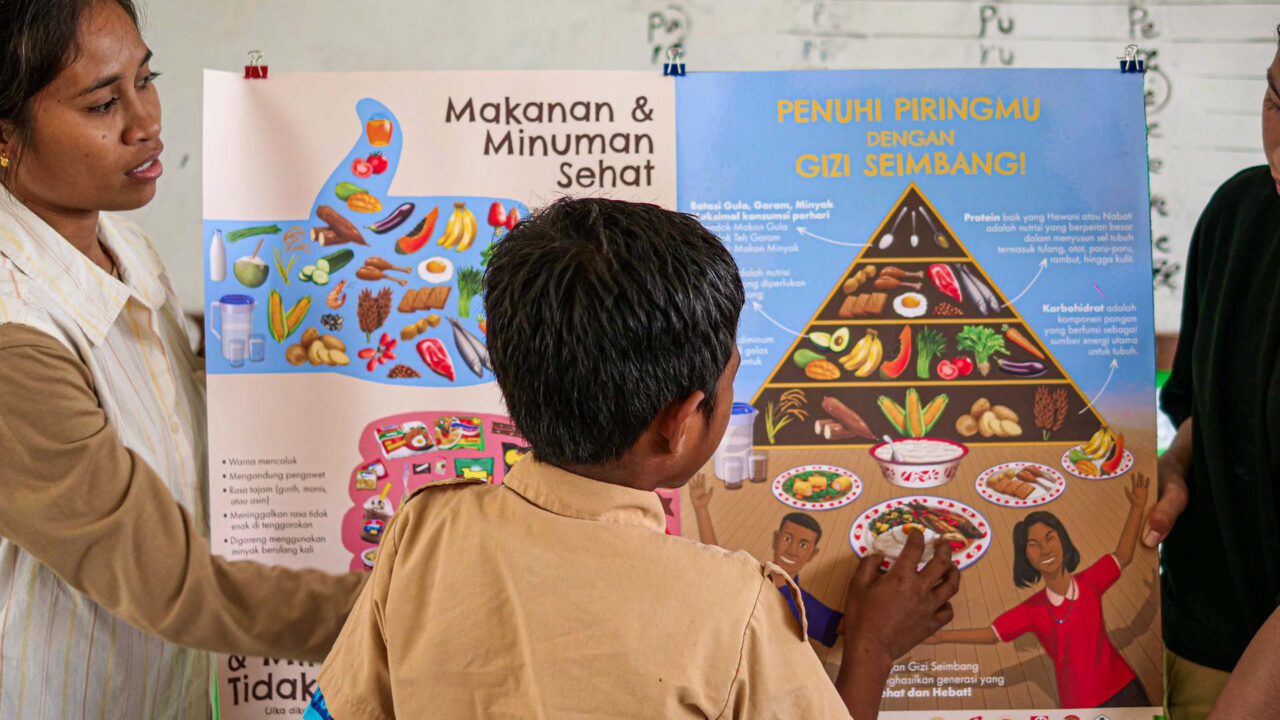
Understanding anaemia
Anaemia is a lower-than-healthy concentration of haemoglobin in the blood. Haemoglobin is the protein inside red blood cells that carries oxygen from the lungs to the rest of the body. When this supply is reduced, ordinary tasks can take much more effort.
Anaemia describes a problem that needs an explanation. It is not one single disease, and it is not always caused by too little iron. A blood test helps establish whether anaemia is present; further assessment looks for why.
Someone who struggles to walk to school, carry water or finish a normal working day deserves to be heard. Tiredness should not be dismissed as laziness. Equally, tiredness alone cannot tell us the diagnosis.
What is anaemia? · Anaemia: WHO fact sheet
A history of learning to treat the cause
There is no single discovery date for all anaemia: different conditions can produce the same finding in the blood. One important turning point came in 1926, when George Minot and William Murphy introduced liver therapy for pernicious anaemia, drawing on George Whipple’s earlier experimental work.
Whipple, Minot and Murphy shared the 1934 Nobel Prize in Physiology or Medicine for discoveries concerning liver therapy in anaemia. Pernicious anaemia is now understood through a problem absorbing vitamin B12, and modern care uses B12 replacement.
The lesson still matters in a village consultation: similar symptoms can have different causes. The right treatment follows the diagnosis.
The 1934 Nobel Prize: presentation speech · Vitamin B12-deficiency anaemia
Why anaemia develops
The body may not make enough healthy red blood cells, may lose them through bleeding, or may destroy them too quickly. Several causes can occur together.
- Too little available iron: inadequate intake, poor absorption or ongoing blood loss can exhaust iron stores.
- Other nutrient deficiencies: vitamin B12 or folate deficiency can affect red blood cell production.
- Blood loss: heavy menstrual bleeding, bleeding during childbirth, digestive tract bleeding, injuries and some intestinal parasites can contribute.
- Infections and chronic illness: malaria can damage red blood cells; other infections and inflammation can affect production and iron use. Chronic kidney disease can also reduce red blood cell production.
- Inherited conditions: disorders such as thalassaemia affect haemoglobin. They need a different care plan from straightforward dietary iron deficiency.
Anaemia itself is not contagious, although an infection contributing to it may be transmissible. Do not assume that a child, a pregnant woman or an adult with anaemia needs exactly the same treatment.
Anaemia: causes and risk factors · Anaemia: WHO fact sheet · Iron-deficiency anaemia
Anaemia symptoms: what people may notice
Mild anaemia may produce no obvious symptoms. When symptoms occur, they may develop slowly or appear rapidly, particularly after bleeding.
- Unusual tiredness or weakness that makes familiar activities harder.
- Breathlessness, especially with exertion, or a noticeable racing heartbeat.
- Dizziness, headaches or feeling faint.
- Paleness or feeling unusually cold.
These signs overlap with many other conditions. Looking at the skin or inside the eyelids does not replace a blood test. In children, persistent low energy or reduced participation in play deserves attention.
Tell the clinician about tingling, changes in balance or memory, a painful tongue, or yellowing of the eyes. These details can help identify causes beyond iron deficiency.
Anaemia: symptoms · Iron deficiency anaemia: treatment and follow-up · Vitamin B12-deficiency anaemia
When to seek care
Arrange a clinical assessment for persistent tiredness, new breathlessness, repeated dizziness or suspected anaemia. Seek help sooner if symptoms worsen, if the person is pregnant, or if a child becomes unusually weak.
Heavy periods deserve care rather than silent endurance. Tell the clinician about bleeding between periods, blood in stools, black tar-like stools, or any other unexplained bleeding. Do not assume blood loss is normal.
For severe breathing difficulty, chest pain, collapse or confusion, use the emergency pathway described above. These symptoms may have another serious cause and should not be managed by trying iron tablets at home.
Anaemia: causes and risk factors · Iron-deficiency anaemia · Shortness of breath: urgent warning signs · Vomiting blood: when to seek urgent help
Blood tests: finding anaemia and its cause
A haemoglobin measurement can identify anaemia. A full blood count also describes the number and size of blood cells. The clinician interprets results in the context of age, pregnancy and the person’s overall condition.
A low haemoglobin result does not, by itself, prove iron deficiency. Ferritin helps assess iron stores, but infection or inflammation can raise it. A result that looks normal therefore needs careful interpretation when someone is unwell.
Further checks depend on the history and examination. They may include vitamin B12 or folate tests, kidney function, tests for malaria or intestinal parasites, assessment for bleeding, or investigation of an inherited blood disorder.
Bring previous results and a list of medicines. Mention heavy menstruation, recent childbirth, diet, fever, digestive symptoms and family history. A useful consultation explains both the result and the next step.
Anaemia: diagnosis · Ferritin and the assessment of iron status · Vitamin B12-deficiency anaemia · Anaemia: WHO fact sheet
Anaemia treatment: match care to the cause
The aim is to improve oxygen delivery and address the reason the anaemia developed. When iron deficiency is established, prescribed iron can rebuild stores. Vitamin B12 deficiency needs B12 replacement; bleeding, infection, kidney disease and inherited disorders need their own management.
Some people need intravenous iron or specialist treatment. Severe anaemia or serious complications may require a blood transfusion in a properly equipped clinical setting. These decisions depend on symptoms, test results and clinical assessment.
Do not start or increase iron simply because someone feels tired. Unnecessary iron can be harmful. Preventive supplements supplied through antenatal or other public health services should be taken according to that programme’s instructions.
Food supports recovery, but a better meal cannot replace urgent treatment, stop ongoing internal bleeding or correct every type of anaemia.
Anaemia: treatment and management · Iron-deficiency anaemia · Anaemia in pregnancy
Taking treatment safely and checking recovery
Ask how to take the medicine, how long to continue it, and when to repeat blood tests. Improvement in how someone feels does not always mean iron stores have recovered.
Iron tablets can cause nausea, abdominal discomfort, constipation or diarrhoea. Ask the prescribing team for help if side effects make treatment difficult. They can review the formulation or schedule; do not share tablets or change the dose without advice.
Iron can darken stools. New tar-like stools, visible blood or worsening weakness still need medical attention rather than being automatically attributed to the tablets.
Keep iron medicines out of children’s reach. An accidental overdose can be fatal. If a child may have swallowed iron medicine, seek emergency help immediately and take the packaging with you.
If treatment is not helping, the next step is reassessment: the diagnosis, absorption, continuing blood loss and access to the prescribed course may all need review.
Iron deficiency anaemia: treatment and follow-up · Iron-deficiency anaemia · Vomiting blood: when to seek urgent help
Children, adolescents and pregnancy
Growing children and adolescents need reliable nutrition. Menstruation adds a possible source of blood loss, and heavy bleeding should be discussed respectfully and privately. Our menstrual health fiche explains related care and dignity.
Pregnancy increases the need for iron and other nutrients. Antenatal blood tests can detect anaemia before symptoms become severe. Keep appointments and take recommended supplements as instructed; tell the team if side effects, cost or transport interrupt care.
Anaemia during pregnancy can affect the mother and baby, including increasing the risk of premature birth and low birthweight. Follow-up after significant bleeding or anaemia also matters after birth.
A pregnant adolescent needs confidential, supportive care without blame. See adolescent pregnancy and our Child Health programme for the wider connections between early care, nutrition and family support.
Anaemia in pregnancy · Anaemia: WHO fact sheet · Kawan Sehat health agents
Prevention: nutrition, infection control and earlier care
Some forms of anaemia can be prevented; inherited forms cannot be prevented by diet. Prevention works best when it addresses the cause and the food, water and care a household can actually access.
- Build variety into meals where possible. Beans, lentils, tofu, fish, meat, fortified foods and dark leafy vegetables can contribute iron. Vitamin C-rich foods, such as tomatoes or citrus fruit, help the body absorb plant-based iron.
- Ask about tea, coffee and prescribed iron. These drinks can reduce iron absorption; the care team can explain timing around meals or tablets without unnecessary restrictions on a nutritious diet.
- Prevent and treat infections. Use recommended malaria protection, seek testing for suspected malaria, and follow local guidance on parasite treatment. Clean water, sanitation and handwashing help reduce exposure to some intestinal parasites.
- Address ongoing blood loss. Seek assessment for heavy periods or unexplained bleeding. Attend antenatal care and follow the supplementation plan provided by the health service.
Iron-deficiency anaemia · Anaemia: WHO fact sheet · Anaemia: causes and risk factors
What this means in rural East Sumba
In remote parts of East Sumba and Nusa Tenggara Timur, the next step after recognising a problem may involve transport, a laboratory visit and another journey for results. Nutrition advice also needs to fit the food and income available to the family.
Through Primary Medical Care, assessment, treatment, education and referral are connected to continuing field care. Kawan Sehat health agents can listen to symptoms, explain why assessment matters and help people navigate follow-up within their training and medical supervision. A suspected case still needs clinical evaluation and appropriate testing.
Nutrition and Food connects dietary advice with daily food access. Kawan Against Malaria supports prevention, testing and referral for an infection that can contribute to anaemia. Water Connections addresses another part of prevention through safer water and sanitation.
These are practical connections rather than separate subjects. Read our fiches on malnutrition and malaria alongside this one when those concerns are present.
Primary Medical Care · Kawan Sehat health agents · Nutrition and Food · Kawan Against Malaria
Before leaving the consultation
- What does my blood result show, and what is the likely cause?
- Which treatment do I need, and how should I take it?
- Which symptoms mean I should return urgently?
- When is the next blood test, and how will I receive the result?
- If transport, food or medicine access becomes difficult, who can help?
Anaemia: diagnosis · Iron deficiency anaemia: treatment and follow-up · Primary Medical Care
Related programmes and field resources
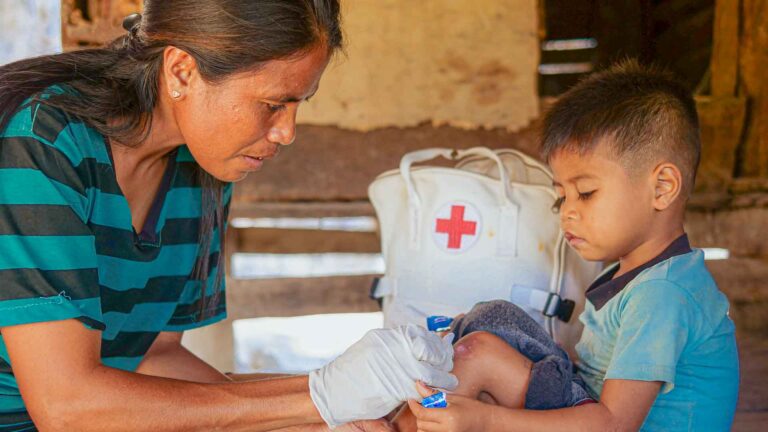
programme
Primary Medical Care in Remote Areas
Connect assessment, treatment and referral with continuing care.
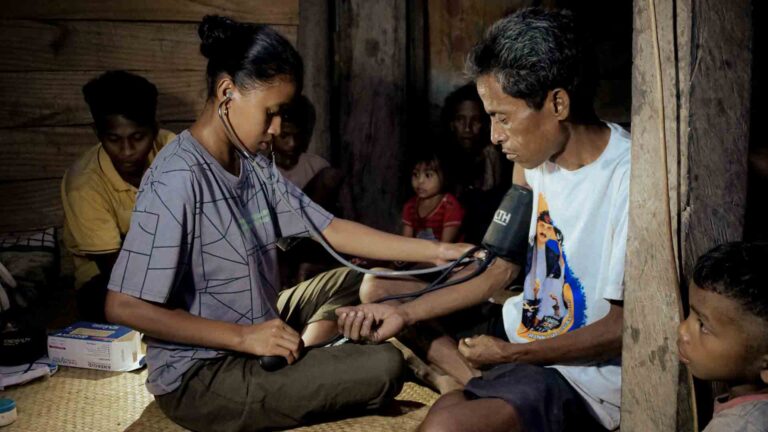
programme
Kawan Sehat Rural Health Agents
Understand supervised community support and health education.

programme
Nutrition and Food for Remote Villages
Connect iron-rich meals and nutrition advice with food access.
Reference sources
- Anaemia: WHO fact sheetWorld Health OrganizationConsulted
- What is anaemia?National Heart, Lung, and Blood InstituteConsulted
- Anaemia: causes and risk factorsNational Heart, Lung, and Blood InstituteConsulted
- Anaemia: symptomsNational Heart, Lung, and Blood InstituteConsulted
- Anaemia: diagnosisNational Heart, Lung, and Blood InstituteConsulted
- Ferritin and the assessment of iron statusWorld Health OrganizationConsulted
- Iron-deficiency anaemiaNational Heart, Lung, and Blood InstituteConsulted
- Anaemia: treatment and managementNational Heart, Lung, and Blood InstituteConsulted
- Iron deficiency anaemia: treatment and follow-upNational Health ServiceConsulted
- Anaemia in pregnancyNational Heart, Lung, and Blood InstituteConsulted
- Vitamin B12-deficiency anaemiaNational Heart, Lung, and Blood InstituteConsulted
- Shortness of breath: urgent warning signsNational Health ServiceConsulted
- Vomiting blood: when to seek urgent helpNational Health ServiceConsulted
- The 1934 Nobel Prize: presentation speechNobel PrizeConsulted
- Primary Medical CareFair Future FoundationConsulted
- Kawan Sehat health agentsFair Future FoundationConsulted
- Nutrition and FoodFair Future FoundationConsulted
- Kawan Against MalariaFair Future FoundationConsulted
General health information, not an individual diagnosis or prescription.
