


Health topics
Menstrual health
Understanding menstruation, recognising symptoms that deserve care, and protecting comfort, privacy and participation in daily life.
Source-language clinical review recorded: Alex · 2026-11-19
When care cannot wait
Seek urgent care for heavy bleeding with faintness, collapse, severe weakness, chest discomfort or breathing difficulty. Sudden severe pelvic pain, especially with a missed period or possible pregnancy, also needs urgent assessment.
Fever with severe pelvic pain, unusual discharge, a widespread rash or marked illness needs prompt medical advice. If someone is confused, very difficult to wake or rapidly deteriorating, seek emergency care.

Understanding menstrual health
Menstrual health includes physical comfort, emotional well-being, information and the practical conditions needed to manage a period. It is more than a supply of pads. A person also needs water, privacy, a suitable toilet and the freedom to ask questions or seek care.
During the menstrual cycle, hormonal changes prepare the uterus for a possible pregnancy. When pregnancy does not occur, the uterine lining is shed through the vagina as menstrual blood.
Cycles and bleeding patterns vary, particularly around puberty and the years approaching menopause. Keeping a simple record can help someone notice changes. Bleeding or pain that disrupts ordinary activities should not be dismissed as something a person must simply endure.
Menstrual health fact sheet · Periods
Symptoms that deserve attention
Some cramping or discomfort can occur around a period. Pain that is severe, worsening or regularly prevents school, work or sleep needs assessment. It can sometimes be related to conditions such as endometriosis, fibroids or infection.
- Bleeding that is much heavier or longer than usual, or regularly leaks through suitable protection.
- Marked tiredness, dizziness, breathlessness or other possible signs of anaemia.
- New bleeding between periods, after sex or after menopause.
- Persistent pelvic pain, pain with sex or symptoms that keep returning.
- A missed period when pregnancy is possible, or a major unexplained change in the cycle.
Periods can be irregular when they first begin, but persistent concerns still deserve a conversation with a qualified professional. A private, respectful consultation helps separate ordinary variation from a problem that needs investigation.
Menstrual health fact sheet · Heavy periods · Period pain
Seeking respectful assessment
A healthcare professional asks about bleeding, pain, cycle changes, medicines and how symptoms affect daily life. Depending on the situation, they may discuss pregnancy testing, blood tests for anaemia, an examination or imaging.
Ask the team to explain why each test or examination is being suggested. Consent, privacy and the person’s comfort should guide care. An adolescent should have access to age-appropriate information and a safe way to raise concerns.
In a remote community, ask what can be assessed locally and what needs referral. A clear plan for continuing care is important when the next journey is difficult. Serious symptoms should be assessed promptly rather than postponed until transport is convenient.
Menstrual health fact sheet · Heavy periods · Period pain · Primary Medical Care
Treatment and symptom relief
Treatment depends on the cause and the person’s needs. Warmth, rest and suitable gentle activity may ease uncomplicated cramps. A clinician or pharmacist can advise which pain relief is safe, considering age, pregnancy possibility, other illnesses and medicines.
Heavy bleeding, significant pain and anaemia may need specific treatment. Options can include medicines to reduce bleeding, hormonal treatment or treatment for an underlying condition. Iron is useful when indicated, but the cause of anaemia and a suitable plan still need assessment.
Menstrual symptoms can be treated. If a plan does not help, explain what continues to happen and ask when further assessment is needed. A symptom diary can record pain, bleeding, missed activities and the response to treatment.
When a period is missed
Pregnancy is one possible reason for a missed period. Stress, changes in nutrition or weight, illness and hormonal conditions can also affect the cycle. Seek advice when the reason is unclear or the change persists.
A missed period with severe abdominal or pelvic pain, faintness or bleeding needs urgent assessment because pregnancy complications and other emergencies must be considered.
Periods · Missed or late periods
Comfort, hygiene and everyday dignity
- Choose suitable menstrual products that can be used safely with the water, privacy and facilities available. Follow their instructions for changing, cleaning and replacement.
- Wash hands before and after changing a product. Reusable products need proper washing, drying and storage.
- Keep the outside genital area clean gently. Avoid harsh products or cleaning inside the vagina.
- Plan private, accessible facilities. A toilet needs water, a place to change and a safe way to manage waste.
- Share clear information before the first period. Include caregivers, teachers and others who can support a young person’s confidence and participation.
Product choice is personal. A reusable product is useful only when it can be cleaned and dried properly. A disposable product is useful only when it can be obtained and disposed of safely. Health education should make those choices easier, without shame.
Menstrual health fact sheet · Periods · Menstrual hygiene and practical facilities
From silence to a wider understanding of health
Medical understanding of menstruation has developed alongside changes in education, rights and access to care. Public health now considers the environment around a period as well as the menstrual cycle itself.
WHO’s approach includes information, appropriate products, water and sanitation, competent care and participation in education and daily life. This helps explain why a school toilet, a private conversation and treatment for severe pain can be parts of the same health response.
Menstrual health in the ultra-rural east of Indonesia
A girl may understand what a period is and still have nowhere private to change at school. A family may have reusable cloth but insufficient clean water to wash and dry it. These practical barriers belong in a health conversation.
Fair Future’s work on menstrual health and dignity connects this subject with daily life in rural Indonesia. Water Connections supports the water and sanitation needed for personal care, while community empowerment helps make information and participation meaningful.
Through Primary Medical Care and Kawan Sehat agents, a question raised close to home can be connected with appropriate medical advice or referral. Severe pain, heavy bleeding and other concerning symptoms need qualified assessment.
We ask practical questions: Is there water today? Can someone change without being seen? Is a trusted person available? Can the patient reach the next consultation? The answers help turn general advice into care a person can actually use.
Menstrual health and dignity in rural Indonesia · Primary Medical Care · Water Connections
Questions for a consultation or a school discussion
- Is this bleeding or pain within expected variation, or should it be investigated?
- Could anaemia or another condition be contributing?
- Which products can be used safely with the facilities available?
- Which treatment options fit this person’s needs and health?
- Where can a young person ask questions privately and get help?
Related programmes and field resources
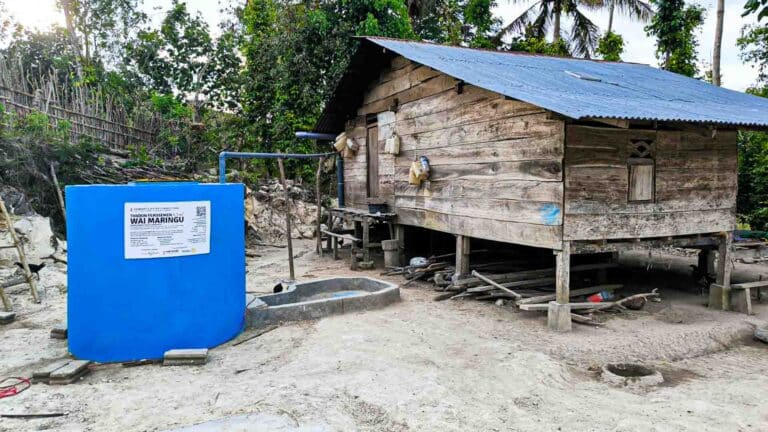
programme
Water Connections for Rural Villages
Connect menstrual care with reliable water and suitable sanitation.
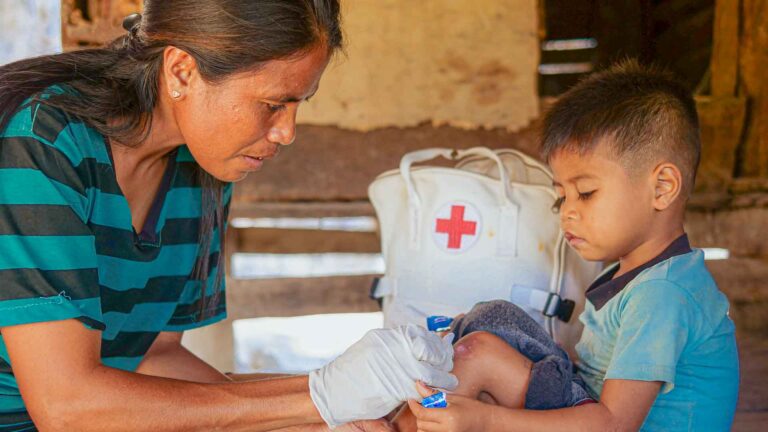
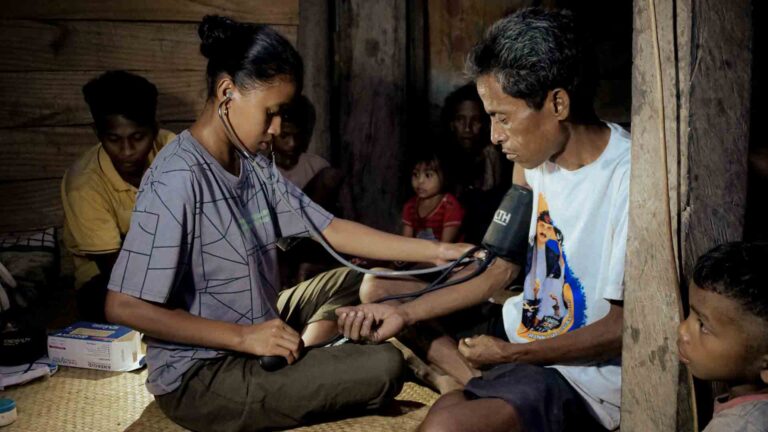
article
Menstrual Health and Dignity in Rural Indonesia
Read about menstrual health, dignity and daily life in rural Indonesia.
Reference sources
- Menstrual health fact sheetWorld Health OrganizationConsulted
- PeriodsNational Health ServiceConsulted
- Menstrual hygiene and practical facilitiesUNICEFConsulted
- Heavy periodsNational Health ServiceConsulted
- Period painNational Health ServiceConsulted
- Missed or late periodsNational Health ServiceConsulted
- Menstrual health and dignity in rural IndonesiaFair Future FoundationConsulted
- Primary Medical CareFair Future FoundationConsulted
- Water ConnectionsFair Future FoundationConsulted
General health information, not an individual diagnosis or prescription.
