
Complementary feeding: varied foods from six months
WHO recommends safe, varied foods from six months alongside breastfeeding. In East Sumba, advice must start with what families can get.
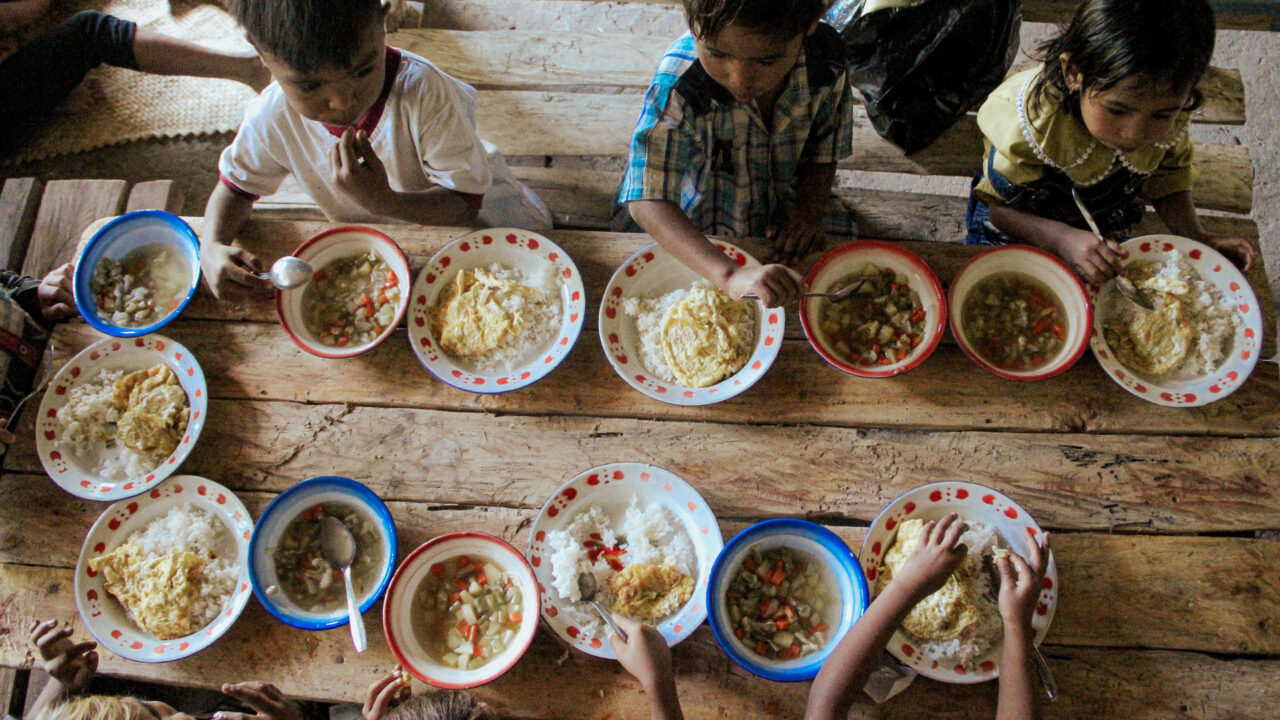
Complementary feeding starts at six months. The advice should start with what is in the kitchen. In rural East Sumba, a caregiver may have maize or rice on the stove, but no egg that day and no money for another trip to the market. A list of ideal foods does little for that family unless we can talk through what is actually available.
The World Health Organization’s complementary feeding guideline recommends introducing safe, varied, nutrient-rich foods at six months, alongside continued breastfeeding. The WHO’s infant feeding guidance also recommends starting with small amounts, adapting texture as the child grows, and continuing breastfeeding to two years or beyond.
Complementary feeding with foods families can obtain
Ask what the family ate yesterday and what they can get today. Soft maize or rice can be part of the meal. Depending on what is available, families might add mashed cooked beans, soft leafy greens, well-cooked egg or carefully deboned fish. Offer foods in textures the child can manage. Preparing them safely also takes clean hands, clean utensils and safe water.
That is where our Nutrition and Food programme, Water Connections and Kawan Sehat community health agents come together. A conversation about feeding can identify an affordable addition to tomorrow’s meal. It can also reveal a bigger obstacle, such as water that has to be carried a long way or a child whose growth needs checking.
Ask what would make the next meal better, and what stands in the way. Then help the family act on the answer.