


Health topics
Japanese encephalitis
Understanding a mosquito-borne infection that can affect the brain, recognising neurological warning signs, and protecting access to vaccination and urgent care.
Source-language clinical review recorded: Alex · 2026-11-19
When care cannot wait
Fever with new confusion, seizures, marked drowsiness, neck stiffness, weakness or loss of consciousness needs urgent hospital assessment. These symptoms have several possible causes; do not wait to identify which infection is responsible.
Arrange help and safe transport immediately. During a seizure, protect the person from injury, do not restrain them and put nothing in their mouth. Do not give drinks or tablets if they cannot swallow safely.
Japanese encephalitis · Symptoms of Japanese encephalitis · What to do if someone has a seizure
Understanding Japanese encephalitis
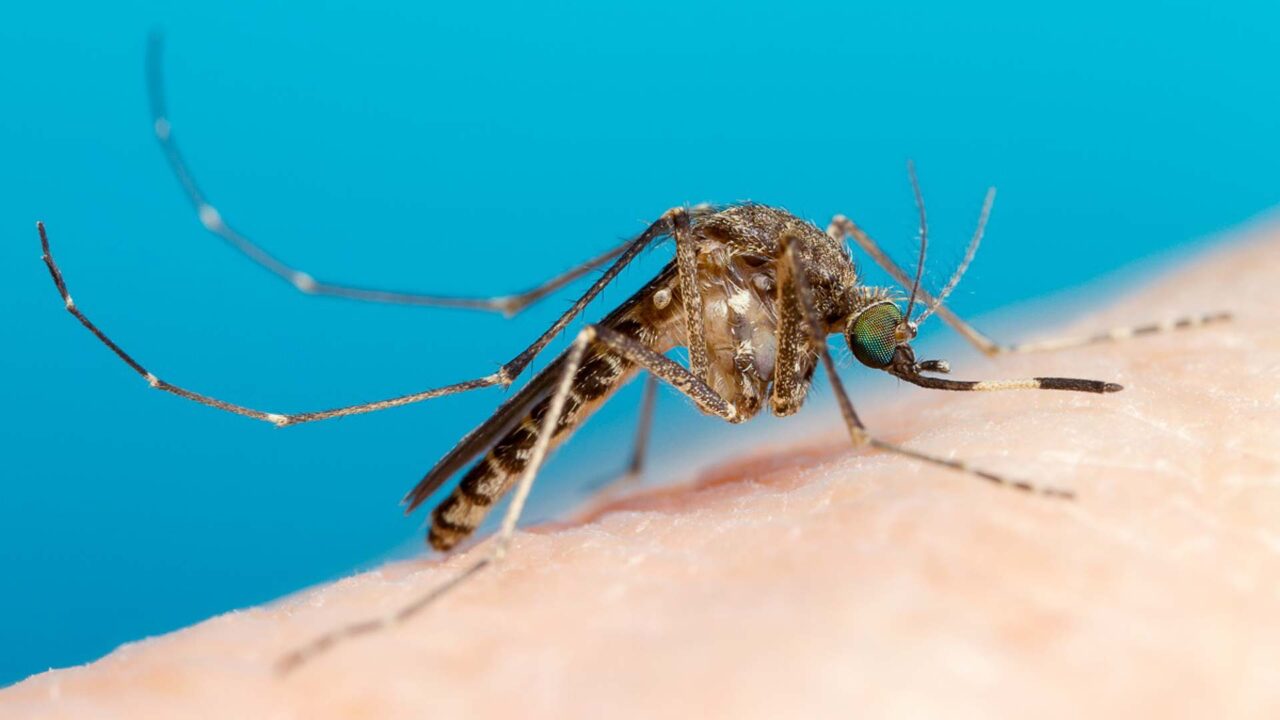
Japanese encephalitis is an infection caused by Japanese encephalitis virus. It is transmitted through the bite of an infected mosquito. In some people the infection causes inflammation of the brain, called encephalitis.
Many infections cause no apparent illness or only mild symptoms. When the brain is affected, the illness can become severe and needs hospital treatment. Children can be affected, but the disease is not limited to childhood.
The name reflects where the illness was first described, not a boundary around where it can occur. Risk exists in parts of Asia and the western Pacific, including settings with rural agricultural exposure. Local assessment and vaccination guidance matter.
Japanese encephalitis · Symptoms of Japanese encephalitis · Japanese encephalitis: causes and spread
From summer outbreaks to identifying the virus
Clinical cases were recorded in Japan in 1871. Recurrent outbreaks of encephalitis later prompted laboratory work to identify the cause and understand transmission.
In 1935, Kasahara and colleagues isolated the Nakayama strain from a patient’s cerebrospinal fluid. Work on the virus, mosquitoes and animal hosts helped explain why the illness appeared in particular environments and supported vaccine development.
This was a sequence of observations and laboratory discoveries, rather than one moment that revealed every part of the disease. Modern care still combines clinical recognition, laboratory confirmation and prevention.
Past, present and future of Japanese encephalitis · Report from the National Institute of Health, Tokyo: Nakayama strain history
How the infection spreads
The virus circulates between mosquitoes and animal hosts, especially pigs and wading birds. People are infected when an infected mosquito bites them. Culex mosquitoes, particularly Culex tritaeniorhynchus, are important vectors.
People generally do not develop enough virus in the blood to pass the infection back into the mosquito cycle. Ordinary touching, coughing or sharing a room is not the usual route of transmission.
Rice-growing areas, irrigation and proximity to animal hosts can be relevant to exposure. These conditions do not diagnose infection in a person, and the presence of pigs does not justify harming animals or replacing clinical assessment with assumptions.
Japanese encephalitis: causes and spread
Symptoms and warning signs
- Early symptoms can include fever, headache, vomiting or abdominal discomfort.
- Confusion, unusual behaviour or difficulty staying awake may indicate involvement of the brain.
- Seizures, neck stiffness, new weakness or reduced consciousness require urgent care.
- Survivors may have ongoing difficulties with movement, speech, memory, learning or behaviour.
These signs are not specific to Japanese encephalitis. Other infections and medical emergencies can look similar. The priority is urgent assessment, not a diagnosis made at home.
Japanese encephalitis · Symptoms of Japanese encephalitis
Diagnosis and hospital treatment
The team assesses the person’s condition and considers other causes of encephalitis. Laboratory tests may include blood and cerebrospinal fluid obtained by lumbar puncture when clinically appropriate. A malaria test alone cannot confirm or exclude Japanese encephalitis.
There is no specific antiviral cure for Japanese encephalitis. Hospital care supports breathing and other essential functions, treats seizures and manages complications. Treatment should not be delayed while confirmatory results are awaited.
After the acute illness, recovery may require rehabilitation and support for communication, movement, learning and daily activities. Follow-up should include the family’s practical needs and the person’s participation in school or community life.
Japanese encephalitis · Symptoms of Japanese encephalitis
Vaccination and protection from bites
- Check vaccination advice with the responsible health service. Eligibility, schedules and availability depend on national guidance, location and individual risk.
- Use an appropriate mosquito repellent according to its label, including age-related instructions.
- Use clothing, screens and mosquito nets appropriate to the setting and time of exposure.
- Discuss extended rural stays or travel in risk areas with a healthcare professional before departure.
- Support local surveillance and promptly report suspected serious neurological illness through health services.
Vaccination is a central measure for preventing Japanese encephalitis where recommended. Household mosquito measures support protection but do not replace the relevant vaccination programme.
Japanese encephalitis · Preventing Japanese encephalitis
Recognition and referral in eastern Indonesia
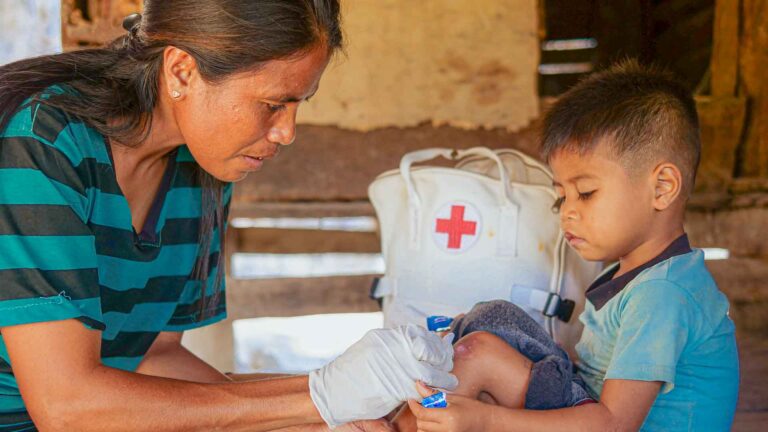
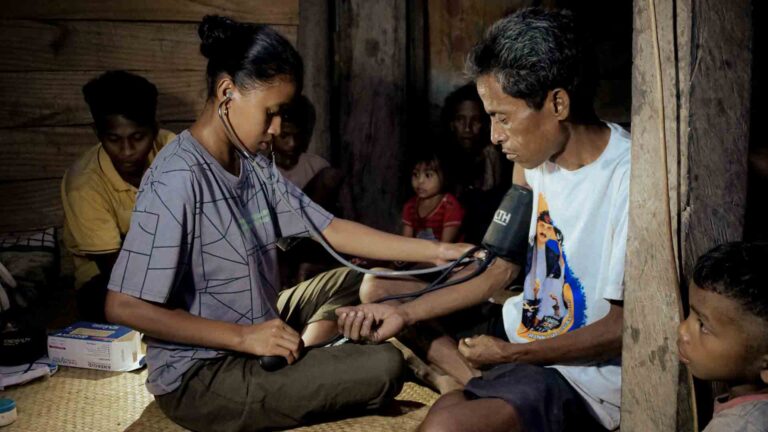
In the ultra-rural east of Indonesia, the critical step may be recognising that a fever has become a neurological emergency. Primary Medical Care and Kawan Sehat agents connect health education with early recognition and referral within the team’s competence.
Kawan Against Malaria provides a related connection through mosquito prevention and fever assessment. Japanese encephalitis and malaria are different infections, with different vectors, tests and treatment. One programme’s testing does not identify every cause of fever.
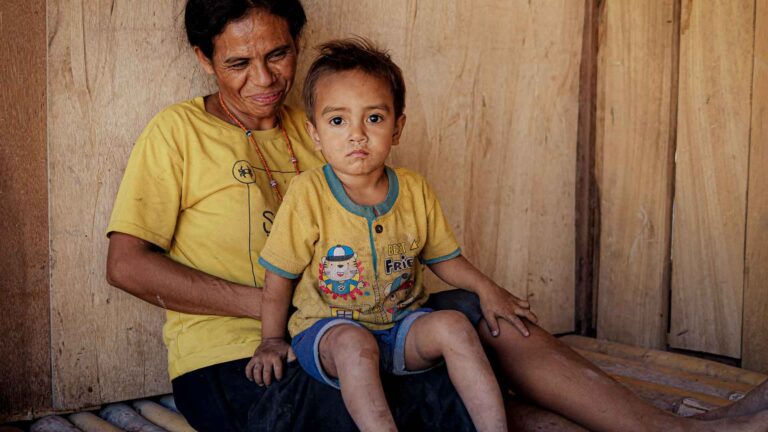
Child Health and Field Mobility and Logistics are relevant when a child needs care beyond the village. Training should make the referral destination and available transport clear before a crisis.
The Kawan Sehat medical application can support a clear account of symptoms, their timing and care already given. It must support a timely handover, not postpone transfer while a record is completed.
Primary Medical Care · Kawan Sehat agents · Child Health
Questions for the health team
- Is Japanese encephalitis vaccination recommended and available for this person?
- Which neurological changes require immediate referral?
- Where is the nearest service able to assess encephalitis?
- What rehabilitation and follow-up will be needed after discharge?
Related programmes and field resources
Reference sources
- Japanese encephalitisWorld Health OrganizationConsulted
- Symptoms of Japanese encephalitisCenters for Disease Control and PreventionConsulted
- Japanese encephalitis: causes and spreadCenters for Disease Control and PreventionConsulted
- Past, present and future of Japanese encephalitisErlanger and colleagues, Emerging Infectious DiseasesConsulted
- Report from the National Institute of Health, Tokyo: Nakayama strain historyNational Institute of Health, Tokyo; CDC archiveConsulted
- What to do if someone has a seizureNational Health ServiceConsulted
- Preventing Japanese encephalitisCenters for Disease Control and PreventionConsulted
- Primary Medical CareFair Future FoundationConsulted
- Kawan Sehat agentsFair Future FoundationConsulted
- Child HealthFair Future FoundationConsulted
General health information, not an individual diagnosis or prescription.
