


Donate
Support Care
Articles & News
Field stories
Glossary
Field guides
Health & Medical Program
Primary Medical Care
First-line assessment, treatment, prevention and referral for families living hours from a clinic and beyond reliable transport.
- Active since December 2022
- 27 Kawan Sehat agents
- 700 to 1,000 patients each month
Care starts where the road ends
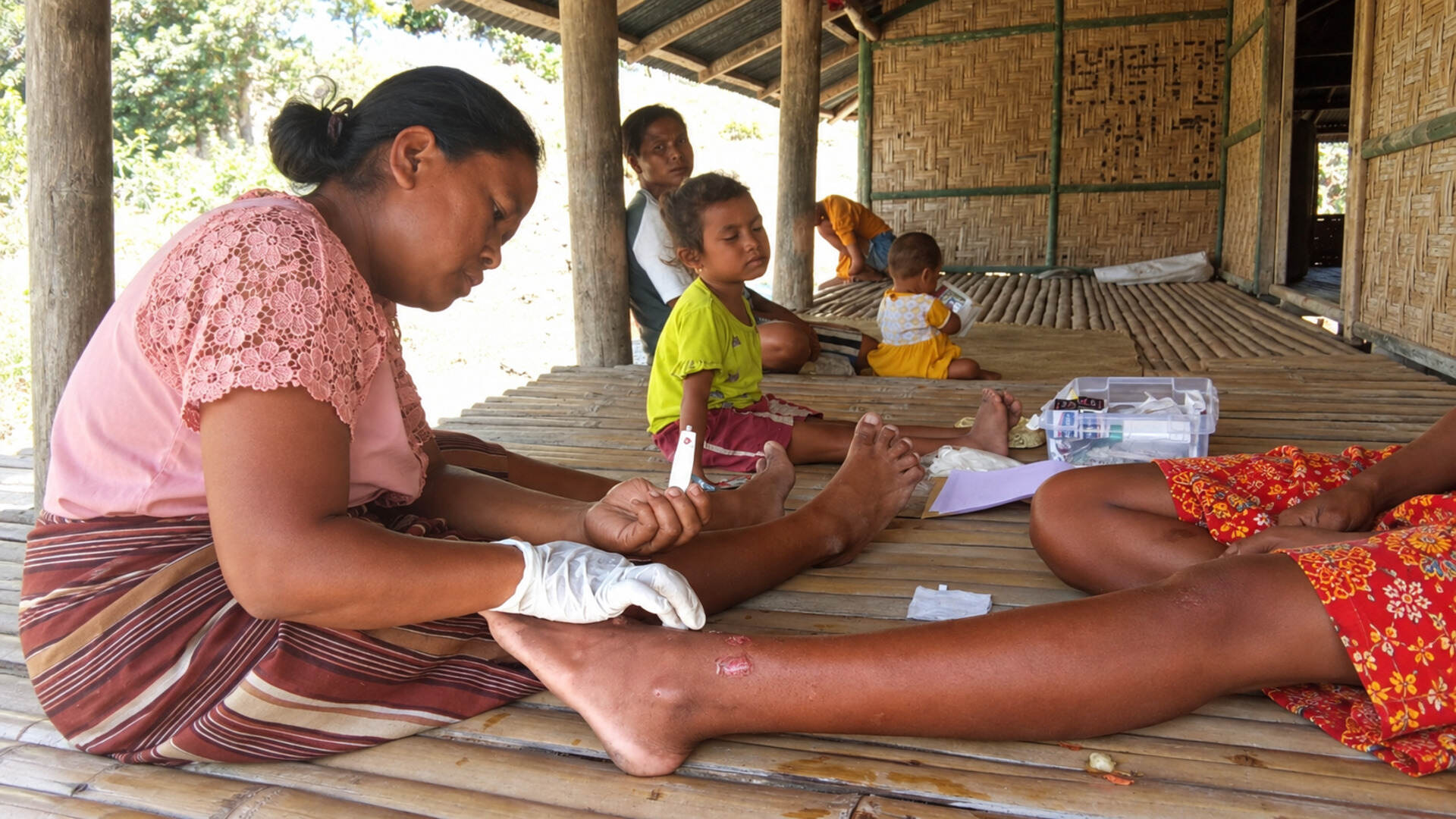
In East Sumba, distance changes the course of illness. A fever, infected wound or dehydrated child may worsen for hours before transport is possible. Trained Kawan Sehat agents begin assessment, safe first-line care and referral inside the village.
The programme
A local health system built for distance
Here, distance is a clinical risk. A fever can become severe, a wound can progress to sepsis, and a pregnancy complication can turn critical before a family reaches formal care.
Primary Medical Care places trained Kawan Sehat health agents inside their own communities. They are not substitutes for doctors. They are the first safe point of contact: close enough to act early, trained enough to recognise danger and connected to medical supervision when a case exceeds local capacity.
Care is provided without charge at the point of service. Medicines, dressings, diagnostic supplies, education tools and reporting systems are carried into areas where routine health infrastructure is absent or difficult to reach.
Women and men working inside their own villages, with structured training and support.
Assessment, treatment, education, follow-up and referral carried out close to home.
Medicines, dressings and basic diagnostic supplies are checked and replenished regularly.
The programme began in December 2022 and continues as a permanent field operation.
From first contact to follow-up
How care reaches a patient
Every consultation must connect observation to a safe decision. Symptoms, vital signs, treatment, danger signs, referral and follow-up are documented so care does not end when the agent leaves the house.
First contact
A nearby Kawan Sehat agent listens, examines and records the patient’s symptoms and history.
Assessment
Vital signs, danger signs and the limits of community treatment guide the next decision.
Care or referral
Safe basic care is provided locally. Severe or uncertain cases are referred without delay.
Documentation
The Kawan Sehat app and field records support case review, follow-up and disease surveillance.
Follow-up
The agent returns, checks progress, reinforces prevention and contacts the medical team when needed.
Clinical boundaries matter
Care close to home, referral when risk rises
The most important clinical skill is knowing the limit of local care. Agents work within defined protocols, treat what is safe, and refer immediately when symptoms, vital signs or uncertainty indicate higher risk.
What agents can do
- Assess symptoms, temperature and available vital signs
- Clean and dress superficial, uncomplicated wounds
- Provide protocol-approved first-line medicines and oral rehydration
- Support uncomplicated fever, respiratory, skin and digestive complaints
- Monitor older people, children and patients with chronic conditions
- Teach hygiene, nutrition, malaria, tuberculosis, HIV and infection prevention
When agents refer
- Breathing difficulty, altered consciousness, shock or severe dehydration
- Suspected sepsis, severe infection or rapidly worsening illness
- Major trauma, deep wounds, burns or suspected fracture
- Pregnancy complications or danger signs in a mother or newborn
- Possible tuberculosis, leprosy, HIV or another condition requiring medical testing
- Any presentation that is uncertain or beyond available skills, protocols or supplies

Medicines matter, but safe use depends on training, documentation, clean equipment, supervision and regular restocking.
The system behind each visit
Tools that make continuity possible
A bag of medicines alone is not a health system. Each visit depends on trained judgement, a defined medicine list, clean dressings, usable records, follow-up and access to medical supervision. Standardising these foundations reduces unsafe improvisation and makes every case reviewable.
150-page manual
Fourteen training modules covering first-line care, prevention, danger signs and safe practice.
Kawan Sehat app
Offline and online case documentation designed for villages with weak connectivity.
Medical kits
Medicines, dressings, basic diagnostics and prevention materials adapted to field conditions.
Medical supervision
Training, case review, field visits, referral support and regular supply control.
What changes in practice
Earlier care changes the course of illness
Shorter delay to first care
A child, older person or injured worker can be assessed the same day instead of waiting for money, a vehicle or a passable road.
Safer treatment decisions
Defined protocols, supervised medicine lists and case review reduce unsafe improvisation and avoidable self-medication.
Clearer referral
Referral begins with recorded symptoms, vital signs, treatment already given and the danger signs observed.
Prevention inside daily life
Malaria, tuberculosis, HIV, wound infection, hygiene and nutrition are discussed at home, in schools and during care, in language people understand.
Clinical manualPrimary Medical Care field manualOpen the 150-page manual used to structure assessment, treatment, prevention, follow-up and referral.
PeopleMeet the Kawan Sehat agentsUnderstand who provides care and how community knowledge becomes clinical action.
Field toolsDigital tools for rural careSee how field applications support patient records, follow-up, evidence and safer decisions.
ResearchSumba Sepsis Study 2026Explore evidence on infection, delayed care and household risk across 1,001 families.
Live field recordField Notes from Eastern IndonesiaFollow short, dated updates on care, prevention, research, logistics and the realities teams meet.
Field guide & glossaryHealth and care, explainedExplore clinical terms and practical field guides grounded in Fair Future’s work in remote communities.
Medical referenceWHO primary health careRead the international framework connecting treatment, prevention and community participation.
Live from the field
Medical Field Notes, as the work happens
Two recent signals from care, research and prevention in East Sumba. These notes refresh from the Field Notes archive when a new medically relevant update is published.
Directly from the field
Latest Primary Medical Care reports
These field reports document the care actually delivered: clinical problems encountered, prevention work, referrals, supply constraints and the decisions our teams make in remote villages.
Work in preparation includes community care days connecting consultations with practical prevention and support for the next medical care day in Bidi Hunga.
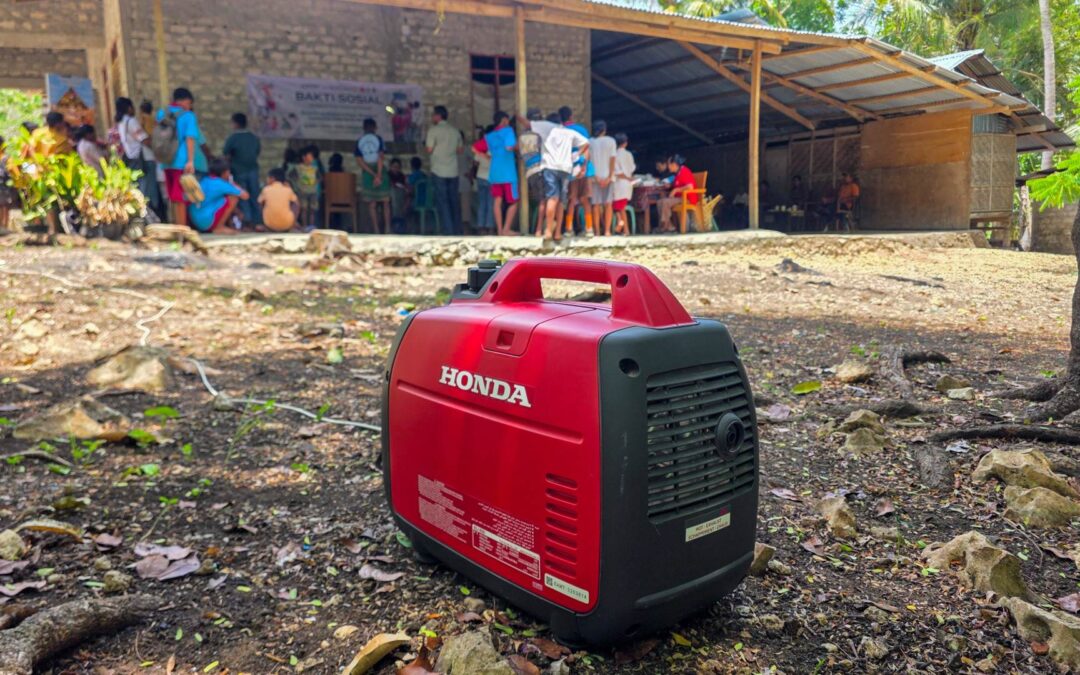
A Honda EU22i Generator Helps Bring Care Beyond the Power Grid
A Honda EU22i generator donated by Rotary friends in Mandurah, Australia, with John Kevan’s help brings power to community-care days in East Sumba. It supports medical equipment, microscopy when needed, device charging and education. Thank you for helping our teams care where electricity is scarce.
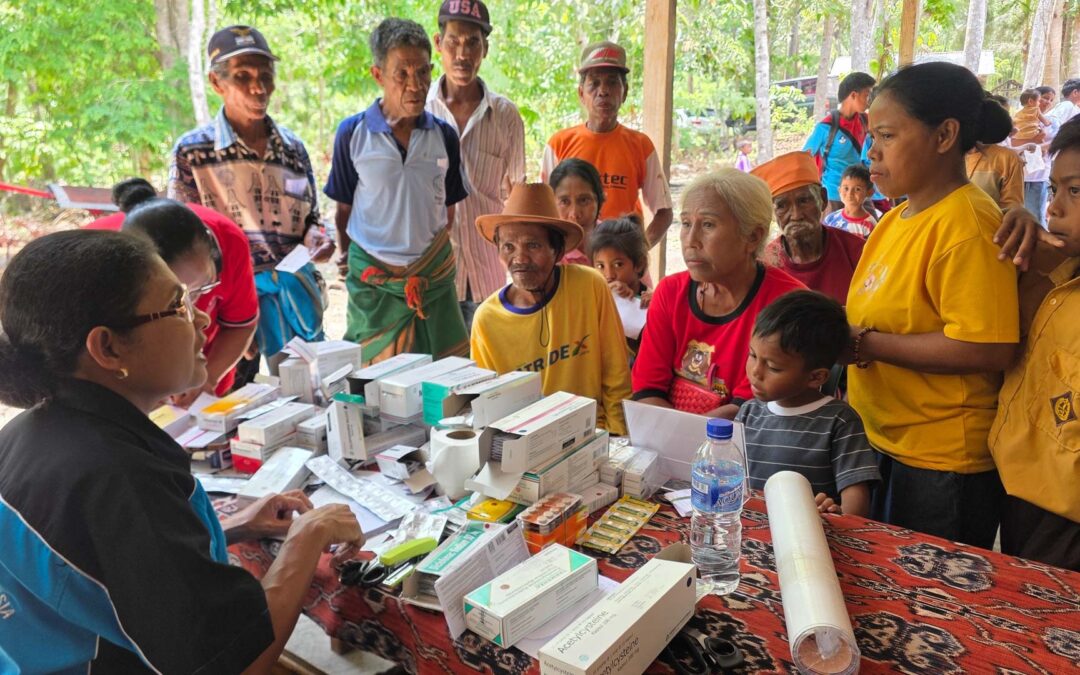
Community Care in Bidi Hunga: What Patients Can Take Home Beyond Medicines
On 24 October, our team saw around 100 patients in Bidi Hunga, three hours from Rumah Kambera. Sixteen health cards in Bahasa Indonesia helped connect clinical assessment and appropriate medicines with practical actions at home, warning signs and the need for continuing professional care.
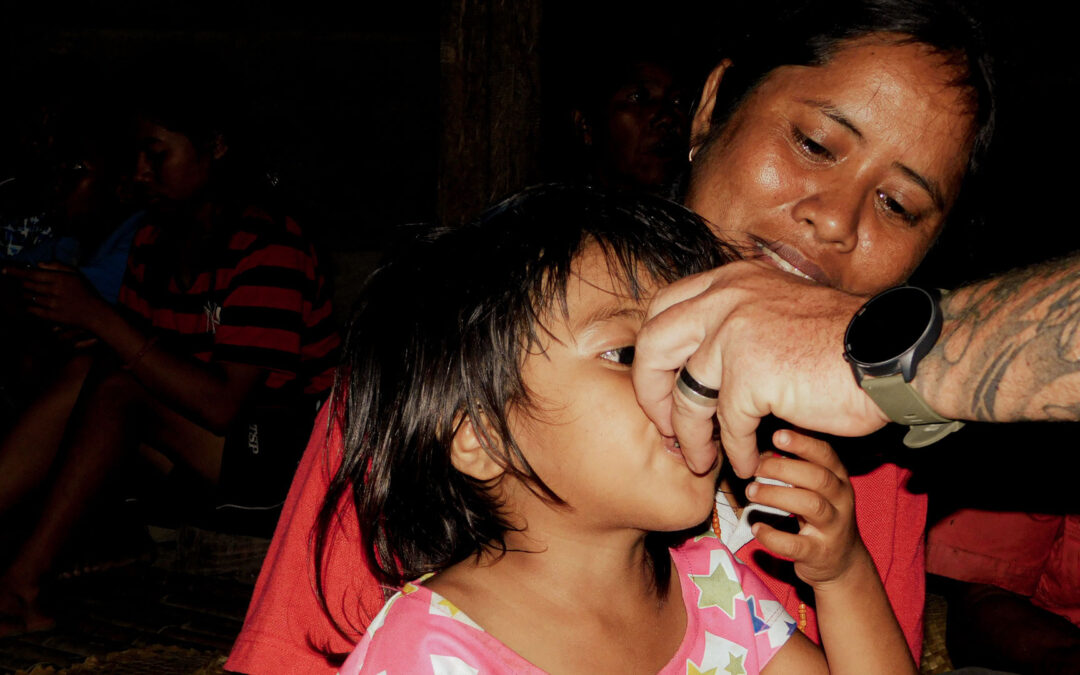
IDR 48.8 Million to Help Keep Primary Medical Care Running
Fair Future Foundation has initiated a donation of IDR 48,851,593 to Kawan Baik Indonesia for Primary Medical Care. Rotary’s equipment funding freed our own resources for medicines, supplies and field work in East Sumba, supporting continuity without resolving the wider funding need.
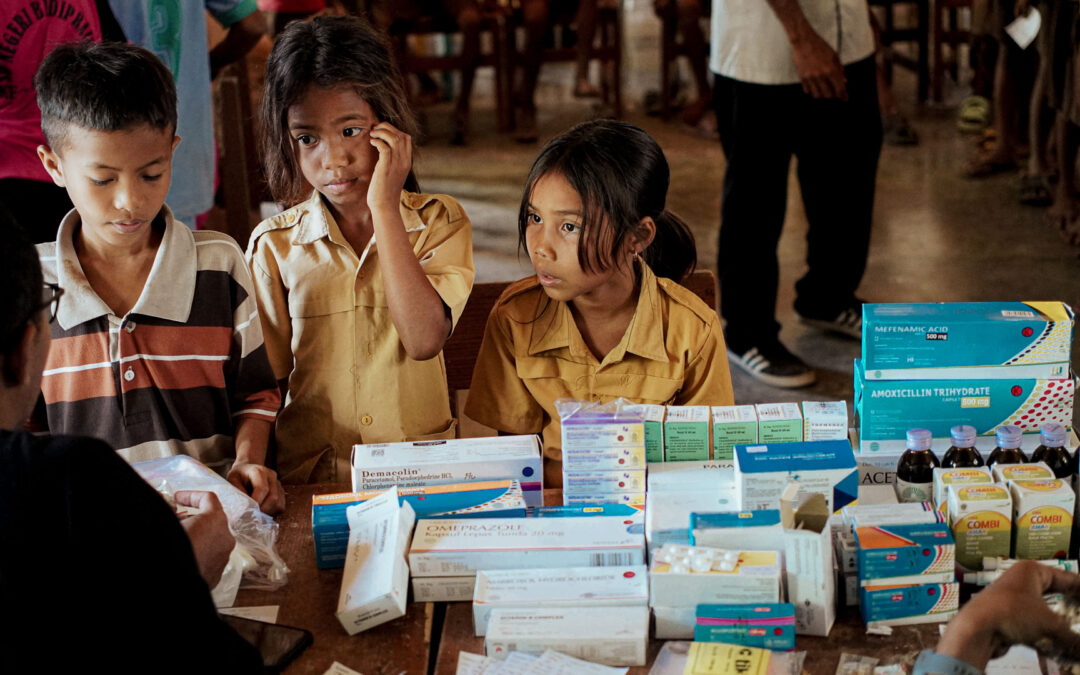
Community Care in East Sumba Depends on Reliable Access to Medicines
At a school in southern East Sumba, doctors meet patients during a community care day. Alex describes essential medicine needs and local puskesmas requests for supplies. The work connects patient assessment with practical education on water, hygiene and nutrition for rural families.
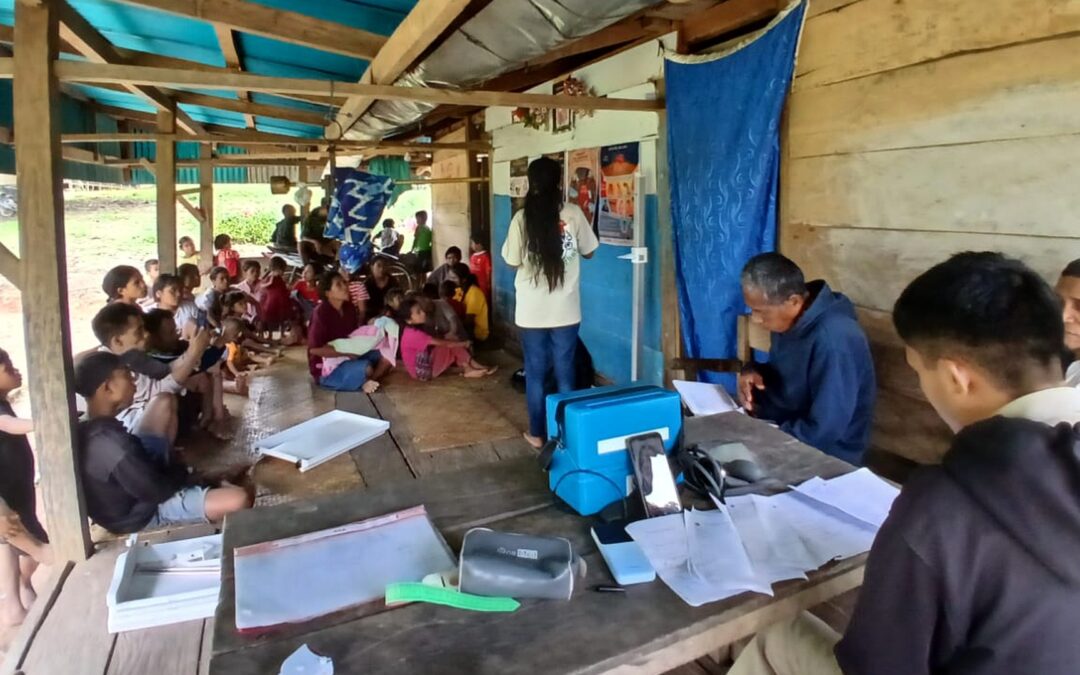
Desiana Brings Community Health Education into Lahiru’s Posyandu Care
In Lahiru, East Sumba, Kawan Sehat agent Desiana explains prevention during a health action co-organised with the local Posyandu. Fabric posters support discussion of malaria symptoms, mosquito-bite prevention, alcohol-related harm and waste management with children and adults alike.
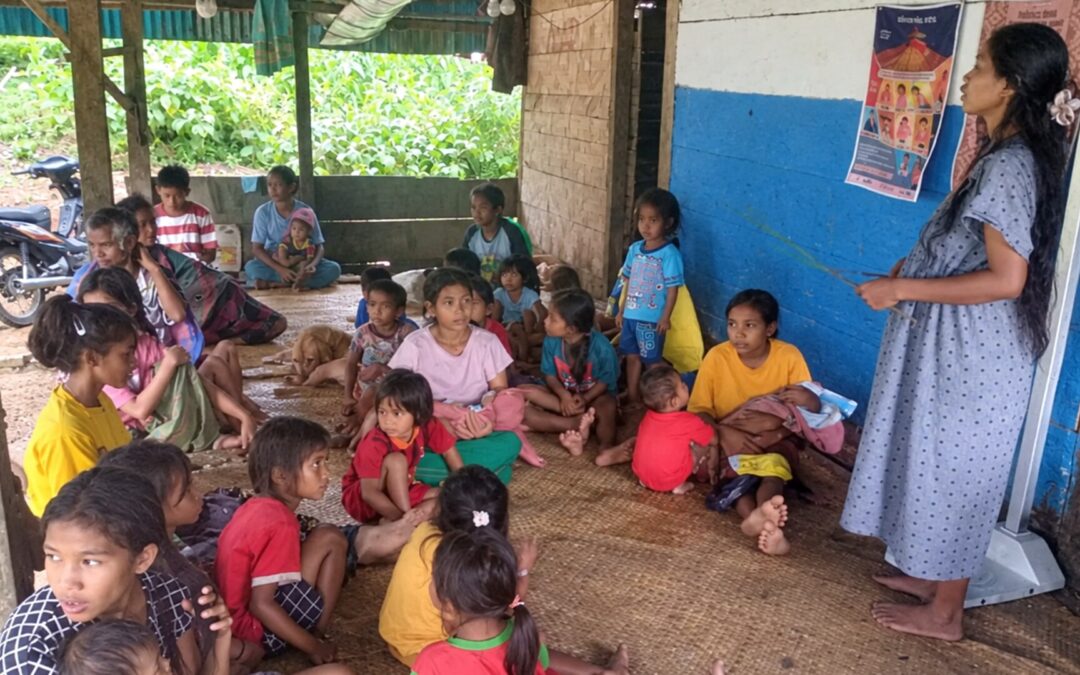
Health Education in Laihiru Connects Kawan Sehat Training with the Youngest Learners
Photographed by a village resident on 11 September 2026, this gathering in Laihiru links Kawan Sehat training with family health education. Active since 2022, Primary Medical Care supports 25 agents who use portable fabric posters to share practical prevention knowledge across East Sumba.
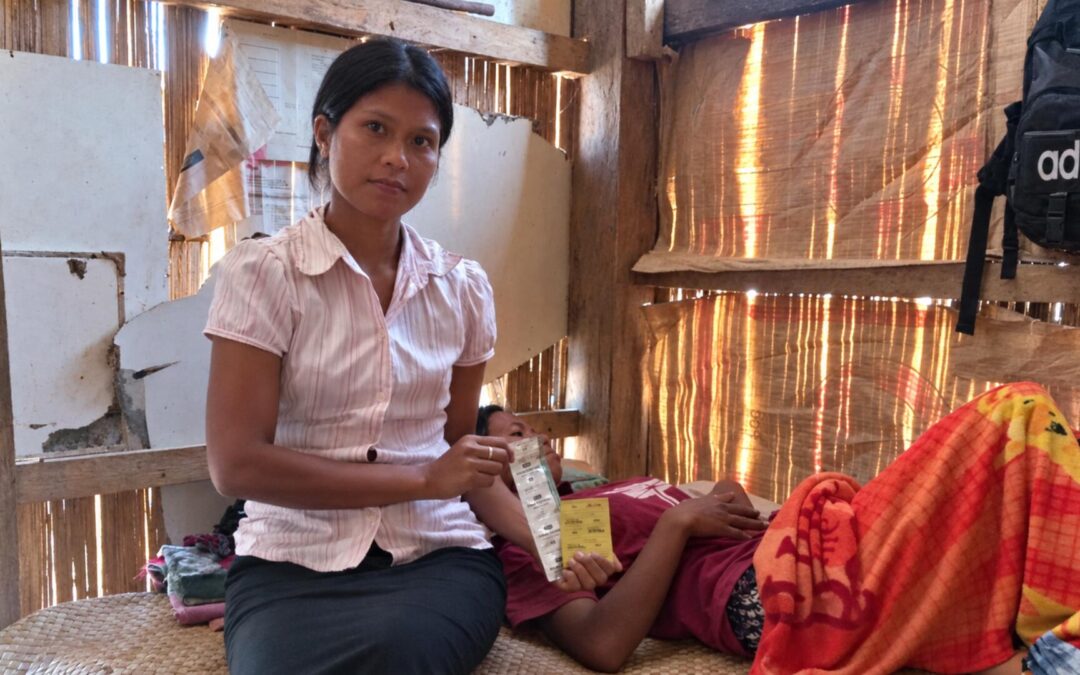
Community Healthcare in East Sumba Begins with a Visit Inside a Home
In Nggaha Ori Angu, Rambu Esther provides community healthcare East Sumba inside a woman’s home. As a Kawan Sehat health agent, she brings essential medicines, clinical advice and early assessment, then links families safely to our medical team when referral or further care is needed.
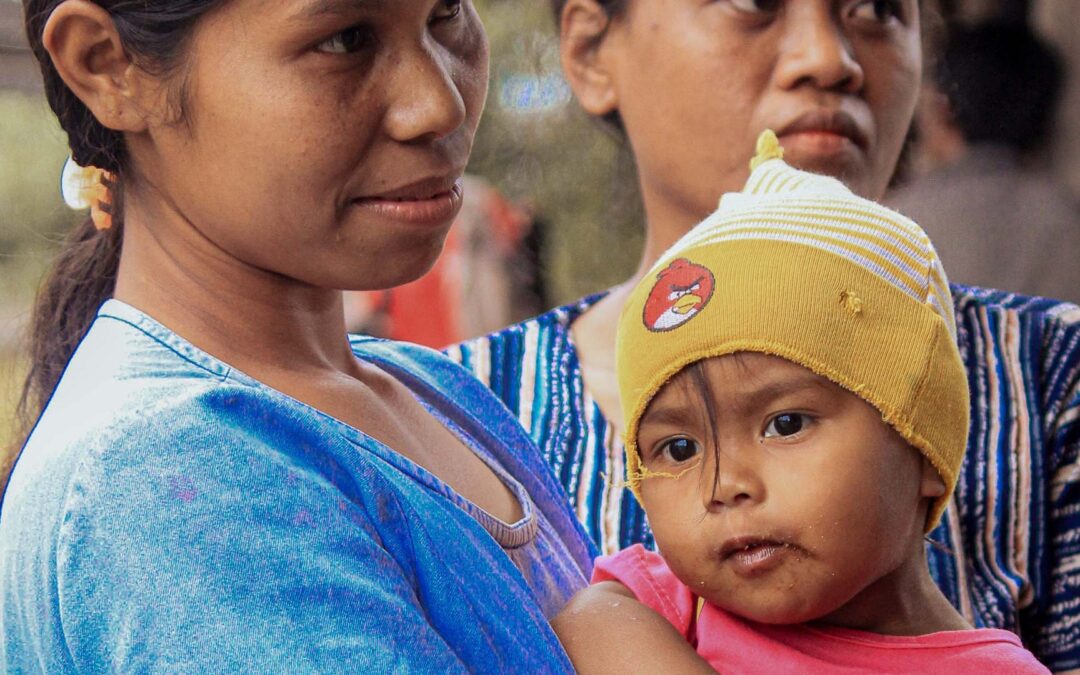
Community Care Days in East Sumba With a Prescription for Health
Fair Future Foundation and Kawan Baik Indonesia are preparing a new step in community care days in Sumba. After consultation and medicine dispensing, patients would agree on one or two realistic health actions, practise them and receive Kawan Sehat follow-up when needed. This is a proposed model.

Preparing Five Community Care Days
Fair Future Foundation and Kawan Sehat teams are preparing five community care days in East Sumba. Doctors, nurses, health agents and educators will combine consultations, medicines and practical prevention advice. The next day is scheduled for 3 October. The teams are also preparing health posters.
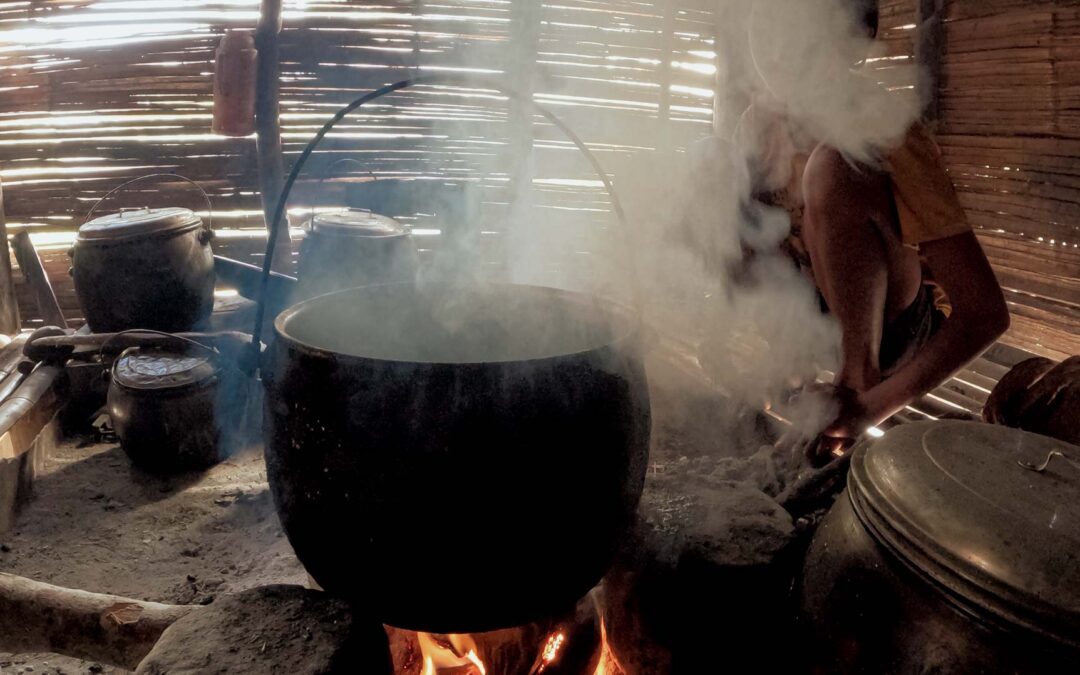
Cooking Should Not Cost Your Health
Across the study villages, firewood use was nearly universal, and many cooking areas were inside the home or immediately beside it. The Sumba Sepsis Study documents the exposure while being clear that ventilation and indoor particle levels were not measured.
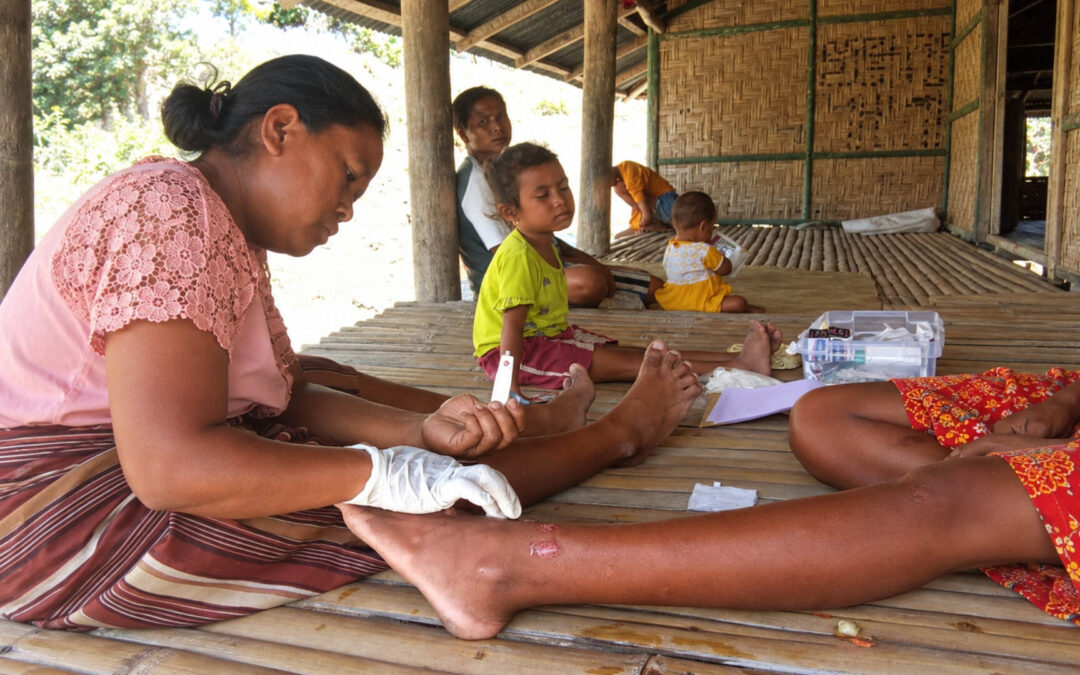
Kawan Sehat Wound Care Brings Timely Care to East Sumba
Inside a rural East Sumba home, a Kawan Sehat health agent assesses and treats a wound. For patients far from hospital care, timely first-contact care, clear advice and early referral can reduce the risk of delayed infection and severe illness.
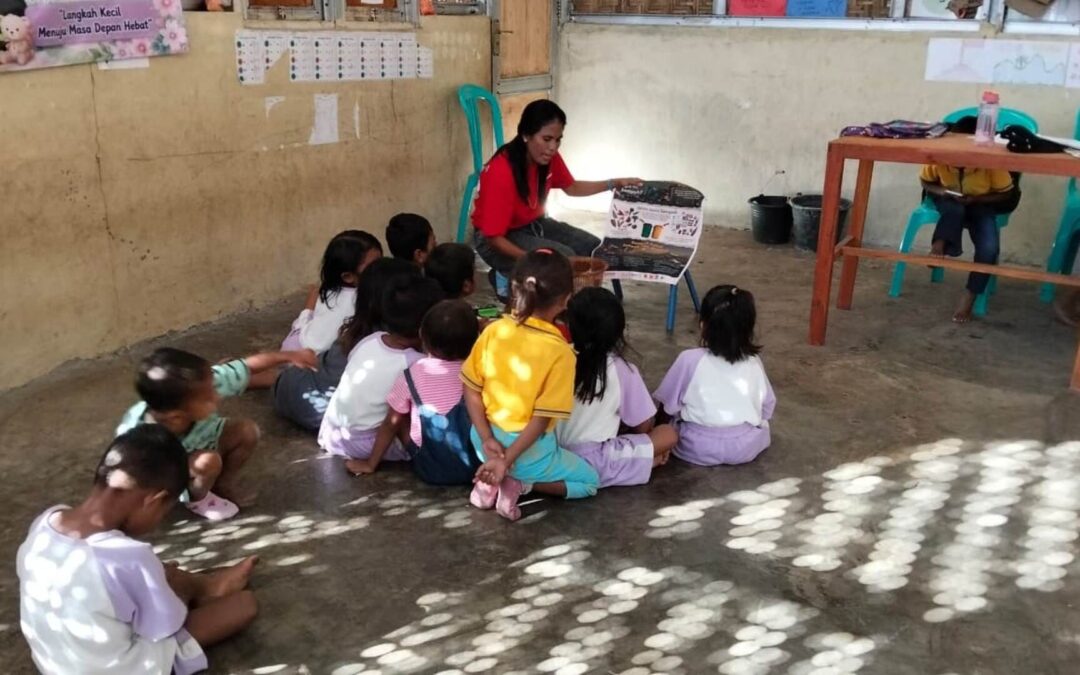
Plastic Waste Education Reaches Young Children in East Sumba
A Kawan Sehat health agent teaches young children how to reduce, sort and safely manage plastic waste in a rural East Sumba classroom. The school now has clean water from a new 5,300-litre reservoir, but still has no electricity. Prevention begins with words children can use at home.
Accountability
Care must remain measurable, reviewable and transparent
A programme caring for 700 to 1,000 patients each month must show more than activity. We document medicines used, care delivered, referrals, prevention work, field limits and how resources are engaged. What works is strengthened. What fails is corrected and reported.
