

Rural clinics need support to use antibiotics
To curb resistance, rural clinics need reliable diagnosis, access to antibiotics when clinically indicated, and a way to follow up with patients.
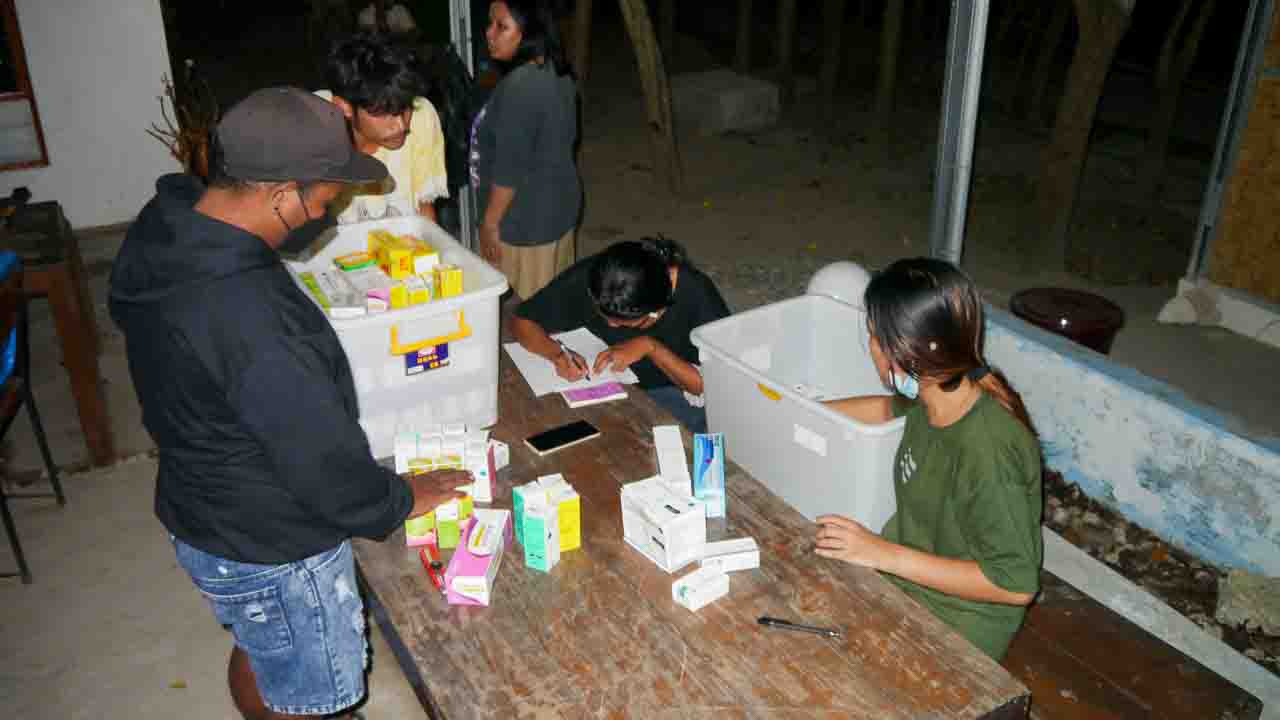
Using antibiotics in rural clinics safely starts with a question: is an antibiotic likely to help this patient? In remote East Sumba, answering that question is harder when tests are out of reach and a return visit can mean another long journey.
Ahead of WHO’s World AMR Awareness Week, 18–24 November, we’re calling for three things: reliable diagnosis, access to antibiotics when clinically indicated, and follow-up that patients can reach. We consider antimicrobial resistance one of the most serious public health threats of this century. When bacteria become resistant, medicines that once worked may no longer clear an infection.
What safer use of antibiotics in rural clinics takes
A clinician needs access to tests that can inform a decision and a referral route when a case cannot be managed locally. When an antibiotic is indicated, the right medicine needs to be in stock. And if a patient is getting worse, the clinic needs a way to hear from them and reassess them.
Preventing unnecessary use and making sure patients receive antibiotics when they need them are part of the same job. In places where people travel far for care, both depend on the support we give rural clinics.
Read more about making antibiotic decisions without a laboratory in East Sumba.
