


Health topics
Safe drinking water and health
Understanding what makes water safe, recognising illness linked to unsafe water, and protecting the whole route from the source to the cup.
Source-language clinical review recorded: Alex · 2026-11-19
When care cannot wait
Seek urgent care for inability to drink, repeated vomiting, very little urine, unusual drowsiness, confusion, collapse, bloody diarrhoea or severe abdominal pain. Babies, pregnant women and frail older people can become unwell quickly.
If water may contain fuel, pesticides or other hazardous chemicals, stop using that source and contact the appropriate health or water service. Boiling does not remove all chemical hazards.
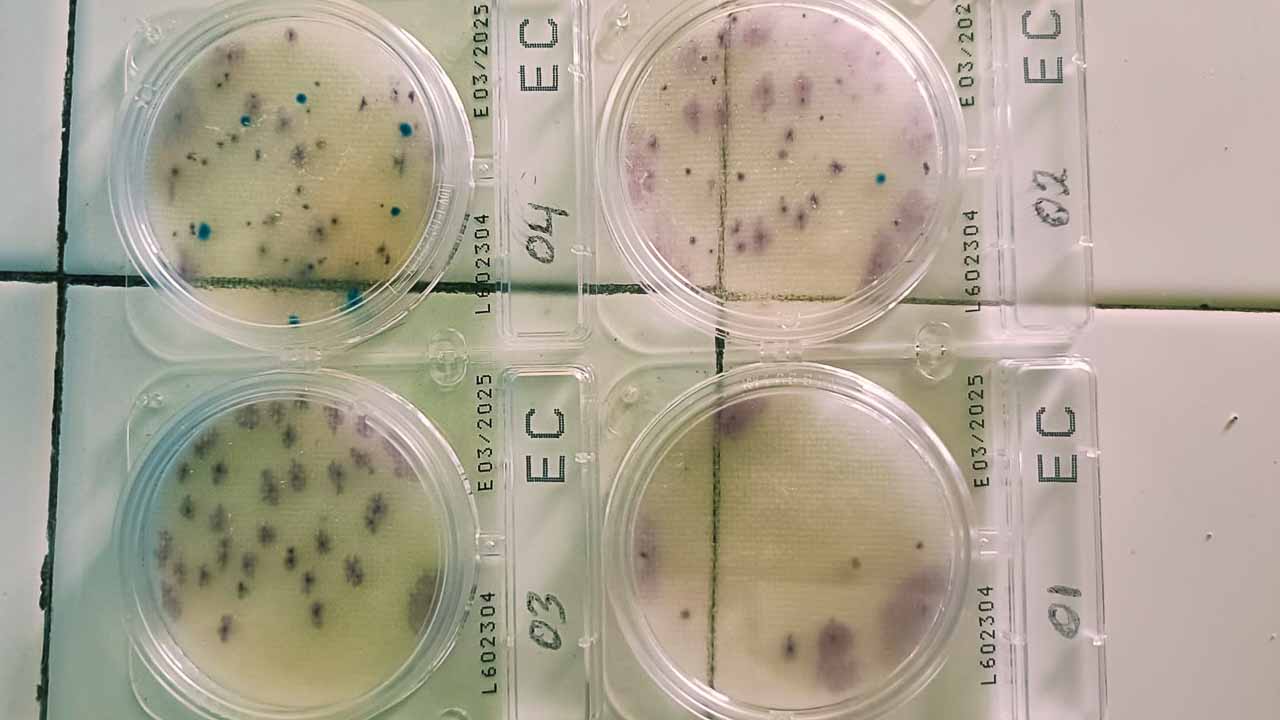
Understanding safe drinking water
Safe drinking water should not expose a person to harmful levels of germs or chemicals. Its appearance, smell and taste do not provide a complete safety test. Water can look clear while carrying organisms that cause illness.
Safety is a continuous pathway: source, collection, treatment, tank or container, pipe, tap and the way water is served. Contamination can enter at any of these steps. A protected source can be undermined by a dirty collecting container.
Water quantity matters too. A supply that runs out can force a household to return to unsafe sources or reduce handwashing, cleaning and food preparation. Reliable access and water quality need to be considered together.
Drinking-water fact sheet · About drinking water
How water became central to disease prevention
In 1854, the physician John Snow investigated cholera in London. He examined where affected people lived and which water they drank, combining household enquiries with records and maps. His work linked illness to contaminated water at a time when many people blamed unhealthy air.
Authorities removed the handle of the Broad Street pump after Snow presented his findings. The investigation became an important example of using evidence to identify an environmental source of illness and take preventive action.
Modern microbiology, water testing and treatment developed further. The practical lesson remains close to our field work: when illness clusters, look beyond the individual patient to the water, sanitation and conditions shared by the community.
John Snow and the Broad Street pump investigation
How contamination reaches drinking water
Faecal contamination can introduce bacteria, viruses and parasites. Risks include poorly protected sources, damaged sanitation, animal access, flooding, open tanks, dirty containers and hands or utensils dipped into stored water.
Chemical contamination is a different problem. It may involve naturally occurring substances or pollution from farming, fuel or other activities. A method that reduces germs may leave a chemical hazard unchanged.
Rainwater and groundwater also need assessment. Rainwater collection depends on the condition of roofs, gutters, first-flow arrangements and storage. A well needs suitable siting, protection and maintenance. No type of source is automatically safe in every setting.
Drinking-water fact sheet · About drinking water · Preventing drinking-water-related illness
Illness and dehydration to recognise
Unsafe water can transmit illnesses that cause diarrhoea, vomiting, abdominal pain or fever. Other exposures may have different or delayed effects. Symptoms alone do not identify the organism or prove that a particular source caused an infection.
Look particularly for dehydration: increased thirst, a dry mouth, less urine, weakness or dizziness. In a child, reduced feeding, fewer wet nappies, sunken eyes or unusual sleepiness need attention.
Confusion, collapse, inability to drink or marked drowsiness needs urgent care. A person may need more than oral fluids. Persistent diarrhoea, blood in the stool or recurrent illness should also be assessed rather than repeatedly treated without a diagnosis.
Diarrhoeal disease · Dehydration
Assessment, testing and treatment
A healthcare professional assesses hydration, severity and possible causes of illness. Stool or other tests may be useful, depending on symptoms and local capacity. Antibiotics are not appropriate for every episode of diarrhoea.
Oral rehydration solution can replace water and salts lost through diarrhoea when the person is able to drink safely. Use safe water and mix a sachet with exactly the volume stated on its instructions. Continue breastfeeding and follow the team’s feeding advice.
Severe dehydration, persistent vomiting, suspected poisoning or serious infection may require hospital care. Bring information about the water source and whether others are ill. That can help clinical care and a possible public health investigation.
Diarrhoeal disease · Dehydration
What a water test can and cannot tell us
Water testing should be selected for the actual risk: microbial contamination, relevant chemicals or both. A result for a faecal indicator such as E. coli can signal a failure in source protection or treatment. It does not diagnose a particular disease in every person who used the water.
Sampling technique, timing, transport and the place sampled affect interpretation. A good result is a snapshot, not a promise that a tank will remain safe after a lid breaks or floodwater enters.
Combine testing with inspection of the complete water pathway. Ask what corrective action follows a concerning result and when safety will be checked again.
About drinking water · Preventing drinking-water-related illness
Making daily water use safer
- Protect the source. Keep avoidable waste, faecal contamination and animal access away from collection points.
- Use an appropriate treatment method. Follow local health guidance and product instructions. Boiling, filtration and disinfection have different capabilities and limits.
- Keep treated water protected. Use clean, covered containers and pour or use a tap instead of dipping hands or cups into the supply.
- Maintain tanks and pipes. Inspect lids, screens, cracks, gutters, connections and drainage. Repair faults promptly.
- Use safe water for food and medicines. Include drinking, ice, food preparation and mixing oral rehydration solution in the household plan.
A household filter needs the right specification and regular maintenance. It may not remove every germ or chemical. If there is a chemical hazard, obtain a safe alternative supply and professional advice rather than assuming boiling or an ordinary filter will solve it.
About drinking water · Preventing drinking-water-related illness
Water Connections and health in East Sumba
In the ultra-rural east of Indonesia, a family’s water choices may be constrained by distance, drought, the terrain and the containers available. Advice needs to fit those conditions. A practical system must be usable when the rain has stopped and repairable when a part breaks.
Through Water Connections, Fair Future works with communities on source protection, storage and distribution adapted to the site. Maintenance and inspection remain part of the programme after construction.
The link with Primary Medical Care, Child Health and nutrition is direct: water supports drinking, hygiene, safer food preparation and recovery from illness.
Our Sumba Sepsis Study places household prevention conditions beside the obstacles to reaching care. Kawan Sehat agents help turn those connections into understandable conversations with families. A full tank, a safe water pathway and early recognition of illness belong in the same health plan.
Water Connections · Primary Medical Care · Sumba Sepsis Study 2026
Questions for the water or health team
- Where does this water come from, and which risks have been checked?
- What treatment is appropriate for this source?
- How should the container, filter or tank be maintained?
- What do we do when a test is concerning or the supply fails?
- Which symptoms require urgent care, and where can the family go?
Related programmes and field resources
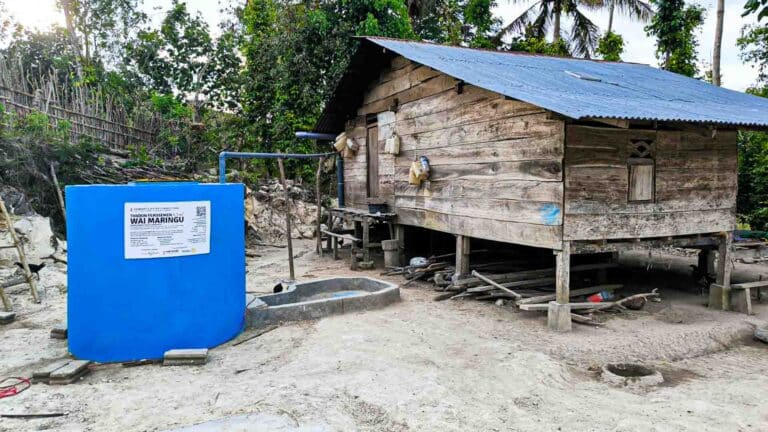
programme
Water Connections for Rural Villages
Explore community water systems, source protection and maintenance.
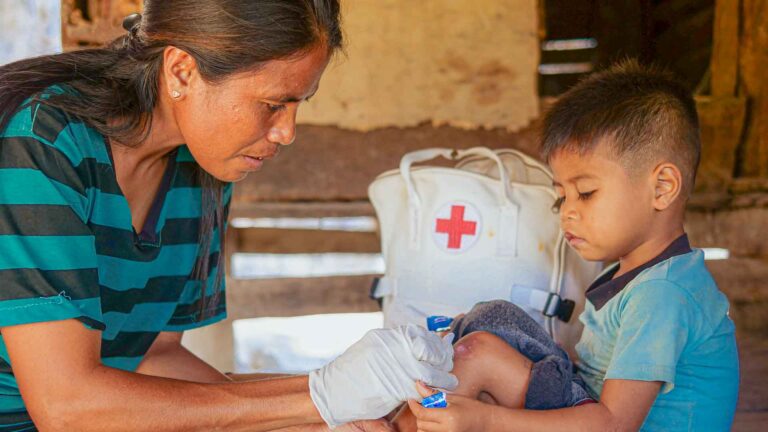
programme
Primary Medical Care in Remote Areas
Connect prevention with assessment and treatment of illness.
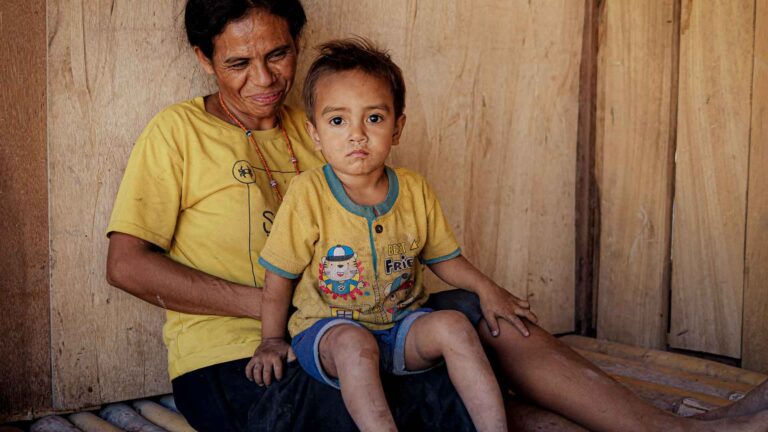
programme
Child Health in Rural East Sumba
Understand why safe water and early recognition matter for children.
article
Sumba Sepsis Study results | Interactive evidence online
Explore the Sumba Sepsis Study's work on prevention and access.
Reference sources
- Drinking-water fact sheetWorld Health OrganizationConsulted
- About drinking waterCenters for Disease Control and PreventionConsulted
- Preventing drinking-water-related illnessCenters for Disease Control and PreventionConsulted
- Diarrhoeal diseaseWorld Health OrganizationConsulted
- John Snow and the Broad Street pump investigationCenters for Disease Control and Prevention, MMWRConsulted
- DehydrationNational Health ServiceConsulted
- Water ConnectionsFair Future FoundationConsulted
- Primary Medical CareFair Future FoundationConsulted
- Sumba Sepsis Study 2026Fair Future FoundationConsulted
General health information, not an individual diagnosis or prescription.
