

Children can't learn effectively in darkness or when suffering from chronic infections. By electrifying schools, improving nutrition, and providing treatment for common illnesses, we create safe environments for learning and development. In this way, education acts as a shield against poverty and social exclusion.
Donate
Support Care
Programs
All projects
Quick News
Field updates
Stories
Field stories
Disease prevention in rural health – Swiss medical fieldwork
Since 2006, Fair Future has been on a mission to create lasting change in the most vulnerable and remote regions of Southeast Asia. Through collective action, we’ve built hospitals, provided clean water, and delivered essential medical services, turning seismic challenges into transformative opportunities for thousands.
Disease prevention in rural health systems
Prevention is the primary medical approach
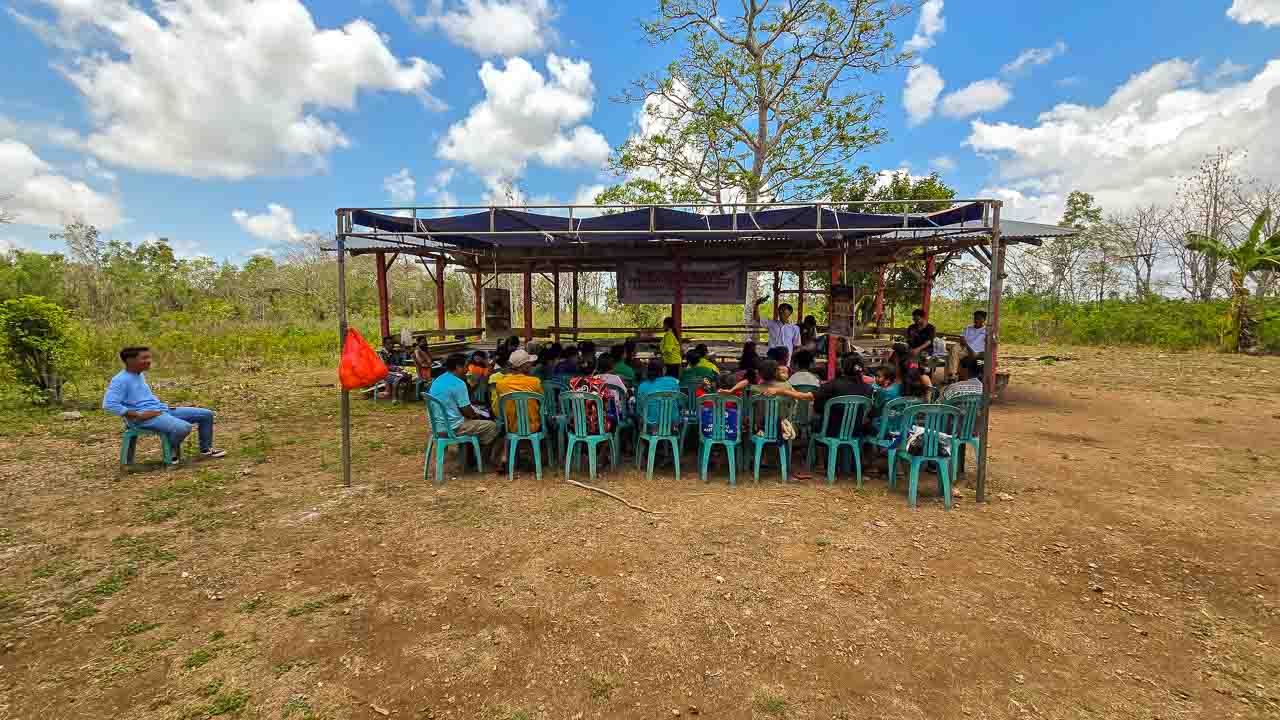
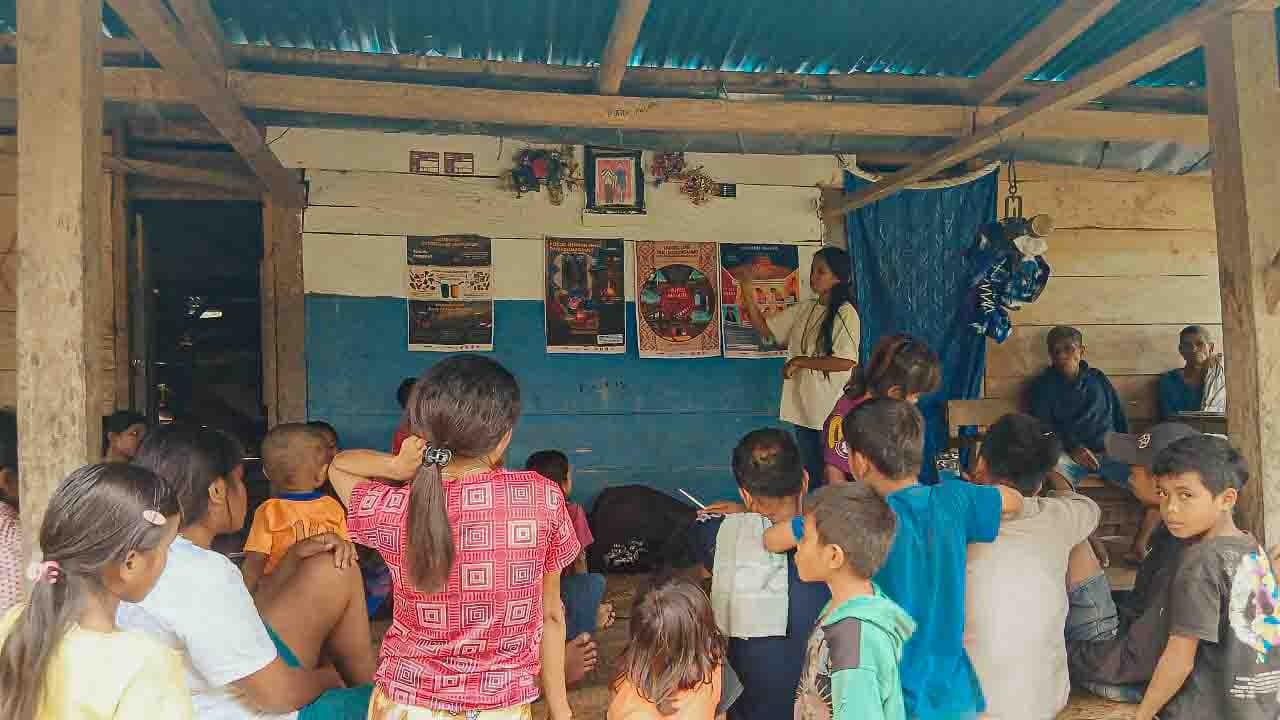
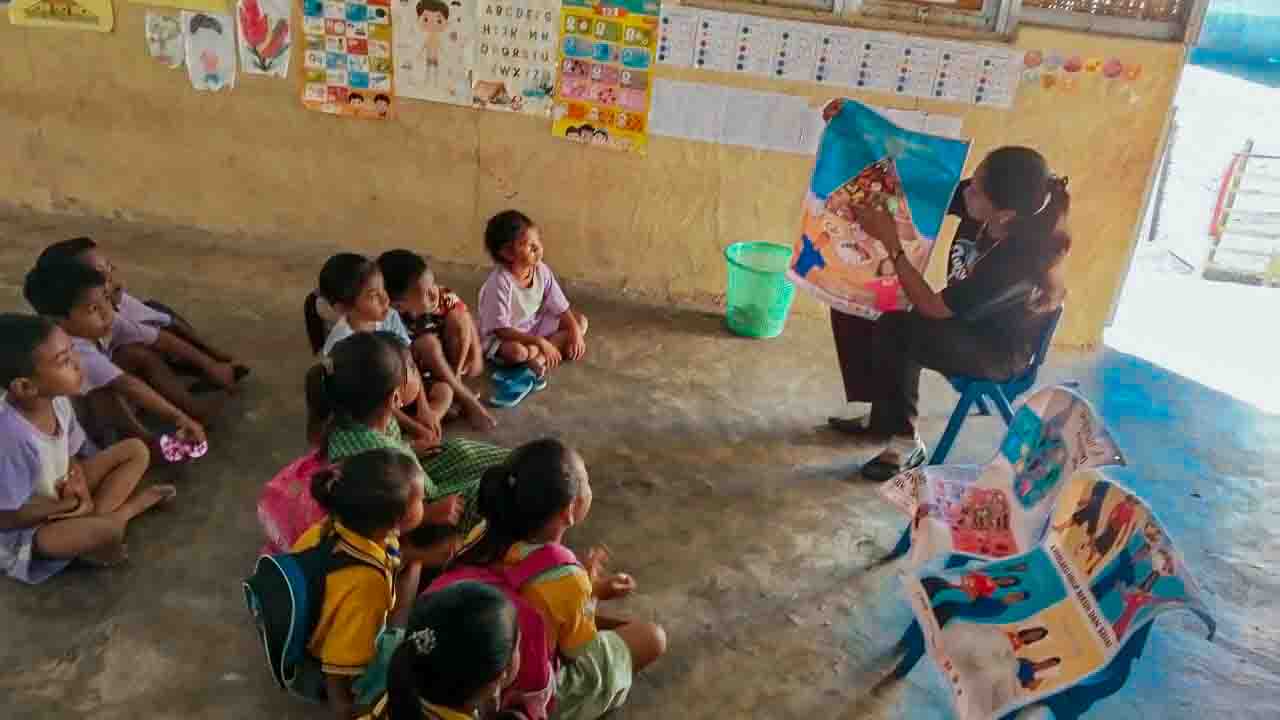
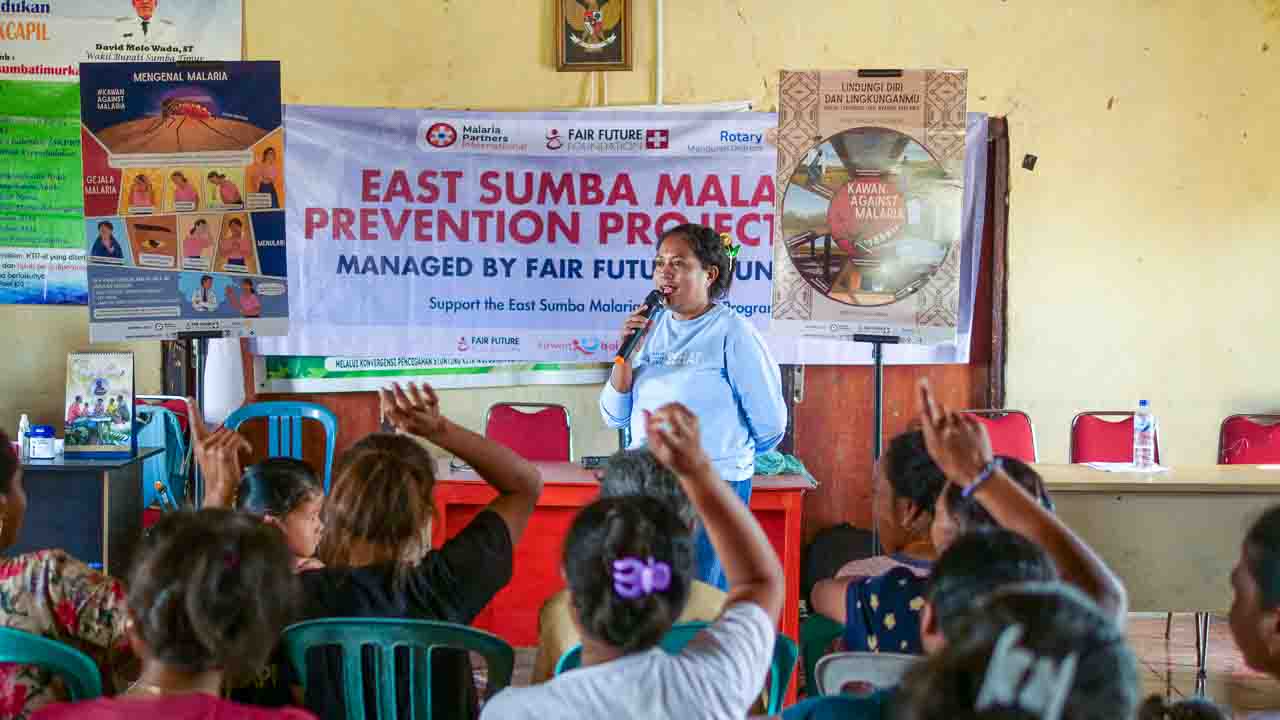
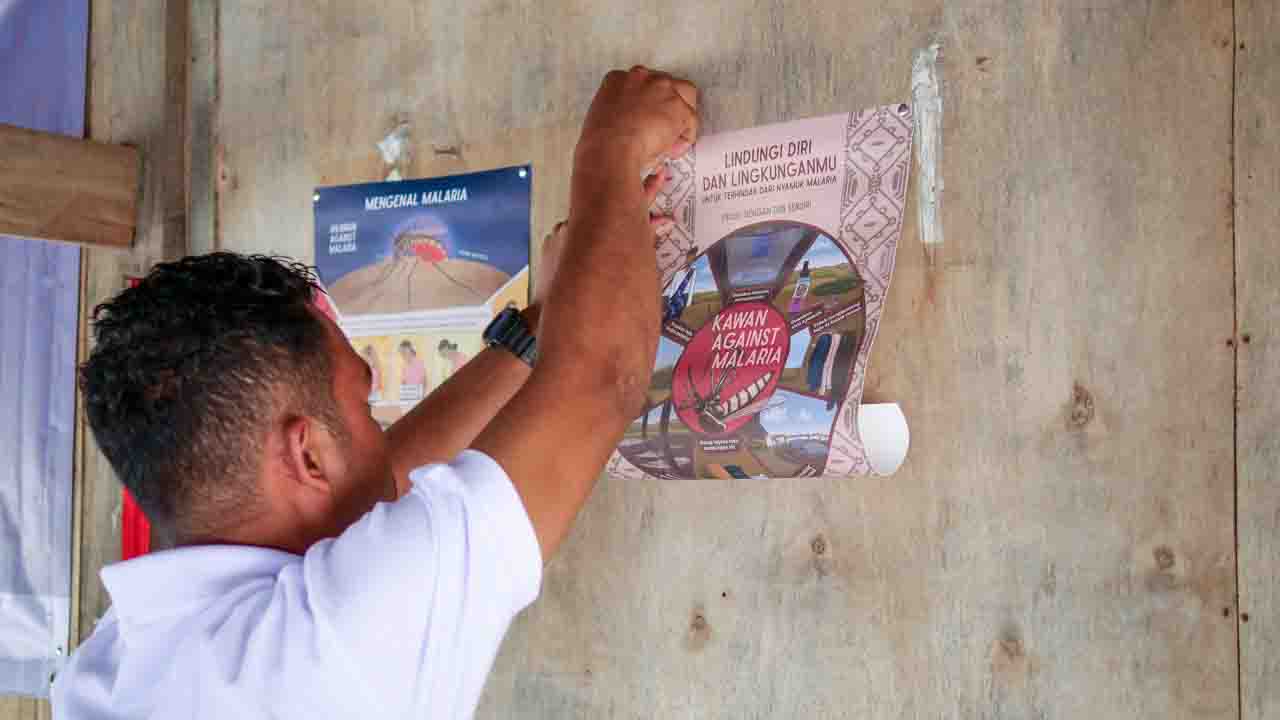
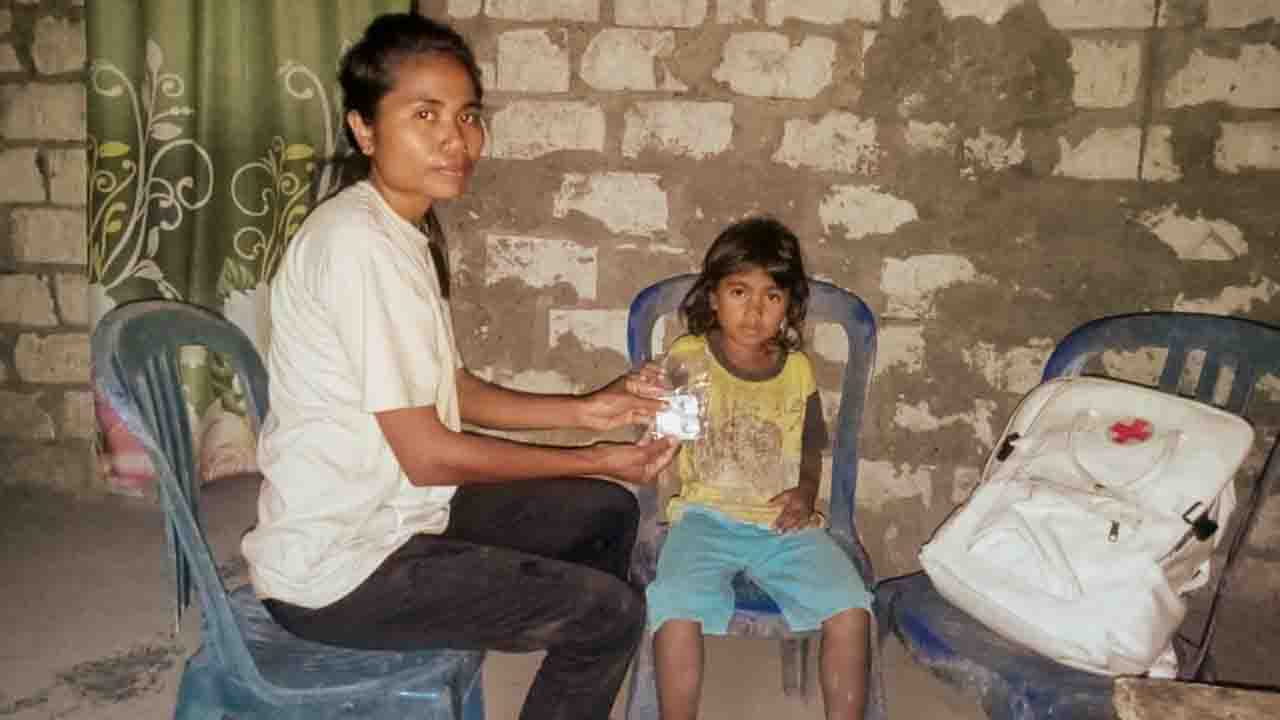
Disease prevention activities are carried out through community health education, medical posters and direct engagement with families in rural settings.
Disease prevention through primary medical care
Disease prevention is not an abstract concept. In ultra-rural regions where healthcare systems do not reach, prevention is often the only line of defence against life-threatening illness. At Fair Future Foundation, prevention begins where people live, in their homes, their villages, their daily reality.
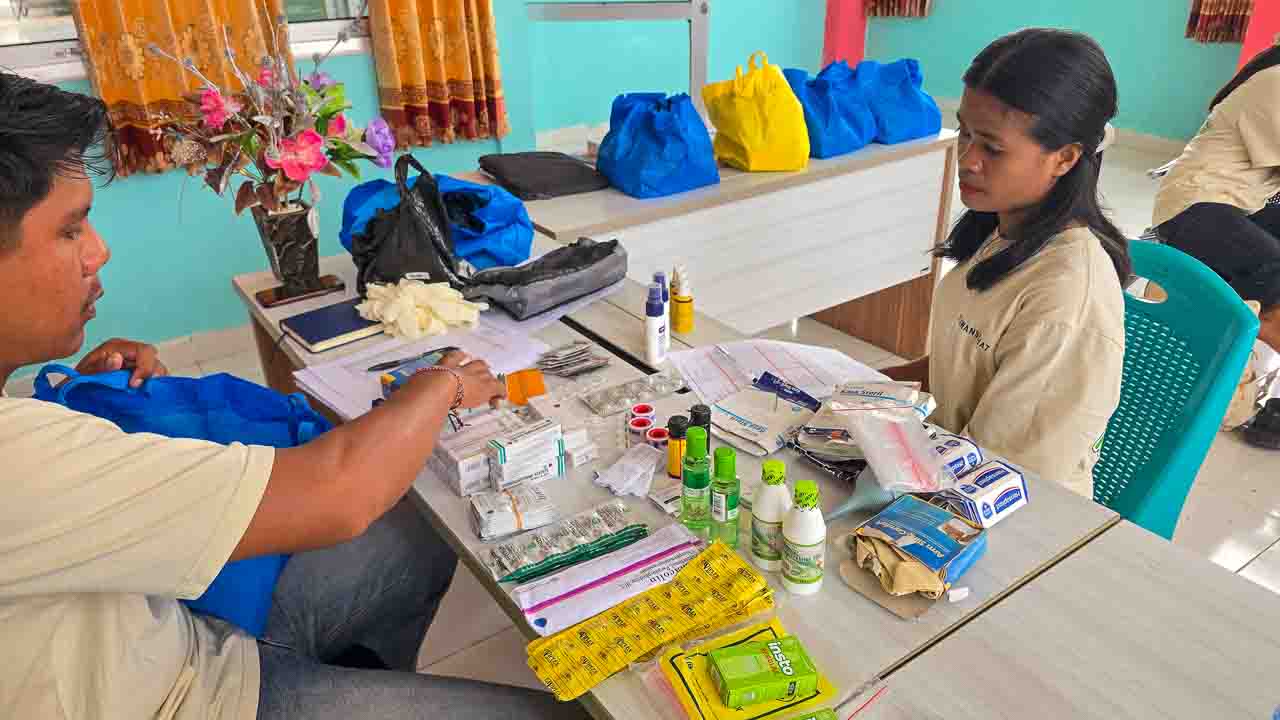
We do not subcontract prevention. We do not design strategies from a distance. Our medical teams, health agents, and coordinators are physically present on the ground every day. We work hand in hand with local health authorities, public health centres, and village leaders to reduce exposure, interrupt transmission, and strengthen basic health knowledge.
From infectious diseases such as malaria, tuberculosis, dengue, leprosy, and polio, to parasitic infections and hygiene-related illnesses and preventable complications, our approach is systematic and practical. Prevention is integrated into Primary Medical Care, education, water access, and community empowerment. It is slow, repeated, human work. And it saves lives long before emergencies occur.
©Alex Wettstein – Fair Future Foundation, the 9th of January 2026/aw
 Why Disease Prevention Comes Before Treatment
 Why Disease Prevention Comes Before Treatment
It is unreliable, and the diagnosis often comes too late. In ultra-rural communities, waiting for symptoms usually means waiting too long. Preventive action reduces morbidity, mortality, and long-term disability before illness becomes irreversible.
At Fair Future Foundation, prevention is not secondary to care. It is inseparable from it. Every consultation, every home visit, and every community meeting is an opportunity to reduce risk. Clean hands, safe water, vaccination awareness, early symptom recognition, and basic hygiene practices form a protective barrier that medicine alone cannot provide.
This approach aligns with global public health principles while remaining grounded in reality. Prevention works only when it is understood, accepted, and practised daily by families themselves. Our role is not to impose messages, but to translate medical knowledge into simple, usable actions that fit local life.
Reducing Infectious Disease Risks in Remote Communities
 Reducing Infectious Disease Risks in Remote Communities
Infectious diseases remain among the leading causes of illness and death in isolated regions where we have been working since 2008. Malaria, tuberculosis, dengue, leprosy, parasitic infections, and vaccine-preventable diseases continue to circulate in settings where access to healthcare is limited and living conditions are fragile.
Our prevention work focuses on interrupting transmission chains. This includes vector control, early detection, treatment adherence, hygiene education, and continuous community follow-up. Prevention is reinforced by field data, regular medical evaluations, and collaboration with public health authorities.
Polio prevention and vaccination awareness are critical components of our work. In areas with incomplete vaccination coverage, misinformation and access barriers increase the risk of resurgence. Prevention is therefore both medical and educational. It requires trust, presence, and repetition. This is why our teams return to the same households, villages, and schools, again and again.
Health Education Tools Designed for Effective Prevention
 Health Education Tools Designed for Effective Prevention
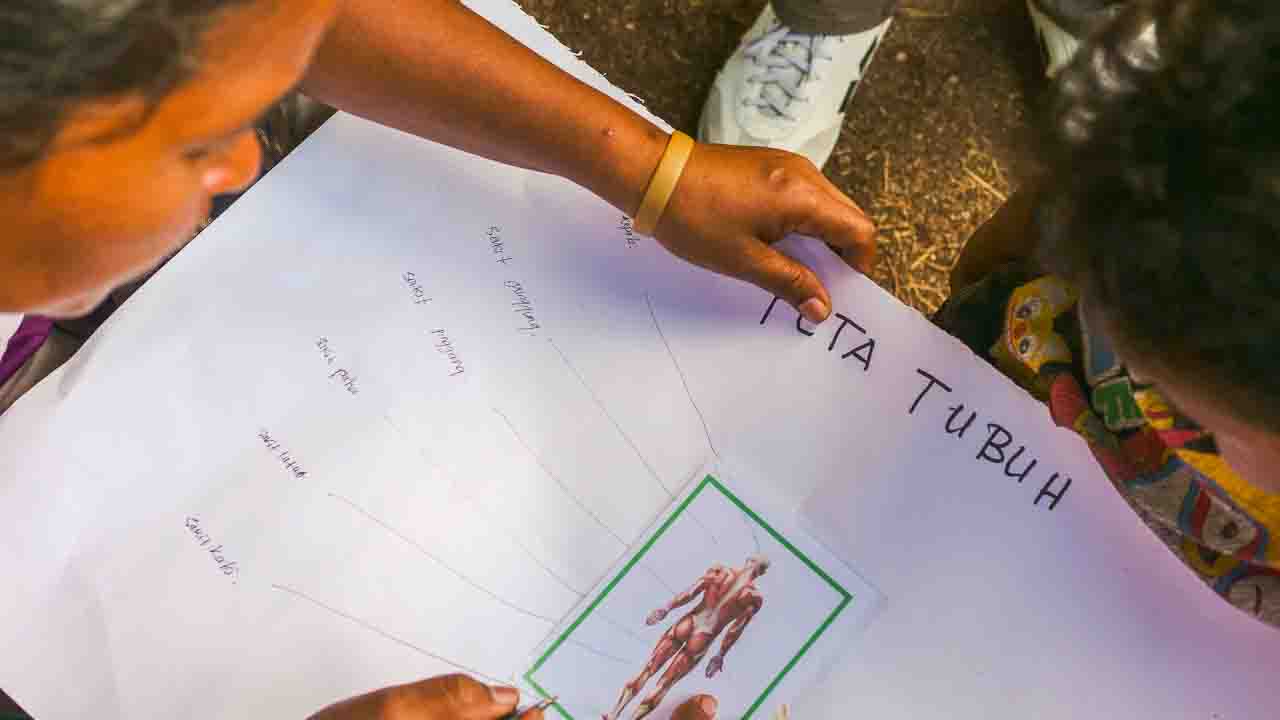
Health education must be visual, clear, and culturally appropriate. The Swiss Fair Future Foundation, in collaboration with Kawan Baik Indonesia, has developed more than ten prevention campaigns, supported by medical posters and educational materials designed for communities with low literacy levels. These tools address hygiene, infectious diseases, the risks of smoking, alcohol abuse, waste management, sexual health, and environmental health. We invite you to have a look at those campaigns here and books here.
The posters are not merely decorative; they are effective tools. Used during home visits, group discussions, and community meetings, they structure the exchanges and reinforce key messages. Families do not receive lectures; rather, they receive explanations, demonstrations, and time for questions.
Our educational materials are used regularly by Kawan Sehat Health Agents during prevention sessions at home and in public spaces. This direct and repeated exposure transforms the information into a habit. Prevention becomes a daily habit, not just a matter of external instruction. Tens of thousands of people benefit from this training.
Community Health Agents at the Core of Prevention
 Community Health Agents at the Core of Prevention
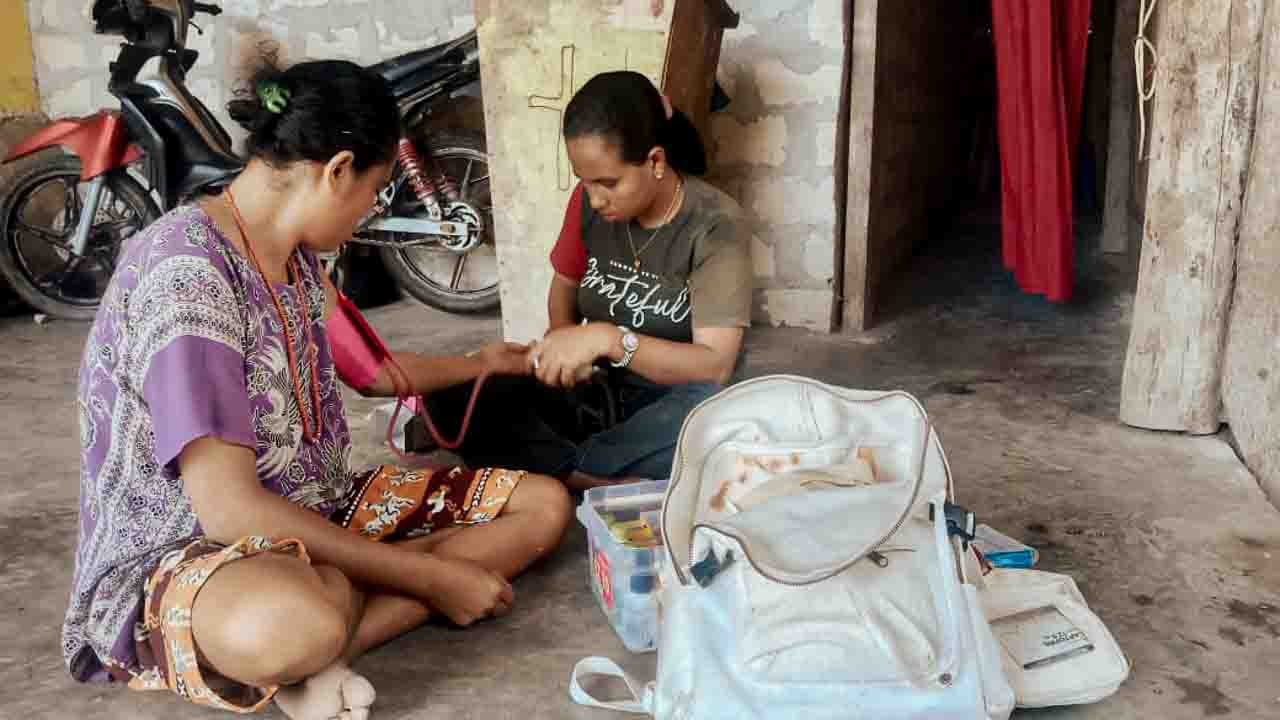
Prevention relies on the presence of people. The Primary Medical Care programme is supported by trained community health workers (we call them Kawan Sehat Agents) who work daily in the villages. These workers, all women, are trusted members of their communities and of their remote villages. They visit homes, assess living conditions, identify risks, and deliver prevention messages with precision and empathy.
They don’t just wait for patients to arrive. They go out to meet families. They explain how infections spread, the importance of hygiene, when to seek medical attention, and how to protect children and the elderly. Prevention is provided individually and in groups, and tailored to each household.
Continuous training, supervision, and medical support ensure accuracy and consistency. Prevention is not improvised. It is structured, documented, and evaluated. This human network is one of the foundation’s strongest tools in the fight against preventable disease.
A Field-Based Medical Model Without Subcontracting
 A Field-Based Medical Model Without Subcontracting
The Fair Future Foundation operates without subcontracting. Our teams are autonomous. Our medical activities are designed by those who deliver them. This ensures continuity, accountability, and consistency across prevention, care, and follow-up.
We coordinate with local health authorities, public health centres, administrative bodies, and our local partners, including Kawan Baik Indonesia. Prevention is integrated into existing systems, not conducted in parallel. This strengthens the sustainability of our actions and avoids any dependency.
Our presence on the ground enables rapid adaptation. In the face of evolving risks, prevention adapts. In the event of an epidemic, it intensifies. This proximity is not symbolic; it is concrete. Prevention is only effective if it is experienced daily, as close to the communities it serves as possible.
Sustaining Disease Prevention Through Long-Term Community-Based Action
 Sustaining Disease Prevention Through Long-Term Community-Based Action
Disease prevention is not a one-off intervention. It is a long-term process that works only through continuity, repetition, and trust. The experience of Fair Future Foundation shows that prevention becomes effective when it is embedded in daily life, delivered by trained health agents, and supported by a consistent medical presence.
Looking ahead, the priority is not expansion at any cost but consolidation. Strengthening what already works, maintaining trained teams, updating educational tools, and adapting prevention strategies to evolving risks, such as climate-related diseases and population mobility, are essential. Interruptions weaken prevention and rapidly erode progress.
Our vision is grounded in realism. Continue field-based prevention where healthcare systems do not reach. Link education to primary medical care. Support communities so that prevention becomes routine, understood, and locally anchored. Disease prevention protects lives only when it remains active, present, and sustained over time.
Disease Prevention Through Community Health Education
Key facts on disease prevention
- Most infectious diseases can be prevented through basic measures such as hygiene, vaccination, early education, and timely awareness.
- In low-access and rural settings, the absence of prevention leads to avoidable outbreaks of malaria, tuberculosis, dengue, diarrhoeal and skin infections.
- Effective disease prevention reduces the burden on fragile health systems and remains the most cost-efficient medical intervention where access to care is limited.
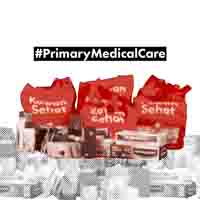
Primary Medical Care
Kawan Sehat health agents walk hours to treat fever, malaria, injuries and dehydration in villages without clinics, where climate shocks hit first.
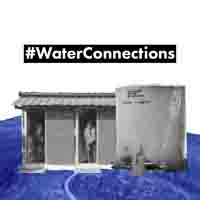
Water Connections
Ferro cement reservoirs and village water networks secure clean litres during longer droughts and after floods, cutting diarrhoea and kidney problems.
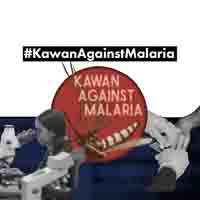
Kawan Against Malaria
Prevention, early diagnosis and treatment of malaria in areas where changing rains and temperatures create new mosquito patterns and higher risks.
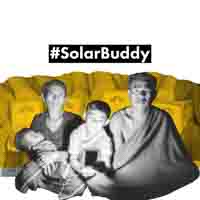
Solar lights for families
Solar lamps for homes and schools reduce injuries at night, improve study conditions and cut toxic fumes when electricity is absent or unreliable.