
Ethical Code for Humanitarian Action in the Field
Fair Future Foundation’s ethical code rests on six principles: social justice, commitment, empowerment, independence, equity and perseverance. They guide medical decisions, the use of resources, the way we document our work and our responsibilities toward communities, patients, partners and donors in eastern Indonesia.
Ethical Humanitarian Action in Practice
Medical ethics applied where systems are weak or absent
Our ethical code in everyday decisions
Ethics is not a document we display. It affects everyday decisions in the field: how care is prioritised when needs exceed available resources, how medical information is handled, how mistakes are acknowledged, and how limited funds are used.
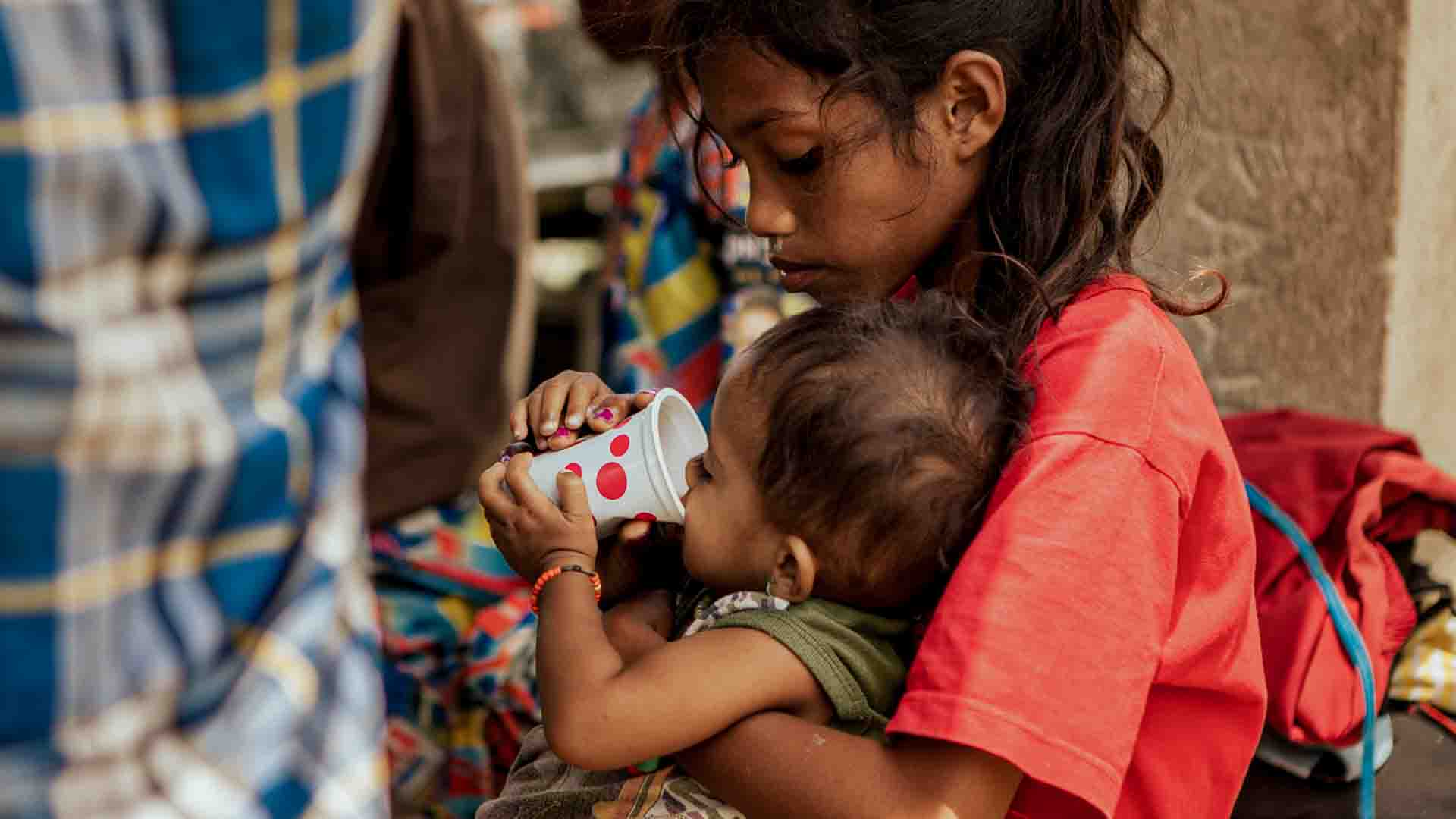
At Fair Future Foundation, patients and communities are partners in this responsibility. Their dignity and knowledge matter in the care we provide and in the stories and images we share.
We apply this ethical code in eastern Indonesia, where access to care, clean water and transport can be limited. Staying close to communities helps us understand those constraints and remain accountable beyond a single intervention.
The six principles below are social justice, commitment, empowerment, independence, equity and perseverance. Our working principles explain how these responsibilities inform operational decisions.
➜ You can download the Foundation’s Ethics Charter here.
Alex Wettstein — Fair Future Foundation
Social Justice as a Public Health Principle
Health inequalities are visible in very concrete ways: untreated infections, unsafe water, preventable complications, interrupted schooling and long delays before medical care can be reached. In remote communities, social inequality quickly becomes a health risk.
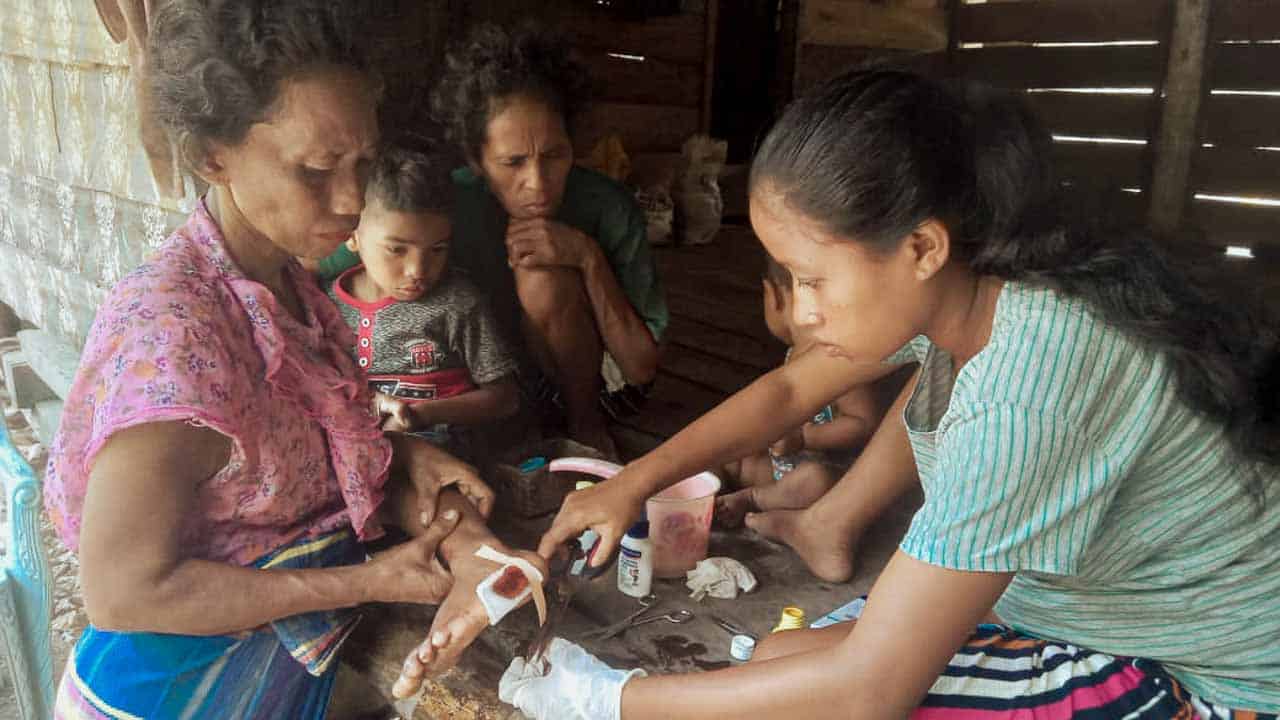
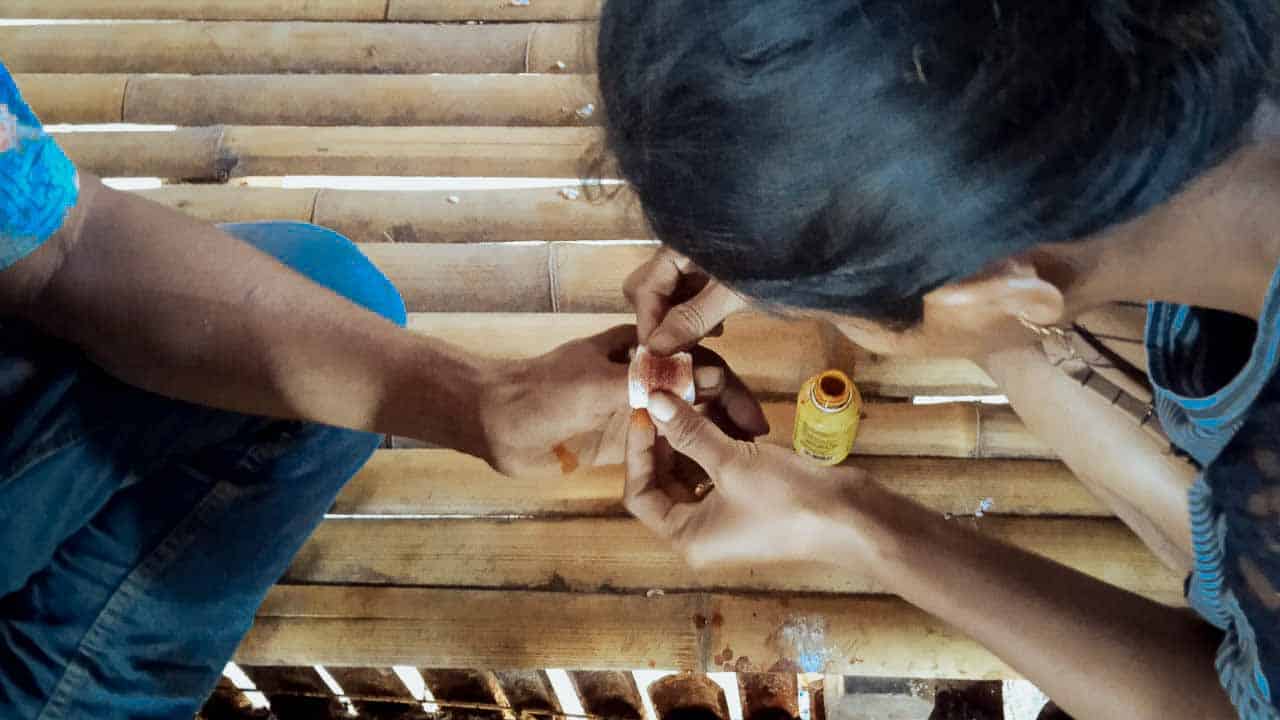
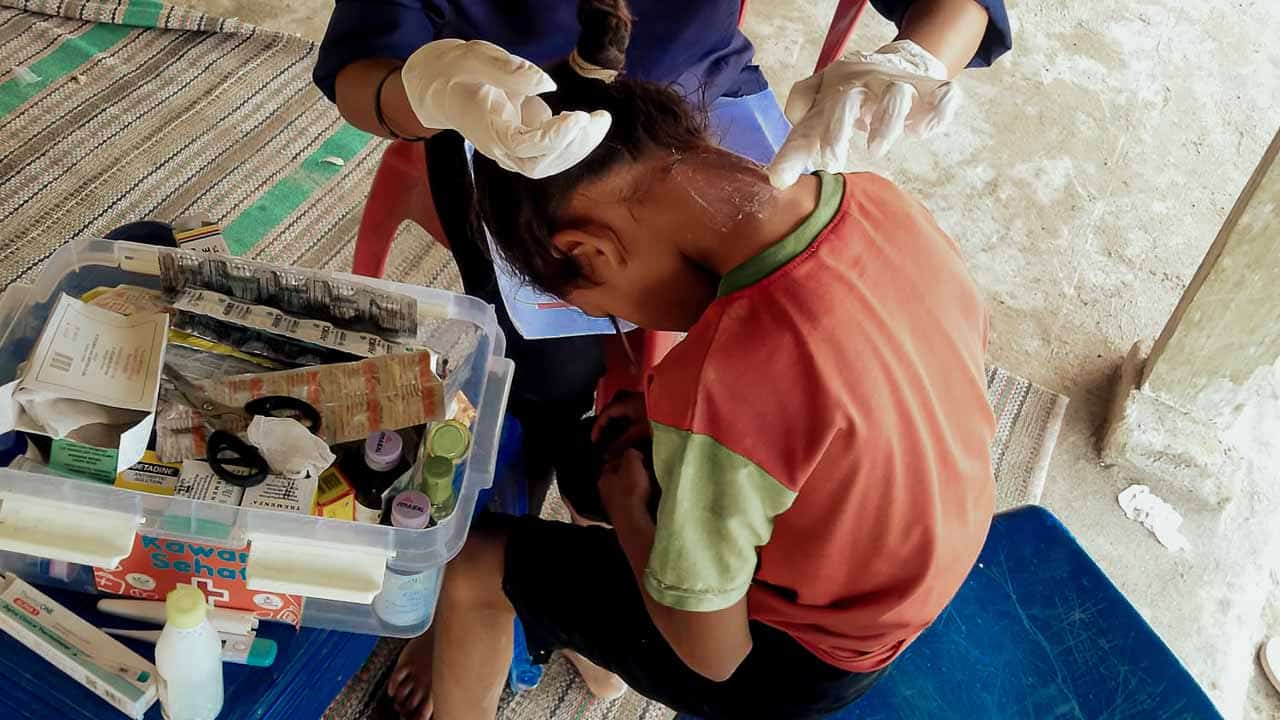
Our programmes therefore prioritise people who have the least access to essential services, particularly children, women and families living far from healthcare, clean water or reliable infrastructure. Medical care is combined with prevention, health education and practical improvements to living conditions.
For us, social justice means reducing avoidable barriers to health while protecting dignity and the ability of people to make informed decisions about their own lives.
Commitment Beyond Emergency Response
Commitment is measured through continuity. Fair Future has worked in eastern Indonesia for many years because trust, clinical understanding and useful local systems cannot be built through occasional interventions.
Long-term presence allows our teams to follow situations over time, adapt programmes when evidence changes and work directly with local health agents, teachers and communities.
The same responsibility applies to donors and partners. Funds, decisions and results must be documented clearly, and resources must remain focused on their humanitarian purpose. Our annual reports and explanation of how funds are used make this work open to scrutiny.
Empowerment Through Knowledge and Local Autonomy
Empowerment cannot be imposed from outside. Our role is to provide knowledge, tools, training and continued support so that local people can make stronger decisions for themselves.
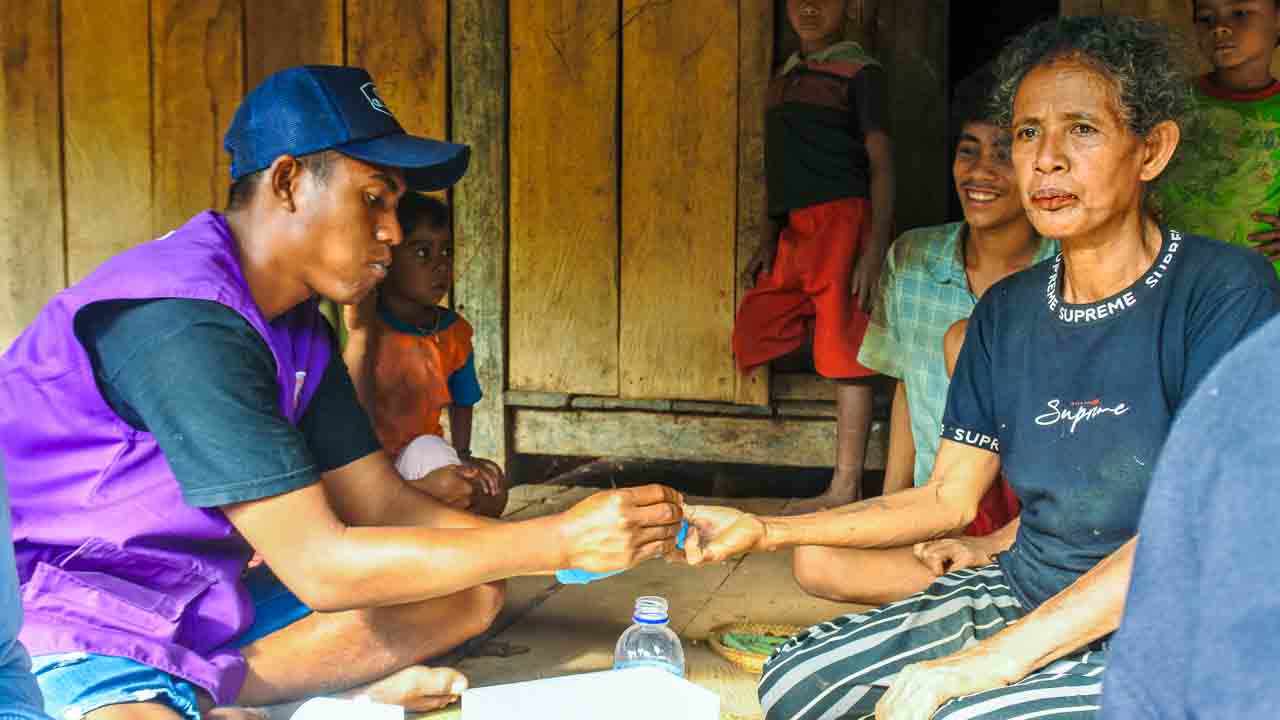
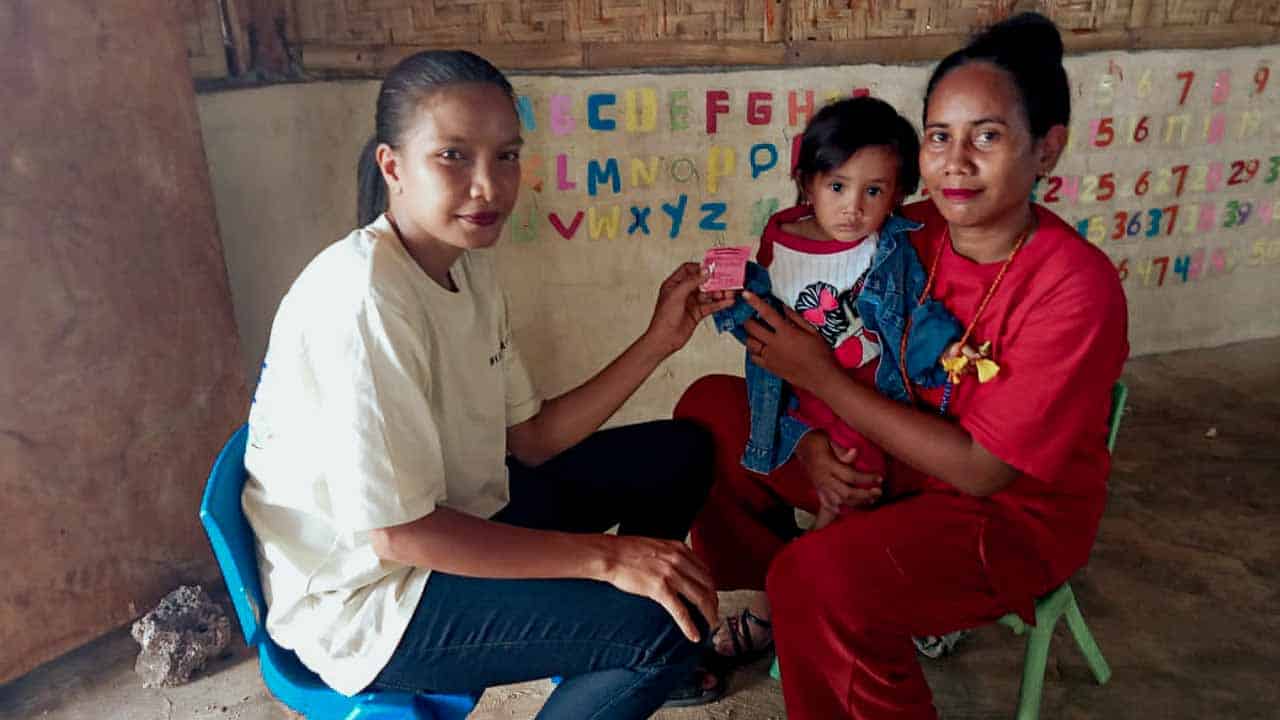
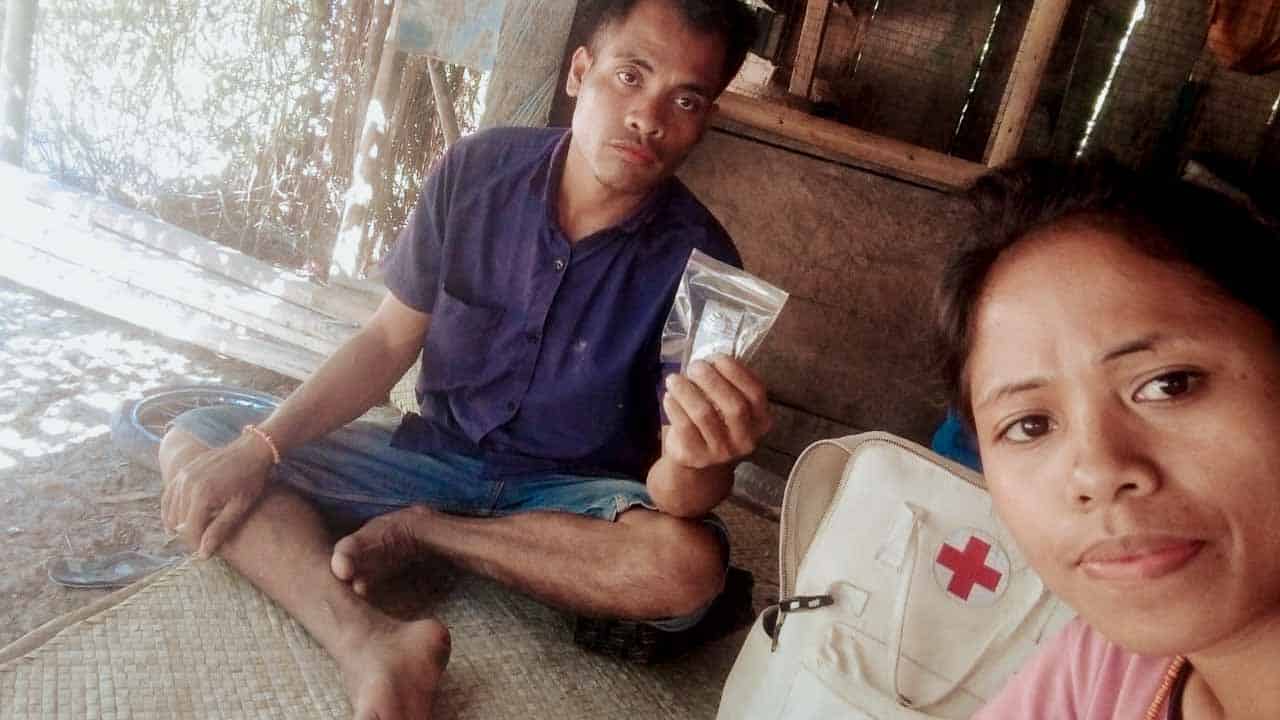
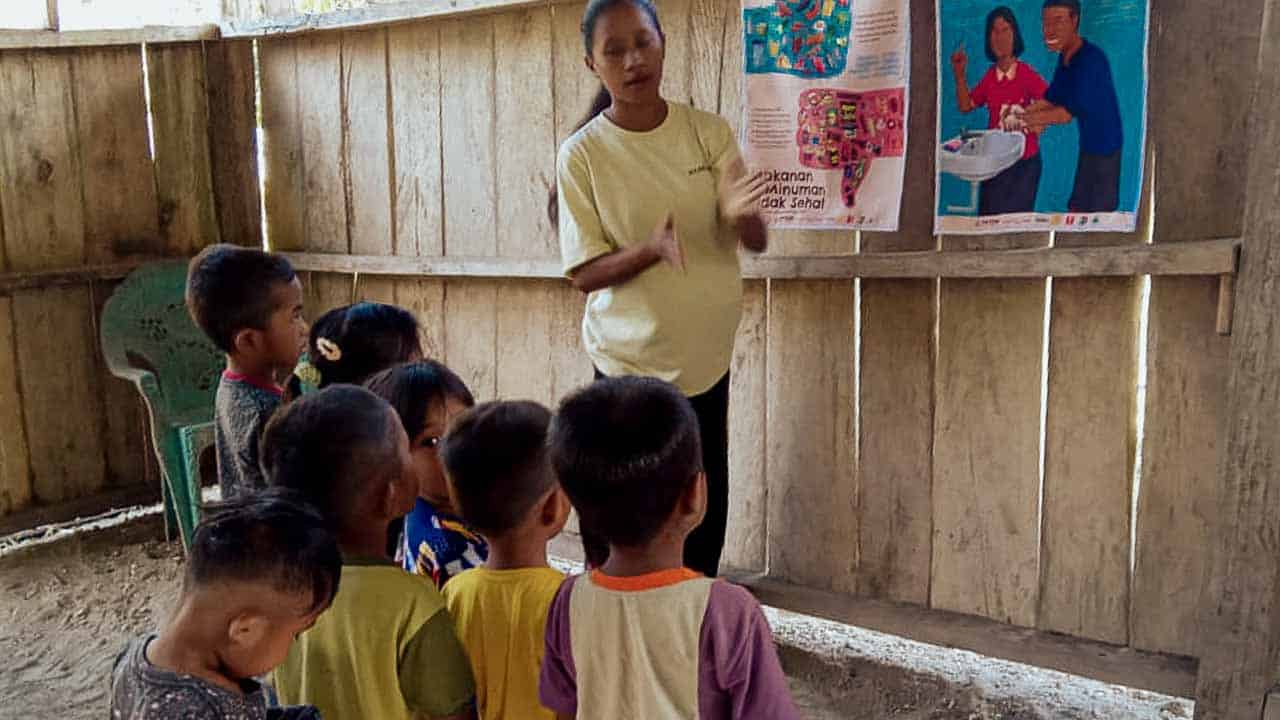
This is the principle behind the training of Kawan Sehat health agents, support for teachers, and community participation in water, sanitation and prevention programmes. These activities are designed to strengthen local capacity and progressively reduce dependence on outside intervention.
Knowledge transfer is particularly important in primary healthcare and disease prevention, where recognising danger signs early and knowing what action to take can directly change an outcome.
Independence in Ethical Decision-Making
Independence allows humanitarian priorities to be determined by medical need, evidence and field reality rather than political, religious or commercial interests.
Fair Future’s funding model gives the Foundation substantial freedom to decide where resources are most urgently required and to respond without tying medical decisions to external agendas.
Independence also requires accountability. Decisions must be explainable, resources traceable and results reported without exaggeration. That combination — freedom of action and responsibility for its consequences — is central to ethical humanitarian work.
Equity Over Uniformity
Treating everyone in exactly the same way does not necessarily produce fair outcomes. A family living several hours from the nearest health facility does not face the same risks or barriers as someone living beside a hospital.
Our programmes therefore consider epidemiological risk, distance, transport, poverty, pregnancy, childhood vulnerability and access to water or basic services when deciding how resources should be used.
Equity means adapting the response to actual need so that limited resources reach people facing the greatest barriers to care.
Perseverance in Challenging Settings
Working in remote areas means accepting difficult logistics, damaged roads, supply interruptions, extreme weather and situations in which plans frequently have to change.
Perseverance does not mean continuing blindly. It means maintaining care and prevention while adapting methods when circumstances change, and returning to communities rather than treating one visit as a completed intervention.
In practice, continuity depends on reliable logistics, realistic medical planning, local partnerships and teams willing to remain accountable for what happens after an activity has ended.
Ethical Humanitarian Medical Action in Practice