
El Niño and food security in East Sumba
A UN hunger warning and a local drought alert show why East Sumba needs to protect water supplies and access to nutritious food before a poor harvest.
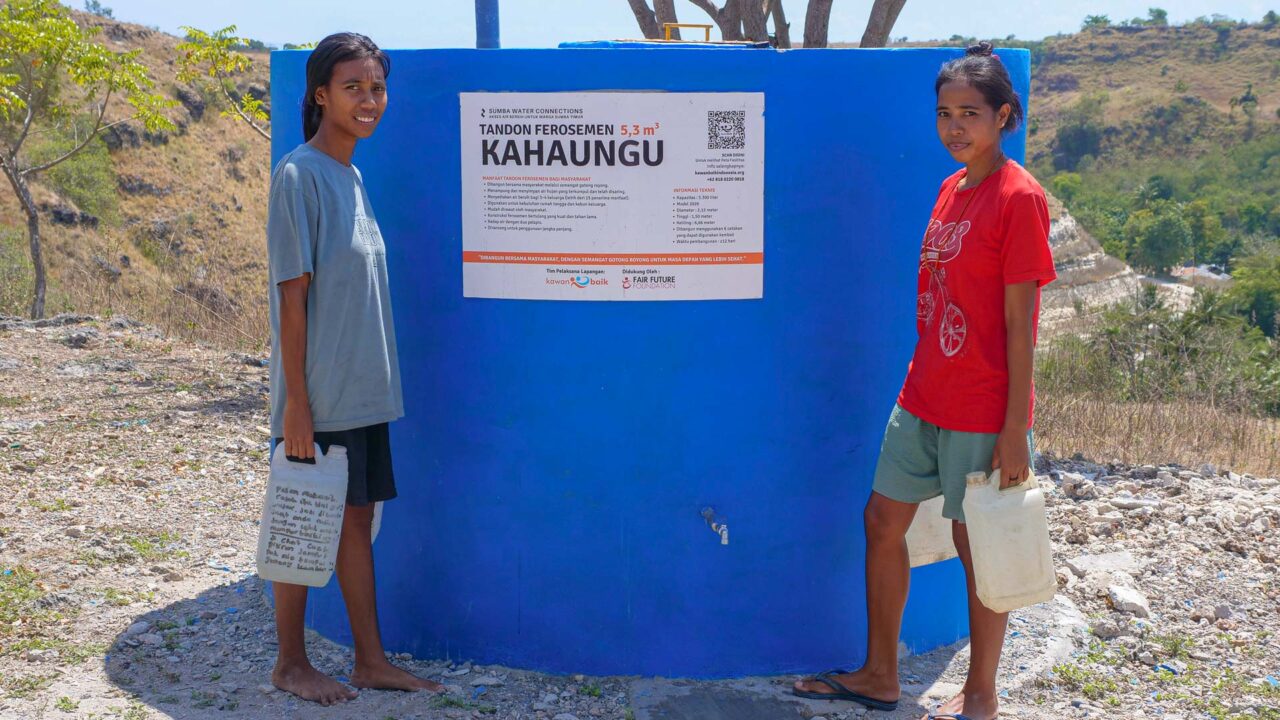
El Niño and food security are already connected in East Sumba. Here, rain helps decide when families can plant maize and how much water they can store. When it comes late or falls in short bursts, a family can face a difficult planting season and a water shortage at the same time.
On 27 November, FAO and WFP warned that acute food insecurity could worsen in 16 hotspots between December 2026 and May 2027. Armed conflict remains a major driver in most of them. El Niño adds pressure in places such as Southern Africa and Central America’s Dry Corridor. Indonesia is not on that list. The outlook is a warning about how quickly food access can deteriorate when several pressures hit at once.
What El Niño means for food security in East Sumba
Indonesia’s weather agency, BMKG, reported a very strong El Niño in its mid-November update. The provincial agriculture office relayed drought alerts for Katala Hamu Lingu and Pahunga Lodu from 11 to 20 November. Those dated alerts do not measure crop losses or tell us how many families are going hungry.
We already work with families who rely heavily on maize. If their harvest falls short, they may have to buy more food with the same income. And when safe water runs low, cooking and washing become harder just as families have fewer choices at the market.
We can act before the harvest is lost. In Laindatang and Hambarita, communities already collect and store rainwater closer to homes and schools. Through our Nutrition and Food programme and Kawan Sehat, we can keep advice grounded in what families can actually obtain and help children who need assessment reach care. A family should not have to wait for its maize to run out before that support reaches them.