


Health topics
Leptospirosis
Understanding leptospirosis, recognising fever after water or mud exposure, and connecting early treatment with safer water and community care in rural East Sumba.
Source-language clinical review recorded: Alex · 2026-11-20
When care cannot wait
Seek emergency care for difficulty breathing, coughing up blood, confusion, collapse, or very little or no urine. Yellow eyes or skin, persistent vomiting or rapid deterioration also need urgent medical assessment.
Tell the receiving team about fever and any recent contact with floodwater, mud, freshwater or animals. Do not wait for a test result before seeking urgent care.
Clinical overview of leptospirosis · Leptospirosis: CDC Yellow Book, 2026 edition · Leptospirosis: symptoms, care and recovery
Understanding leptospirosis
Leptospirosis is an infection caused by disease-causing bacteria of the genus Leptospira. It affects people and many animals. Infection usually follows contact with animal urine, or with water or soil that urine has contaminated.
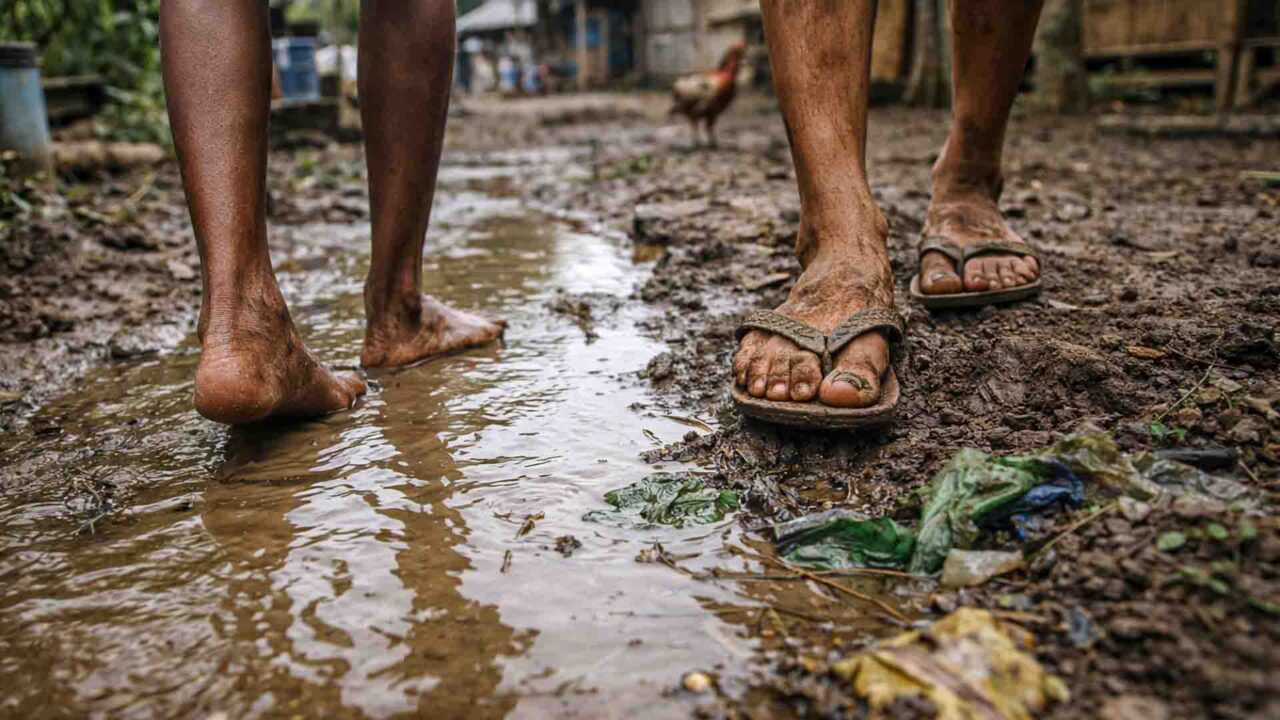
A small skin break can be enough for bacteria to enter. The lining of the eyes, nose and mouth can also provide an entry point. Walking through water, washing, working with animals or clearing a muddy drainage channel may therefore matter when a person develops fever.
Some infections cause few symptoms; others become serious. Early illness may resemble several other infections. Recognising the exposure and obtaining timely care can make a real difference.
Human leptospirosis: diagnosis, surveillance and control · About leptospirosis
From Weil’s description to the discovery of the bacteria
In 1886, the German physician Adolf Weil described an illness involving jaundice and kidney inflammation. The name Weil’s disease is still used for a severe form of leptospirosis; it does not describe every infection.
In 1907, Arthur Stimson observed the characteristic bacteria in kidney tissue. In 1915, Inada’s research group, including Ido, identified the cause in Japan; independent discoveries were also made in Germany. The work connected an illness recognised at the bedside with a specific infectious organism.
That history still speaks to rural medicine. A fever has a cause, and the circumstances around a person’s illness can be as important as the symptoms written on the consultation form.
Etymologia: Leptospira · Leptospirosis: CDC Yellow Book, 2026 edition
How infection reaches people
Rats and mice are important carriers, but cattle, pigs, dogs and other mammals can also carry the bacteria. An infected animal may appear healthy while shedding bacteria in its urine. There does not have to be an animal bite.
Exposure can occur through contaminated freshwater, wet soil or mud, direct contact with infected animal fluids, and sometimes contaminated food or drinking water. Prolonged contact with water can soften the skin and increase vulnerability.
Leptospirosis is rarely transmitted from person to person. A family member who is ill needs care and support. Other people may nevertheless be at risk if they share the same contaminated water, work area or animal exposure.
Leptospirosis: transmission and diagnosis · Human leptospirosis: diagnosis, surveillance and control · Leptospirosis control guideline
Who may be exposed, and why rainfall matters
Farmers, livestock keepers, people cleaning drains or flood-damaged homes, and anyone working barefoot in wet ground may encounter the conditions that allow infection. Children can be exposed while playing in water or mud.
Heavy rain and flooding can carry animal urine into paths, yards and water sources. Risk also exists outside major floods: daily contact with contaminated wet soil or animals can be enough.
Indonesia’s Ministry of Health advises assessment when fever, muscle pain, headache or red eyes follow floodwater or mud exposure. In rural East Sumba and Nusa Tenggara Timur, that advice needs a practical route to a health worker, transport and referral when necessary.
Leptospirosis prevention and control in Indonesia · Indonesia: vigilance for leptospirosis after disasters · Leptospirosis fact sheet
Leptospirosis symptoms: recognising the early illness
Symptoms usually begin 5–14 days after exposure, but the interval can range from 2–30 days. Not everyone has the same signs, and some infected people have no symptoms.
- Sudden fever and chills.
- Headache and muscle pain, sometimes particularly in the calves or lower back.
- Red eyes, including redness of the whites of the eyes.
- Nausea, vomiting, abdominal pain or diarrhoea.
- Marked tiredness or weakness.
These symptoms do not confirm leptospirosis. Malaria, dengue and other causes of fever may need assessment as well. Tell the clinician about both the illness and the exposure.
Some people feel better briefly and then become ill again. A temporary improvement should not be taken as proof that the infection has passed.
About leptospirosis · Leptospirosis: CDC Yellow Book, 2026 edition · Leptospirosis fact sheet
When to seek care, and what severe illness can look like
Seek prompt medical assessment for fever after potentially contaminated water, mud or animal exposure. Explain where you were, what you were doing and when the symptoms began. Do not wait for yellow eyes to appear.
Severe leptospirosis can damage the kidneys or liver, cause bleeding in the lungs, affect the brain’s protective membranes, or lead to shock. Weil’s syndrome classically involves kidney and liver failure.
The emergency signs at the top of this sheet require urgent transfer. Severe headache with neck stiffness, unusual bleeding, or worsening weakness also needs urgent assessment. A person can be seriously ill without having every recognised sign.
Our sepsis fiche explains why infection with signs of organ dysfunction is a medical emergency. Distance from a hospital makes early referral planning especially important.
Clinical overview of leptospirosis · Leptospirosis: CDC Yellow Book, 2026 edition · Leptospirosis: symptoms, care and recovery · Indonesia: vigilance for leptospirosis after disasters
Diagnosis: exposure history, examination and the right test
A clinician combines the exposure history with an examination and tests. Blood and urine tests may assess kidney function, liver involvement, blood cell counts and the person’s overall condition, alongside tests for other possible infections.
The best leptospirosis test depends on the stage of the illness. PCR detects bacterial genetic material and can be useful early, particularly in blood; urine testing may be useful later. Antibody tests become more informative as the immune response develops.
An early negative antibody or rapid screening test does not reliably exclude infection. Repeat samples or reference laboratory confirmation may be needed. Bring earlier results and return for the follow-up the clinician recommends.
When leptospirosis is strongly suspected, clinicians should start appropriate antibiotics promptly rather than wait for laboratory confirmation. Limited laboratory access should not become a reason to delay assessment or necessary referral.
Clinical overview of leptospirosis · Leptospirosis: CDC Yellow Book, 2026 edition · Leptospirosis control guideline
Leptospirosis treatment: antibiotics and supportive care
Treatment depends on severity, age, pregnancy, allergies and other medical conditions. A clinician may prescribe an oral antibiotic for milder illness. Options can include doxycycline, amoxicillin or azithromycin, according to the clinical situation and local guidance.
Severe disease needs hospital care. Intravenous antibiotics, such as penicillin or ceftriaxone, may be used. Some people also need carefully managed fluids, oxygen or breathing support, and dialysis if the kidneys are failing.
Do not use leftover antibiotics, share someone else’s prescription or choose a dose from this sheet. Take prescribed treatment exactly as directed and complete the course unless the treating team changes the plan.
If symptoms worsen after treatment begins, contact the team promptly. New breathing difficulty, confusion or reduced urine output requires urgent care rather than waiting to see whether another dose helps.
Clinical overview of leptospirosis · Leptospirosis: symptoms, care and recovery · Leptospirosis: CDC Yellow Book, 2026 edition
Recovery and follow-up
Recovery may take days or weeks, and some people remain tired for longer. Ask when normal work can resume and whether blood tests are needed to check recovery, particularly after kidney or liver involvement.
Return if fever recurs, symptoms persist or new problems develop. Tell the clinician about a painful red eye or changes in vision, which need assessment. Feeling tired after infection deserves follow-up when it is not improving.
Before returning to farming, cleaning or animal care, discuss how exposure can be reduced. Treatment does not remove the environmental conditions that allowed infection.
About leptospirosis · Leptospirosis fact sheet · Leptospirosis: transmission and diagnosis
Leptospirosis prevention: practical protection
Prevention begins with reducing contact between people and contaminated animal urine. The measures need to fit the work, water supply and protective equipment people can actually obtain.
- Protect feet and hands. Use waterproof boots and suitable gloves for wet work or cleaning where contamination is possible. Open sandals do not keep contaminated water away from the skin.
- Clean and cover cuts. Use waterproof dressings where exposure may occur; wash with soap and safe water after animal contact or dirty work.
- Keep unsafe water out of the mouth and eyes. Avoid swimming or wading in potentially contaminated freshwater. Use safe drinking water; boil or appropriately treat water when its safety is uncertain.
- Reduce rodent access. Protect food, animal feed and water storage; keep rubbish in covered containers and organise safe waste removal.
- Address the surroundings. Maintain drainage, reduce standing water and work with animal health services on livestock or pet risks. Do not handle dead animals with bare hands.
After a flood or shared exposure, tell others which symptoms to watch for and where to seek care. If several people become ill, notify the local health service so possible common sources can be investigated.
Preventing leptospirosis after flooding · Leptospirosis: symptoms, care and recovery · Leptospirosis control guideline · Leptospirosis prevention and control in Indonesia
Does everyone exposed need antibiotics?
Routine self-medication after walking through mud or water is not recommended. Preventive antibiotics may be considered for selected high-risk circumstances, but the decision belongs to a clinician or public health team.
The evidence for antibiotic prevention is limited, and unnecessary use carries risks. Describe the exposure, any wounds and any symptoms when asking for advice. If illness develops, seek assessment rather than treating it as an exposure question alone.
Clinical overview of leptospirosis · Leptospirosis control guideline
Water, animals and care in rural East Sumba
A muddy path may be the only way to reach a field or collect water. Advice to avoid exposure has to be accompanied by safer alternatives, protective equipment and an explanation people can use.
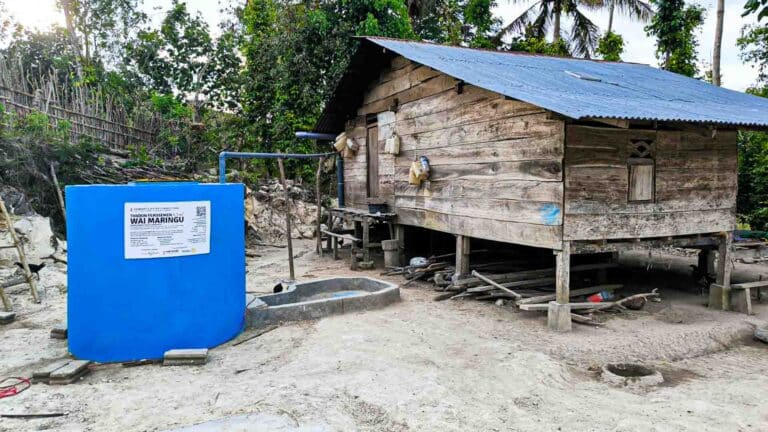
Water Connections connects protected storage, distribution, hygiene and maintenance. It belongs alongside drainage, waste management and animal health in reducing risk. Our One Health fiche explains why human health, animals and the environment need to be considered together.
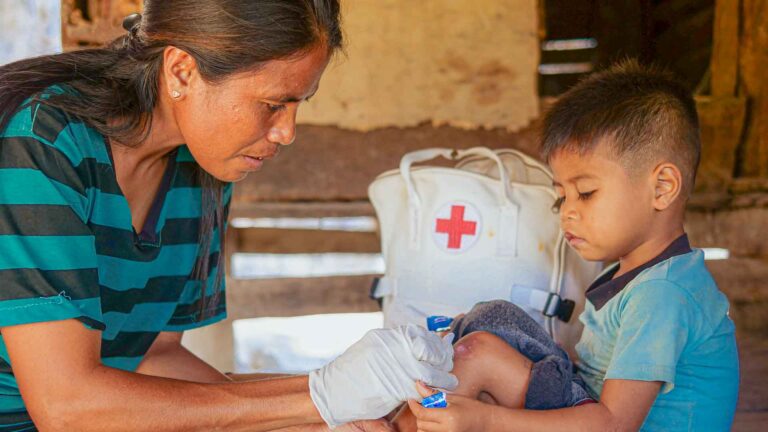
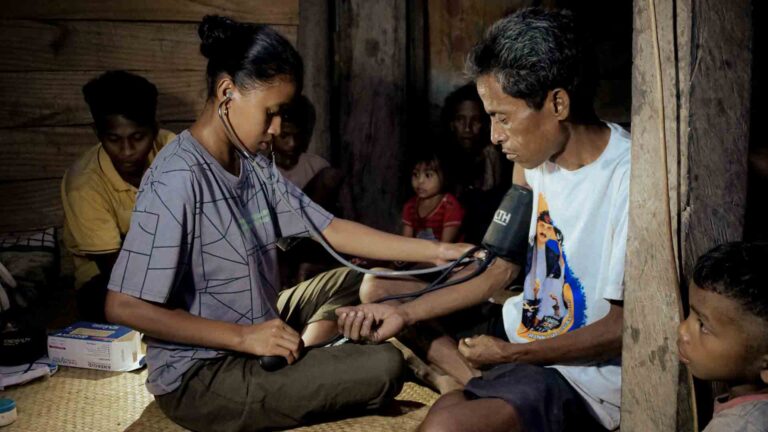
Through Primary Medical Care, symptom recognition must connect with clinical assessment and referral. Kawan Sehat health agents can ask about recent water or animal contact, explain warning signs, support wound care and help organise follow-up within their training and medical supervision.
The practical message is simple: a person with fever should not have to guess alone whether a muddy day at work matters. Listen to the history, assess the illness and make the next step reachable.
For more context, read our field article on leptospirosis in rural Indonesia and the fiche on safe drinking water and health.
Water Connections · Primary Medical Care · Kawan Sehat health agents · Integrated leptospirosis surveillance through a One Health approach
What to tell the health worker
- When did the fever or other symptoms begin?
- Have you recently walked, worked, washed or played in freshwater, mud or floodwater?
- Was there animal contact, rodent activity or a cut on the skin?
- Are you passing urine normally, breathing comfortably and able to keep fluids down?
- Which tests, treatment and follow-up are needed, and how will you reach the next appointment?
Clinical overview of leptospirosis · Leptospirosis control guideline · Primary Medical Care
Related programmes and field resources
programme
Primary Medical Care in Remote Areas
Connect fever assessment with early treatment and referral.
programme
Water Connections for Rural Villages
Understand safer water, protected storage and daily hygiene.
article
Leptospirosis Rural Indonesia | Water and Infection
Read the field context behind water exposure and delayed care.
Reference sources
- Human leptospirosis: diagnosis, surveillance and controlWorld Health OrganizationConsulted
- About leptospirosisCenters for Disease Control and PreventionConsulted
- Clinical overview of leptospirosisCenters for Disease Control and PreventionConsulted
- Leptospirosis: CDC Yellow Book, 2026 editionCenters for Disease Control and PreventionConsulted
- Leptospirosis: transmission and diagnosisUK Health Security AgencyConsulted
- Leptospirosis fact sheetNSW HealthConsulted
- Leptospirosis: symptoms, care and recoveryNational Health ServiceConsulted
- Preventing leptospirosis after floodingCenters for Disease Control and PreventionConsulted
- Leptospirosis control guidelineNSW HealthConsulted
- Etymologia: LeptospiraEmerging Infectious Diseases, CDCConsulted
- Leptospirosis prevention and control in IndonesiaWorld Health OrganizationConsulted
- Integrated leptospirosis surveillance through a One Health approachWorld Health OrganizationConsulted
- Indonesia: vigilance for leptospirosis after disastersMinistry of Health, Republic of IndonesiaConsulted
- Primary Medical CareFair Future FoundationConsulted
- Kawan Sehat health agentsFair Future FoundationConsulted
- Water ConnectionsFair Future FoundationConsulted
General health information, not an individual diagnosis or prescription.
