


Health topics
Violence against children
Understanding violence and neglect as health and protection concerns, recognising possible signs, and responding in ways that prioritise a child’s safety and dignity.
Source-language clinical review recorded: Alex · 2026-11-19
When care cannot wait
Immediate danger, serious injury, severe bleeding, breathing difficulty, loss of consciousness or a child who cannot be kept safe requires urgent help. Seek the available emergency health or protection service as safely as possible.
After suspected sexual assault, seek qualified medical care promptly even if there are no visible injuries. Some preventive treatments are time sensitive. Do not delay care while trying to obtain proof or a complete account.
Responding to child maltreatment: clinical handbook · Responding to children and adolescents who have been sexually abused
Understanding violence against children
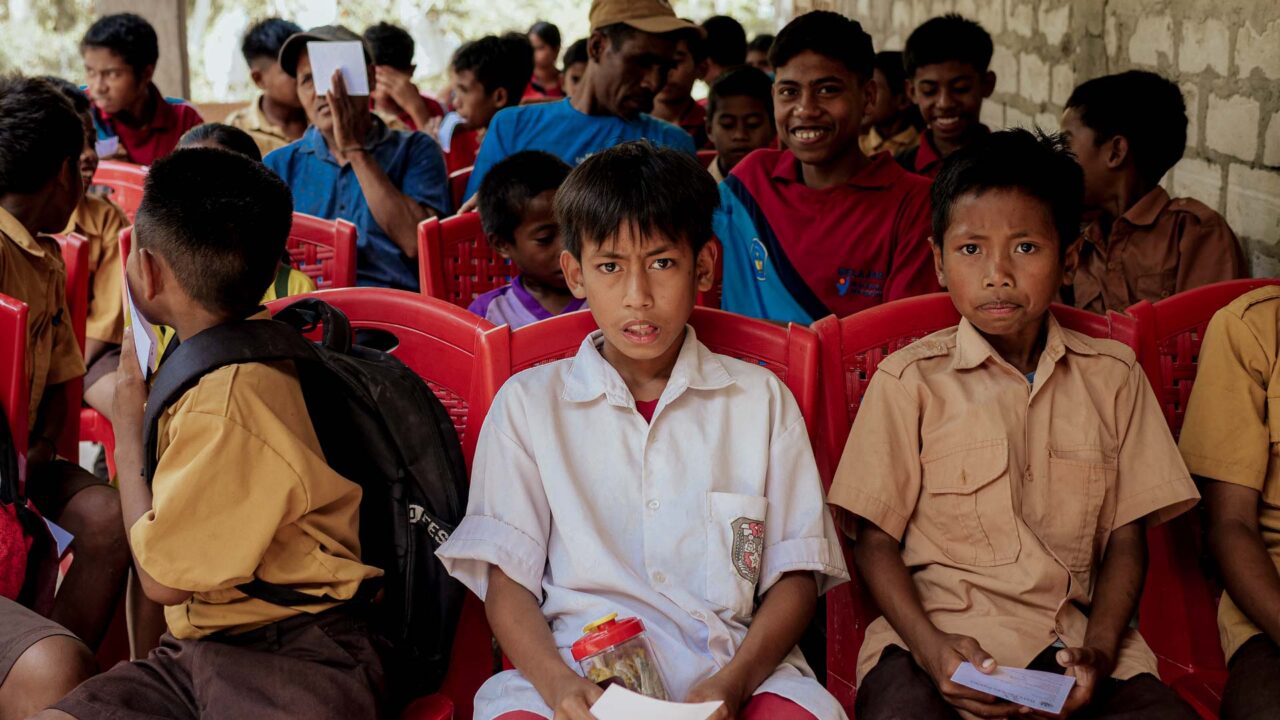
Violence against children is a health, safety and rights concern. It includes physical assault, sexual abuse, emotional abuse, harmful punishment and neglect. Bullying and violence in homes, schools, communities or online can also cause harm.
A child may depend on the person causing harm for food, transport, housing or care. This can make disclosure difficult. Silence, continued contact or affection towards that person does not establish that the child is safe.
The responsibility for violence lies with the person using it. A child should not be blamed for an adult’s behaviour or expected to solve the situation alone.
Violence against children · Responding to child maltreatment: clinical handbook
How protection became a public health commitment
This is not a disease with one discoverer. Understanding developed through the experiences of children, clinical observations, social work, rights movements and research into the effects of violence.
The United Nations adopted the Convention on the Rights of the Child in 1989. It recognises children as rights holders and includes protection from violence, abuse and neglect.
WHO and partners later developed practical guidance for health services and the INSPIRE prevention package in 2016. The change in approach is important: responding after an injury is necessary, but prevention and safe systems also matter.
Convention on the Rights of the Child · INSPIRE: seven strategies for ending violence against children
Possible signs, and what they do not prove
- Unexplained, repeated or concerning injuries, or an account that does not fit the child’s development.
- Marked changes in sleep, behaviour, school participation, mood or relationships.
- Fear around a particular person or place, or a child saying they do not feel safe.
- Genital pain, bleeding, pregnancy or symptoms that raise concern about sexual abuse.
- Ongoing unmet needs for food, hygiene, healthcare or safe supervision.
These signs can have different explanations. No checklist establishes abuse by itself, and absence of visible injury does not exclude it. A trained professional should assess the concern in context, including barriers a family faces in obtaining care. Poverty alone is not a diagnosis of neglect.
Responding to child maltreatment: clinical handbook · Responding to children and adolescents who have been sexually abused
If a child tells you something
- Stay calm and listen. Let the child use their own words without repeated or leading questions.
- Thank them for telling you and explain that the harm is not their fault.
- Do not promise absolute secrecy. Explain, in an age-appropriate way, that you may need help from people responsible for keeping them safe.
- Do not confront the suspected perpetrator or arrange a private investigation that could increase danger.
- Seek qualified safeguarding and healthcare advice, sharing information only through the appropriate safe process.
Responding to child maltreatment: clinical handbook · Responding to children and adolescents who have been sexually abused
Medical care and a coordinated response
A healthcare professional assesses injuries, pain, immediate safety and other health needs. Explain concerns privately where possible. The child should receive understandable explanations and choices appropriate to their age and development, with consent and assent handled by the responsible team.
After sexual assault, care may include assessment for injury, infection prevention or treatment, pregnancy-related care when relevant, and psychological support. Some measures need to start quickly. Care should minimise repeated examinations and unnecessary retelling.
The team should explain confidentiality and its limits, including any duties to involve protection authorities under the applicable rules. A safe, non-offending caregiver can be involved when appropriate. The suspected perpetrator should not automatically control the conversation or the care plan.
Responding to child maltreatment: clinical handbook · Responding to children and adolescents who have been sexually abused
Recovery takes continuing support
Violence can affect physical health, sleep, learning, relationships and emotional well-being. Responses differ; a child does not need to display a particular reaction to deserve care.
Some children need specialised mental health treatment. Others also need practical changes: safe attendance at school, transport, a dependable caregiver and follow-up that does not expose them to further harm.
Avoid repeatedly asking the child to recount what happened. Continuing care should build safety and ordinary daily life, rather than making the experience the child’s identity.
Violence against children · Responding to children and adolescents who have been sexually abused
Prevention is a shared responsibility
- Support non-violent caregiving and practical help for caregivers under strain.
- Make schools, community activities and health services safe, with clear conduct and reporting procedures.
- Teach age-appropriate body autonomy and how to seek help without making children responsible for stopping abuse.
- Address bullying, harmful norms and discrimination.
- Provide accessible response services and train staff to recognise concerns and refer appropriately.
INSPIRE: seven strategies for ending violence against children
Child protection in rural eastern Indonesia
In East Sumba, distance, dependence on transport and close social networks can make a private request for help difficult. Child Health, Primary Medical Care and Kawan Sehat agents must connect health work with clear safeguarding responsibilities and qualified referral.
Fair Future’s Child Protection Policy sets expectations for safety, conduct, respect and the use of images. A clinical or educational activity should not expose a child’s story, identity or location unnecessarily.
Water Connections and Nutrition and Food address important conditions for well-being. A family struggling to meet needs may require support; that situation should be assessed carefully rather than automatically labelled abuse.
Training should include how to listen, whom to contact and what to record. The Kawan Sehat medical application should not be used to circulate a child’s disclosure beyond the people who need it for safe care. Community agents are not investigators, emergency shelters or substitutes for specialist child-protection services.
Child Protection Policy · Child Health · Primary Medical Care
Questions for the responsible care team
- Is the child safe now, and what needs to change today?
- Which medical care is urgent?
- Who is coordinating the protection response?
- How will confidentiality and information sharing be explained?
- What follow-up can be arranged without increasing risk?
Related programmes and field resources
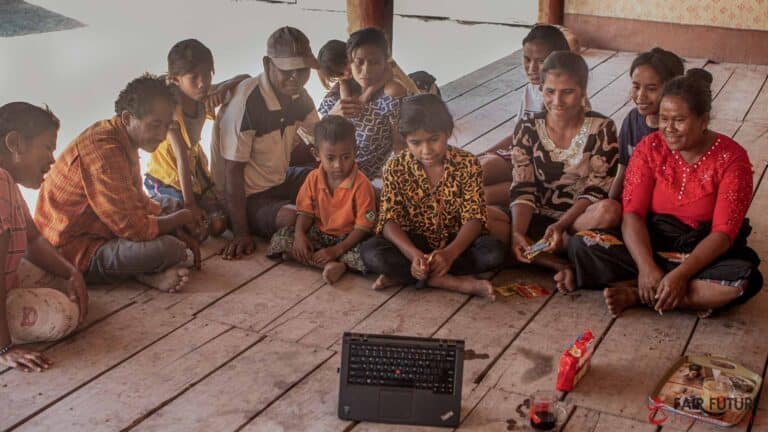
programme
Community Empowerment in Rural East Sumba
Connect safer communities with participation and support.
Reference sources
- Violence against childrenWorld Health OrganizationConsulted
- Responding to child maltreatment: clinical handbookWorld Health OrganizationConsulted
- Responding to children and adolescents who have been sexually abusedWorld Health OrganizationConsulted
- Convention on the Rights of the ChildUNICEF / United NationsConsulted
- INSPIRE: seven strategies for ending violence against childrenWorld Health OrganizationConsulted
- Child Protection PolicyFair Future FoundationConsulted
- Child HealthFair Future FoundationConsulted
- Primary Medical CareFair Future FoundationConsulted
General health information, not an individual diagnosis or prescription.
