


Kawan Sehat in East Sumba | what keeps village care working?
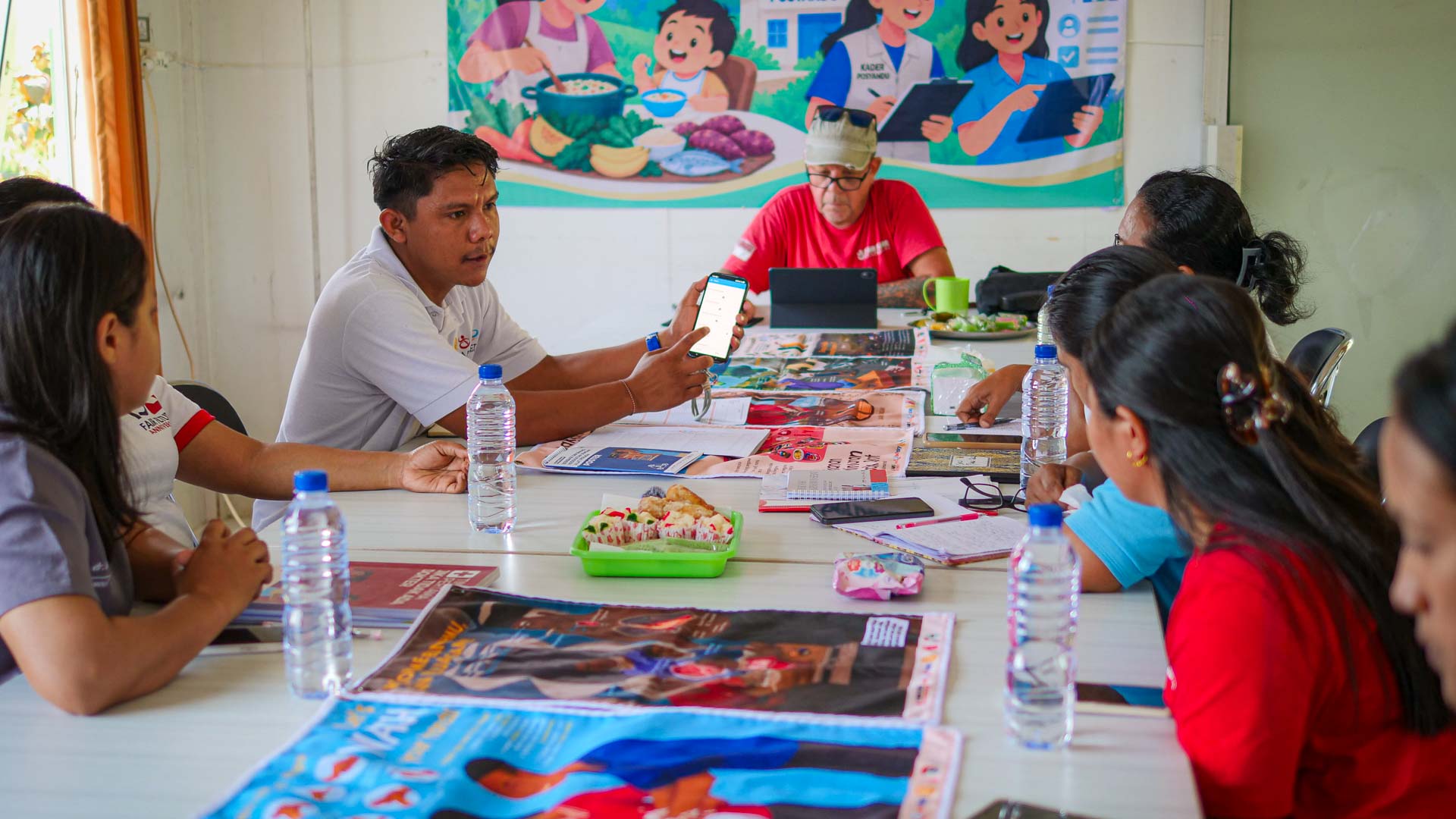
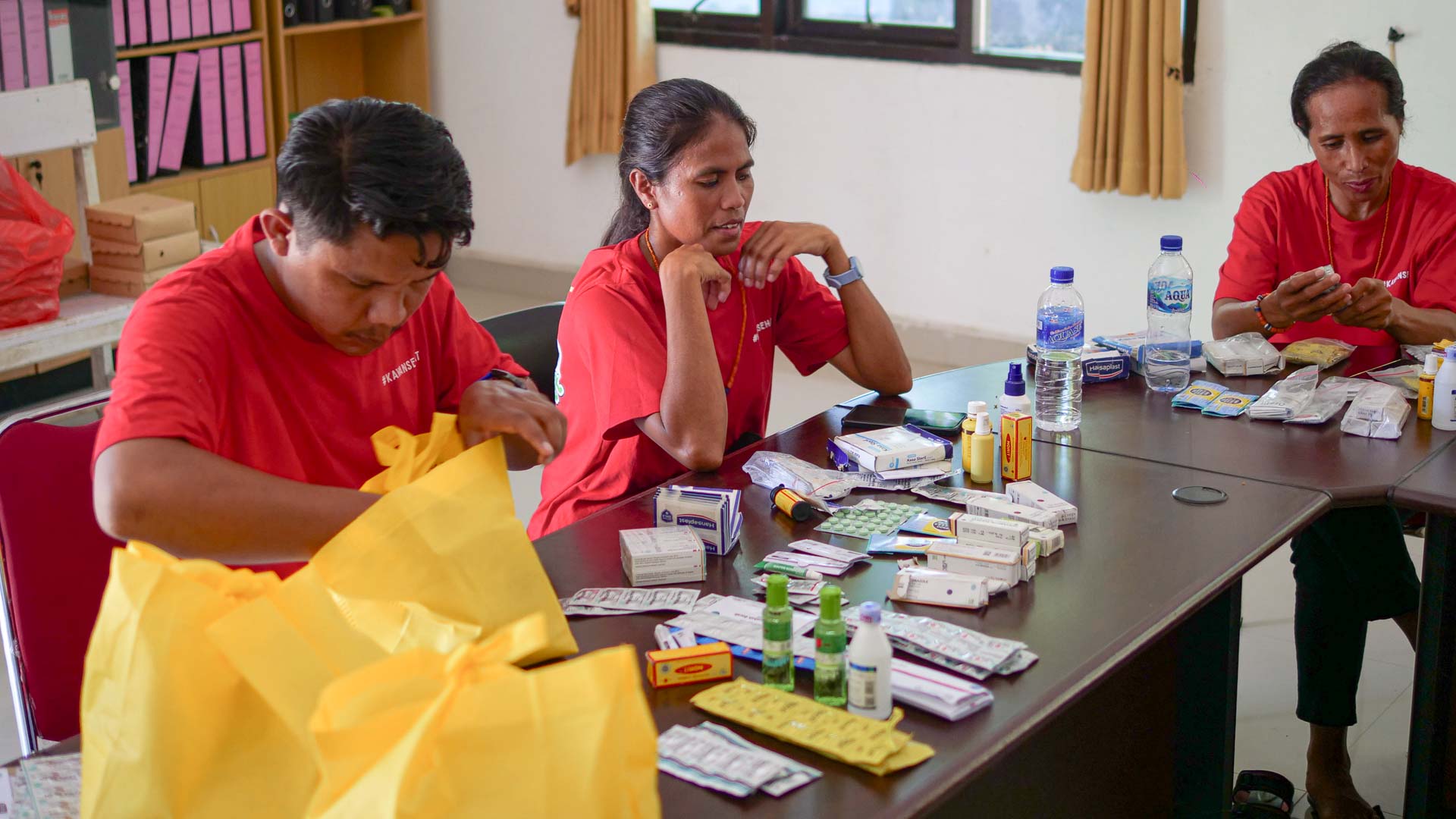
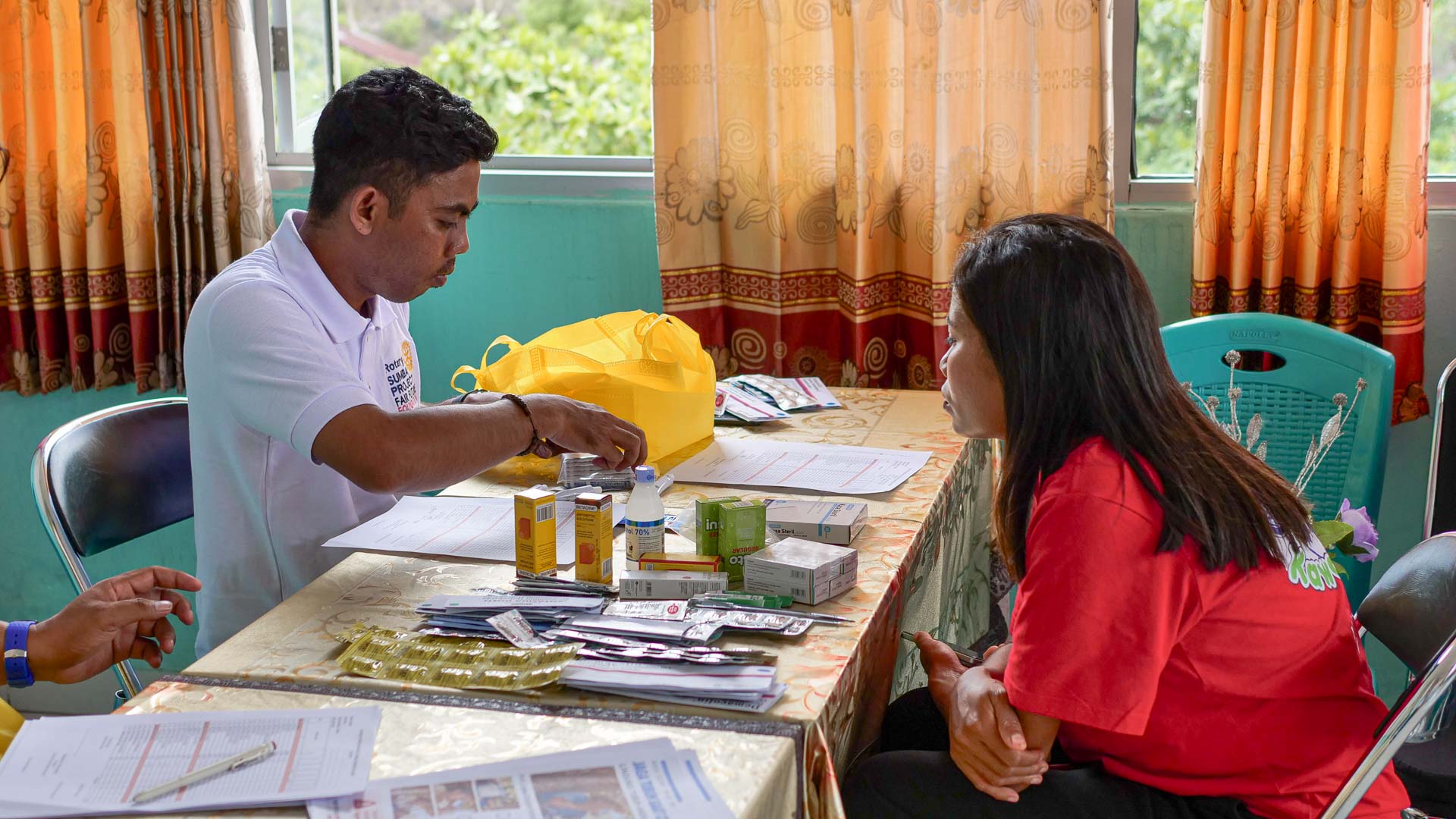
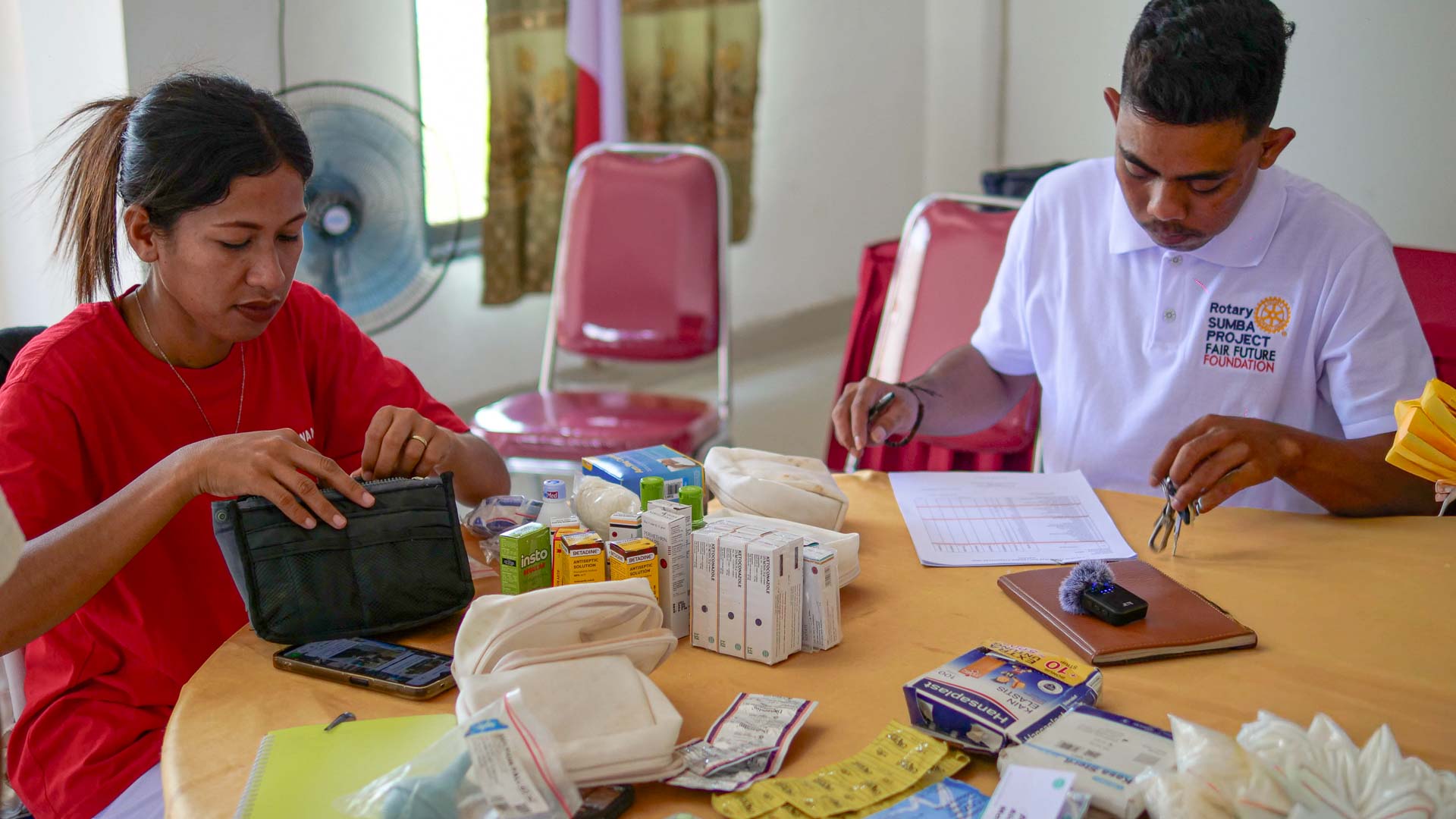
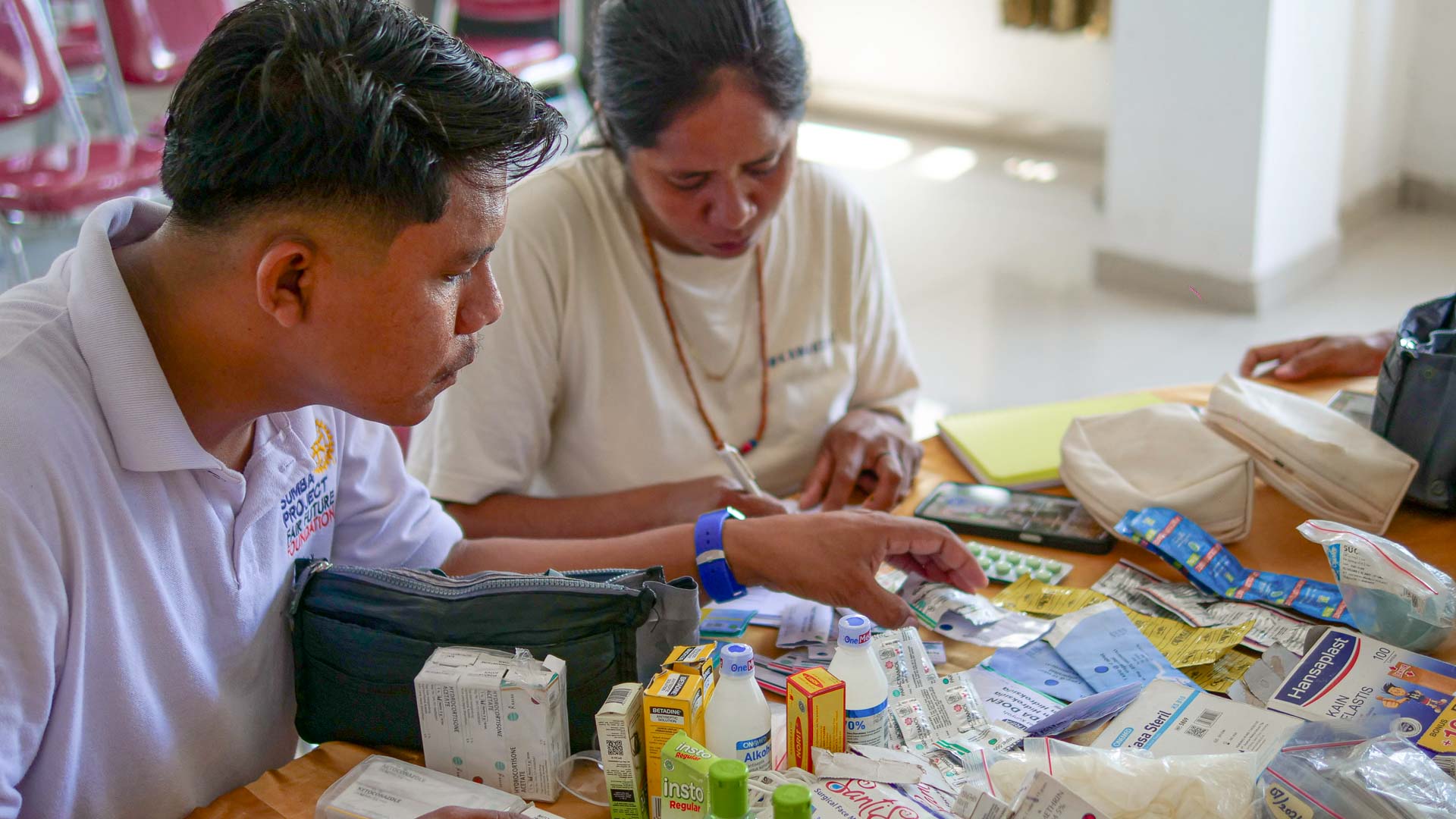
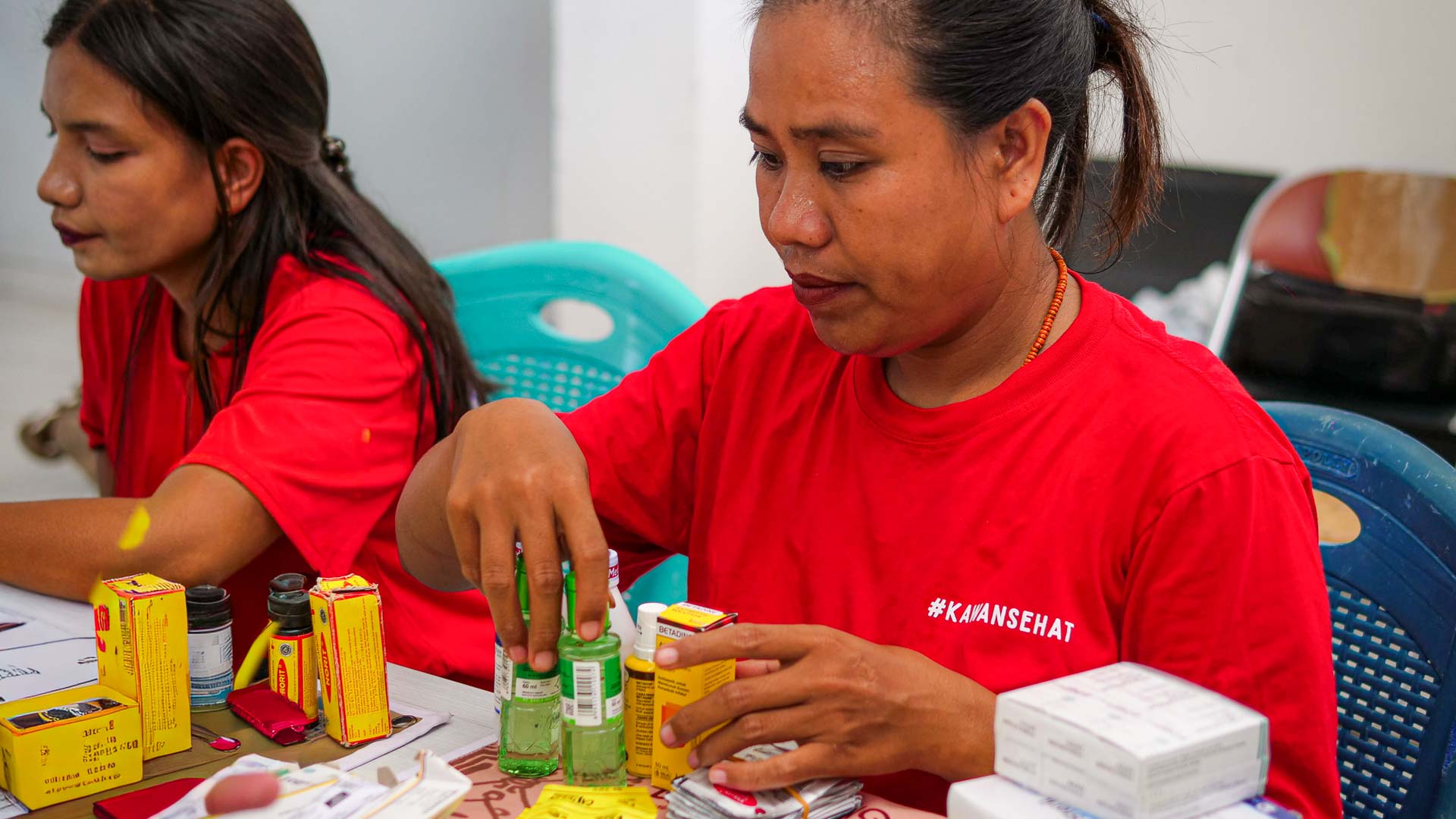
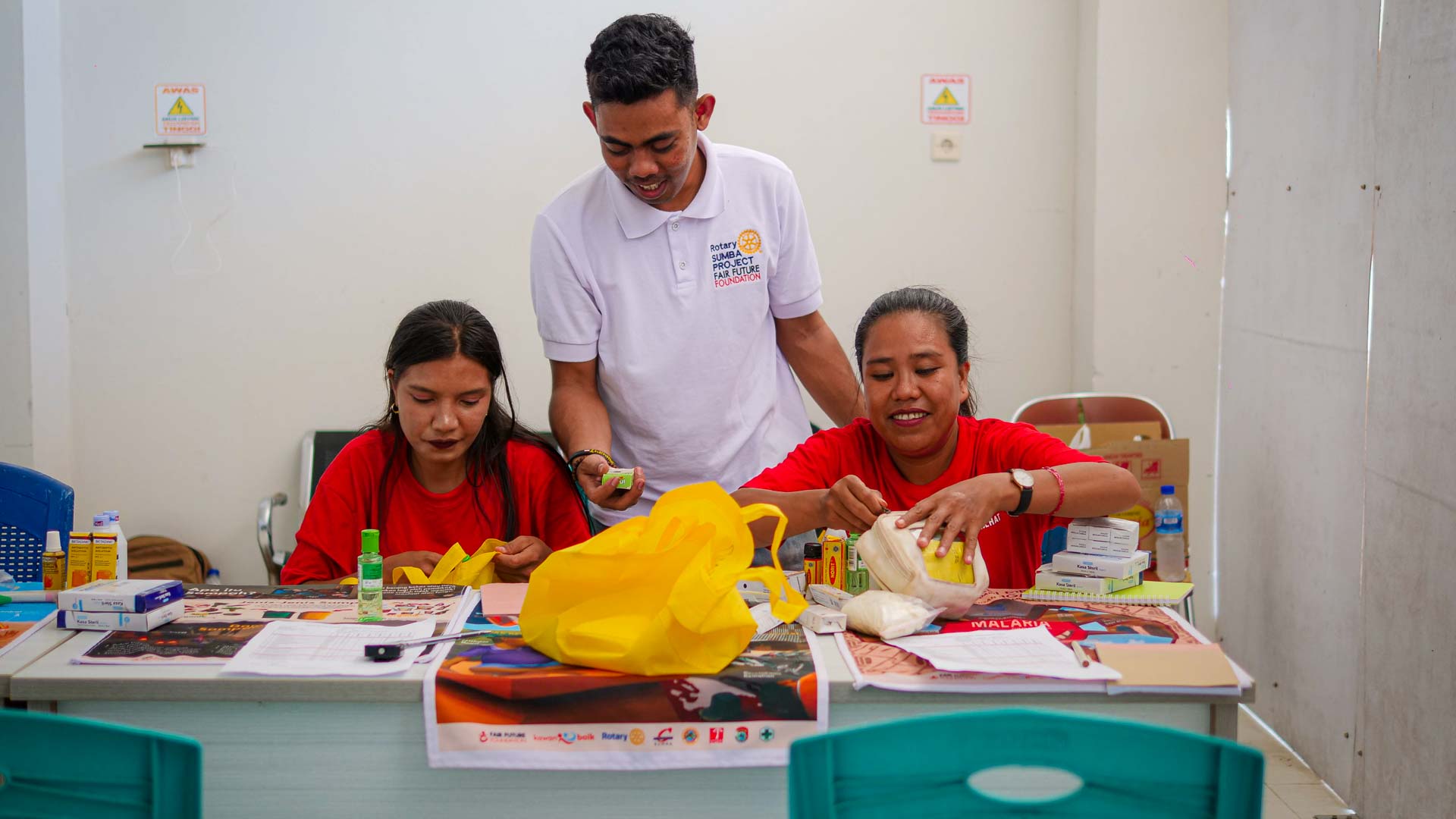
This November, we met all 27 Kawan Sehat health agents across seven public health centres. Working with Kawan Sehat in East Sumba means going back to the same centres to hear what is working and where the agents need more support. This time we brought medicines to replenish their stocks and listened to the cases they had come to discuss.
What we learned at seven health centres
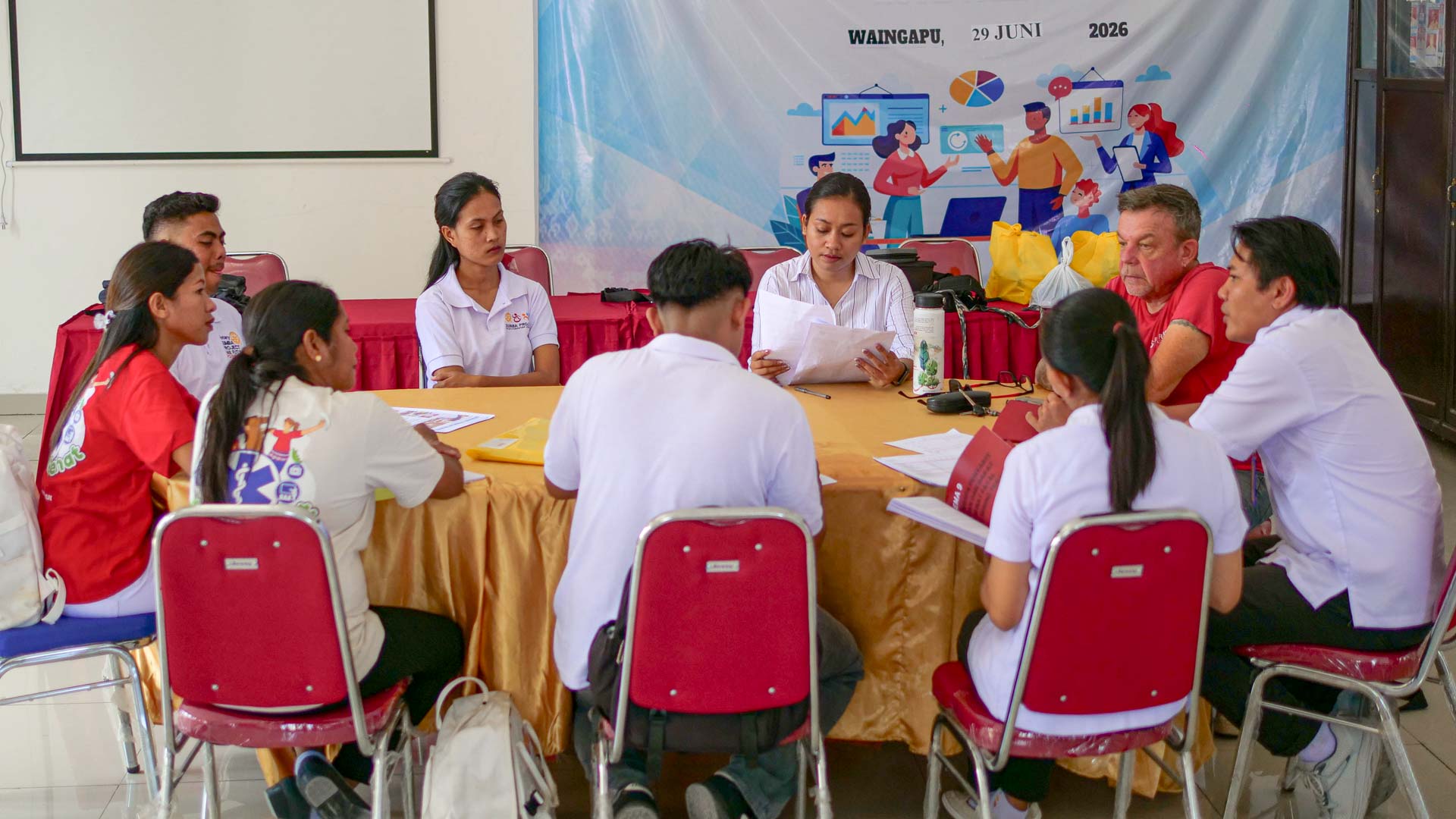
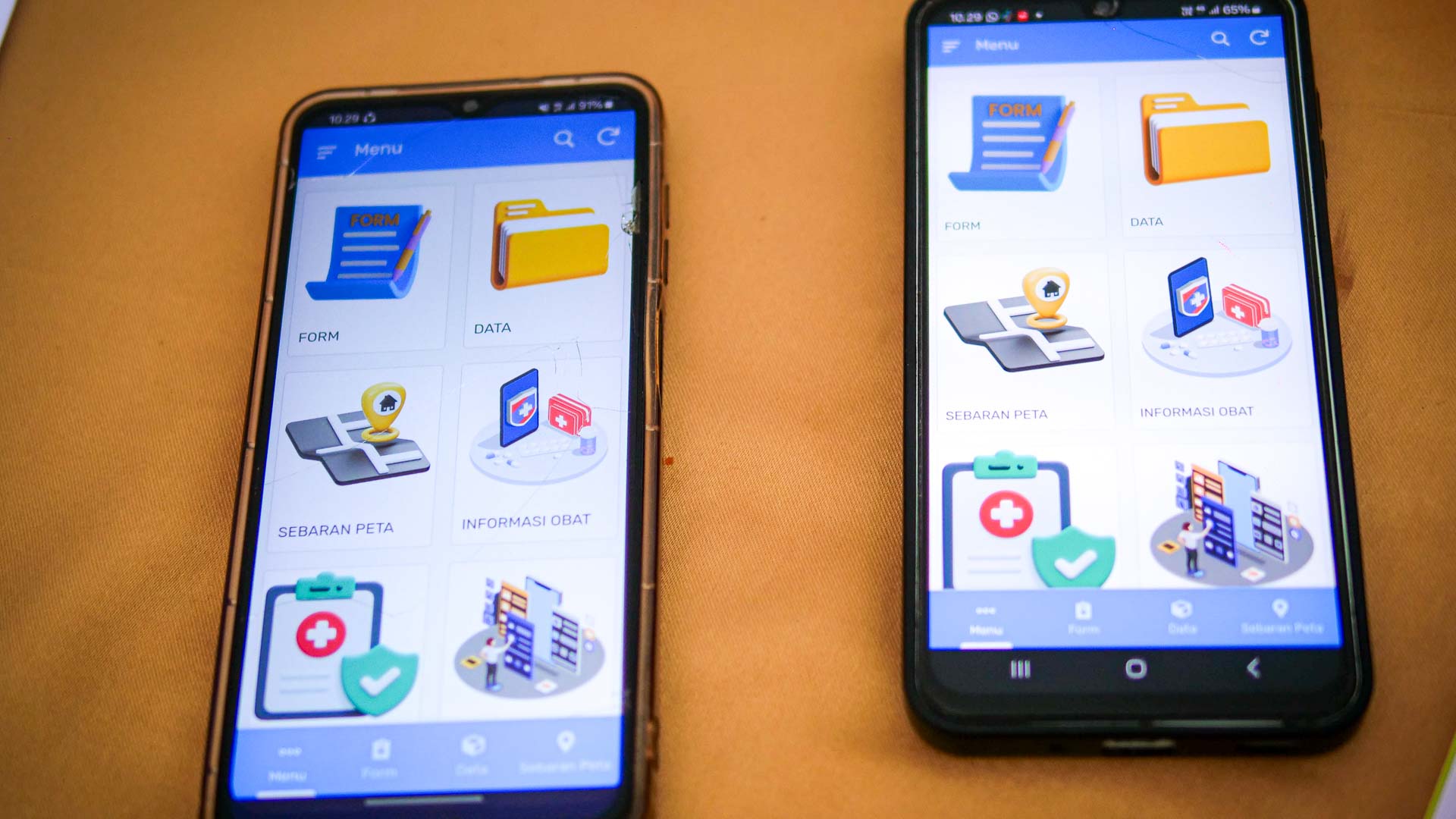
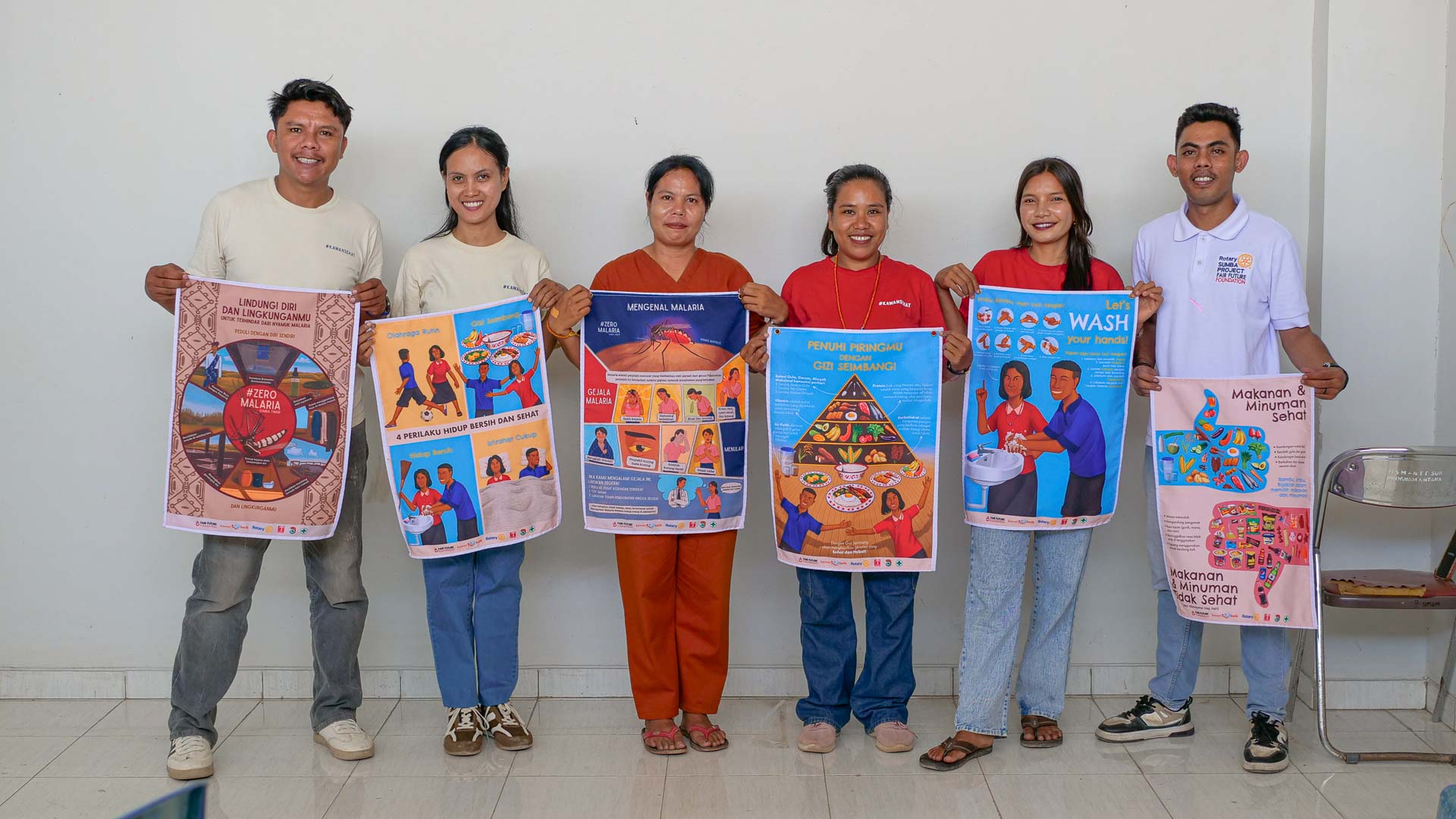
We visited Kataka, Kawangu, Lewa, Nggaha Ori Angu, Waingapu, Mahu and Rambangaru. We checked what the agents knew, answered their questions, and reviewed their medical backpacks and fabric posters together. We reviewed how they use the app today and began preparing for an updated version planned for 2027.
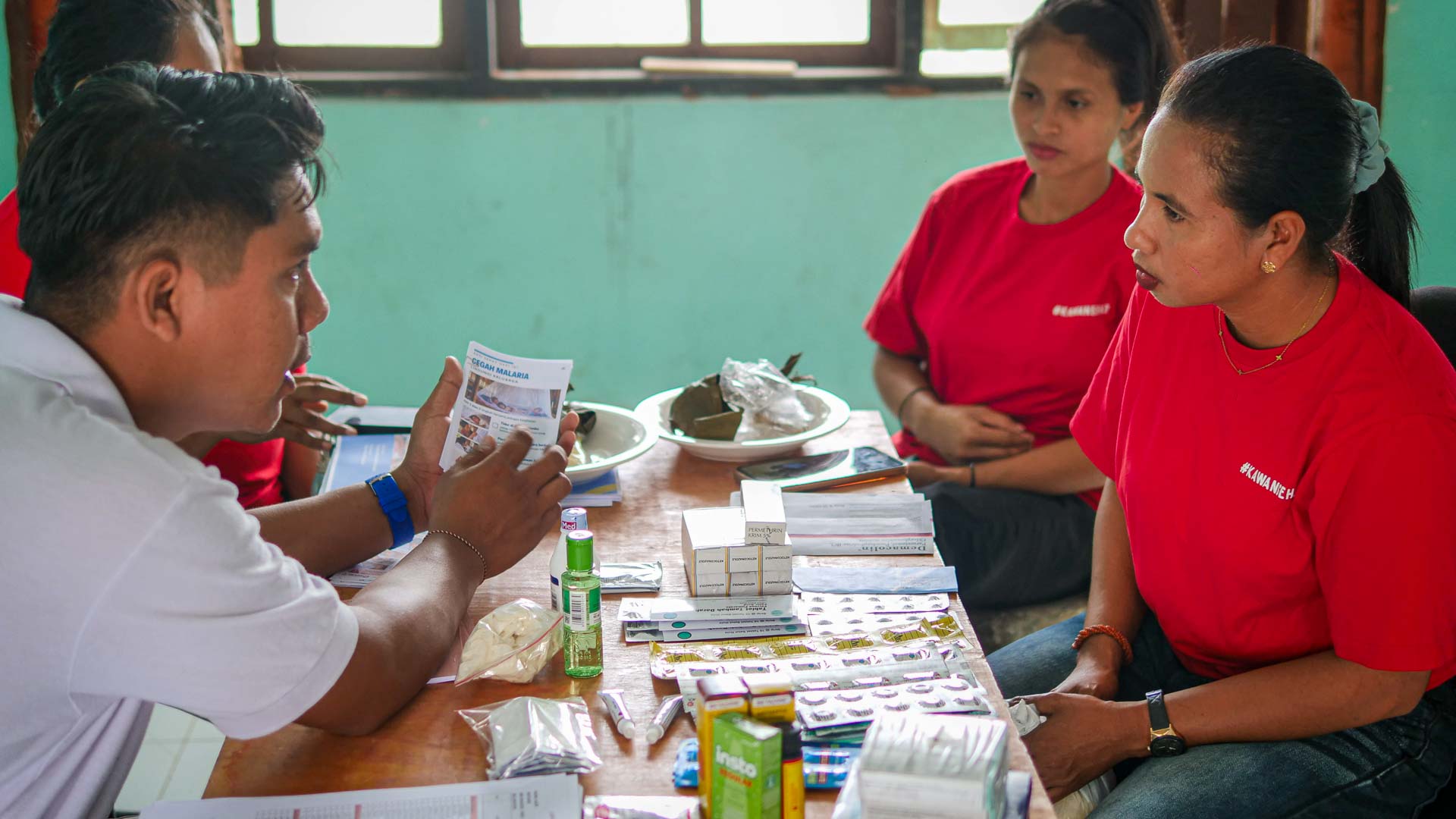
I wanted every agent to have time to talk about a case, whether it was difficult to manage, needed advice, or where the patient did well. Our field team reports that the agents see more than 1,000 patients a month. During these visits, agents described patients recovering and families changing some of their habits after a consultation. Those accounts tell us what to follow up. They do not tell us how many patients recovered or how consistently families could put the advice into practice.
Keeping the link with public care
We met the leadership and staff at each Puskesmas. These centres are part of Indonesia’s public health service and partner with Fair Future and Kawan Baik Indonesia in Primary Medical Care. When a director or team changes, we often have to explain the programme again, including what an agent can do in the village, who to call for advice, and how a patient can be referred when they need more care. That conversation matters. An agent should know whom to call before a difficult case comes through the door. Reviewing those details with a new team helps keep the referral route clear between visits. WHO guidance also stresses linking agents to the health system. We also introduced Putra, who is taking over from Erwin as field medical coordinator for Primary Medical Care. Erwin is leaving to continue his studies. I thank him for the work he has done with the agents and the health centres. This round of visits gave Putra a chance to meet the people he will be working with and hear directly what they need from the programme.
A prescription a family can use at home
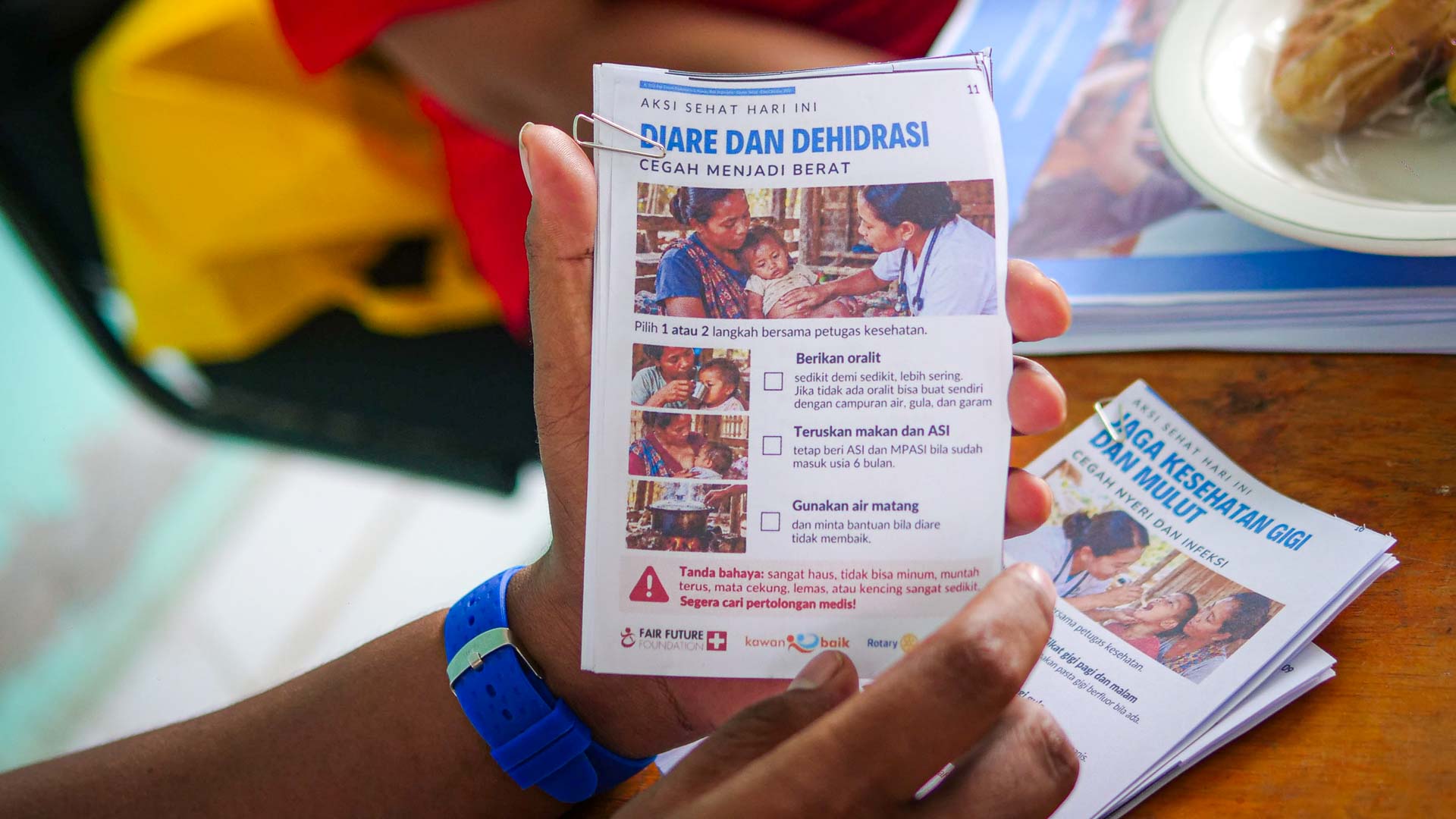
The agents now use our Good Health Prescription cards during consultations. The idea came from my daughter, Flavie Wettstein, an emergency nurse at CHUV in Lausanne. With our medical team, we developed 16 illustrated cards in Bahasa Indonesia. An agent and a patient choose one or two actions that fit the patient’s situation, such as washing hands with soap or reducing exposure to cooking smoke. The cards also explain when to seek help. Their purpose is to make prevention practical and avoid unnecessary medication. We don’t yet know whether using the cards has changed medication use. When treatment is indicated, the patient still needs it.
In remote villages, a trained neighbour with basic supplies can give first-line care and help a family seek further treatment before a condition worsens. That is what we want to keep within reach through Primary Medical Care. You can help by funding fabric or paper health posters, a medical backpack or a restock of essential medicines. Our Projects to Support page shows what each contribution can provide. 19 November 2026 | Alex Wettstein
What the November visits changed
In November, we met all 27 Kawan Sehat agents at seven public health centres in East Sumba. We reviewed real cases, checked backpacks and fabric posters, replenished medicines and went over the current app. We introduced Putra as Erwin’s successor. Agents are using 16 illustrated health cards to agree practical actions with patients alongside necessary treatment.
Kawan Sehat’s November visits to public health centres in East Sumba
Verified resources
- WHO | Community health worker programmes: WHO guidance on integrating community health workers with public services and supporting them through training, supervision and clear roles.
- WHO | Primary health care: WHO explains how primary health care brings promotion, prevention and treatment closer to where people live, with communities involved in care.
- Fair Future | Health prescriptions in Bidi Hunga: See how the first use of the illustrated cards at a community care day helped put practical advice beside assessment and necessary treatment.
- Fair Future | Primary Medical Care: Read how the programme connects local Kawan Sehat agents, referral partners and practical prevention in remote communities across East Sumba.
- Fair Future | Projects to Support: Find projects that equip local teams, from health education materials and medical backpacks to restocking essential medicines and supplies.
