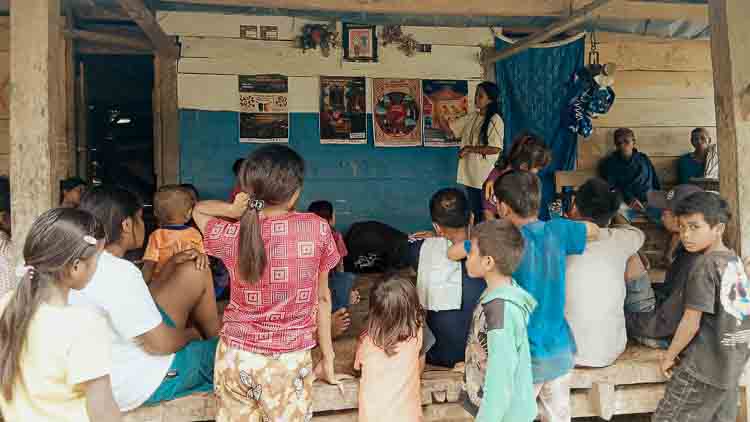



No Access to Healthcare in Rural Areas
A clinical reality beyond the last road
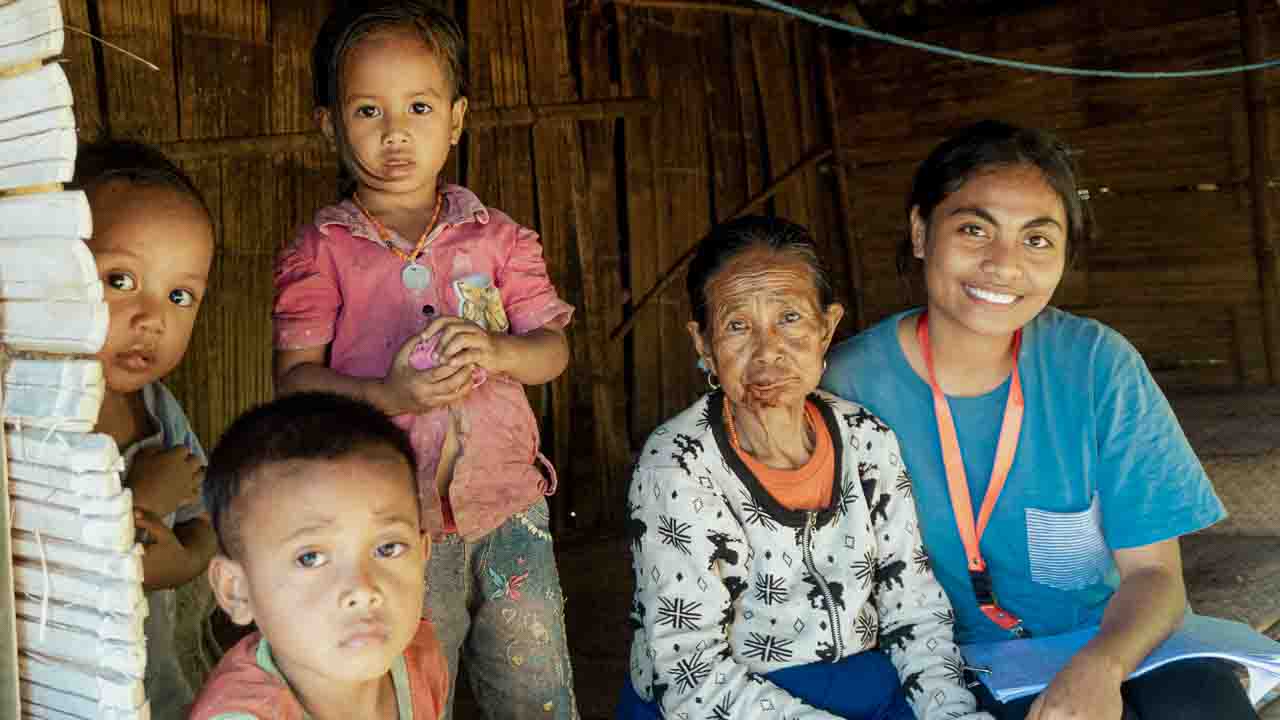
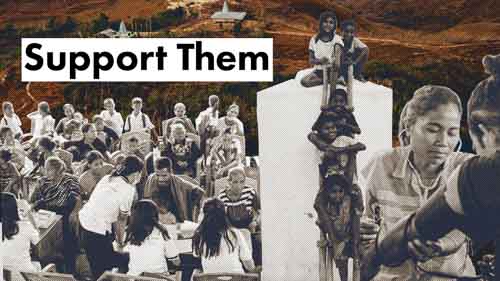
Fair Future Foundation teams provide primary medical care to families in an ultra-rural village with no access to healthcare.
When healthcare is absent, medicine becomes a matter of timing, distance, and presence.
In many low- and middle-income countries, lack of access to healthcare remains a primary determinant of avoidable morbidity and mortality. In ultra-rural regions of eastern Indonesia, including East Sumba, rural healthcare coverage effectively ends at the last accessible road. Large segments of the population live far from health facilities, trained personnel, diagnostic capacity, or essential medicines. In these settings, the lack of healthcare is not episodic. It is structural and continuous.
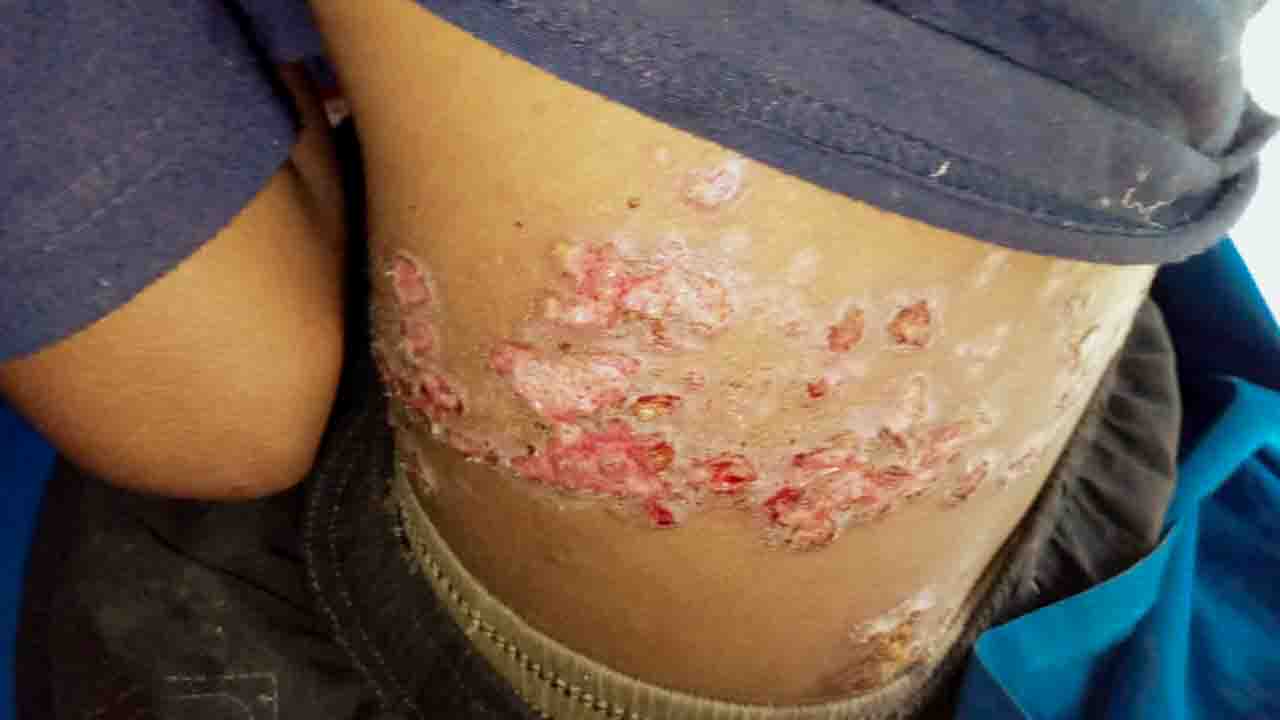
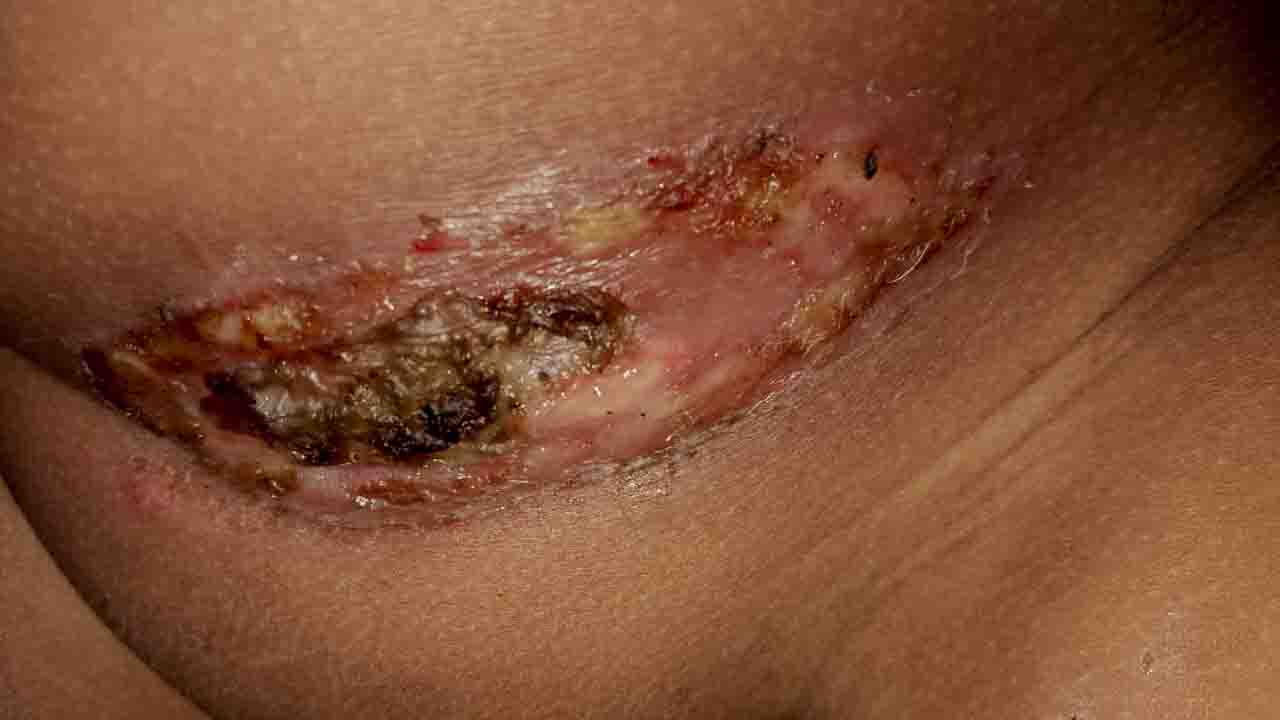
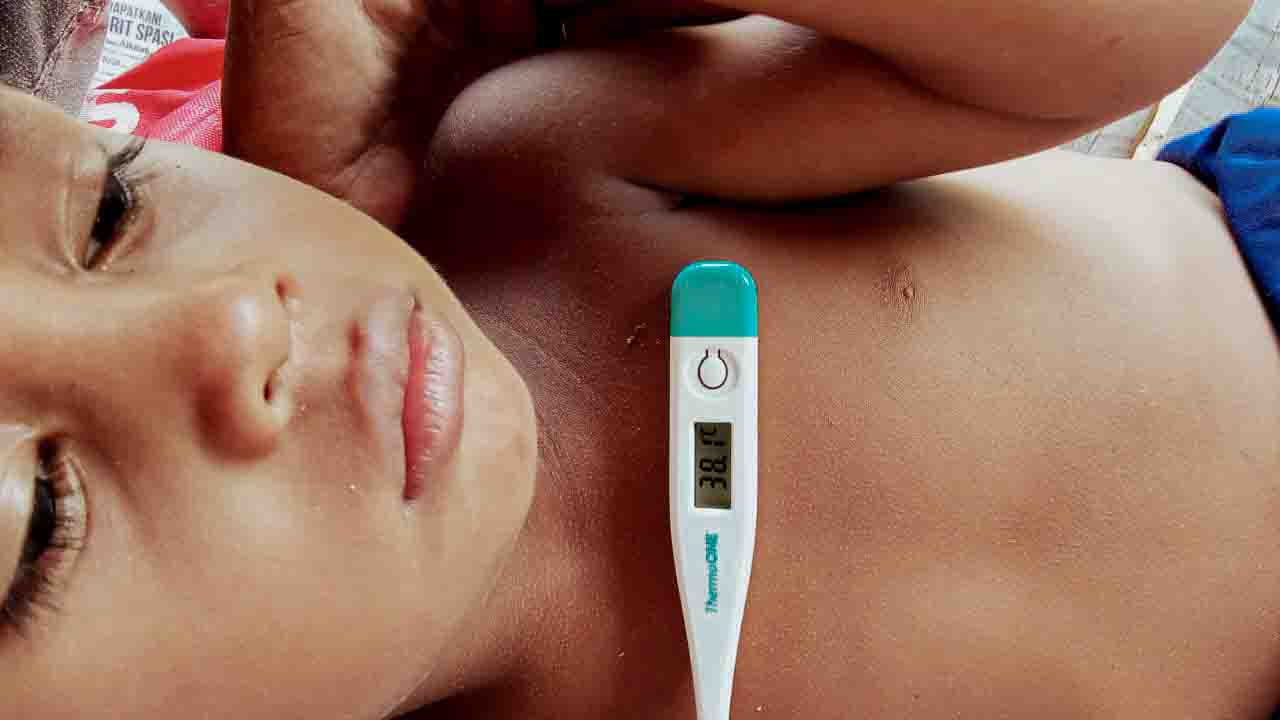
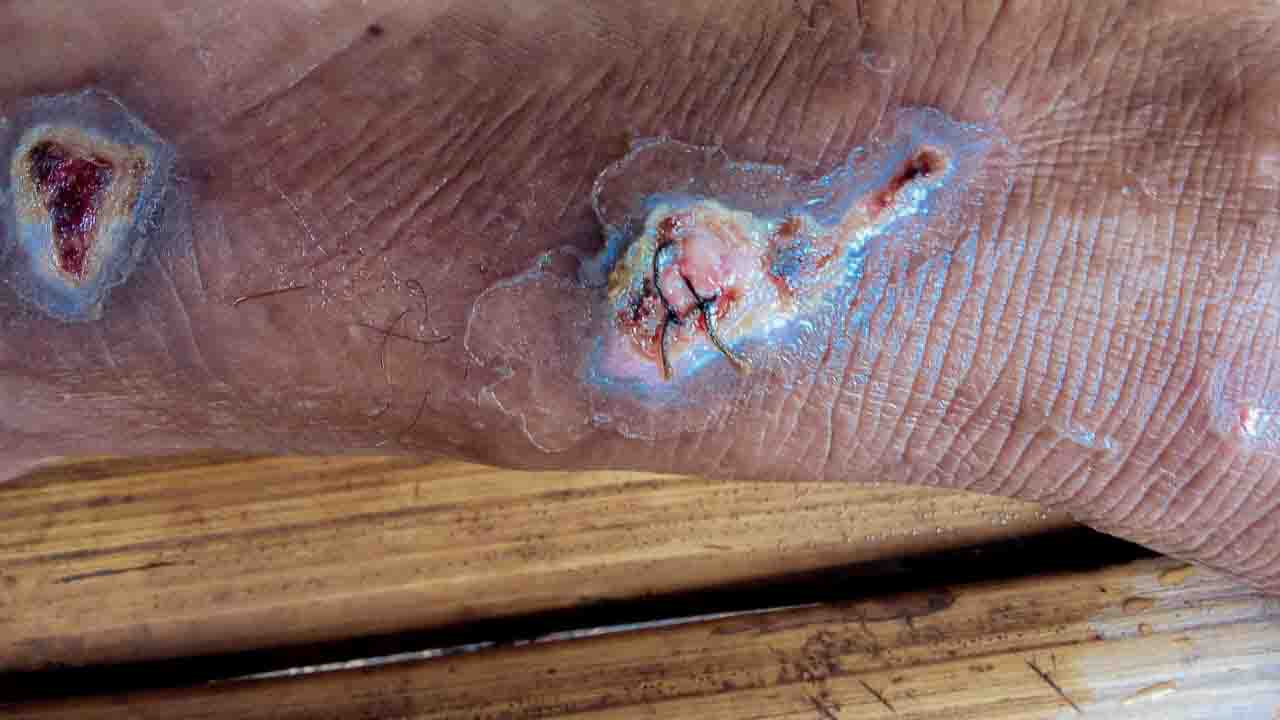
From a clinical standpoint, the consequences are consistent and predictable. Acute febrile illnesses are frequently left unmanaged in the early phase, delaying diagnosis of malaria, bacterial infections, or sepsis. Minor wounds progress to soft-tissue infections due to inadequate cleaning, antimicrobial treatment, and follow-up. Diarrhoeal diseases lead to dehydration, particularly among children, in contexts where safe water and oral rehydration are not reliably available. Pregnancy and childbirth occur without systematic antenatal care, skilled birth attendance, or referral capacity in the event of obstetric complications.
Mortality in these regions is driven less by disease severity than by delayed or absent care. The absence of early diagnosis, preventive interventions, and continuity of treatment allows otherwise treatable conditions to progress to severe or fatal stages. This pattern reflects a failure of healthcare delivery rather than a lack of medical knowledge. The burden of disease accumulates silently, outside formal health systems.
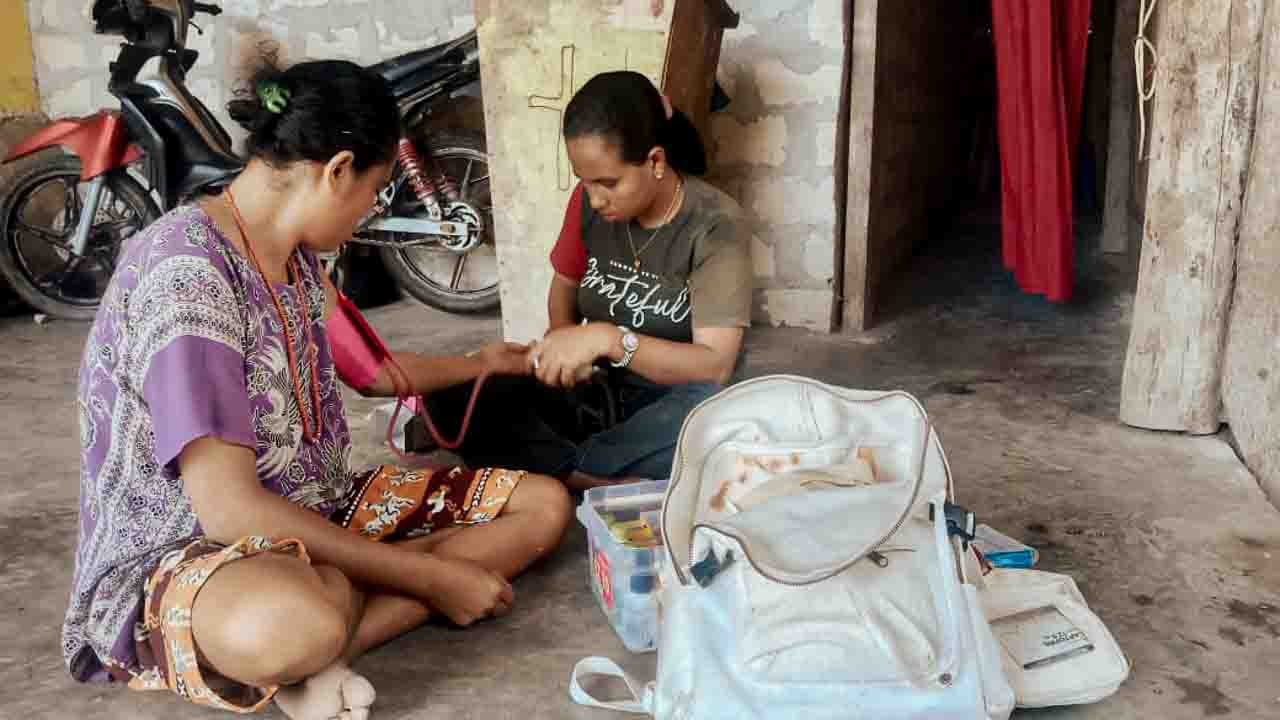
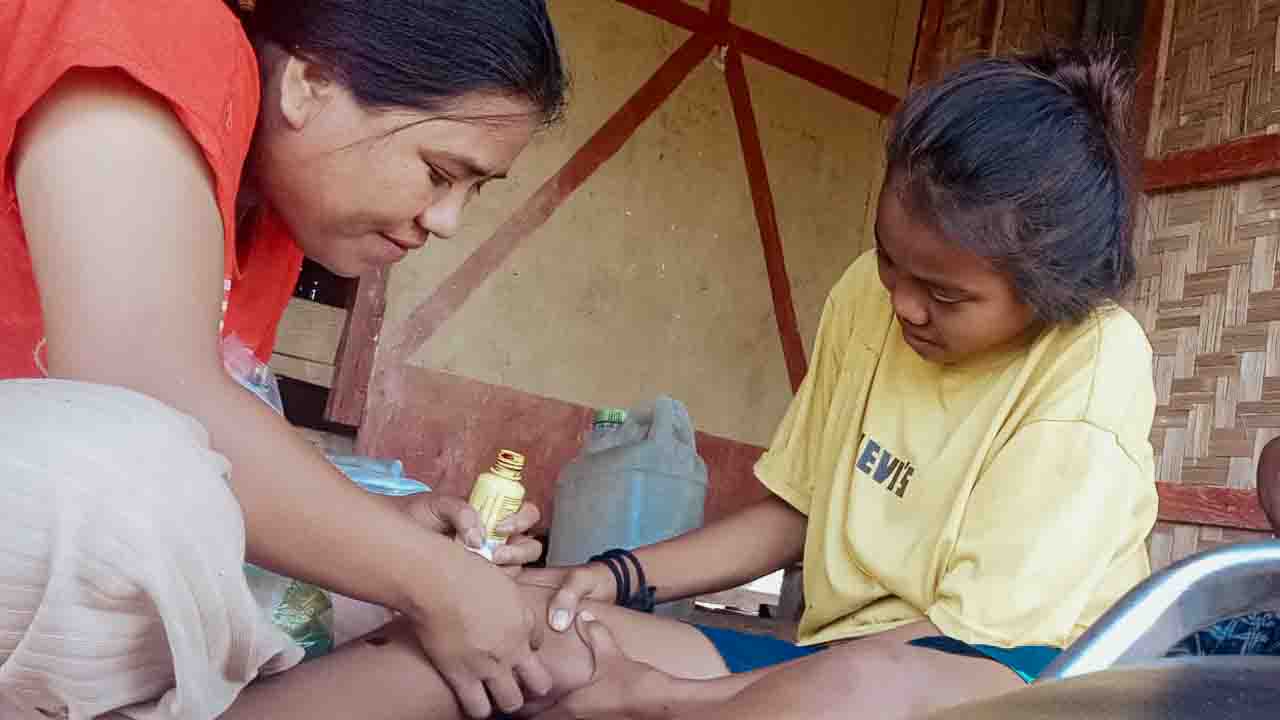
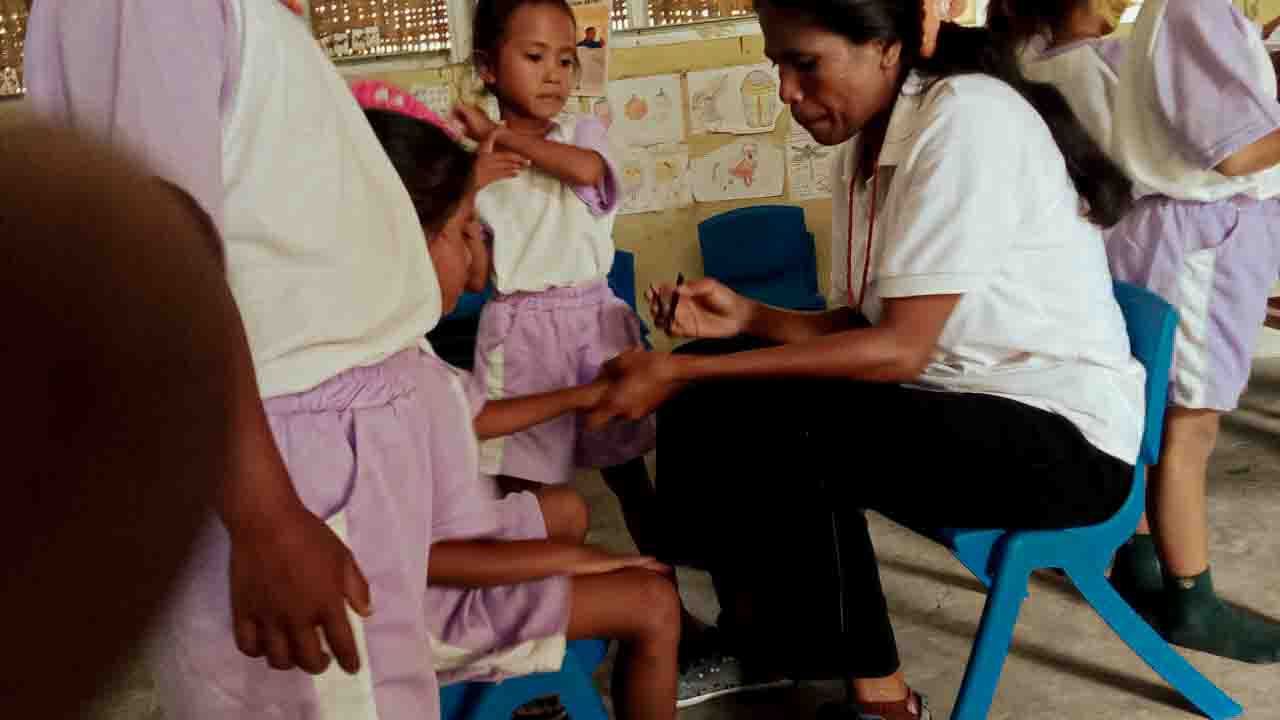
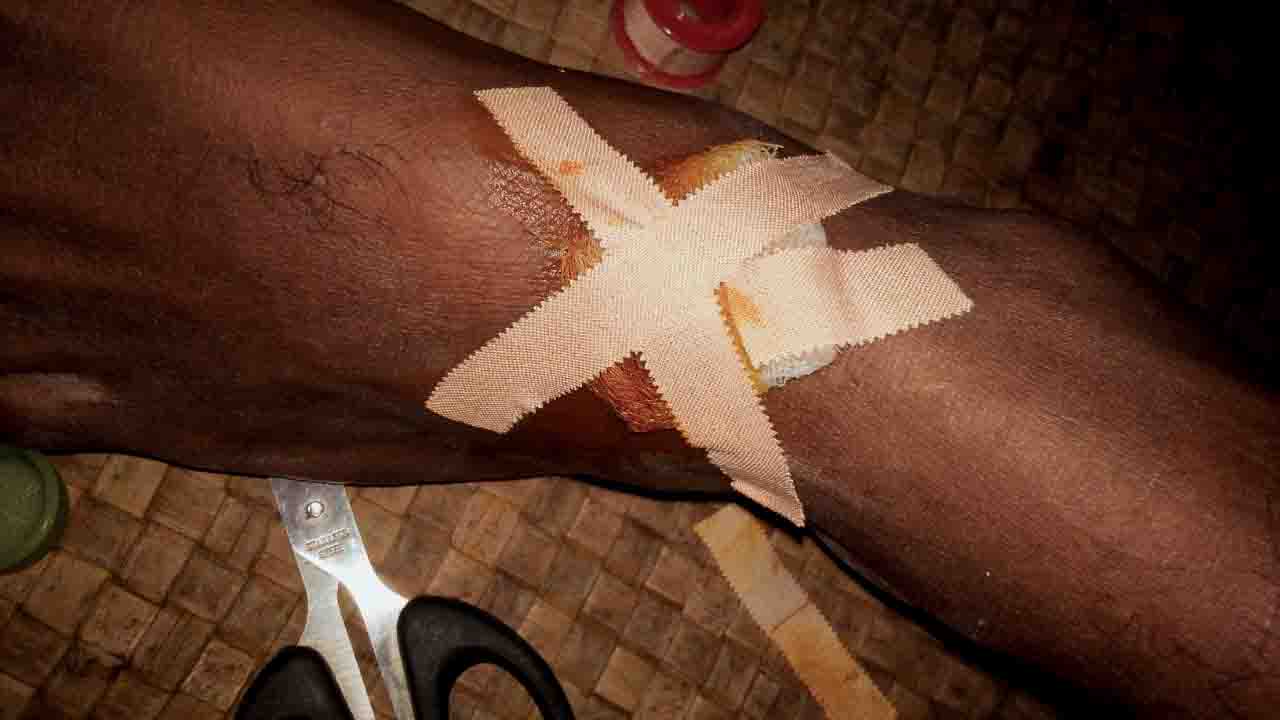
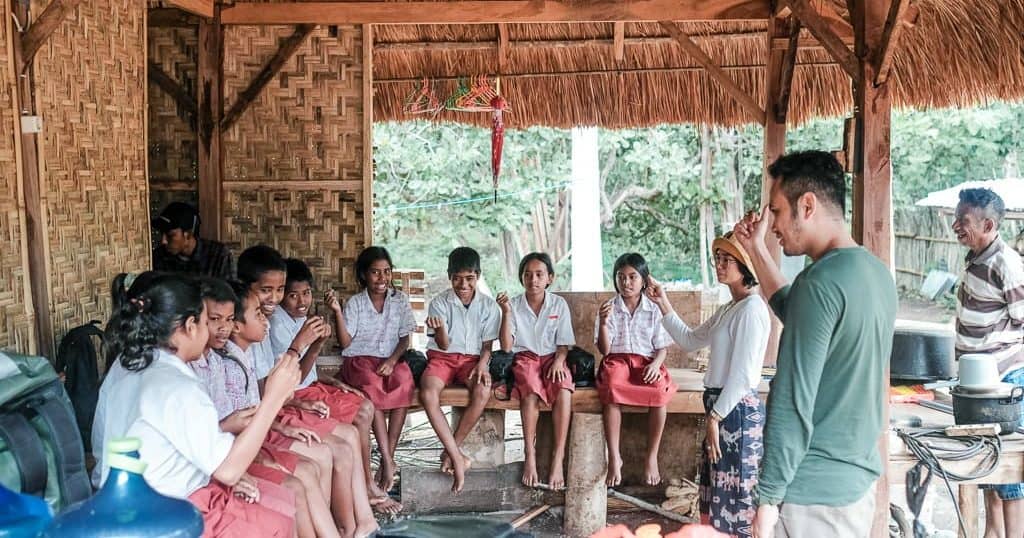
Fair Future Foundation operates within this reality through its Primary Medical Care programme. Trained Kawan Sehat community health agents deliver essential frontline services directly within villages, including basic clinical assessment, wound care, fever management, infection treatment, pregnancy monitoring, and referral identification. Clinical cases are reported daily via the Kawan Sehat application, enabling continuous supervision, treatment adjustments, and follow-ups. More than 1,000 patients are treated each month, addressing conditions that would otherwise remain unmanaged.
Guided by Swiss medical expertise, clinical protocols are adapted to resource-limited environments, prioritising safety, appropriateness, and continuity of care. Primary Medical Care does not substitute for secondary or tertiary services. It mitigates the most critical gap by restoring medical presence where healthcare systems do not reach. In contexts defined by the structural absence of care, sustained primary healthcare delivery remains one of the most effective interventions to reduce preventable illness and death.
Today, the 7th of January 2026 – Alex Wettstein
In Short – When healthcare never arrives
In ultra-rural regions, people do not die from rare diseases but from delayed or absent care. Fever, infections, wounds, and pregnancy complications progress without diagnosis, treatment, or follow-up. Primary Medical Care restores medical presence where health systems stop, reducing preventable illness and mortality through continuity, supervision, and field-based care rather than technology.
Clinical Reality of No Access to Healthcare

logo-transp-infomaniak

kbi-500×200-1


bcv-transp
cropped-sumba-photo-stories-100320-3.jpg
List of Related Organisations with Hyperlinks
- World Health Organisation – Primary Health Care: Global reference on primary health care as the most effective strategy to reduce preventable mortality in underserved populations.
- WHO – Universal Health Coverage (UHC): Explains why lack of access to healthcare remains a leading cause of preventable disease and death worldwide.
- The Lancet – Global Health Commission on Primary Care: Peer-reviewed evidence showing that the absence of primary care drives late diagnosis, complications, and avoidable mortality.
- UNICEF – Child Survival in Rural Areas: Documents how children in rural and remote communities face higher mortality due to a lack of basic medical services.
- World Bank – Access to Health Services: Data-driven analysis of how geography, poverty, and infrastructure limit access to healthcare in rural regions.
- Global Fund – Malaria and Health Systems: Shows how weak health systems and a lack of early diagnosis increase malaria mortality in rural settings.