

Donate
Support Care
Programs
All projects
Quick News
Field updates
Stories
Field stories
Fair Future Foundation, a Swiss-based non-profit, is an innovative force in global healthcare and social aid.
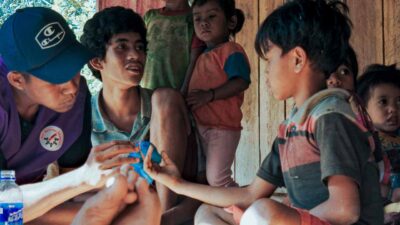
Learn more about our mission and how we work in the field.
We work in some of the most remote regions of Southeast Asia, where there are no doctors, no electricity, and often no clean water. For over sixteen years, Fair Future has been on the ground, creating long-term medical and social solutions with the communities who live here.
Through the Primary Medical Care programme, we treat wounds, infections, HIV, malaria, tuberculosis, and chronic illnesses directly in remote villages. With access to clean water, safe reservoirs, and nutritional support, communities can finally prevent disease rather than suffer from it.
Our approach is simple: stay close, listen, understand, and act with science and solidarity. Every action we take aims to strengthen families, improve health, and reduce preventable deaths.
Your support sustains this work. It transforms long days in the sun, muddy roads, and emergency care into measurable change for those with nowhere else to turn.
Help deliver medical care where no doctors work
Every contribution funds direct care in remote villages. Medicines, wound treatment, diagnostic tests, clean water systems, and solar-powered cold chains to protect vaccines and enable care at night.
Explore our field work and medical reports
Search our articles, field stories, medical updates, and project reports from the ground
Stories from the Field
Real moments from our medical and humanitarian missions in ultra-rural Indonesia. Nothing arranged — just life, as we live it with them.
 ▶
▶
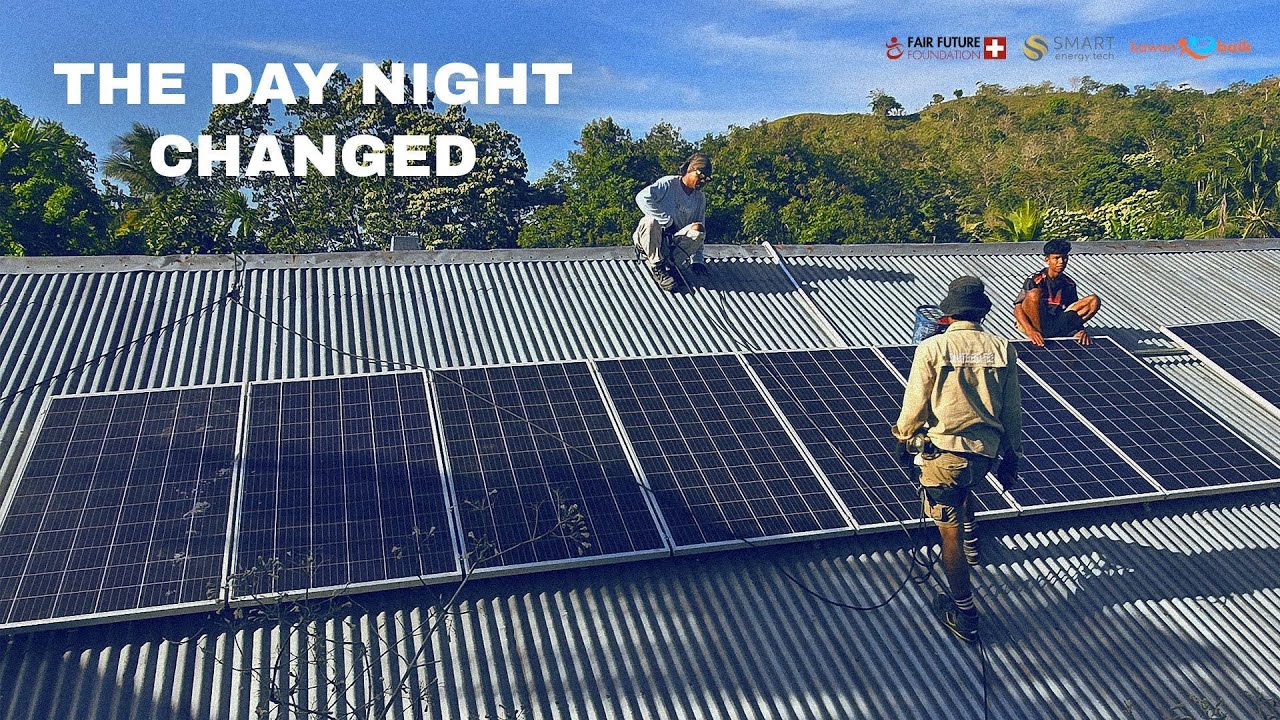
Nov. 2025 | The Day Night Changed
The film The Day Night Changed is now online. It shows how Mbajik School in East Sumba received electricity for the first time after five days of hard work with Smart Energy Tech and the villagers. The final scene shows the first cinema night ever held in Haray.
View the film on YouTube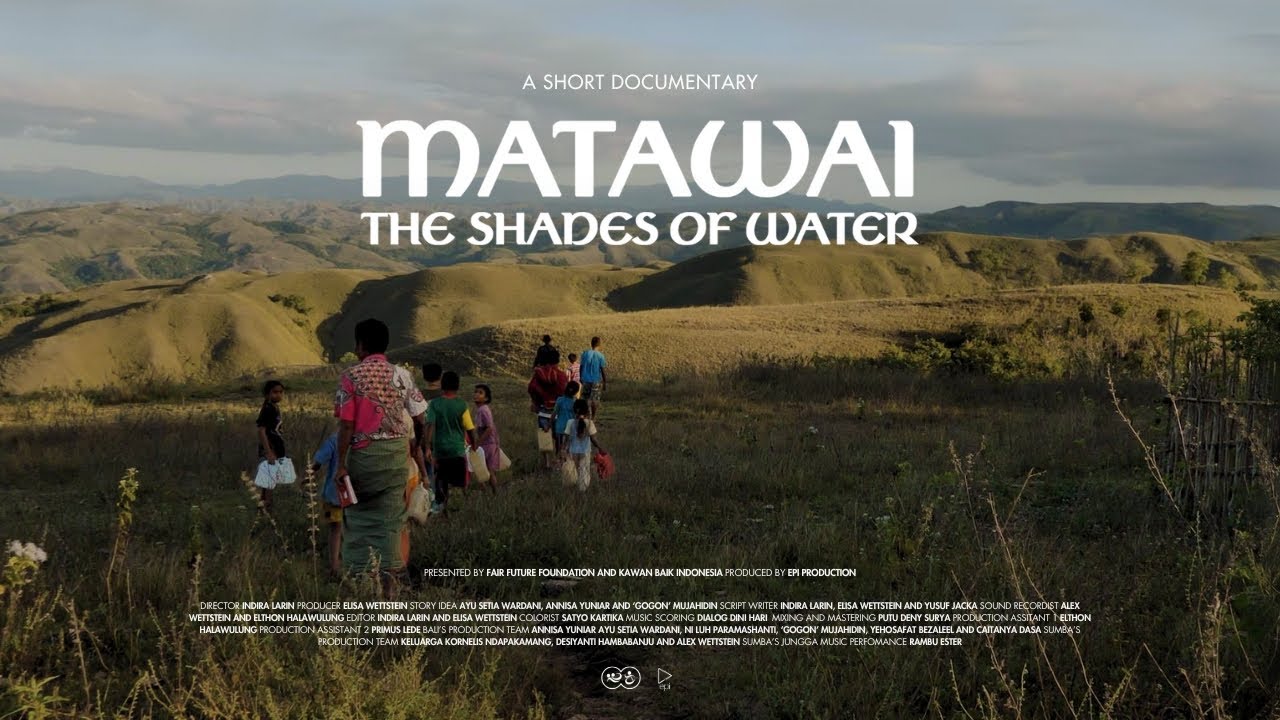 ▶
▶
Matawai, The Shades Of Water
Produced by Fair Future, this 15-minute documentary examines the daily struggle for access to water in the ultra-rural eastern Sumba region. Matawai reveals how the lack of clean water affects women and children, while also highlighting the vital impact of Fair Future's Water Connections programme.
Watch Matawai on YouTubeHow your donations are used?
Fair Future directs 93% of every donated franc to field projects, including medical care, clean water systems, and malaria prevention. Full financial reports are published and audited annually
%
Social and medical actions
%
Fundraising work
%
Field operations and management
WHAT WE ARE DOING NOW
Field stories of wounds treated, clean water built, and families protected
These articles are not reports — they are moments from the field. They show how we care for wound infections, bring clean water to villages, train health agents, and travel days to reach isolated families. This is the reality of our medical work.
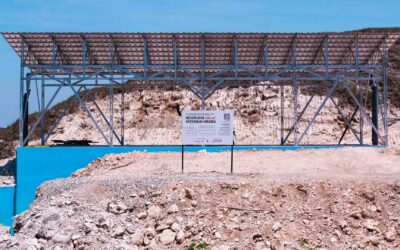
Laindatang Water Reservoir Report | 114.5 m³
Laindatang Water Reservoir Report documents the construction of a 114 m³ reinforced concrete rainwater system in East Sumba. Built to secure dry season water for more than 200 people and a local school, the reservoir is now full and operational, confirming structural reliability and community management.
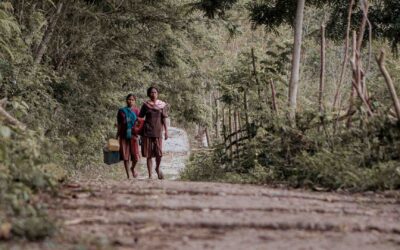
Hidden Cost of Delay in Rural Medicine | Access
The Hidden Cost of Delay in Rural Medicine shows how distance, financial barriers and time to first consultation transform mild illness into severe complications in East Sumba. Through Primary Medical Care, early intervention reduces avoidable deaths and restores timely access to treatment in ultra rural Indonesia.
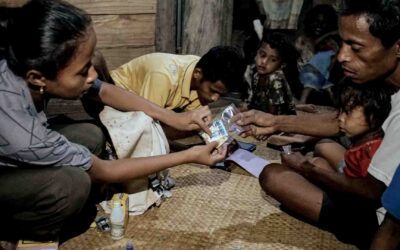
Community Health Brokers | Health System Model
Community Health Brokers operate as a structured health system in ultra rural East Sumba, managing 700 to 1000 consultations monthly. With 80 percent of cases resolved locally under supervision, this Primary Medical Care model reduces preventable hospitalizations and strengthens healthcare access.
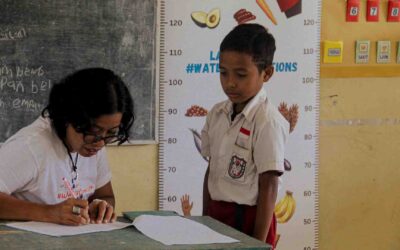
Malnutrition Is an Infection Multiplier | Child Immunity
Malnutrition is an infection multiplier in East Sumba, where one child in three faces growth delay. Undernutrition weakens cellular immunity, increases infection severity, and turns common illnesses into life-threatening complications. Restoring nutrition means restoring immune defense and survival.
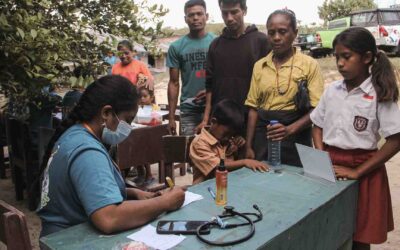
Antibiotics Without Laboratories | Rural Care
Antibiotics without laboratories define daily medical reality in remote East Sumba. Severe infections cannot wait for cultures that do not exist. We treat empirically, guided by clinical expertise, local epidemiology, and strict protocols designed to protect both patients and global antimicrobial effectiveness.
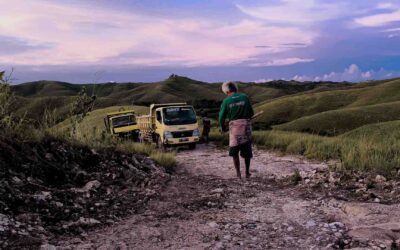
Health Without Infrastructure Fiction | Rural Care
Health Without Infrastructure Fiction describes a simple reality in ultra-rural East Indonesia. When roads, water, and electricity are absent, diagnosis is delayed and preventable disease becomes lethal. Infrastructure is not secondary to healthcare. It is healthcare.
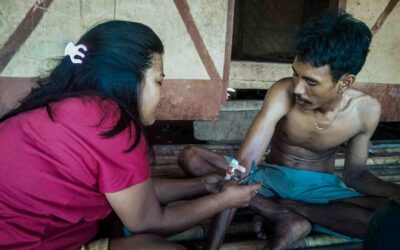
Preventable deaths are geographic | Delay to care
Preventable deaths are geographic in ultra rural Indonesia. The decisive variable is not pathogen biology but time to first medical contact. When fever, cough or diarrhea begin, hours matter. In many villages, care is days away. Reducing delay is the most direct way to reduce mortality.
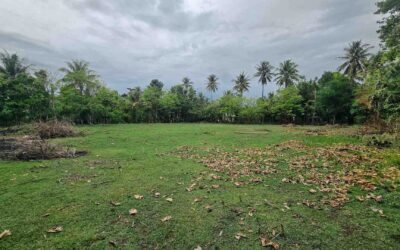
Socio-Medical Base Concept 2026 Released in Sumba
The Sumba HQ Concept 2026 marks a decisive step forward. Rumah Kambera can no longer sustain our medical and social operations. Too small, structurally exhausted, and limiting our impact. With land secured in Kawangu, this new socio medical base is designed to strengthen healthcare access and long term field presence in East Sumba.
OUR 2025 IMPACT IN REMOTE VILLAGES
Medical consultations delivered in ultra-rural villages where no doctor, no clinic, and no alternative care exists.
Litres of safe water storage built or funded, helping families drink, cook, and wash without preventable disease.
People reached through daily health education on hygiene, malaria prevention, clean water, and basic nutrition.
Children who can now study, read, and move safely after dark thanks to clean, reliable solar light at home and school.
Annual Report 2025– 18th Years of Concrete Action
Read Fair Future’s 2025 Annual Report, our detailed record of fieldwork in East Sumba: primary healthcare, clean water access, nutrition, education, and community action in the most isolated areas. The 2025 Annual Report is now available in French and English.
→ Open the 2025 Annual Report
Discover our work in images
Fair Future Foundation – Field Documentation
Keep in Touch via Instagram
Real moments from our medical, water, and community missions in ultra-rural Indonesia. Nothing staged — just the daily reality of our work on the ground.