


This image is in 1920×1080 resolution. Click on it to enlarge and view at full size.
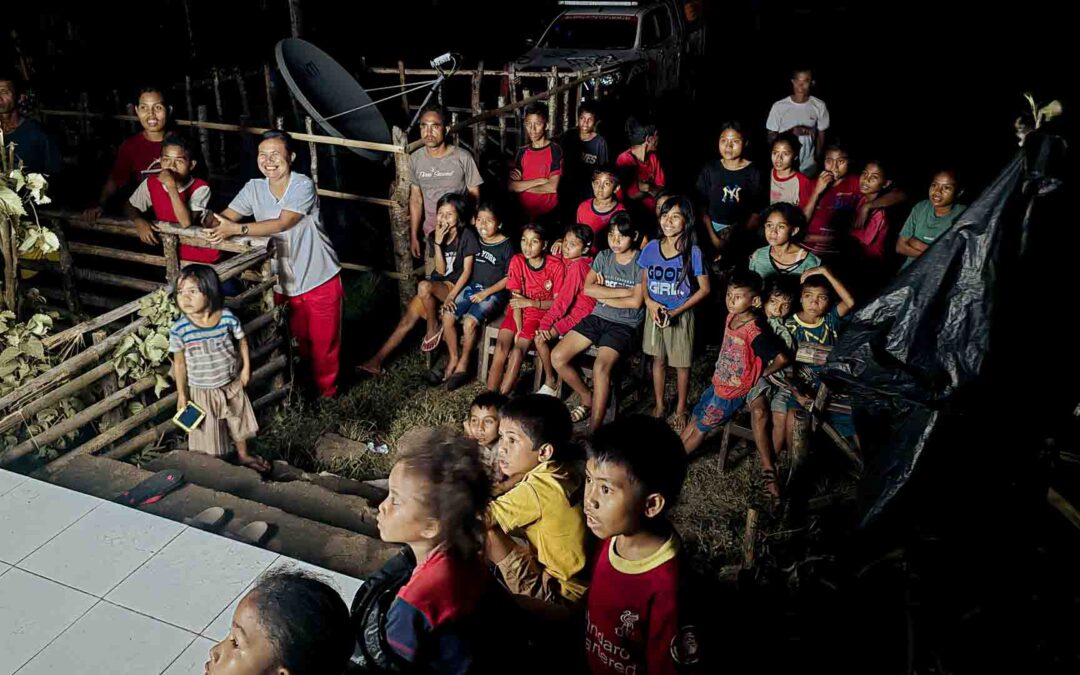
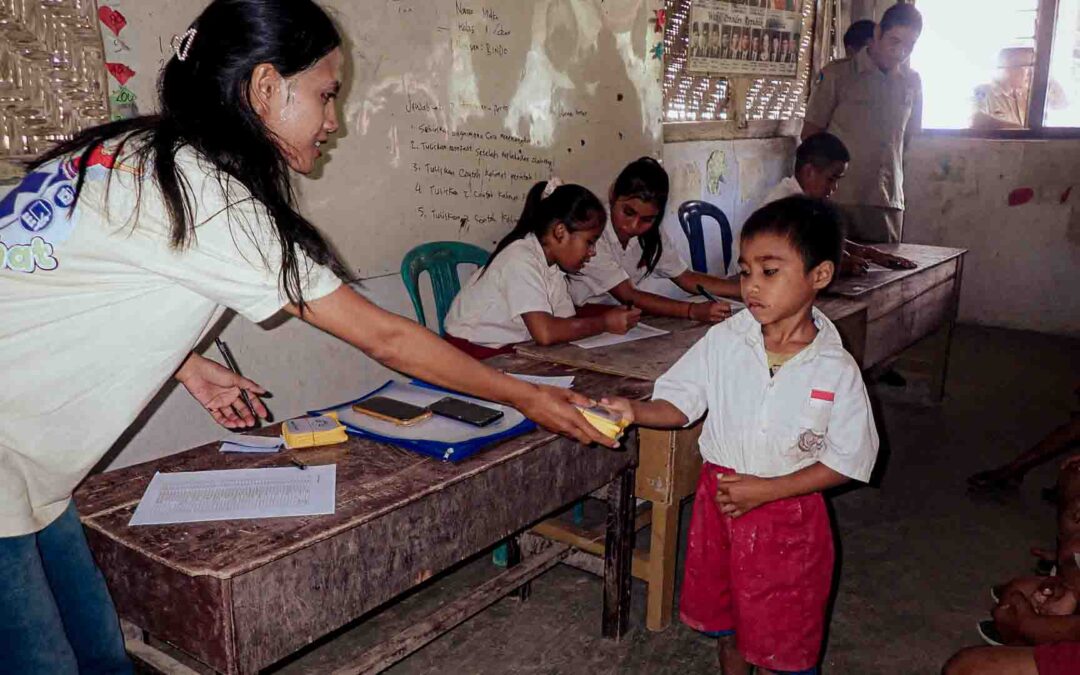
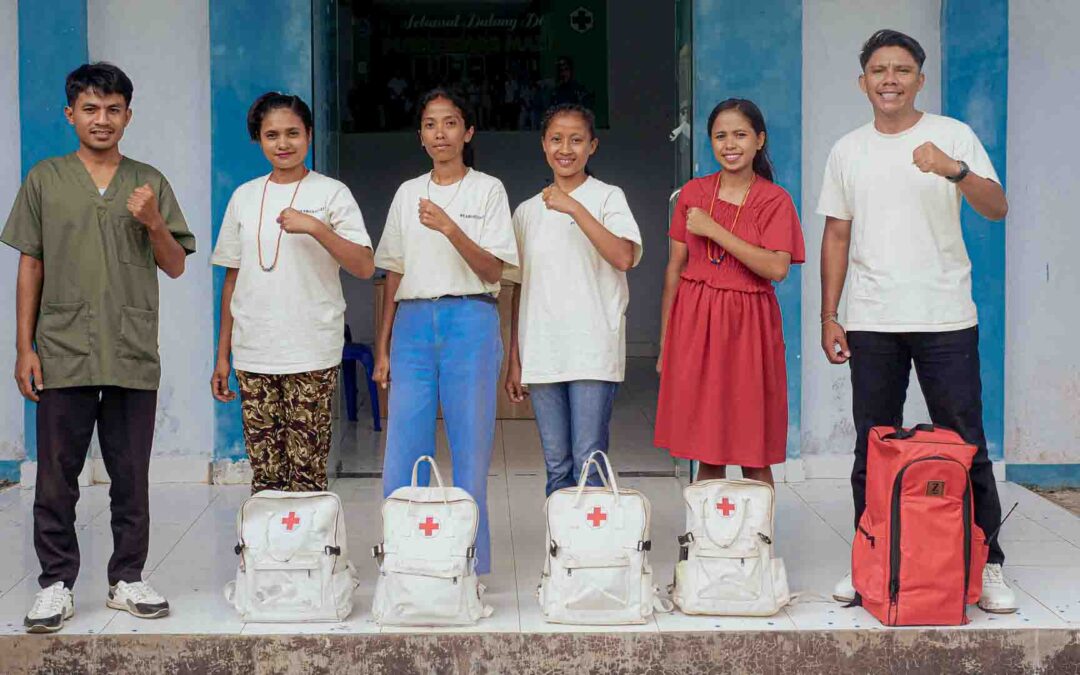
Medical teams conduct rapid malaria testing and education in remote villages to protect children and vulnerable families.
This new Photo of the Day captures a moment that repeats itself in many small villages across East Sumba, yet never becomes ordinary.
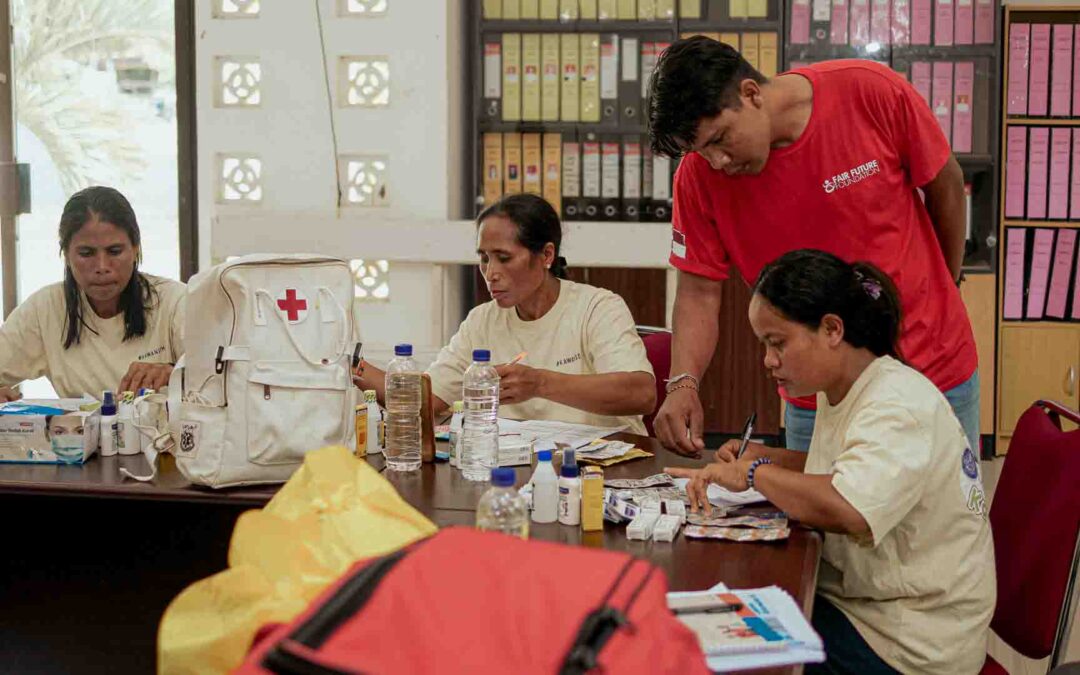
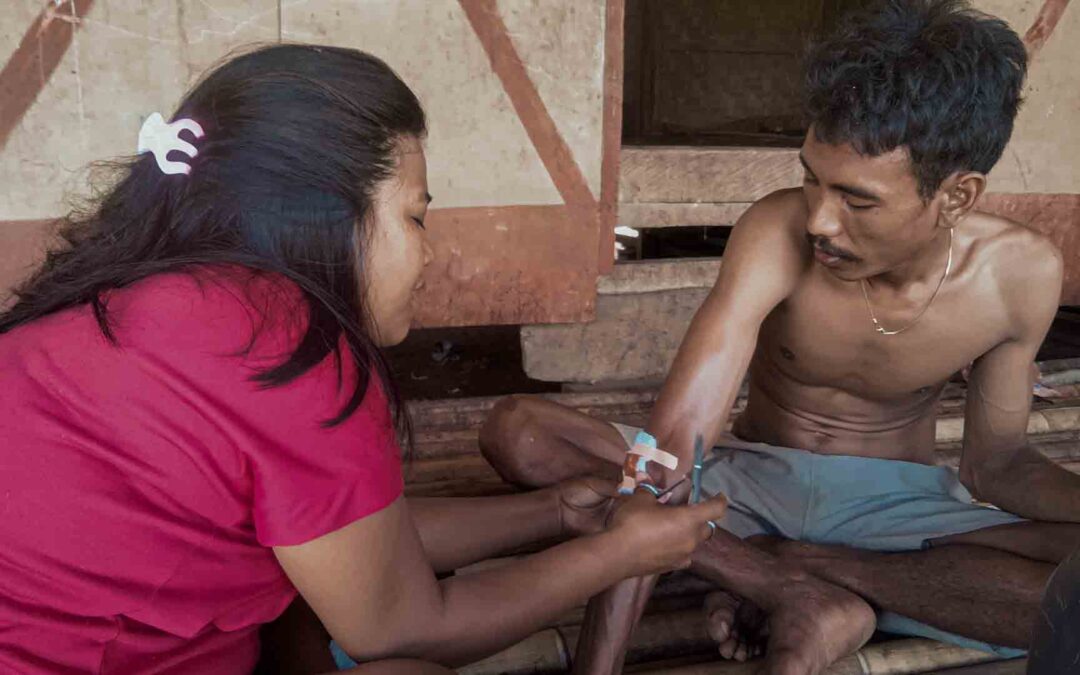
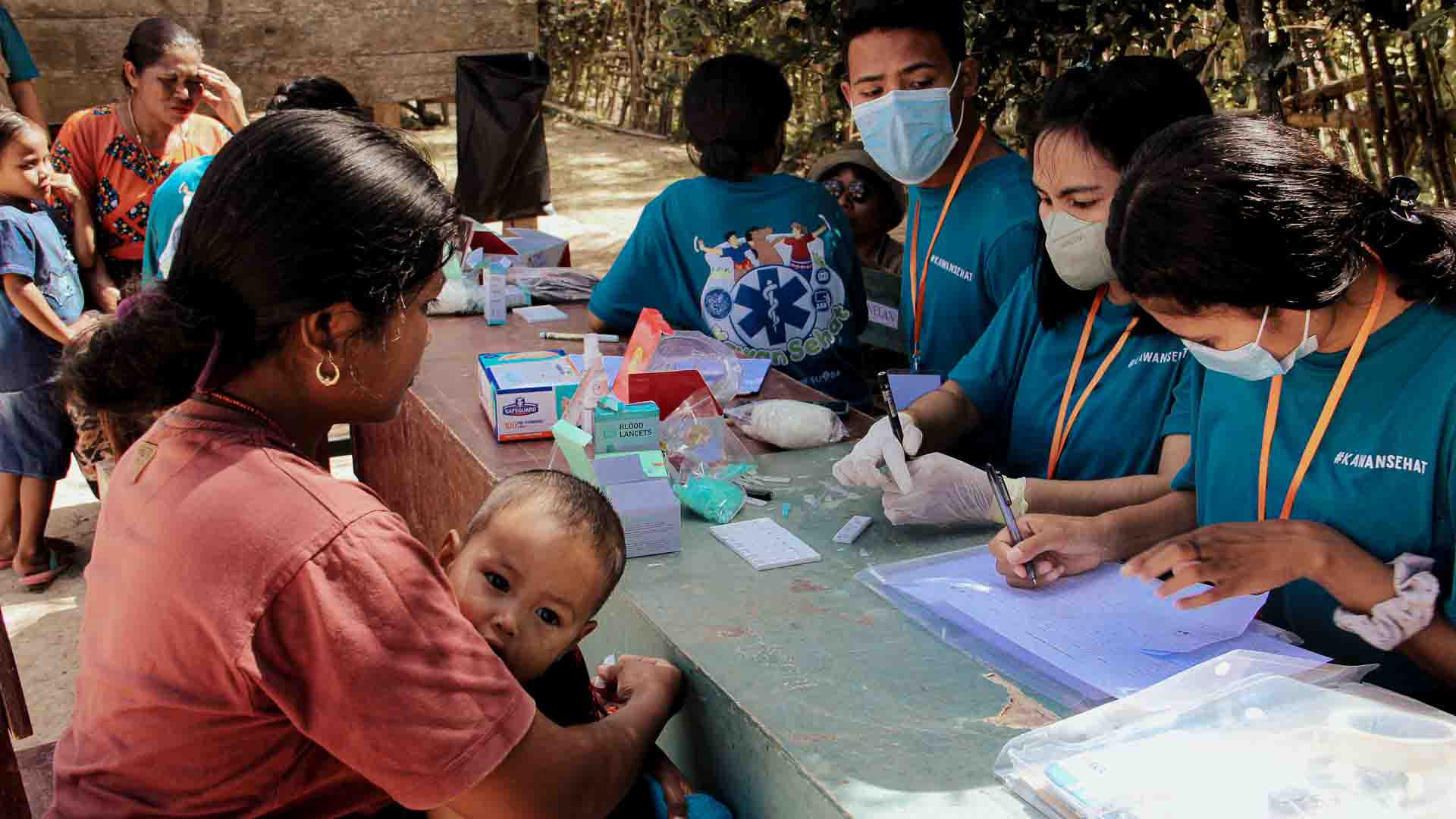
Under a simple wooden shelter, our Kawan Against Malaria teams are conducting rapid diagnostic tests for malaria. Malaria is a disease caused by parasites transmitted through the bites of infected mosquitoes. Despite being entirely preventable and treatable, the disease remains a significant burden in regions like East Sumba due to its endemic nature and resistance to eradication. Fair Future and Kawan Baik Indonesia foundations have been working diligently on this for nearly four years. While significant progress has been made, the battle is far from over.
In this image, you see a mother holding her young child. The test comes back positive. This scene captures why malaria remains so perilous. Young children and pregnant women, among the most vulnerable groups, are often the first to be affected. In these remote areas, healthcare access is frighteningly limited. There are no nearby health facilities, no stock of essential medicines, and no insurance system to help absorb medical costs. When illness strikes, families often wait too long to seek help, and mortality remains high. Not due to ignorance of the disease, but because treatment and prevention measures are delayed.
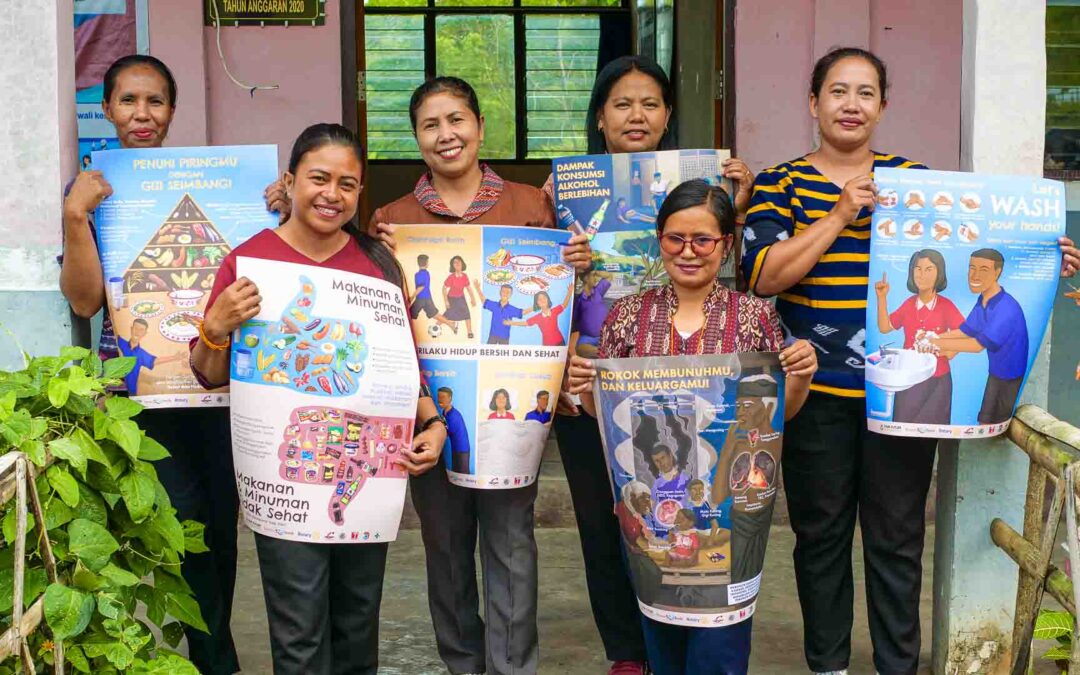
Our efforts, therefore, extend far beyond testing. Prevention becomes paramount. Community education is essential. Our teams take time to educate this mother on how malaria is transmitted, how to recognise symptoms early, and the importance of using mosquito nets. This conversation is as vital as the test itself, forming the basis of our educational and prevention initiatives across villages.
In addition to screening, we distribute long-lasting insecticidal nets, conduct indoor residual spraying to kill mosquitoes, and frequently return to reinforce knowledge. Defeating malaria requires more than a single intervention; it demands repetition, trust, and constant presence.
This photo illustrates the meticulous work involved in fighting malaria in ultra-rural settings — not just numbers or slogans, but hours spent training, educating, and providing care in places with few resources.
Today, the 22nd of December 2025 – Alex Wettstein
External Links
List of Related Organisations with Hyperlinks
- World Health Organisation: Provides global guidance and data on malaria prevention and treatment.
- Malaria Partners International: Supports evidence-based malaria prevention and control programs through research, field expertise, and partnerships in endemic regions.
- UNICEF: Supports child health and malaria prevention programmes worldwide.
- Médecins Sans Frontières: Delivers medical care in malaria-affected regions globally.
- Roll Back Malaria Partnership: Coordinates international malaria control efforts.
- Malaria Consortium: Implements malaria prevention and treatment programmes.
- PATH: Develops tools and strategies to fight malaria globally.