


This image is in 1920×1080 resolution. Click on it to enlarge and view at full size.
Hand Hygiene: The Foundation of Health in Rural Communities
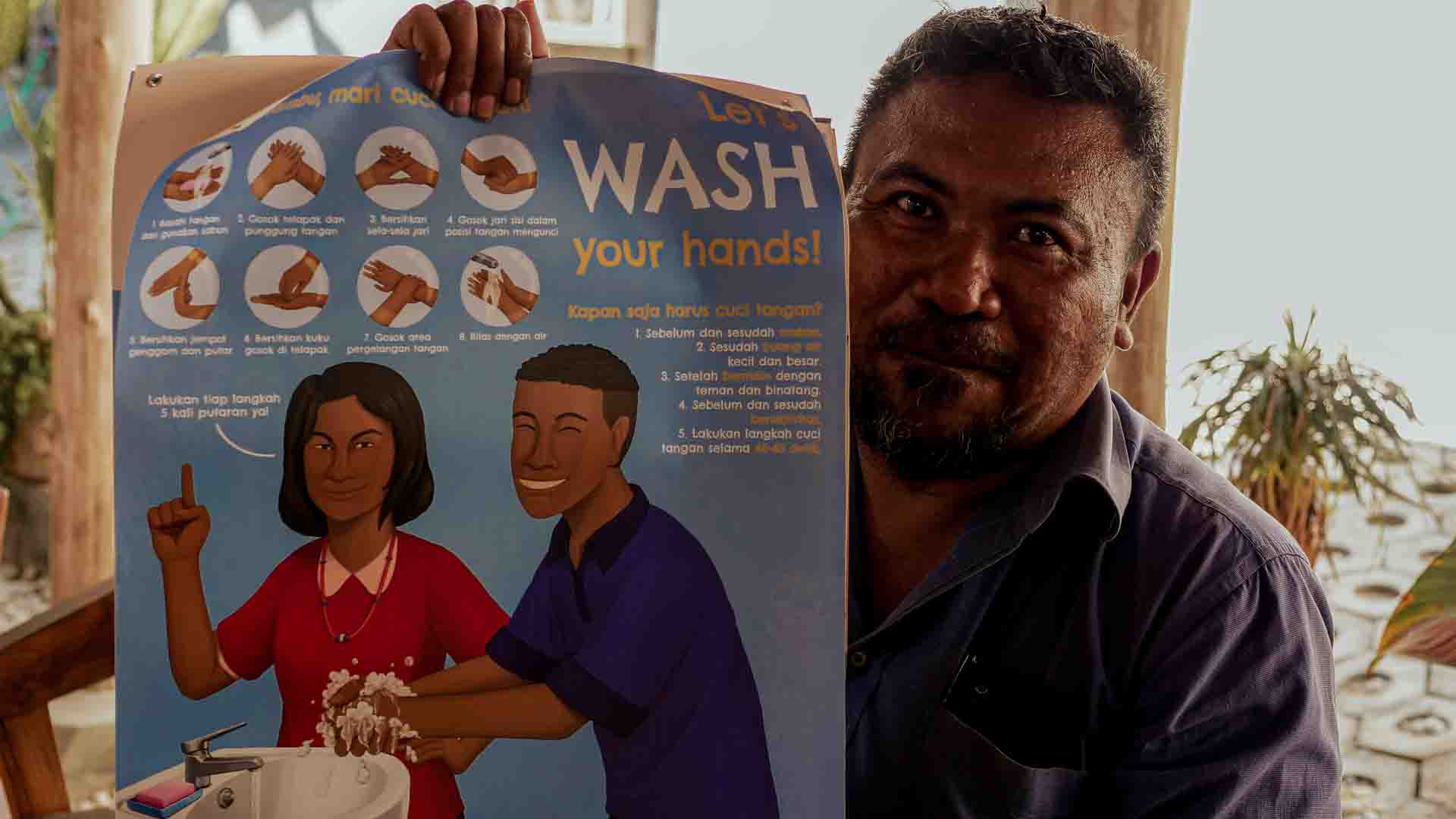
This new Photo of the Day shows something simple, almost ordinary at first glance. A man holding a poster. A message about washing hands. But here, nothing about this image is ordinary.
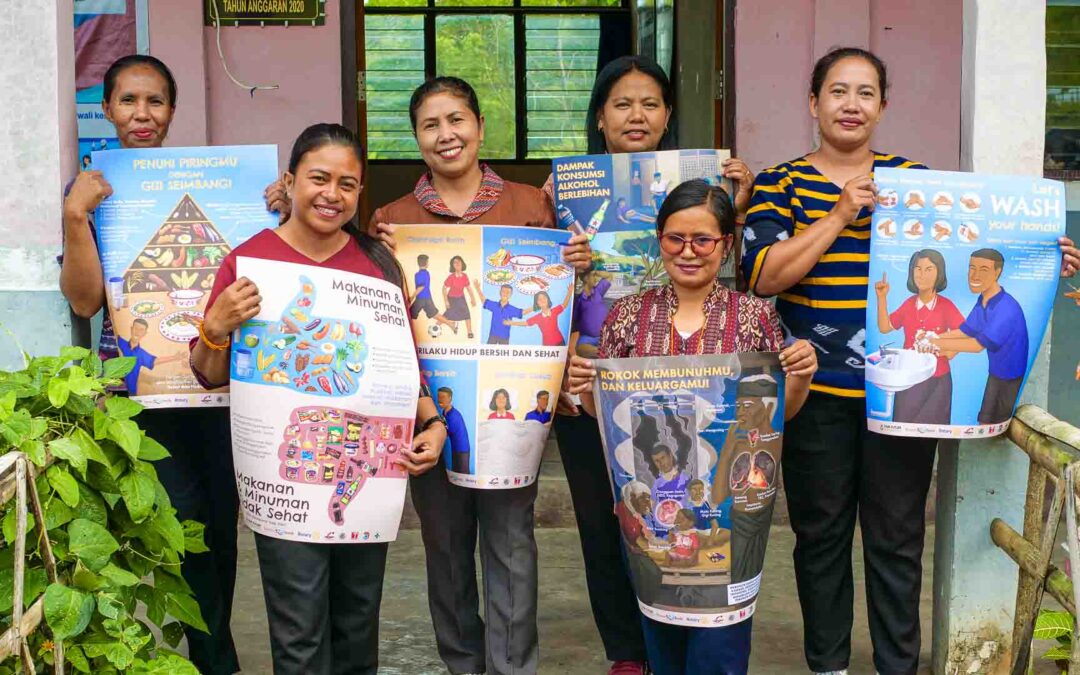
This Photo of the Day features one of the ten educational posters created by Fair Future, focused on hygiene and disease prevention. This one is dedicated to handwashing. Today, we have ten posters in total, each addressing a concrete health issue faced daily in ultra-rural regions of East Indonesia.
Hand hygiene is crucial, especially in settings where infectious diseases are rampant. In many villages worldwide, including those in East Indonesia, limited access to clean water makes basic practices like handwashing challenging. “Studies have shown that proper handwashing can reduce the incidence of diarrheal diseases by up to 40% and respiratory infections by around 23%,” according to the Centres for Disease Control and Prevention (CDC).
This photo is deeply relevant. Look closely. This poster exists because hand hygiene remains one of the most significant gaps we see in the field. Not because people do not care, but because education is missing. Because water is missing. Because soap is missing. Because there are no taps, no sinks, no toilets.
In many villages, people have never opened a tap. They have never seen water flow from a tap into a basin. They wash when they can, where they can, often with nothing but muddy water carried from far away. In these conditions, infections spread easily—skin diseases, diarrhoeal illnesses, respiratory infections, and parasitic diseases. Medicine treats symptoms, but prevention starts much earlier.
That is why Fair Future and Kawan Baik Indonesia do not only provide medical care. We build sanitation facilities. We construct toilets. We install sinks with taps. And then we teach. How to wash hands. When it matters. Before eating. After using the toilet. Before touching a wound. Before caring for a child.
The learning moments are often joyful. The first time someone turns a tap and sees clean water flow is always met with surprise, laughter, and curiosity. It is a small revolution. A practical one. A medical one.
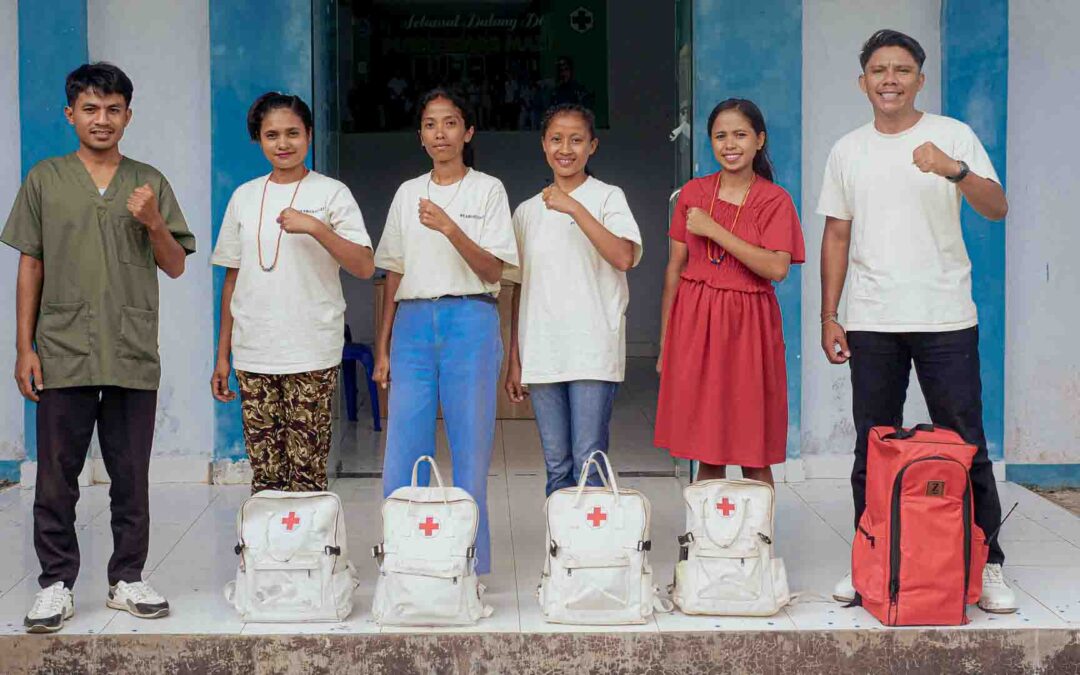
This photo shows the director of the Ngadu Ngala health centre proudly receiving our ten posters, including this one in Bahasa Indonesia on hand hygiene. As a medical professional, he immediately understands their value. These posters are not decorations. They are tools. They help reduce disease transmission. They support health workers. They reinforce simple messages that save lives.
Education, water, sanitation, and health are inseparable. This image reminds us that prevention does not start in hospitals. It starts with clean hands, clear messages, and access to the basics.
Today, the 22nd of December 2025 – Alex Wettstein
External Links
List of Related Organisations with Hyperlinks
- World Health Organisation (WHO): Provides global guidance on hand hygiene, infection prevention, and the control of infectious diseases in low-resource settings.
- Centres for Disease Control and Prevention (CDC): Provides evidence-based data on hand hygiene and its impact on reducing diarrhoeal and respiratory infectious diseases worldwide.
- UNICEF – Water, Sanitation and Hygiene (WASH): Works globally to improve hygiene, sanitation, and access to clean water to prevent infectious diseases, particularly in children.
- WaterAid: Focuses on hygiene education and sanitation as core tools to prevent waterborne and infectious diseases in vulnerable communities.
- Global Handwashing Partnership: Promotes handwashing with soap as a public health intervention to reduce the transmission of infectious diseases globally.
- The Lancet Infectious Diseases: Publishes peer-reviewed research on infectious diseases, hygiene, and prevention strategies in global health contexts.