


Skin infection prevention in ultra-rural life
Small skin problems can become severe without early treatment
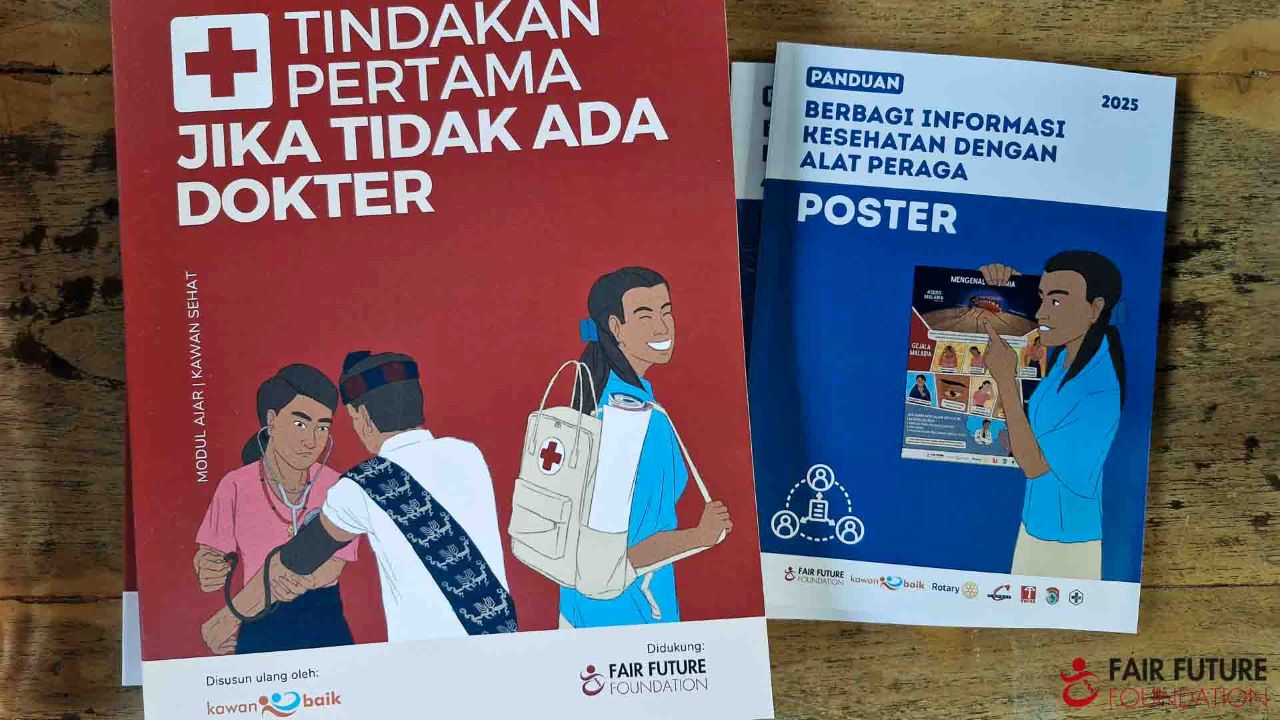
When there is no doctor, knowledge becomes care. These guides train local health agents to act early and prevent complications.
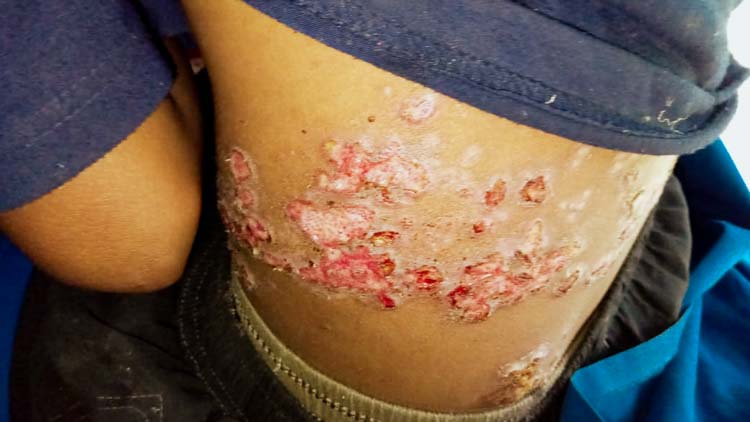
When skin infections are left untreated, small wounds evolve into chronic lesions, pain, and long-term disability.In our Primary Medical Care work, emphasising skin infection prevention is critical; it is not cosmetic, it is urgent. A small cut, bite, or scratch can rapidly escalate into an abscess or widespread infection when factors such as heat, contaminated water, and delayed medical attention converge. Immediate and thorough cleaning, paired with simple protective measures, can halt these complications.
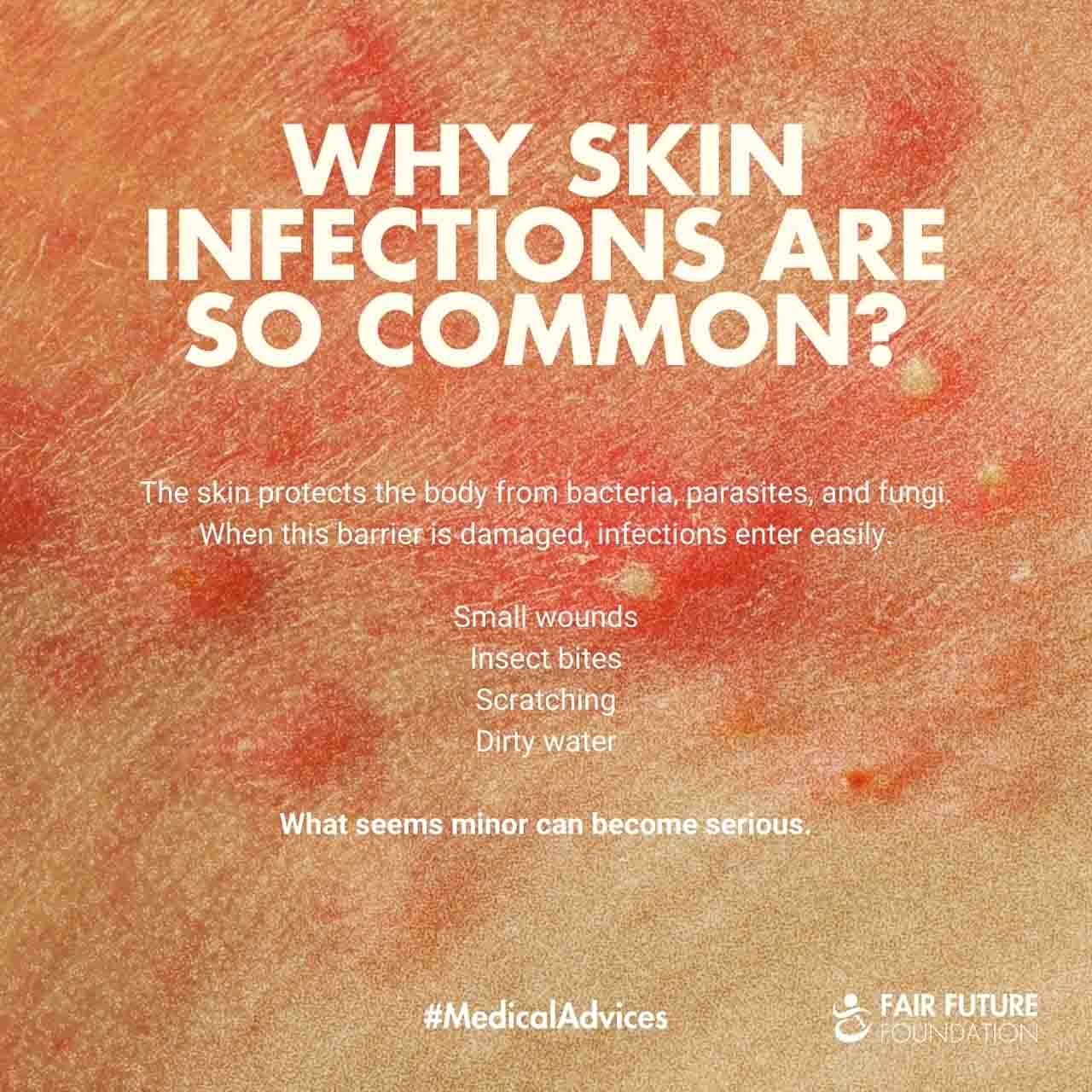
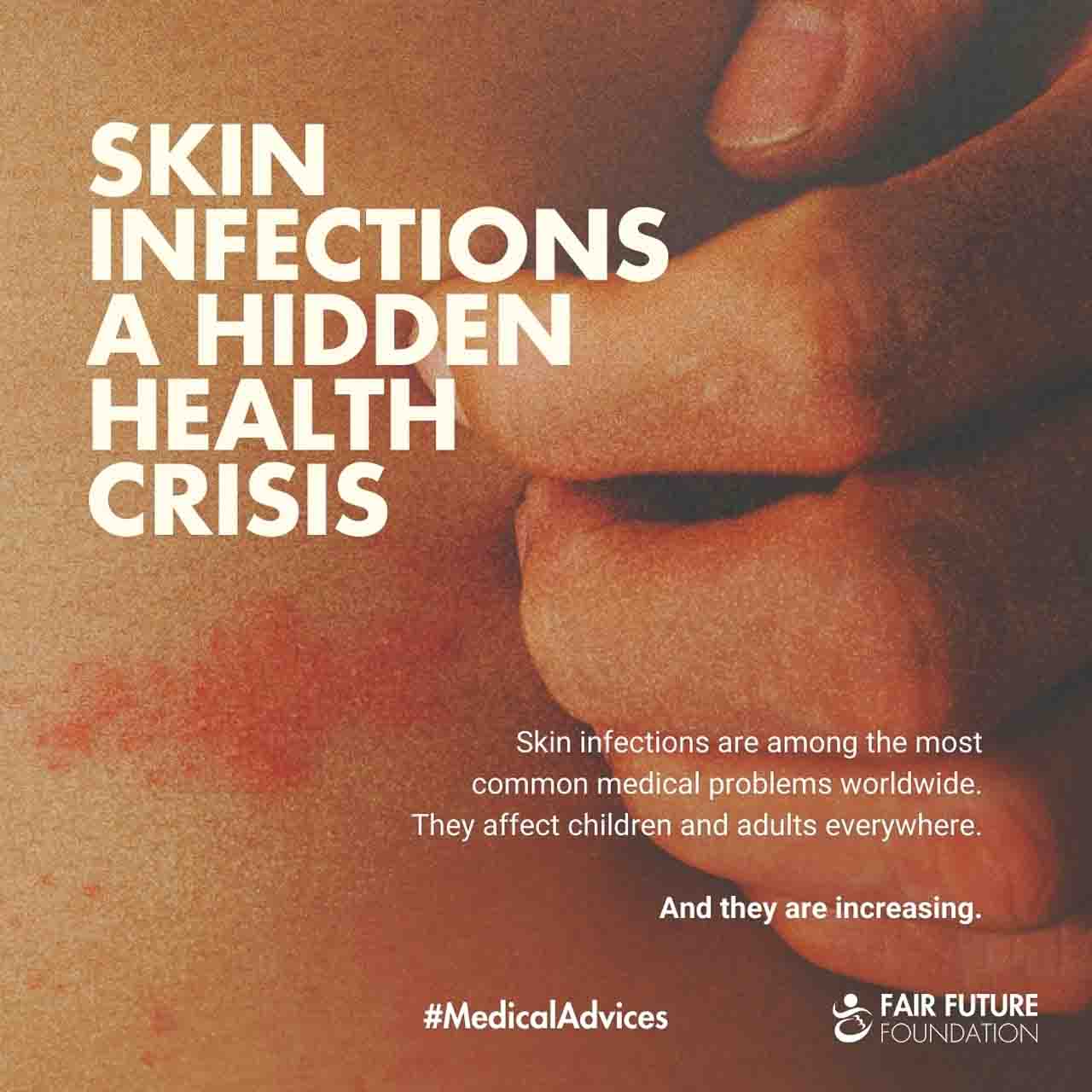
Skin infections represent a hidden health crisis. In the regions where the Fair Future and Kawan Baik Indonesia foundations operate, they are among the top reasons individuals, especially children, seek medical care. The skin serves as a crucial living barrier, and when compromised, bacteria and fungi can easily enter. Even a minor wound, insect bite, or scratch, often exacerbated by washing in unsafe water, can be the starting point for an infection. According to the World Health Organisation, skin infections are prevalent in low-resource areas due to limited access to clean water and medical care. (Read the Doc: Skin diseases as a global public health priority, here)
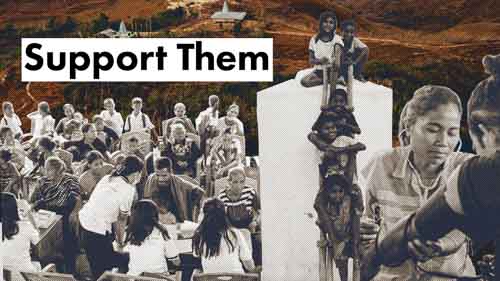
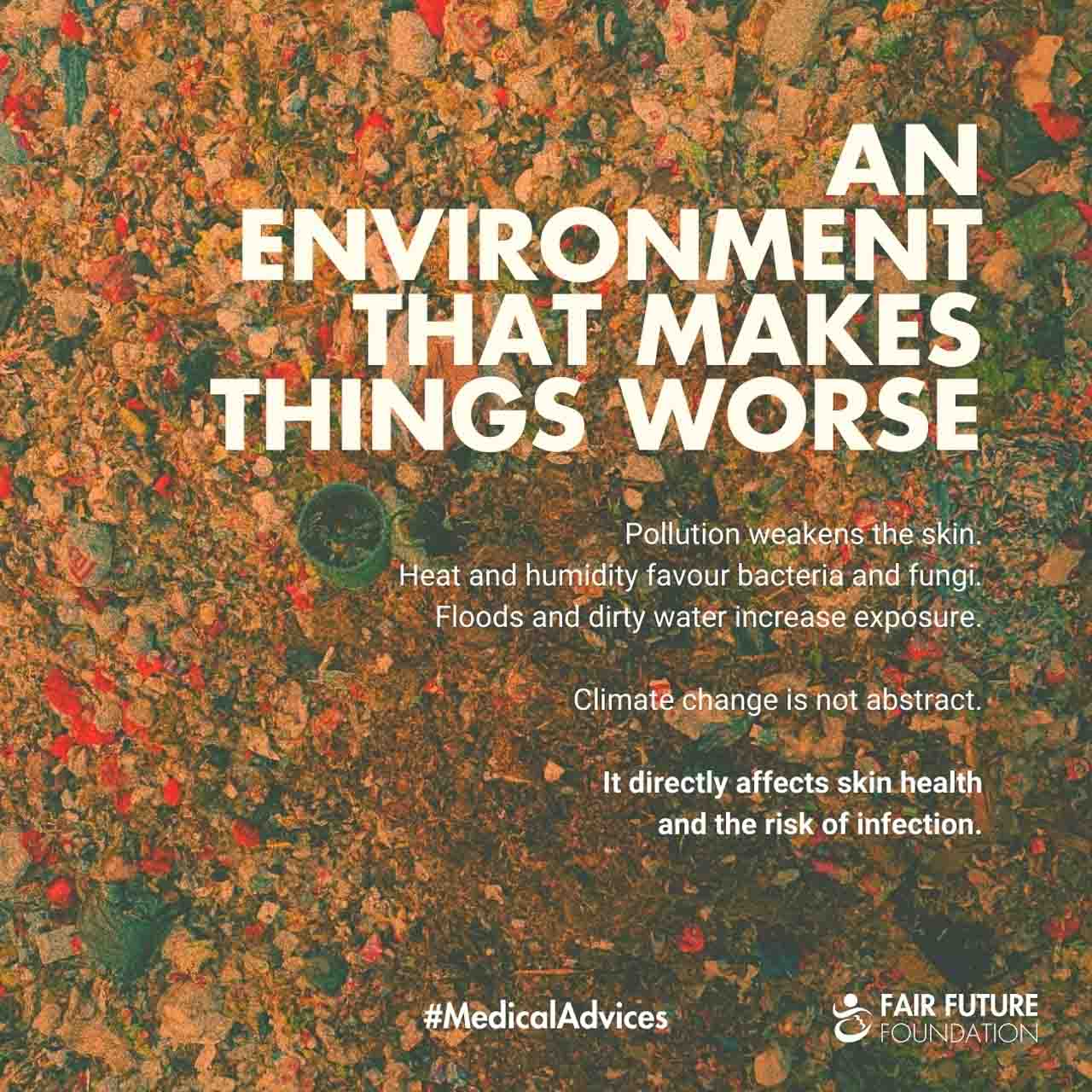
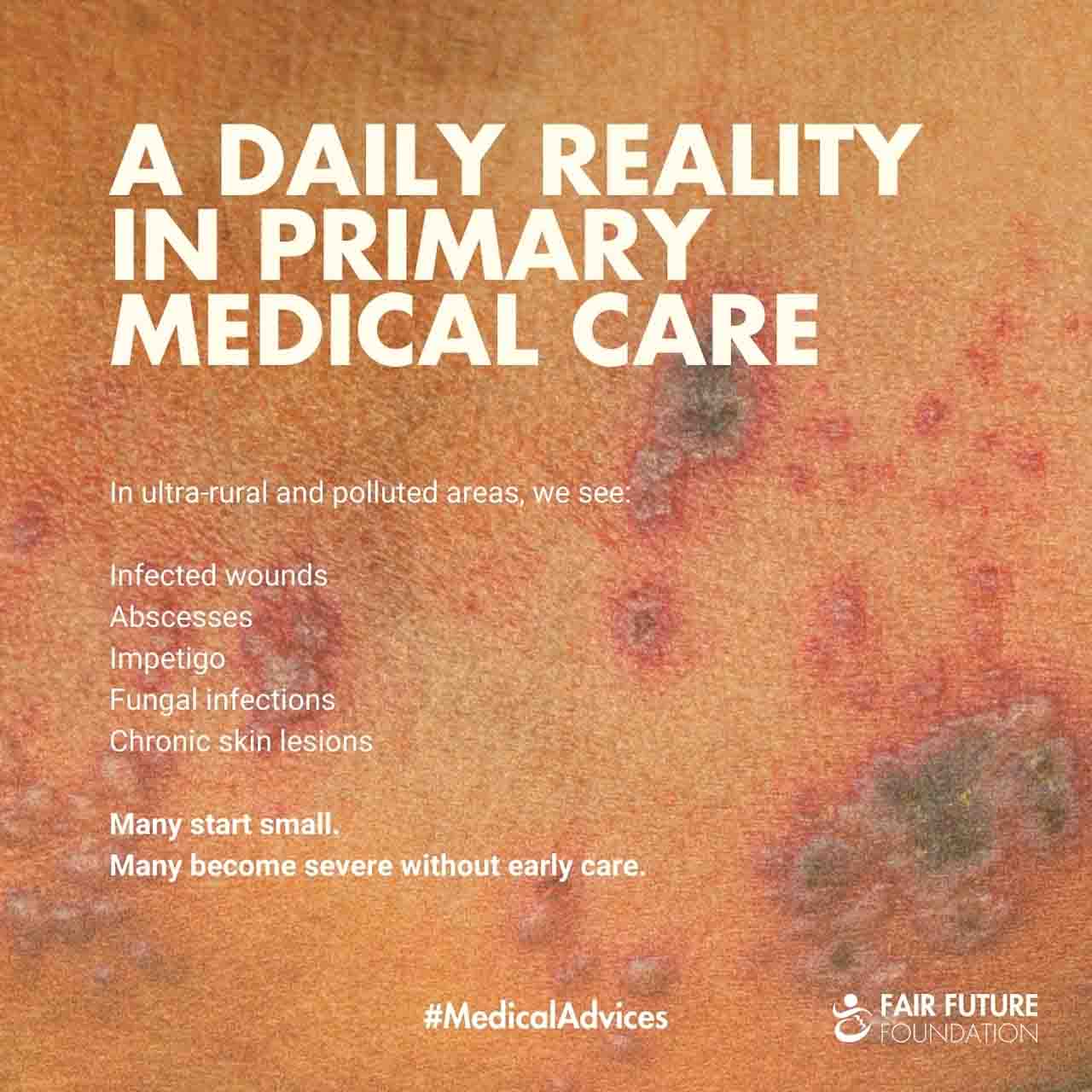
In ultra-rural and polluted environments where we are working, we frequently encounter infected wounds, abscesses, impetigo, fungal infections, and chronic skin lesions. These often begin innocuously but can develop into severe conditions due to delayed care and the lack of basic resources such as safe water, soap, clean dressings, and nearby clinics (the reason we created the Primary Medical Care Program). The local environment exacerbates these issues; heat and humidity promote bacterial and fungal proliferation, while floods and polluted water heighten exposure. Skin irritation from pollution further weakens its protective function. Climate change is not an abstract concept here—it directly impacts skin health and infection risk.
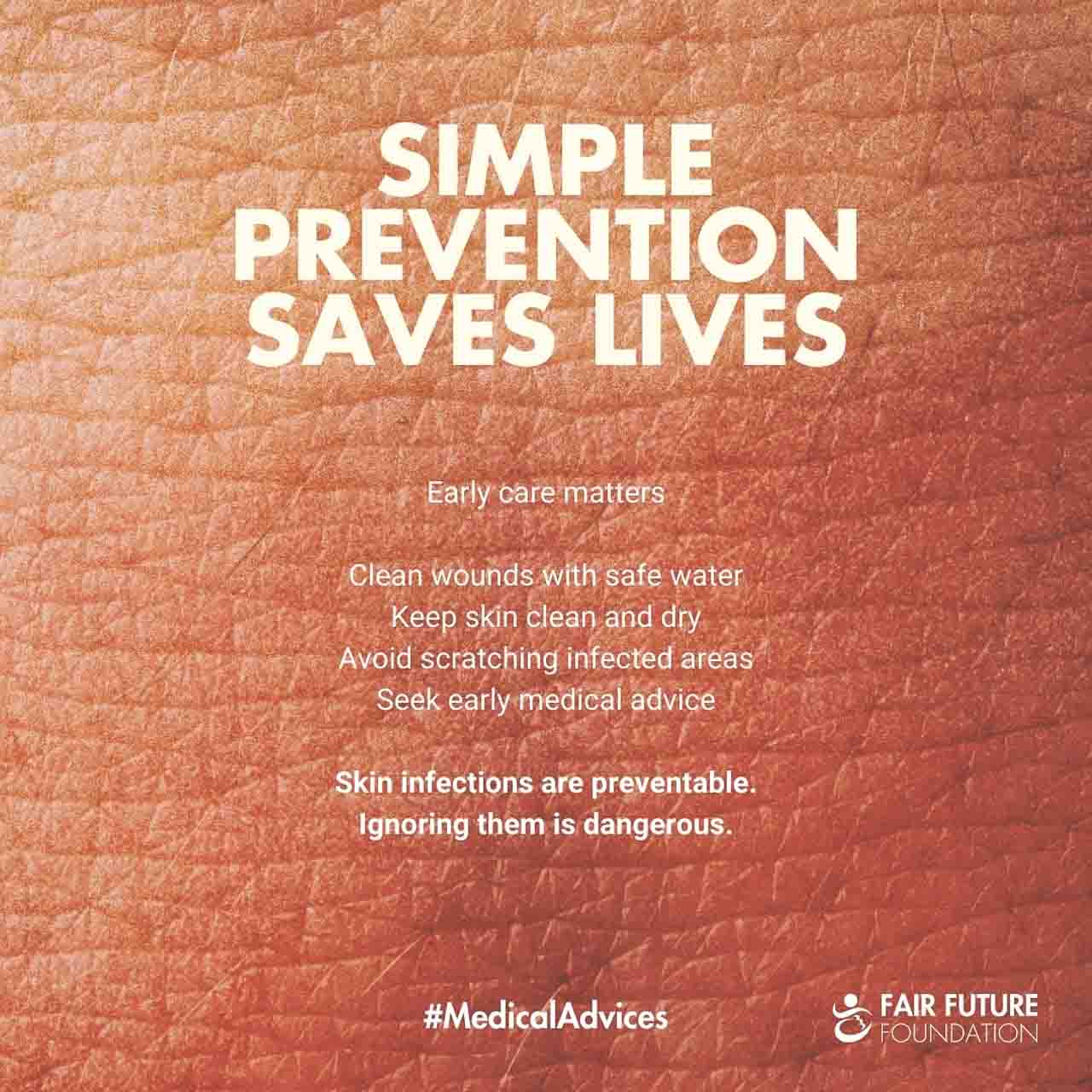
Simple interventions can save lives. Clean wounds early with the safest water available and maintain their cleanliness and dryness. Cover open skin whenever possible and refrain from scratching, particularly when lesions are oozing or painful. Seek medical advice promptly for symptoms such as spreading redness, fever, escalating pain, pus, or if a child shows signs of weakness. Skin infection prevention is achievable, and neglecting it poses significant risks.
About our Primary Healthcare Training Guide
This guide was designed for our Kawan Sehat Health Agents serving in the most remote villages. It allows us to teach practical prevention, wound care, hygiene, and infection prevention. Although written in Indonesian, this 144-page book is easily translatable using AI tools. Thanks to this training and their daily experience in the field, our 30 Health Agents prevent countless skin infections, complications, and injuries each year, and save lives in areas lacking healthcare systems.
Today, the 24th of December 2025 – Written by Alex Wettstein.
In Short – A small cut can trigger a big chain
In remote villages, a skin infection is often the first visible sign of deeper vulnerability, unsafe water, malnutrition, or chronic neglect. Treating the wound matters, but so does fixing the environment that keeps creating the next one.
About this topic on our Instagram page
List of Related Organisations with Hyperlinks
- World Health Organisation: Provides authoritative guidance on skin health, infectious disease prevention, hygiene, and the health impacts of climate change worldwide.
- Médecins Sans Frontières: Delivers frontline medical care for skin and soft tissue infections in crisis, remote, and climate-affected environments globally.
- UNICEF – Water, Sanitation and Hygiene: Works to improve access to clean water and hygiene, reducing skin and infectious diseases among children in vulnerable regions.
- WaterAid: Specialised NGO improving access to safe water and sanitation, directly reducing infection risks linked to poor hygiene and climate stress.
- International Federation of Red Cross and Red Crescent Societies: Supports community health, hygiene education, and infection prevention in disaster-prone and climate-vulnerable areas worldwide.
- The Lancet Countdown on Health and Climate Change: Provides scientific evidence on how climate change directly affects human health, including infectious and skin-related diseases.
- Save the Children: Implements child-focused health and hygiene programs addressing skin infections, malnutrition, and water scarcity in fragile contexts.