


Health topics
Leprosy (Hansen disease)
Understanding a curable infection of the skin and nerves, recognising early changes, and protecting function and dignity through treatment and follow-up.
Source-language clinical review recorded: Alex · 2026-11-19
When care cannot wait
Seek prompt medical care for new weakness, increasing numbness, a painful or tender nerve, difficulty closing an eye, or a red or painful eye. These changes can threaten nerve function or vision.
Inflammatory reactions can occur before, during or after treatment. They need assessment and may require additional treatment. Do not stop prescribed medicines or begin steroids without the treating team’s advice.
Management of leprosy reactions and prevention of disabilities · Frequently asked questions on leprosy
Understanding leprosy
Leprosy, also called Hansen disease, is a chronic bacterial infection that mainly affects the skin and peripheral nerves. It is caused mainly by Mycobacterium leprae. The eyes and other tissues can also be affected.
The bacteria grow slowly, and changes may develop over a long period. Loss of feeling can mean that a burn, cut or pressure injury goes unnoticed. Early diagnosis and treatment therefore protect both health and everyday function.
Leprosy is curable. A person’s diagnosis does not remove their right to family life, education, work or respectful care. Fear and stigma can delay assessment and make preventable disability more likely.
Leprosy · About leprosy (Hansen disease)
Hansen’s discovery in Bergen
In 1873, the Norwegian physician Gerhard Armauer Hansen identified the leprosy bacterium in Bergen. Examining tissue under a microscope, he observed the rod-shaped organisms associated with the illness.
The discovery helped change understanding of a disease long surrounded by misconceptions. It supported an infectious explanation rather than the idea that leprosy was simply inherited or a moral failing.
Effective antimicrobial treatment came later. The history is a reminder that understanding a cause must lead to better care and dignity for the person, rather than new reasons for exclusion.
Message for World Leprosy Day 2023 · The discovery of the leprosy bacterium
How transmission is understood
Transmission is believed to occur through droplets from the nose and mouth during prolonged, close and frequent contact with an untreated person. It is not spread by ordinary casual contact such as shaking hands, hugging, sharing a meal or sitting together.
Treatment is important for the person and for preventing transmission. Health services may assess close contacts and offer preventive treatment where appropriate after checking eligibility.
A household should be supported to seek care privately and without blame. Contact assessment is a clinical prevention measure, not permission to label or exclude neighbours.
Leprosy · About leprosy (Hansen disease)
Symptoms and early changes
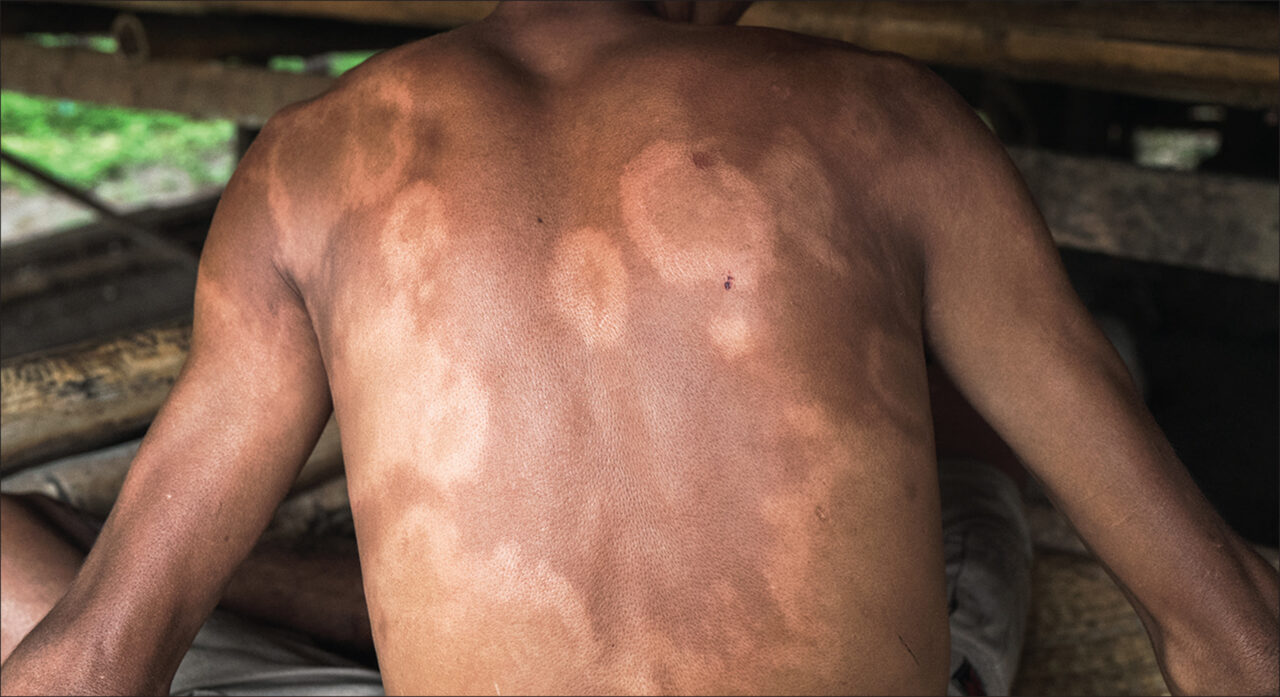
- A pale, reddish or otherwise altered skin patch with reduced sensation.
- Numbness, tingling or weakness, especially in the hands or feet.
- Skin thickening, lumps or wounds that are not noticed because feeling is reduced.
- Difficulty closing the eyes, eye discomfort or changes in vision.
Not every skin patch or numb hand is leprosy. Other skin, nerve and metabolic conditions can cause similar changes. A trained healthcare professional should examine the skin, sensation and nerve function. Do not test sensation with a flame or sharp object.
Signs and symptoms of leprosy · Management of leprosy reactions and prevention of disabilities
Diagnosis and multidrug treatment
Diagnosis is usually based on clinical examination, including skin changes and nerve function. A skin smear, biopsy or other specialist assessment may be needed when the diagnosis is uncertain.
Multidrug therapy combines rifampicin, dapsone and clofazimine under the responsible health service. The regimen and duration depend on clinical classification and individual needs. Complete the prescribed course and attend follow-up.
Discuss side effects and practical difficulties early. Some medicines can change skin colour or the colour of body fluids; the team should explain expected effects and which symptoms require urgent advice. Do not use another person’s medicines or improvise a shorter course.
Leprosy · WHO recommended multidrug therapy
Nerve protection continues during recovery
A leprosy reaction is an inflammatory complication related to the immune response. It can affect skin, nerves, eyes or limbs, including while antimicrobial treatment is working or after the course has ended.
New pain, tenderness, weakness or sensory loss needs prompt review. Some nerve damage can occur without obvious pain, which is why scheduled assessments remain important.
Protect areas with reduced feeling from heat, pressure and unnoticed injury. Ask the team about daily checks, suitable footwear, wound care, eye protection and rehabilitation. The plan should fit the person’s work and home conditions.
Management of leprosy reactions and prevention of disabilities · Frequently asked questions on leprosy
Prevention without exclusion
- Seek early assessment of suspicious skin and nerve changes.
- Complete prescribed treatment and attend nerve-function reviews.
- Let trained services assess close contacts and decide whether preventive treatment is appropriate.
- Protect numb skin and seek advice for wounds or eye symptoms.
- Challenge myths and preserve privacy. A person should not be defined by a diagnosis.
Leprosy · Management of leprosy reactions and prevention of disabilities
Keeping assessment within reach in East Sumba
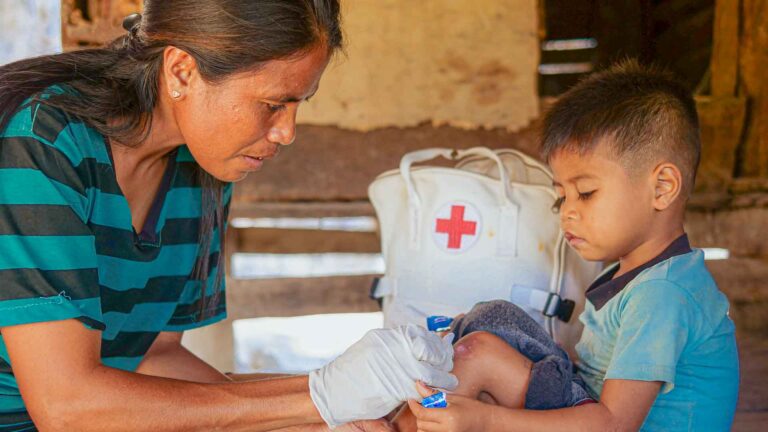
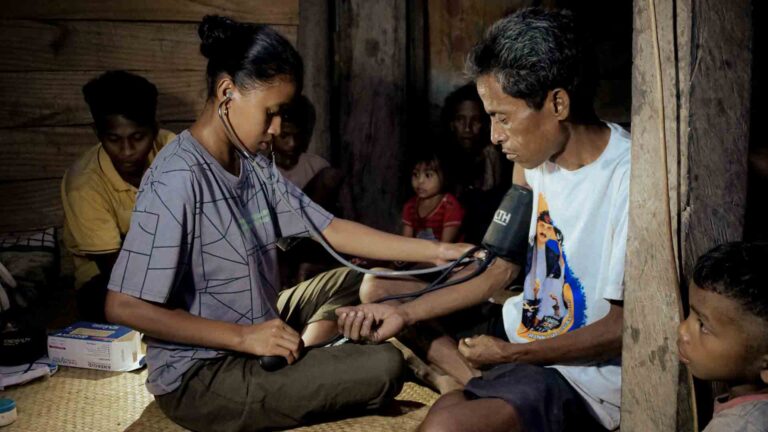
In the ultra-rural east of Indonesia, slowly developing symptoms may compete with transport costs, work and other household needs. Primary Medical Care and Kawan Sehat agents can support recognition, appropriate referral and follow-up within their training.
Leprosy care needs the responsible public health service and clinicians able to diagnose, prescribe and monitor treatment. Fair Future’s community programmes should help connect people to that care, rather than promise a separate specialist leprosy service.
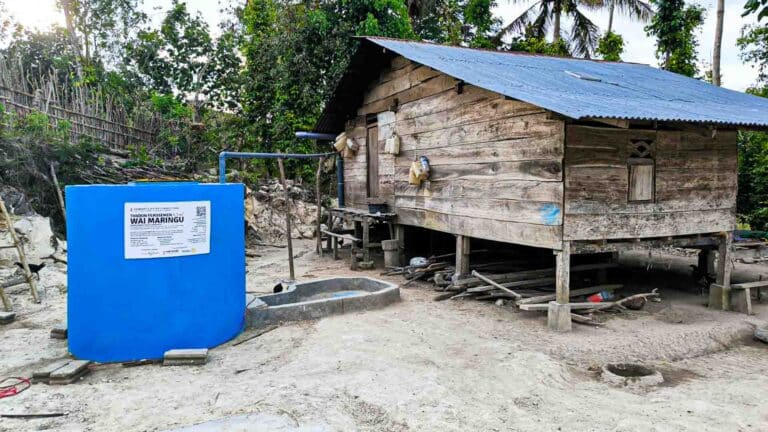
Water Connections and Nutrition and Food support the conditions for wound care and recovery. They do not cure leprosy. The Kawan Sehat medical application can help keep treatment and review information organised, with attention to privacy.
Health education should make care easier to seek. It should never turn a photograph, a visible patch or a family connection into an unconfirmed diagnosis.
Primary Medical Care · Kawan Sehat agents · Water Connections
Questions for treatment and follow-up
- What findings support this diagnosis?
- Which medicines and follow-up do I need?
- Which changes in sensation, strength or vision need urgent review?
- Should close contacts be assessed?
- How can I protect my skin, eyes and daily activities during treatment?
Related programmes and field resources
programme
Primary Medical Care in Remote Areas
Connect recognition with clinical assessment and referral.
Reference sources
- LeprosyWorld Health OrganizationConsulted
- About leprosy (Hansen disease)Centers for Disease Control and PreventionConsulted
- Signs and symptoms of leprosyCenters for Disease Control and PreventionConsulted
- Management of leprosy reactions and prevention of disabilitiesWorld Health OrganizationConsulted
- Frequently asked questions on leprosyWHO Regional Office for South-East AsiaConsulted
- Message for World Leprosy Day 2023World Health OrganizationConsulted
- The discovery of the leprosy bacteriumBymuseet, BergenConsulted
- WHO recommended multidrug therapyWorld Health OrganizationConsulted
- Primary Medical CareFair Future FoundationConsulted
- Kawan Sehat agentsFair Future FoundationConsulted
- Water ConnectionsFair Future FoundationConsulted
General health information, not an individual diagnosis or prescription.
