


Health topics
Sexually transmitted infections (STIs)
Understanding infections transmitted through sexual contact, recognising symptoms and silent infection, and seeking testing, treatment and prevention without stigma.
Source-language clinical review recorded: Alex · 2026-11-19
When care cannot wait
Seek prompt care for severe pelvic or testicular pain, fever with genital symptoms, a genital ulcer, symptoms during pregnancy, or possible sexual assault. Sudden severe testicular pain or collapse needs emergency assessment.
After possible HIV exposure, seek care immediately. HIV post-exposure prophylaxis must begin within 72 hours, and sooner is better. A clinician should also assess other infection risks, injury and possible pregnancy.
About sexually transmitted infections · Preventing HIV with PEP · Testicle pain
Understanding sexually transmitted infections
STIs are infections passed mainly through sexual contact. They can be caused by bacteria, viruses or parasites. Examples include chlamydia, gonorrhoea, syphilis, trichomoniasis, genital herpes, human papillomavirus and HIV.
These are different infections, with different tests, treatment and long-term implications. A single negative test does not exclude every STI. Some can also pass through blood exposure or from a pregnant person to a baby.
An infection is a health condition, not a judgement about a person. Respectful care makes it easier to ask questions, test, complete treatment and protect partners.
Sexually transmitted infections · About sexually transmitted infections
Different infections, different discoveries
There is no single origin or discoverer for all STIs. They involve different organisms and histories, and the causes were often identified long after their clinical effects were recognised.
In 1905, Fritz Schaudinn and Erich Hoffmann identified the spiral-shaped organism associated with syphilis, now called Treponema pallidum. Microscopic examination of clinical material helped distinguish the infectious cause from earlier speculation.
Later laboratory methods and treatments changed what care could offer. The history of HIV and AIDS is another part of that wider story. Today the practical question is which infection is present and what care the person needs.
Contemporary account of the syphilis organism discovery, 1905
How transmission happens
STIs can pass through vaginal, anal or oral sex. Some spread through contact with infected skin or sores, including areas not covered by a condom. Transmission may occur when no symptoms are visible.
Some infections can affect a baby during pregnancy, birth or breastfeeding, depending on the organism. Antenatal testing and treatment are therefore important even when a pregnant person feels well.
A person cannot reliably infer when an infection began from the first symptom or a positive result alone. Questions about exposure and partners should support care rather than become accusations.
Sexually transmitted infections · About sexually transmitted infections
Symptoms and silent infection
- Unusual discharge from the vagina, penis or anus.
- Pain or burning when urinating.
- Genital sores, blisters, itching or other new skin changes.
- Pelvic pain, pain during sex, bleeding between periods or after sex.
- Testicular pain or swelling, or symptoms at the throat or rectum after relevant exposure.
Many infections cause no symptoms. These symptoms can also have causes that are not sexually transmitted. Testing and clinical assessment are more reliable than self-diagnosis or treatment chosen from a photograph.
About sexually transmitted infections · Sexually transmitted infections: testing and treatment
Testing and clinical assessment
Ask which tests are appropriate for the exposure and symptoms. Samples may include urine, a swab from a relevant site or a blood test. The timing of exposure matters because an infection may not be detectable immediately.
Tell the clinician about possible pregnancy, allergies, recent antibiotics and any symptoms. Where tests are limited, trained clinicians may use a syndrome-based approach and arrange further assessment when needed.
Care should be private and based on informed consent. Ask how results will be communicated safely and who can see them. A shared telephone or a family member accompanying the visit should not automatically decide how personal information is disclosed.
Sexually transmitted infections · Sexually transmitted infections: testing and treatment
Treatment and partner care
Bacterial infections such as syphilis, gonorrhoea and chlamydia, and the parasitic infection trichomoniasis, are generally curable with the appropriate treatment. Drug resistance and individual circumstances affect the choice, so do not use leftover antibiotics.
Herpes and HIV can be managed with antiviral treatment but are not currently cured by it. Other viral infections have their own care and monitoring needs. Ask the team what the diagnosis means for you specifically.
Partners may need testing or treatment to protect their health and prevent reinfection. Discuss safe ways to inform them, especially if disclosure could lead to violence. Follow advice on avoiding sex until treatment and any necessary partner care are complete.
Attend repeat testing or follow-up when recommended. Symptoms improving does not always establish that an infection has cleared.
Sexually transmitted infections · Sexually transmitted infections: testing and treatment
Prevention that fits real life
- Use condoms correctly and consistently; they reduce risk but do not cover every infected skin area.
- Ask about hepatitis B and HPV vaccination under the applicable programme.
- Seek testing appropriate to your situation, including pregnancy and a partner’s diagnosis.
- Discuss HIV prevention, including PrEP where appropriate, and urgent PEP after a possible exposure.
- Avoid sharing needles or other injecting equipment.
- Build care around consent and safety. A person experiencing coercion needs support, not blame for being unable to negotiate protection.
Sexually transmitted infections · About sexually transmitted infections · Preventing HIV with PEP
Sexual health care in the rural east of Indonesia
In East Sumba, the route to testing may involve distance, cost and concerns about privacy in a small community. Primary Medical Care and Kawan Sehat agents connect health education with appropriate referral and follow-up, within their training and available services.
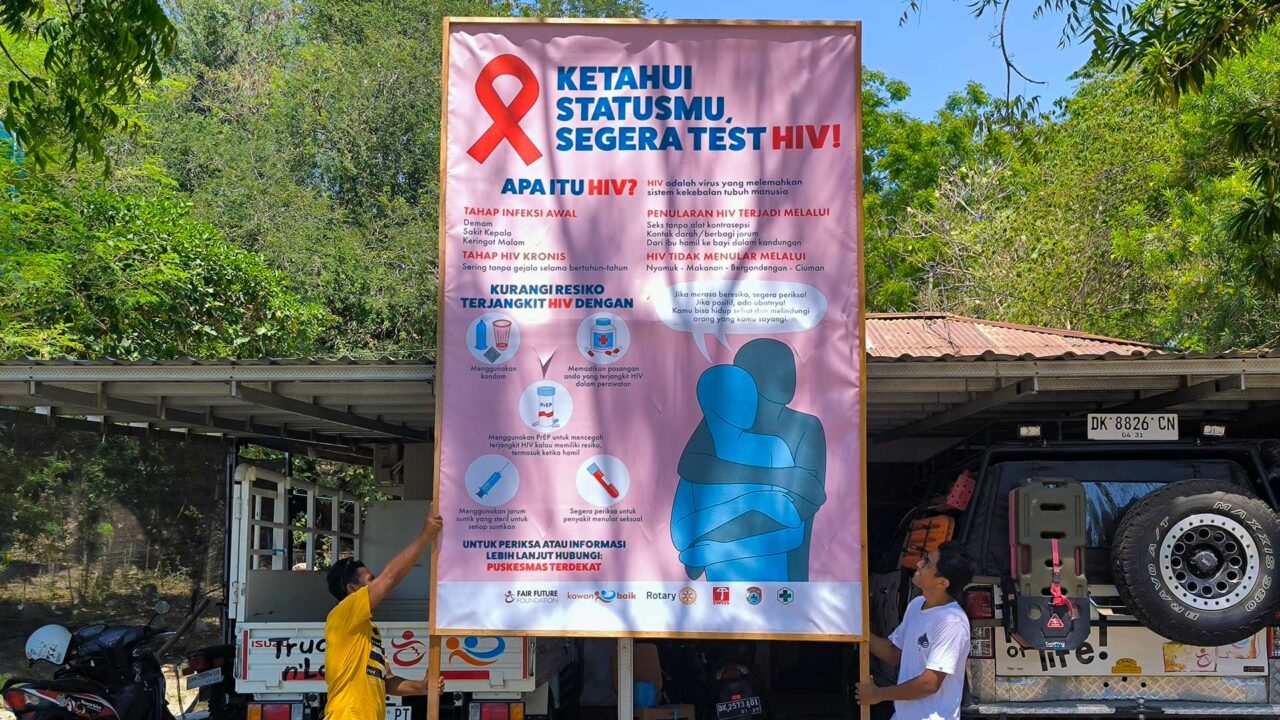
Our HIV testing billboard work around Waingapu illustrates the value of visible, understandable prevention messages. The photograph shows the team with a billboard at Rumah Kambera; it does not identify anyone as living with HIV or another STI.
The Kawan Sehat medical application can support clinical records, but sensitive information needs careful access and safe communication. A complete record is useful only when it serves the person’s care and confidentiality.
The connection with Child Health, maternal care and Community Empowerment includes health education, informed choices and access to qualified services. Fair Future’s HIV and AIDS health sheet provides more detail about that infection.
Primary Medical Care · Kawan Sehat agents · Kawan Sehat medical application
Questions for a private consultation
- Which infections and body sites should be tested?
- Could the timing mean a repeat test is needed?
- What treatment and follow-up apply to this diagnosis?
- Does a partner need care, and how can this be arranged safely?
- How will I receive results privately?
Related programmes and field resources
programme
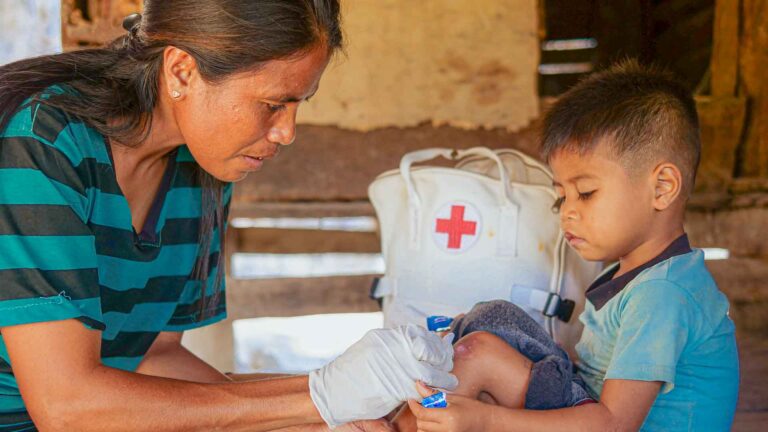
Primary Medical Care in Remote Areas
Connect health education with testing and treatment services.

programme
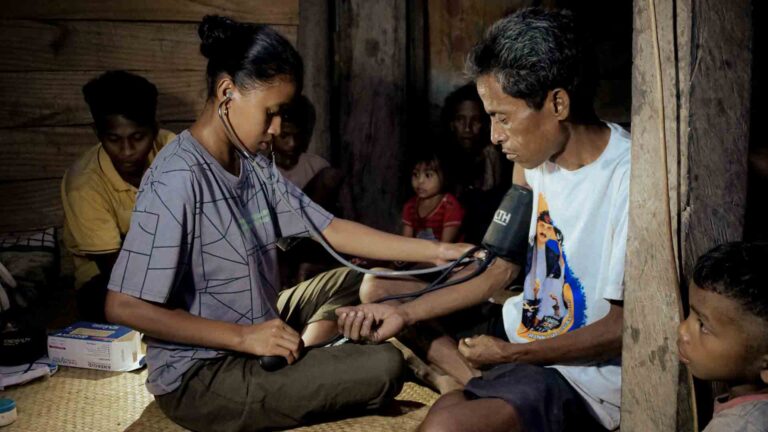
Community Empowerment in Rural East Sumba
Connect informed choices with community participation.
Reference sources
- Sexually transmitted infectionsWorld Health OrganizationConsulted
- About sexually transmitted infectionsCenters for Disease Control and PreventionConsulted
- Preventing HIV with PEPCenters for Disease Control and PreventionConsulted
- Testicle painNational Health ServiceConsulted
- Contemporary account of the syphilis organism discovery, 1905John H. Teacher, Glasgow Medical JournalConsulted
- Sexually transmitted infections: testing and treatmentNational Health ServiceConsulted
- Primary Medical CareFair Future FoundationConsulted
- Kawan Sehat agentsFair Future FoundationConsulted
- Kawan Sehat medical applicationFair Future FoundationConsulted
General health information, not an individual diagnosis or prescription.
