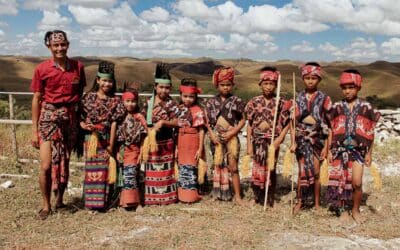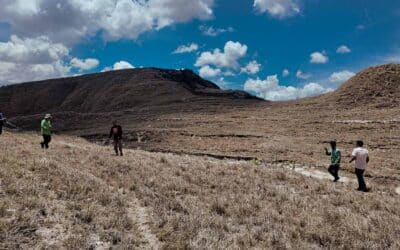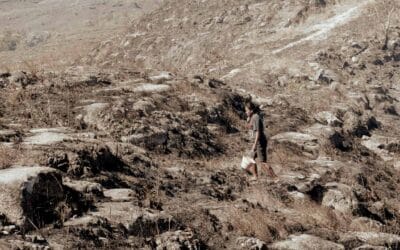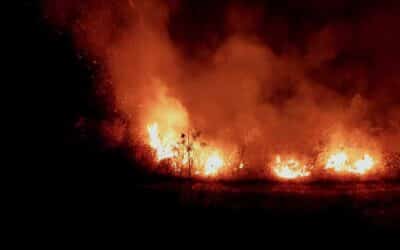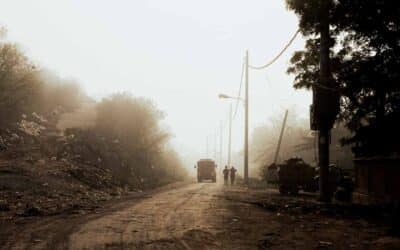


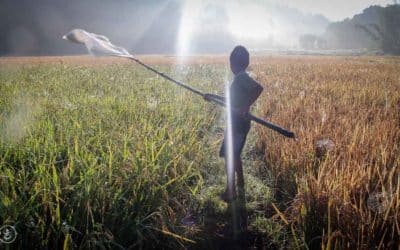
For over five years, East Sumba has been battling a relentless pest infestation that devastates crops and poses severe threats to human health, psychological well-being, and environmental integrity. This crisis demands immediate, sustainable solutions to protect the affected communities and restore ecological balance.
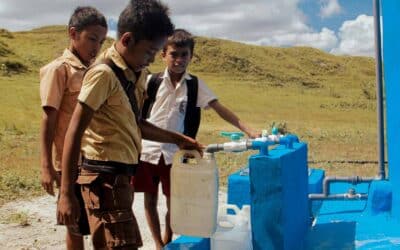
After years of walking to find dirty water, villages like Laindatang, Hambarita or Mbinudita can now access clean water from community reservoirs they built themselves. Clean water reduces diarrhea, skin infections, and fear. This is a true reflection of dignity in daily life.
Donate
Support Care
Programs
All projects
Quick News
Field updates
Stories
Field stories
Kawan Baik Indonesia Foundation Instagram Updates
Stay updated with Kawan Baik Indonesia Foundation on Instagram, where we share real-time stories of healthcare, education, and community support. See the impact of our work in ultra-rural areas and join us in making a difference. Follow us for inspiring updates from the field.
Fair Future Launches a New Anti-Tobacco Poster
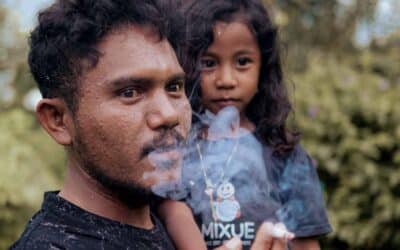
Fair Future’s latest anti-tobacco poster highlights the grave dangers of passive smoking. Annually, tobacco claims the lives of 1.2 million non-smokers, affecting children, pregnant women, and whole families. This campaign is set to be launched throughout rural Indonesia with the aim of educating and safeguarding those most vulnerable.
Fund Clean Water for Laindatang’s Last Four Reservoirs
For the past three years, Fair Future has been constructing water reservoirs in Laindatang to guarantee access to clean water. However, four remote families continue to face difficulties. With only four additional reservoirs needed, we can complete this important work. Help us take the final step toward providing every household in this community with secure access to water.
Building a 110,000L Water Reservoir in Laindatang
[…] capacity of 110 cubic meters in Laindatang. This initiative aims to offer sustainable access to clean water for 300 residents, including more than 100 children. Located in one of the driest regions on Earth, where daily life is threatened by severe water scarcity, this project serves as an essential solution for improving local living conditions. From February to November 2024, our teams engaged in intensive drilling efforts over nine months with the aim of discovering an underground aquifer capable of supporting the community. Unfortunately, despite these endeavors, we did not locate any adequately replenished groundwater sources. Instead of leaving Laindatang without alternatives, we chose to invest in a new water storage solution that will enable the village to collect, store, and filter rainwater for continuous access—especially during emergencies when other sources are depleted. A Humanitarian Engineering Project with Complete Funding The project has a total cost of 252 million IDR (14,000 CHF), which the generosity of our donors has completely covered. We extend special thanks to the engineer and architect spearheading this effort; they have chosen not to profit from their involvement and will work at cost price, covering only materials and labor expenses. Their expertise is crucial for such […]
SolarBuddy 2025 Map: Lighting Up Schools
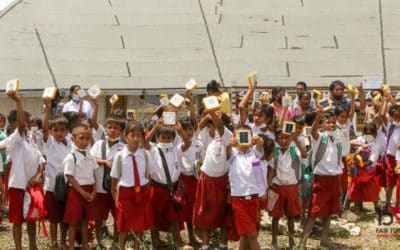
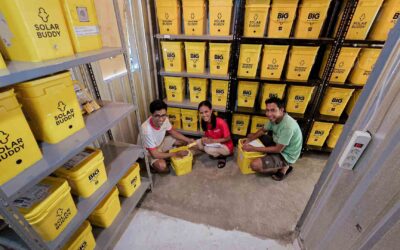
Check out our interactive map for the 2025 SolarBuddy lamp distribution! Yellow marks schools receiving 2,224 lamps, while gray shows over 100 schools still without electricity—affecting 10,000+ children. A long journey ahead, but one step closer to brighter futures. Click the map to explore!
The Impact of Solar Lamps on Rural Families
Solar Light Transforms Lives in Rural East Sumba
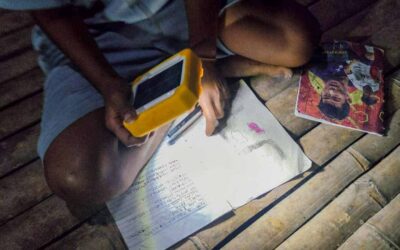
In East Sumba, countless families exist without any light source. The lack of electricity forces children to embark on lengthy journeys to school at dawn, individuals cook under perilous conditions, and nighttime study becomes a significant challenge. Solar lighting provides a safe and sustainable remedy that enhances education, health, and security for these communities.
Glossary of Humanitarian and Medical Terms
To reach ultra-rural villages, we rely on the Truck of Life to navigate rough, broken roads. This vehicle allows us to deliver essential supplies, including medicines, water, tools, solar kits, and food. Logistics play a crucial role in our program; without access to fuel, spare parts, and the commitment to long days on the road, we would be unable to reach the patients in need. Donate Support Care Programs All projects Quick News Field updates Stories Field stories Results for ” without electricity” Fair Future’s glossary is a practical tool offering clear definitions of medical and social terms used in our programs. Launched in early 2025, it helps donors, volunteers, and visitors understand our work in health and humanitarian aid through accessible explanations, pop-ups, and real-world examples. How to helpThe Newsletter Go to the 1st Definition Understanding Key Terms in Fair Future’s Work A practical guide to essential medical, social, and humanitarian concepts Extract and Description: – Thank you. Working hand in hand with local communities, we achieve more than building projects – we build trust, learning, and sustainable solutions for a better future. Essential definitions for understanding Fair Future’s work in health and social impact The […]
WMO Confirms 2024 as Warmest Year Impacting Water Access
The WMO has declared 2024 as the warmest year on record, with temperatures soaring to 1.55°C above pre-industrial levels. In Indonesia’s most remote areas, this exacerbates water shortages and leads to worsening health problems, malnutrition, and disease outbreaks. Fair Future’s Water Connections program is actively tackling this critical situation.
High Temperatures and Global Warming Endanger Lives
Air Pollution Increases Health Risks for Millions
Air pollution serves as an unseen threat, impacting millions globally. Tiny particles infiltrate the lungs and bloodstream, inflicting serious harm on the heart, brain, and respiratory system. In nations such as Indonesia, pollution ranks as a primary cause of mortality. Recognizing these dangers is essential for safeguarding public health.