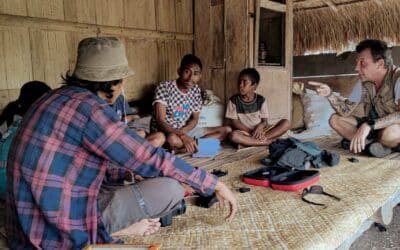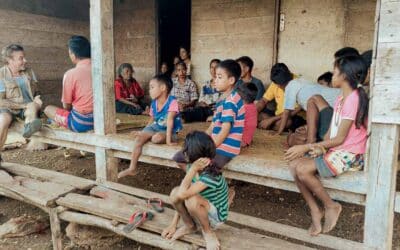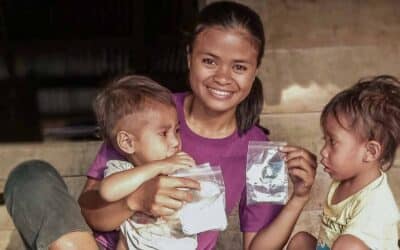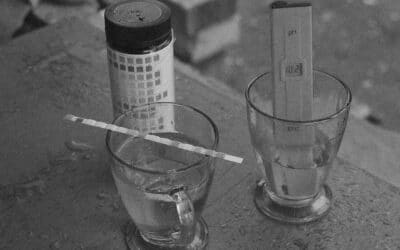


Polio is making a comeback in Indonesia, particularly in the areas where we operate. This outbreak is connected to inadequate hygiene practices, insufficient sanitation, and restricted access to clean water. With limited resources, we are vigorously combating it by launching prevention campaigns and enhancing water access as well as sanitation facilities to safeguard vulnerable communities.
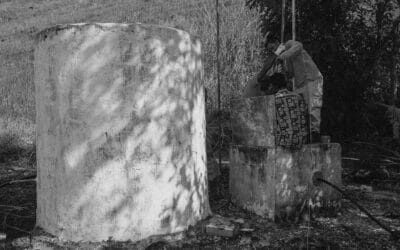
In the scattered hills of East Sumba, 5,300-litre ferrocement tanks collect each drop of rain. Families help build and maintain them. Children drink safely, and women no longer have to carry 20-kilo jerrycans for hours. Water near the house is a primary source of health care.
Kawan Sehat Workers Treat Dozens of Cases Daily
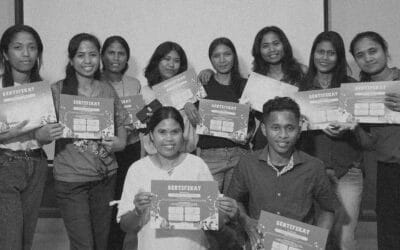
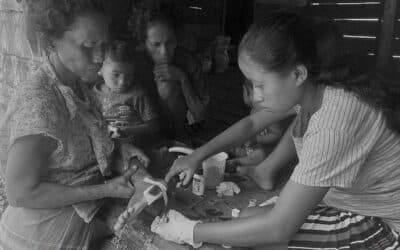
The daily case load managed by Kawan Sehat health agents through the #PrimaryMedicalCare program is truly remarkable. Each day, they deliver crucial first aid services, saving lives and enhancing health for individuals who lack access to basic care. Visit our photo gallery to see the extraordinary efforts of these women and the foundation at work on site.
Introducing the New Truck n’ Load for Water Projects
Introducing our new logistics truck, the âTruck nâLoad,â equipped with a 1,000-liter water tank to deliver clean water to remote villages. Tomorrow, we begin applying decals illustrating our efforts to provide water and sanitation. Alex will collect the truck in Surabaya next weekâan incredible addition to our foundation!
Share Your Experience with Fair Future
Your opinion matters. Share your experience with Fair Future, your thoughts about our work, articles, and programs. Help us improve and continue creating a positive impact together.
Real Testimonies from Lives Weâve Touched
Explore genuine testimonials from individuals whose lives have been positively transformed by the work of Fair Future Foundation. Through initiatives in healthcare, education, and access to clean water, these true stories reveal how our programs change lives and instill hope within communities.
Medical Teams Deliver Care in Rural East Sumba
Fair Future’s medical teams, led by Dr. Narni, offer vital healthcare services to remote villages in East Sumba. Utilizing the Truck of Life, they address illnesses, combat malnutrition, and advocate for clean water access to ensure no community is overlooked. Their commitment is essential in regions where healthcare remains out of reach and infectious diseases go unchecked.
14-Year-Old Girlâs Critical Medical Treatment Begins
A 14-year-old girl from Hudumburung, abandoned by her family due to poverty, has endured severe illness for years. Thanks to Kawan Sehatâs intervention, she is now undergoing essential medical tests and receiving careâher first step toward a better future. Many more children in remote regions remain without help.
Switch to Rainwater Tank After Drilling Ends
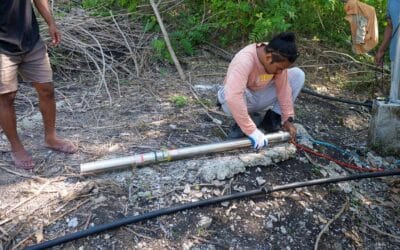
As previously stated, Fair Future has ceased the drilling project after nine months of extensive efforts. Over the last three weeks, our focus has shifted to an alternative solution: constructing a 100mÂł underground rainwater reservoir to supply clean water to a community in urgent need. Project plans and cost estimates are attached for your review.
Healthy Living Posters Distributed to Local Health Centers
We have distributed our healthy living posters to local Puskesmas (health centers), and their directors were delighted. The posters are engaging and easy to comprehend, incorporating local characters and language. Teaching rural communities simple methods for disease prevention, such as handwashing, is truly rewarding.
Forging a Lifesaving Health Collaboration in Sumba
Kawan Sehat Health Agents: Lifesaving Work in Rural Areas
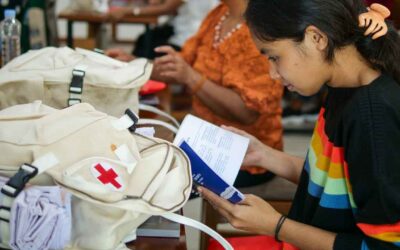
Kawan Sehat health agents deliver essential medical care in remote regions where healthcare access is unavailable. Armed with new medical kits, they provide vital first aid, treat common illnesses, and work to prevent infections in vulnerable communities.
MoU Signed to Expand Primary Medical Care in East Sumba
We have entered into a Memorandum of Understanding with the East Sumba authorities to improve our primary health care program. Through this collaboration involving the health, education and social services sectors, we will increase the number of Kawan Sehat health workers to ensure that rural communities receive adequate medical care.