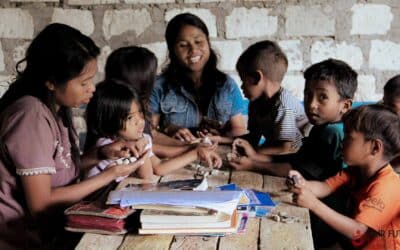


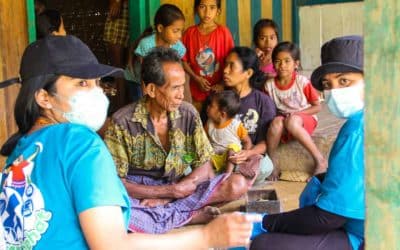
Take a stand against malaria in Eastern Indonesia! Our groundbreaking #ZeroMalaria Sumba program empowers communities with the knowledge and resources to challenge this deadly threat. Through education, targeted interventions, and grassroots initiatives, we are leading the way to a malaria-free world. the future. Explore our inspiring efforts and discover your role in creating a malaria-free world. At the heart of the program is education and community empowerment, with a laser focus on amplifying awareness of the catastrophic risks of malaria.
In the scattered hills of East Sumba, 5,300-litre ferrocement tanks collect each drop of rain. Families help build and maintain them. Children drink safely, and women no longer have to carry 20-kilo jerrycans for hours. Water near the house is a primary source of health care.
Donate
Support Care
Programs
All projects
Quick News
Field updates
Stories
Field stories
CLIMATE & HEALTH: WHEN THE EARTH GETS SICK, PEOPLE DO TOO
Climate change is not abstract for us. It is dry wells, failed harvests, floods that cut roads, and mosquitoes bringing malaria into new places. Fair Future and Kawan Baik link climate and medicine every day, building water systems and delivering care to families where the crisis hits first.
The Climate & Health category of the Fair Future Foundation explores how a changing climate directly harms human health in ultra-rural Indonesia. Droughts, unsafe water, heat, floods and new mosquito patterns increase cases of malnutrition, diarrhoeal disease, malaria, and respiratory infections.
Here, we document the medical impacts of climate disruption and the solutions developed by Fair Future and Kawan Baik Indonesia—from clean water systems and resilient infrastructures to community-based health programs. This category highlights how protecting lives today requires understanding the link between climate shocks and daily medical emergencies.
How a changing climate turns daily life into a health risk
The access to the village is a hope for a better life
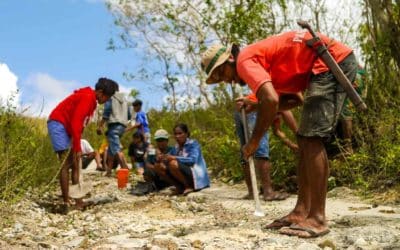
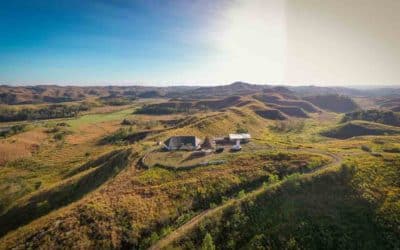
Discover the remarkable progress in our ongoing construction and repair efforts on the road to Laindatatang village in East Sumba. The Fair Future Foundation has been at the forefront, meticulously coordinating and overseeing this significant project for months. We’re thrilled to share that material trucks and tanker trucks can now effortlessly reach the village.
Happy to have water without going far to get it
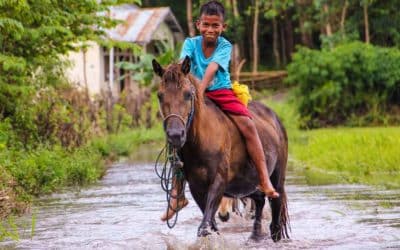
This new "Picture of the Day" shows you a 12-year-old kid named Yaspan. He was born in a tiny village in East Sumba where Fair Future and Kawan Baik have worked for over four years. We built a new school for him a few years ago, #sdmbinudita, and now he and his family have clean water reaching his house, which was not the case before. Yaspan and all his friends from the Village of Mbinudita are lucky because children struggle to get water everywhere else. They have to find it very far on foot; to do this, they miss school, get injured, and fall ill.
There's something inexplicably satisfying about the heavy rains in ultra-rural East Sumba, especially when you live in a water-scarce area: The sound of raindrops hitting the roof is soothing, and the smell of wet earth is refreshing; plus, you feel good because you know that this rain will help the family. When it rains a lot, kids and families here can't help but be happy knowing that their water tanks will be filled and they won't have to worry about running out of water for a moment.
"-It's a small blessing for which I am grateful, and I always make sure to take advantage of the rain while it lasts…" a friend from the village told me last month.
Heavy rains like the ones we experienced last month in one of the ultra-rural villages in East Sumba, where we work with Fair Future and Kawan Baik Indonesia foundations, are also an opportunity to celebrate as these kids wade through the water. They are the first to be happy because they won't have to walk for hours to fetch water far from home.
With those heavy rains comes plenty of water and the relief of much-needed hydration. The floods will provide much-needed food for crops, wash livestock and provide villagers with general water and sanitation assistance. With the bonus of increased economic activity and improved social well-being from the new abundance of water, these small floods are becoming the opportunity of a lifetime for the villages of Sumba. With increased water storage, a healthier environment and better living conditions, small floods caused by heavy rains are the perfect way to improve the lives of villagers in these areas where water is absent.
It's interesting to consider that what may be a challenge for many of us is a helpful solution for these families.
8 billion equal people? What about the food?
Eight billion people on earth: Are we going to starve? On the one hand, there is population growth. On the other, the world’s resources make it possible to feed human beings. How to reconcile the two? Today and tomorrow, will we all be able to provide for ourselves?
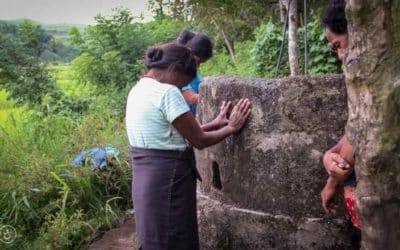
A prayer for water around a well in East Sumba
With a few friends from Kawan Baik and Fair Future, we had the privilege and emotion to experience a touching moment, thanks to the strong words of villagers living in a very isolated region of eastern Indonesia. We felt that these brave people had hope that time and the Lord might bring them a better life. For that, we have no choice but to help them.
Drinking and eating better thanks to water connections
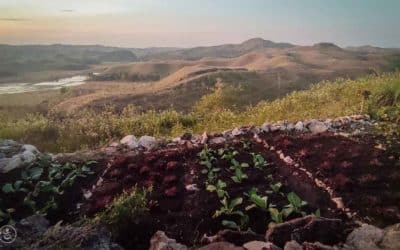
For months, Fair Future has noticed a fundamental change in habits in families who benefit from the “Water Connections” program. Gardens are created. People eat better, drink more, have more energy and are less ill. This observation fills us with joy and comforts us in our choices and decisions. Access to better health has always been the foundation’s primary mission, and healing people just by giving them water is incredible for us.
Clean water and sanitation for a magic trick
For a few months -thanks to the Water Connections program–, the families are feeling healthier, happier and have much more energy. The villagers, who are 100% farmers, are much less sick, and they are in better health. Vegetable gardens are created, and an economy is built. Women and children spend much less time fetching water from wells far from homes. As a result, children spend more time in school, and adults have more time to do things they couldn’t do before. On the other hand, water remains the absolute priority of each of the 250 families of #mbinudita, well before everything else! Today, we are building healthy sanitary facilities for the village and the villagers. Like all other families living in ultra-rural areas, people have never had access to toilets or a place to bathe or do laundry.
For the past two months, we have been on the Mbinudita site
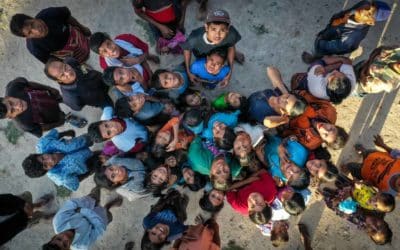
Our teams have been on the SD Mbinudita site for two months for the Water Connections project, clean, safe and clean water for all. The Mbinudita school is the centre of life for an entire region, where more than 2,500 people live, divided into nearly 250 families, the vast majority of whom are children. The social, technical, medical and logistics staff and documentalists have been working for several months on the realization of this unique project. The Water Connections program connects groups of houses and an entire population to clean water connections, sometimes houses more than three kilometres apart from each other. This uses buried pipes, 6500-litre tanks, healthy sanitary facilities, and our boreholes. The innovation is that we mainly use gravity, iron and cement for the construction.
Protecting Privacy and Data Trust
Fair Future’s confidentiality policy ensures privacy and protects sensitive data. We manage all information with integrity, safeguarding our supporters, partners, and communities in every action we take.