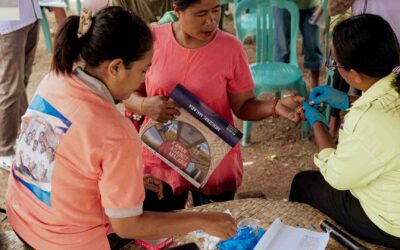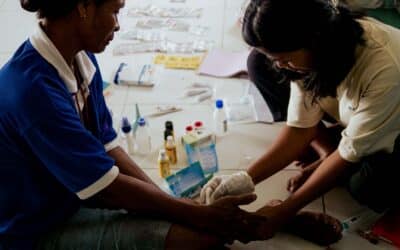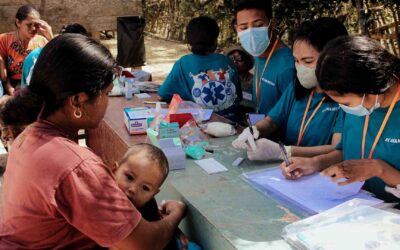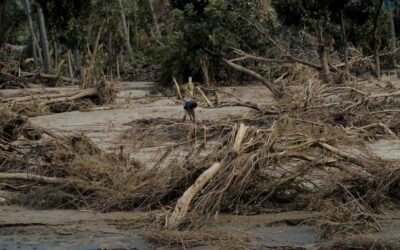


Disease prevention is the most effective medical response in rural health settings. Through daily field presence, hygiene education, vaccination awareness and primary medical care, preventable diseases are reduced before emergencies occur.
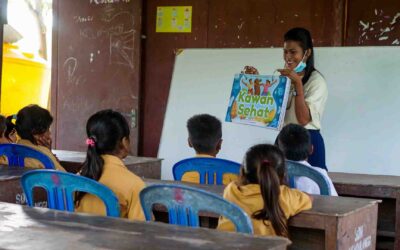
To reach ultra-rural villages, we rely on the Truck of Life to navigate rough, broken roads. This vehicle allows us to deliver essential supplies, including medicines, water, tools, solar kits, and food. Logistics play a crucial role in our program; without access to fuel, spare parts, and the commitment to long days on the road, we would be unable to reach the patients in need.
Donate
Support Care
Programs
All projects
Quick News
Field updates
Stories
Field stories
Primary Care and Disease Prevention for All
The Fair Future Foundation is unwavering in its dedication to providing primary medical care, treatment, and disease prevention to strengthen the health and well-being of families, women, and children in vulnerable communities. Through unwavering, sustainable approaches and a relentless focus on clean water, nutrition, and accessible healthcare, we are resolutely committed to creating healthier, more resilient futures for all.
The Health & Medicine category of Fair Future Foundation focuses on bringing essential medical care and health education to ultra-rural Indonesia. We share stories of how our teams work tirelessly to treat illnesses, prevent infectious diseases, and improve community health. These articles highlight the importance of access to healthcare in remote areas and show how medical programs save lives and build healthier futures for those who need it most.
We focus on primary care, treatment and prevention of diseases
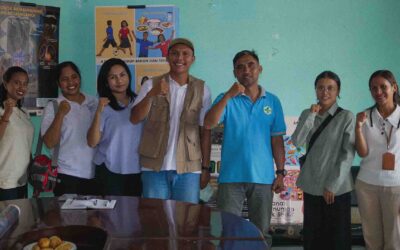
Kawan Sehat medical evaluation in remote East Sumba
A clinical assessment of how primary healthcare quality is maintained in remote villages of East Sumba. This article documents a structured medical evaluation of a community health agent, highlighting training, supervision, and data accuracy as key elements of safe rural healthcare.
No Access to Healthcare in Rural Areas | Clinical Reality
In ultra-rural regions, people do not die from rare diseases, but from delays and absence of care. Primary Medical Care restores continuity where systems stop, reducing preventable illness through presence rather than technology.
No Access to Rural Healthcare | Life Without Medical Care
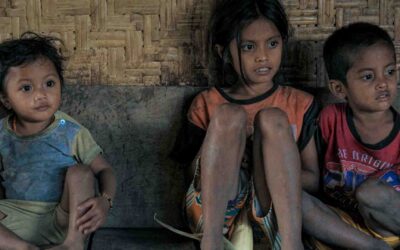
No access to healthcare defines daily life for millions of people living in ultra rural areas. In these regions, illness is not treated, diagnosed, or prevented. It progresses silently until it becomes life threatening. This medical absence shapes survival, health outcomes, and life expectancy.
Medical Advices – Practical Health Guidance from the Field
Medical Advices brings together simple, reliable health guidance drawn from real field medicine. From infectious diseases to daily prevention, these articles turn medical knowledge into clear actions that help people understand risks, protect their health, and act early.
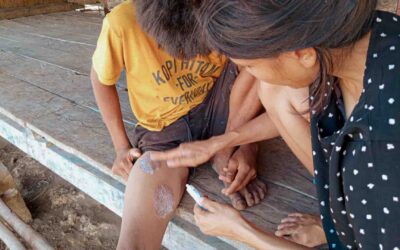
Skin infection prevention in rural Indonesia
Skin infections are not cosmetic. In ultra rural areas, small cuts, insect bites, or scratched skin can quickly become dangerous infections. Heat, dirty water, and delayed care increase the risk. Early cleaning and simple prevention save lives every day in the field.
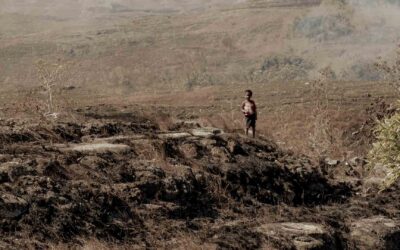
Extreme heat health risks in ultra-rural care
Extreme heat is not just weather in ultra-rural communities. It is a medical risk that worsens dehydration, malnutrition, and infections. From the field, we see how simple actions and early recognition of heat illness save lives every day.
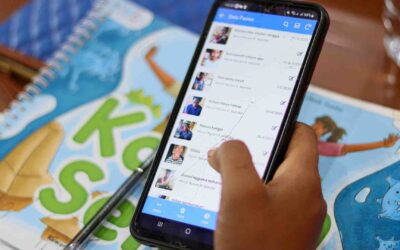
Kawan Sehat Medical App – Offline care in rural regions
In ultra rural Indonesia, access to medical care depends on distance, roads, and signal. The Kawan Sehat Medical App was created to change that reality by enabling trained community health agents to deliver structured primary medical care without internet access, while generating reliable medical data for long term action.
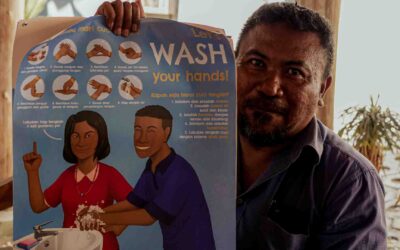
Hand Hygiene in Rural Indonesia | Disease Prevention
Hand hygiene rural Indonesia remains one of the most overlooked yet critical medical challenges in ultra-rural communities. Where water, soap, and sanitation are missing, infections spread easily. Education and simple infrastructure become powerful medical tools when healthcare access is limited.
Malaria Screening in Rural Indonesia | Swiss Medical Fieldwork
Beyond the rapid test, each screening includes education, explanation, and practical advice. This moment of dialogue often becomes the first real medical consultation families have ever received, turning a diagnosis into immediate protection.
Kawan Sehat Ultra-Rural Medical Care in Eastern Indonesia
In eastern Indonesia, ultra-rural medical care depends on people who walk where vehicles cannot go. In regions cut off from roads, electricity, and doctors, Kawan Sehat health agents provide first-line treatment, prevention, and education. Their work fills the growing gaps left by under-equipped Puskesmas and overstretched hospitals.
Environment and Climate Action
In Eastern part of Indonesia, climate change is not abstract. It dries up crops, kills trees, spreads disease, and worsens poverty. The Environment and Climate Program acts locally to address global emergencies—through waste management, education, water access, and community-led adaptation.