
Fair Future teams examine and investigate more than two hundred cases of various illnesses or injuries treated under the primary medical care program by health workers. We also take stock of what will happen next week to accurately assess the supply of new equipment, drugs and medical devices. We also tell them that three will be part of a “test” screening program for high blood pressure and, in this case, the “prescription” of treatment and an appropriate medical procedure.
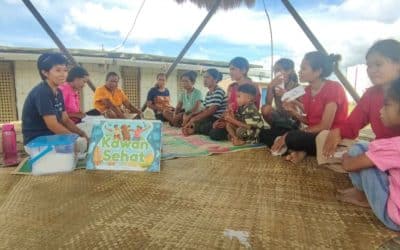
Kawan Sehat: Community Health Agents Saving Lives
Kawan Sehat: Bridging the Healthcare Gap Where No Doctors Go | Kawan Sehat health agents, who are trained community volunteers, play a crucial role in delivering essential medical care to ultra-rural villages lacking access to doctors. They diagnose and treat common ailments, work on infection prevention, and educate families about health and hygiene practices. With support from Fair Future, these volunteers receive continuous training along with necessary medical supplies and supervision. Their efforts save lives by preventing diseases and ensuring healthcare is accessible even for the most isolated communities.
The Kawan Sehat Agents category documents the work of trained community health agents delivering primary medical care in ultra-rural areas with limited or no access to formal healthcare. Articles describe their medical training, daily clinical activities, health education work, and coordination with referral systems. This approach follows WHO task-shifting principles, enabling safe, effective first-line care at community level. By strengthening local capacity, Kawan Sehat agents improve healthcare access, ensure continuity of care, and reduce preventable complications under real field conditions.
Kawan Sehat Agents
Primary medical care dedicated to children
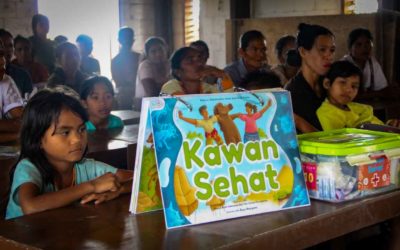
This "Picture of the Day" shows children who, thanks to the "Primary Medical Care" programme, learn to protect themselves against illness and injury through simple gestures and habits. Children in these regions do not have access to health centres, and no doctors are present in these villages (apart from those from the Fair Future and/or Kawan baik Indonesia foundations). It makes prevention an essential component of their health and well-being. Children in ultra-rural areas can significantly reduce their risk of illness or injury by incorporating simple habits and actions into their daily routines. In addition, it is essential to make children and parents aware of the importance of these habits and gestures so that they become part of their daily lives.
Giving primary medical care is not insignificant. It usually is doctors and nurses who do this. This is what makes this program unique in terms of innovation. Those who provide care, life-saving drugs and cures for Malaria, for example, are the teachers of this isolated village in eastern Indonesia. Therefore, for us here on site, it is essential to assess the impact and effectiveness of this program regularly. We carry out surveys, and we meet to collect medical data. We, therefore, highlight the areas where we can make the necessary changes. If this primary medical care program is a huge success, it is because it involves the communities in the various planning and implementation processes.
Teachers and parents of ill or injured children provide us with essential information. This 100% medical emergency program is in the process of success. It requires multiple collaborations, adequate ongoing training, sharing of supported cases and regular evaluation to ensure its safety, effectiveness and sustainability.
Learn how to provide Primary Medical Care
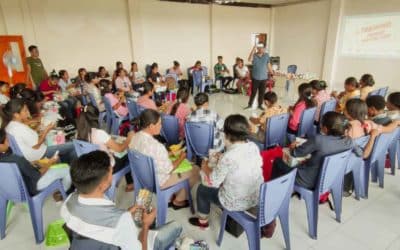
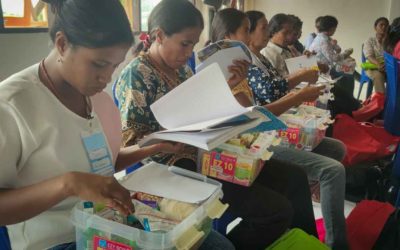
This "Picture of the Day" shows you one of the classes of brave women (and two or three men) who learn with our teams how to give first aid – Primary Medical Care which is the most important – to a person or a sick or injured child.
These first days of medical training welcomed around sixty participants from the most isolated and rural villages. To give you an idea, folks, none of these villages has access to clean or safe water, and only a few have access to some electricity. There is often no road leading there, but only paths that are often impassable. And, of course, no medical centre or health centre near the villages.
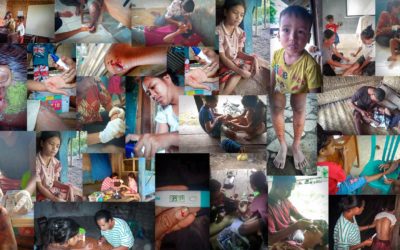
The participants are 95% women, and all are teachers in the school of their ultra-rural region. What they have been doing for a few months now is remarkable. They heal and undoubtedly save lives, see here some images taken with their mobile phone.
Aside from being most undoubtedly unique in the world, the magic of this "primary medical care" program is that it works. The first batch of about 60 teachers who have undergone training in rural primary medical care are now gaining more and more confidence, and hundreds of urgent medical care are being provided to the children of sick or injured adults. Lives are being saved.
In a few days, Fair Future Foundation with Kawan Baik Indonesia will evaluate this program directly from the villages, in the company of those who are its heroes, all these extraordinary women.
On-site Primary Medical Care Program Assessment
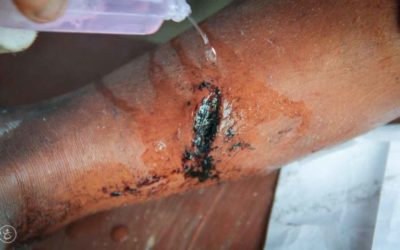
This primary medical care program in ultra-rural areas, which we initiated and started last year, is extraordinary, it saves lives. Since December 2022, the participants in the primary medical care program – who are the village teachers – have been providing first aid to children and villagers. They treat wounds, diseases, malaria, dengue fever. Images taken by teachers in their villages.
Teachers provide primary medical care
The magic of this "Primary Medica Care" program? It's just that it's unique in the world and it works. The first batch of sixty teachers who have followed the training in primary medical care in rural areas, tell us about their "exploits" and their work as rescuers. They take confidence in themselves it is the most important, and we note it. Medical care is given to children of sick or injured adults. Lives are being saved.
Primary medical care training for 60 teachers
Whether a minor skin injury or a severe life-threatening injury, all types of damage should be treated with first aid on the spot without delay, as it may save a life or a limb. Teachers in the poorest and most rural areas learn this with Fair Future’s medical teams. Since November 2022, Fair Future Switzerland has taken a new step in the primary medical care program for children in ultra-rural areas here in East Sumba. The first two training modules for rural school teachers took place during the second week of December. It was a considerable success since more than sixty teachers were present for this first session.