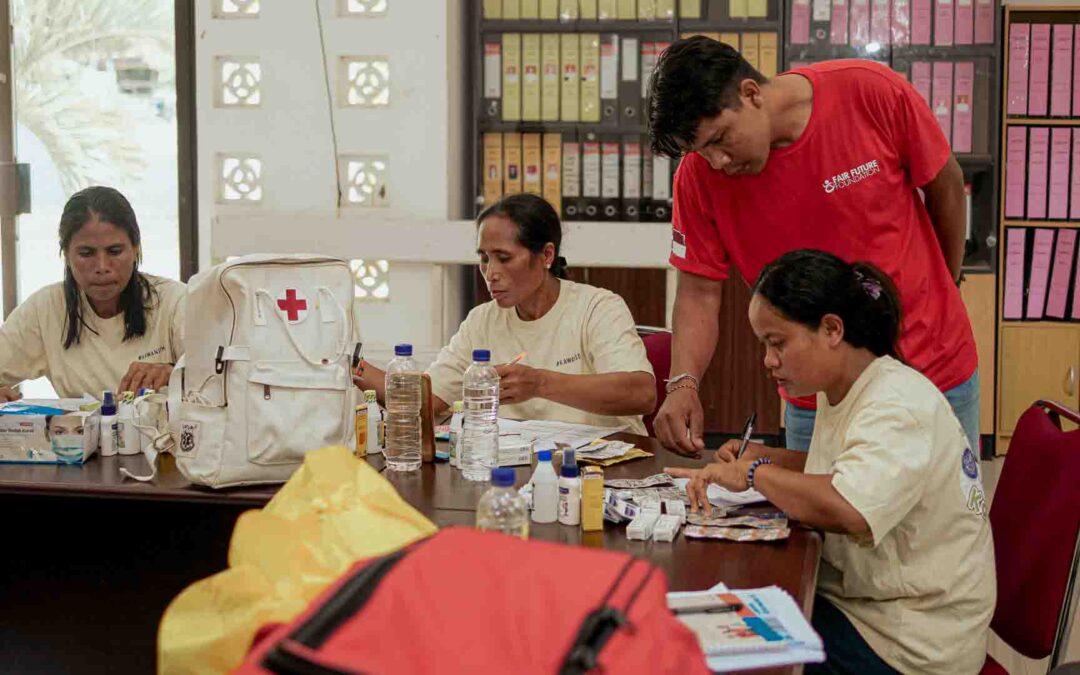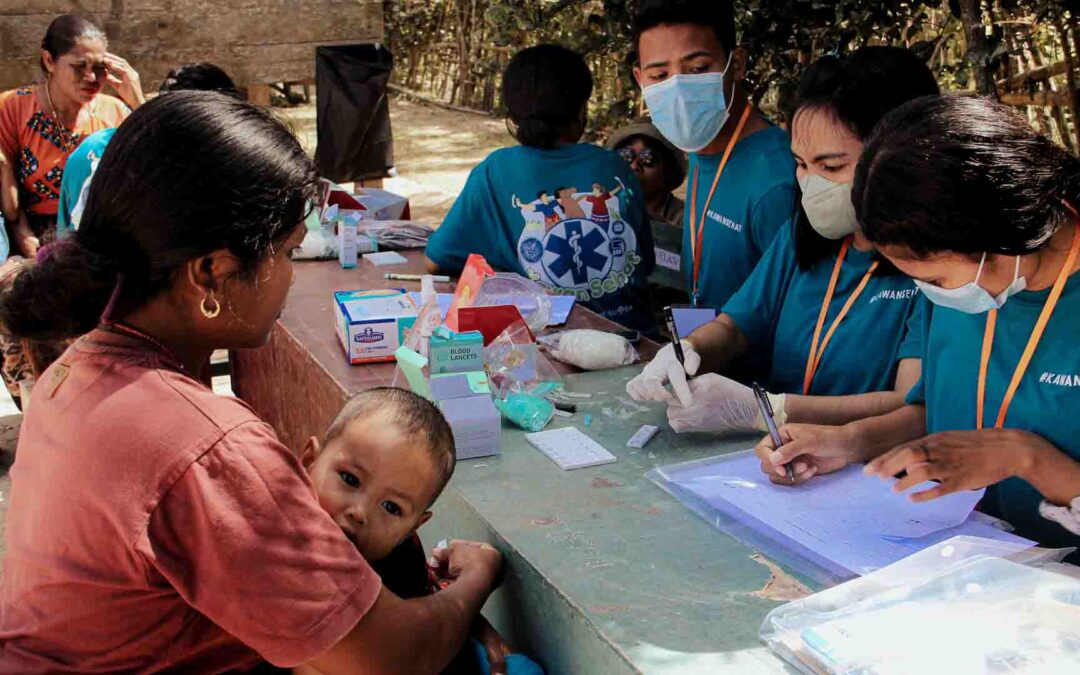

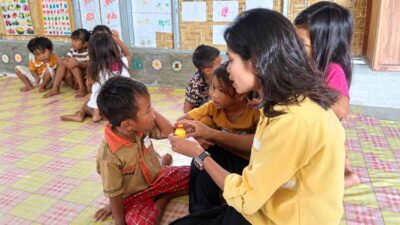
During community care in Kampung Madutolung, treatment was paired with practical prevention. More than 110 people received care while the team discussed secondhand smoke, nutrition, alcohol risks and malaria recognition, showing why education belongs inside primary healthcare in the village.
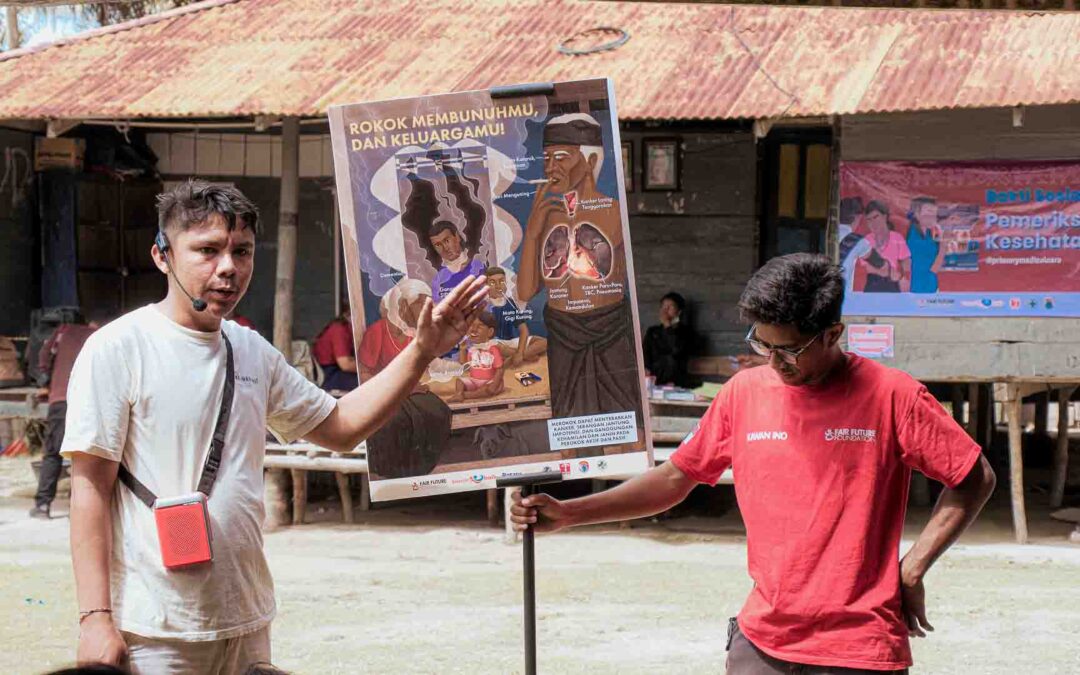
Picture of the day

The Picture of the Day category shares one daily image from ultra-rural Indonesia, captured during real field work.
Each photo documents medical care, disease prevention, clean water access, and community life as it is, with no staging. This is visual evidence of constraints, decisions, and measurable impact where healthcare access is limited.
Latest field updates
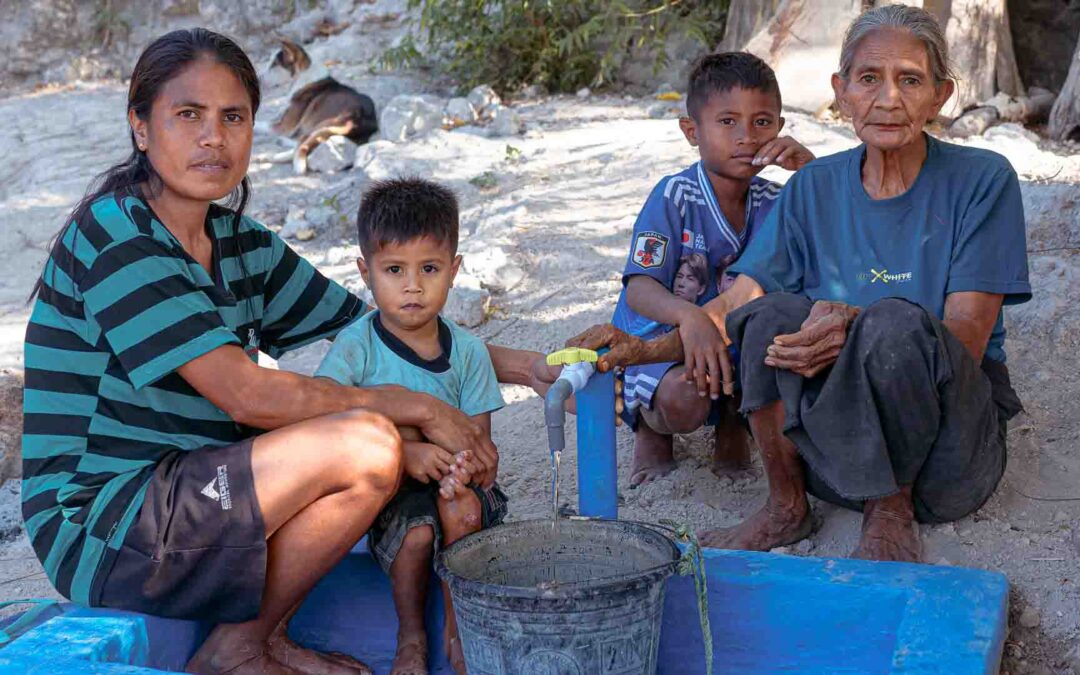
Clean water at home | Gravity-fed Water Connections
A new 5,300-litre reservoir and 200 metres of gravity-fed pipe now bring water directly to two families. For around fifteen people, a household tap changes hydration, food preparation, hygiene and exposure to waterborne disease, while reducing the daily burden of collecting water away from home.
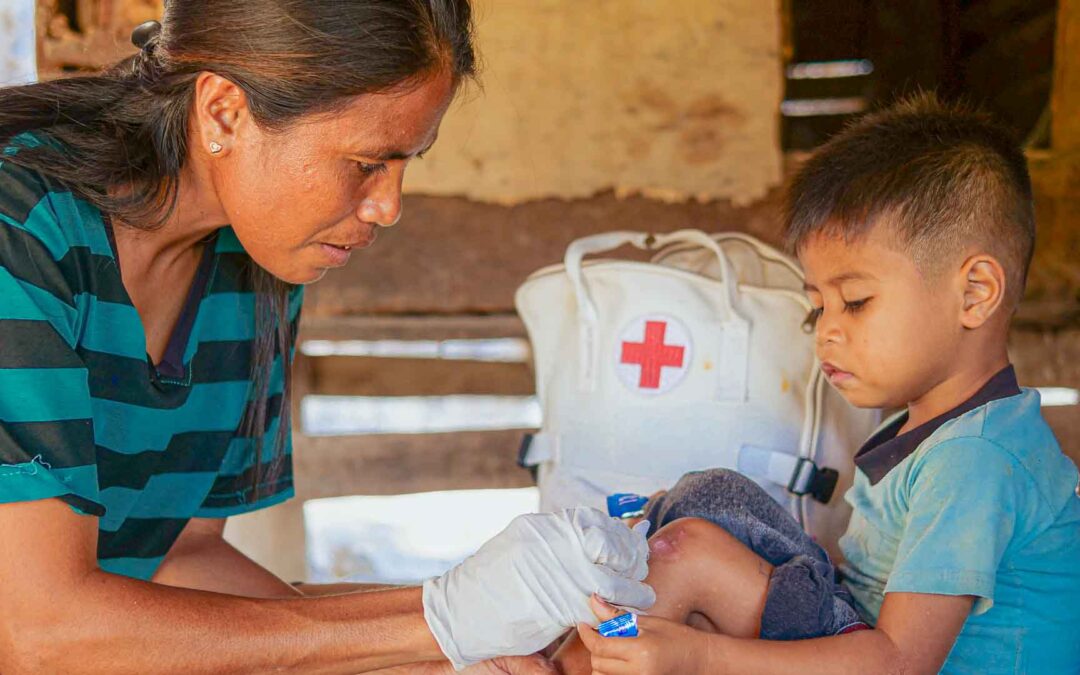
Primary Healthcare in East Sumba | Wound Care at Home
In Hudumburung, Kawan Sehat agent Veronika treats a child’s wound with the medicines, supplies and training tools carried in her medical backpack. Her work shows why early primary care, infection recognition, health education and timely referral matter in isolated East Sumba villages.
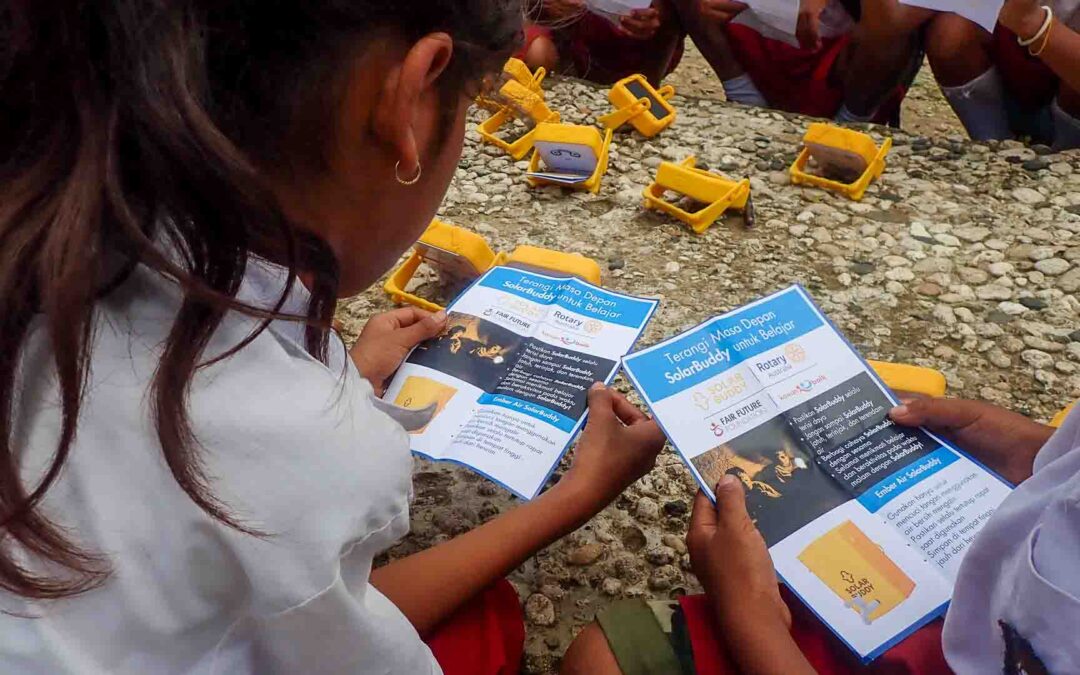
SolarBuddy Education East Sumba – Solar Light
In many schools without electricity, SolarBuddy education East Sumba becomes more than lamp distribution. It brings structured guidance, hygiene awareness and printed learning material to children who rarely receive personal documents. Light becomes a medical and educational tool.
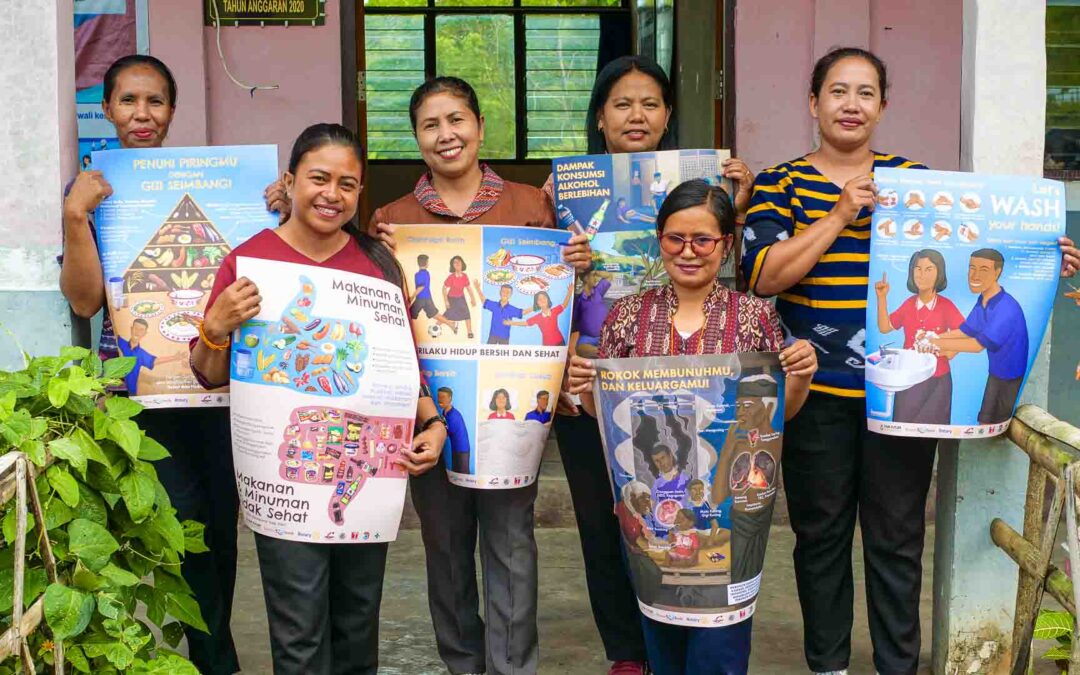
School Health Posters – Education in Action
In rural Indonesia, school health posters are more than visual aids. They are daily prevention tools. At SDN Bidiwai, teachers received SolarBuddy lamps and a full set of educational materials that transform classrooms into spaces of long-term community awareness.
Primary Medical Care in East Sumba Field Supervision
Primary Medical Care East Sumba is not theoretical. It is a structured system that keeps medicines available, records accurate, and rural agents clinically supported. At Puskesmas Kawangu, supervision ensures that distance does not become danger.
Kawan Sehat Medical App – Offline care in rural regions
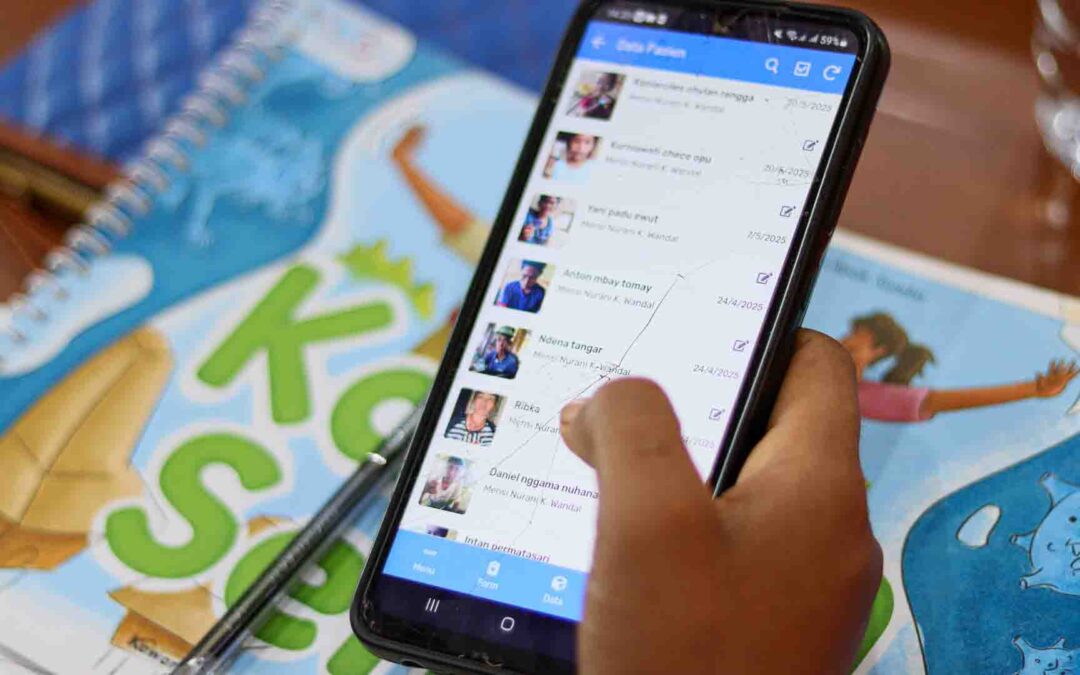
In ultra rural Indonesia, access to medical care depends on distance, roads, and signal. The Kawan Sehat Medical App was created to change that reality by enabling trained community health agents to deliver structured primary medical care without internet access, while generating reliable medical data for long term action.
Hand Hygiene in Rural Indonesia | Disease Prevention
Hand hygiene rural Indonesia remains one of the most overlooked yet critical medical challenges in ultra-rural communities. Where water, soap, and sanitation are missing, infections spread easily. Education and simple infrastructure become powerful medical tools when healthcare access is limited.
Malaria Screening in Rural Indonesia | Swiss Medical Fieldwork
Beyond the rapid test, each screening includes education, explanation, and practical advice. This moment of dialogue often becomes the first real medical consultation families have ever received, turning a diagnosis into immediate protection.
Mbajik Solar Evaluation Through Children’s Eyes
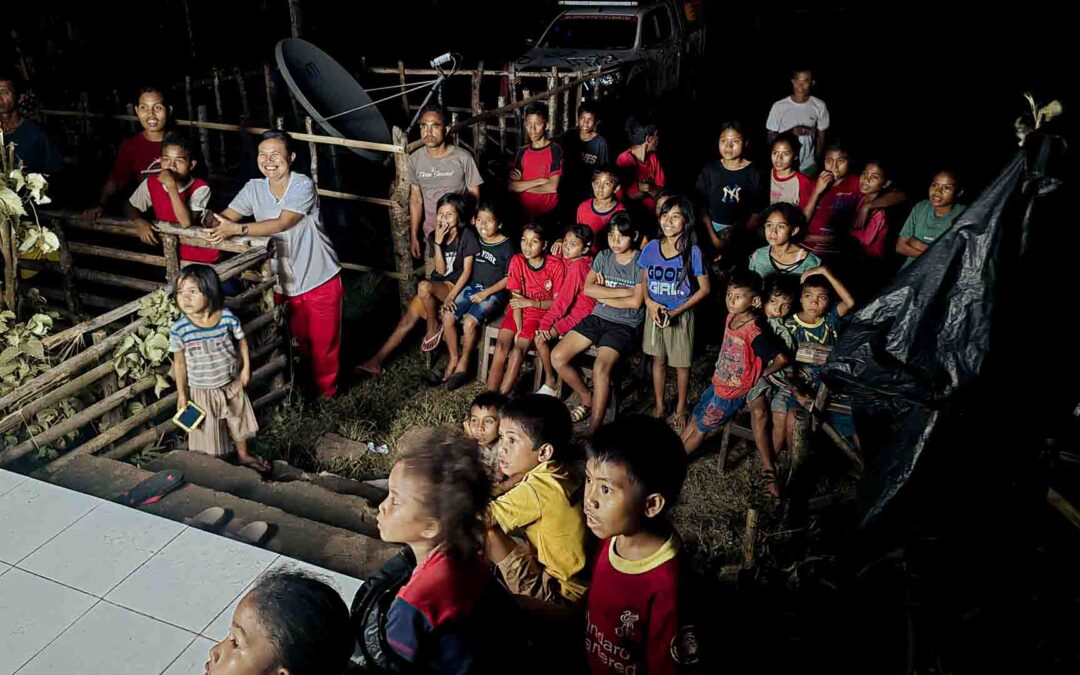
This Mbajik solar evaluation began at night, not with tools but with a film. Children and adults gathered to watch themselves on screen, for the second time. The first was in October, during installation. This time, it was different. This time, electricity was already part of their lives.
Solar Light for Children in Ultra-Rural Regions
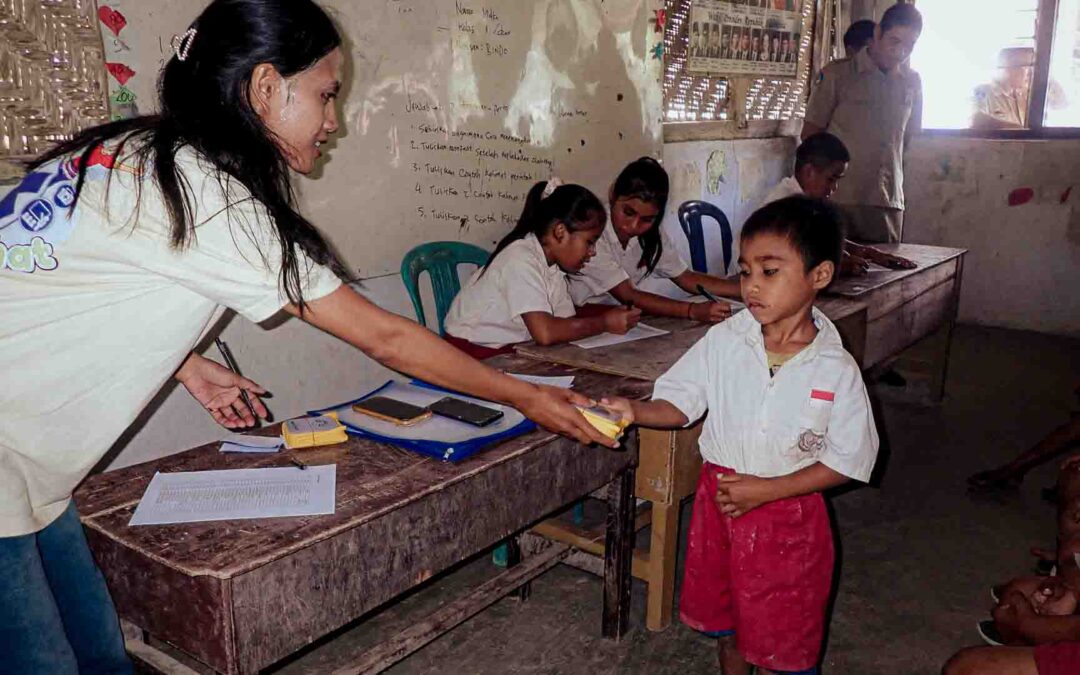
This new picture of the day shows solar light for children delivered through patience and care. In an ultra-rural classroom, a lamp is not simply handed over. Time is taken to explain, to show, to ensure understanding. For children living without electricity, light means safety, learning, and dignity once the sun goes down.
Kawan Sehat Ultra-Rural Medical Care in Eastern Indonesia
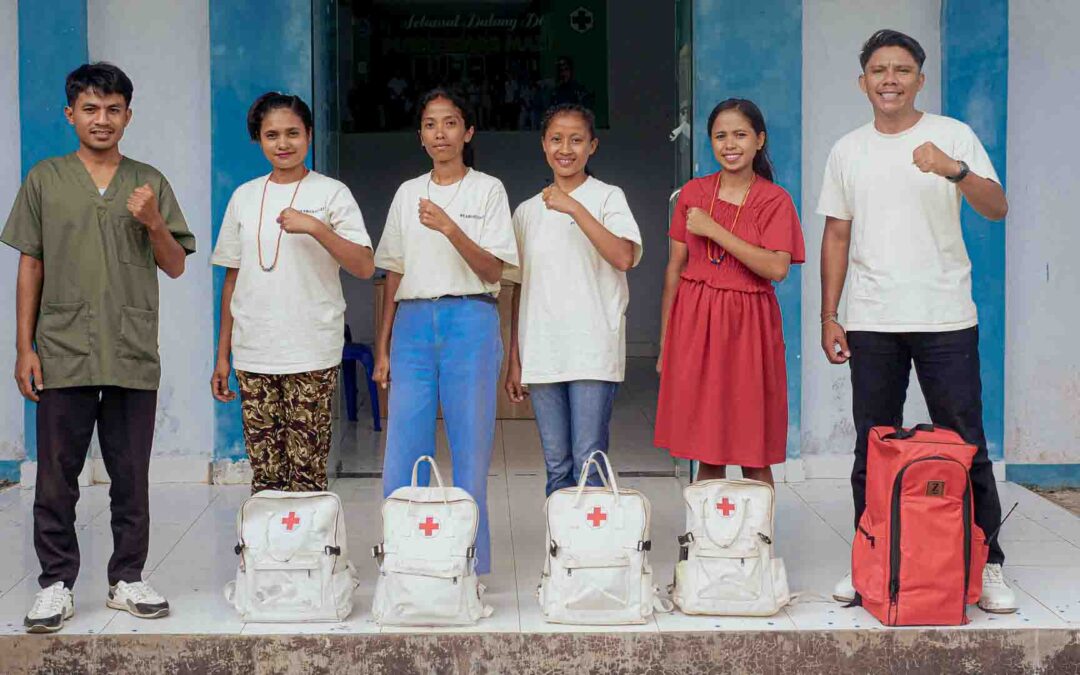
In eastern Indonesia, ultra-rural medical care depends on people who walk where vehicles cannot go. In regions cut off from roads, electricity, and doctors, Kawan Sehat health agents provide first-line treatment, prevention, and education. Their work fills the growing gaps left by under-equipped Puskesmas and overstretched hospitals.